Movie review
February 21, 2019 · 110 min · NC-17 · German · Horror · Comedy · Crime · Thriller
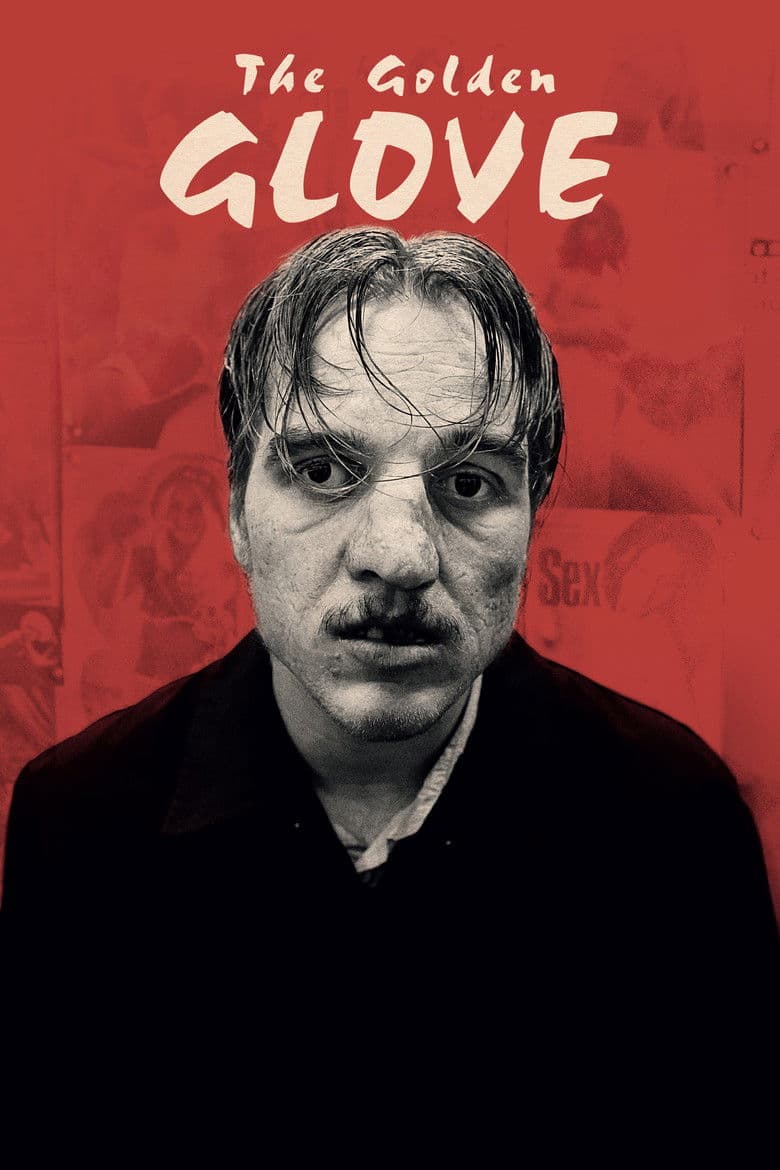
Fritz Honka is a lonely, badly scarred night watchman who spends his nights drinking in the Golden Glove, a dirty bar in Hamburg’s St. Pauli district. In the early 1970s, he takes poor and homeless women back to his small attic flat, where he attacks and kills them. He hides their bodies behind the walls while the bar crowd keeps drinking and joking nearby. The film uses harsh brown colors, ugly humor, and long scenes of violence to create a grim crime horror story with almost no relief.
The film keeps returning to male violence against women, the helplessness of the victims, and the way people fail to notice their suffering. Honka also blames a Greek immigrant family for the smell from his flat, so racial scapegoating is shown as part of his cruelty. The bar includes war survivors, a former Nazi, and other people left behind after the war. The story’s social edge comes through these damaged lives, while the main focus remains Honka’s drinking, crimes, and eventual discovery.
Community feedback
Was our 27% Woke rating accurate?
Breakdown
These are the editorial factors and ratings behind our score for The Golden Glove.
Woke representation / casting
Not present. The cast fits the 1970s Hamburg setting, and the Greek immigrant family has a normal story role. The movie does not use a diversity-first group of heroes or identity-framed casting.
0%
Woke political dialogue
Not present. The dialogue includes racist insults and crude control language from Honka, but no character gives a modern identity, DEI, or activist message. The film’s talk stays focused on drinking, sex, crime, and damage from the war.
0%
Identity-driven story themes
The film repeatedly shows women being targeted, assaulted, and killed by a man who feels entitled to control them. The victims are poor and often ignored by the people around them. The film also shows Honka blaming a Greek immigrant family for his own foul smell. These details give the story an identity-related edge, but the story keeps them inside a historical crime portrait.
26%
Western institutional / cultural critique
The film shows a poor bar crowd that has been left outside the postwar boom. The film also shows an old Nazi, war survivors, and a Greek family facing racist blame. These details point to social neglect and old prejudice, but the story does not keep attacking modern Western institutions.
12%
Woke character or canon changes
Not relevant. The film adapts a novel and a real crime case, but its changes concern plot detail and tone. No established character is recast or rewritten around race, sex, sexuality, or a new hero role.
0%
Anti-woke backlash and complaints
Not present. Berlinale coverage reported applause, laughter, boos, and walkouts, but the complaints centered on graphic violence against women and possible exploitation. No sustained anti-woke, DEI, or identity-politics complaint campaign was found. A few right-leaning posts praised the film as not woke, which is approval rather than backlash.
0%
Creator track record context
The strongest creator context comes from Fatih Akin, whose wider work often covers migration, racism, belonging, and historical trauma. Heinz Strunk is better known for harsh satire about outsiders, while Nurhan Şekerci-Porst has backed culturally focused films and spoken about gender equality in film. Other supplied crew context shows little public activism. This gives the title moderate creator-context background, even though the story itself is mainly a crime horror.
54%
Production

Movie · 2025
After escaping from a mental hospital, a violent sociopath named Paul begins a dangerous rampage targeting Sofia, a world-famous pop star.

Movie · 2024
Broke and depressed, Ray is mistaken for a dangerous hitman and given an envelope of cash. Along with his P.I.
Movie · 2016
Ronnie runs a Disco walking tour with his son, Brayden. When a sexy woman takes the tour, it begins a competition between father and son for her love.

Movie · 2016
Horror junkie Joe Foster gets to live out his ultimate scary movie fantasy courtesy of Fear Inc., a company that specializes in giving you the fright of your life.
Movie · 2017
Lynn, a brilliant student, after helping her friends to get the grades they need, develops the idea of starting a much bigger exam-cheating business.
Movie · 2023
Inspired by a true story, an oddball group of cops, criminals, tourists and teens converge in a Georgia forest where a 500-pound black bear goes on a murderous rampage after…
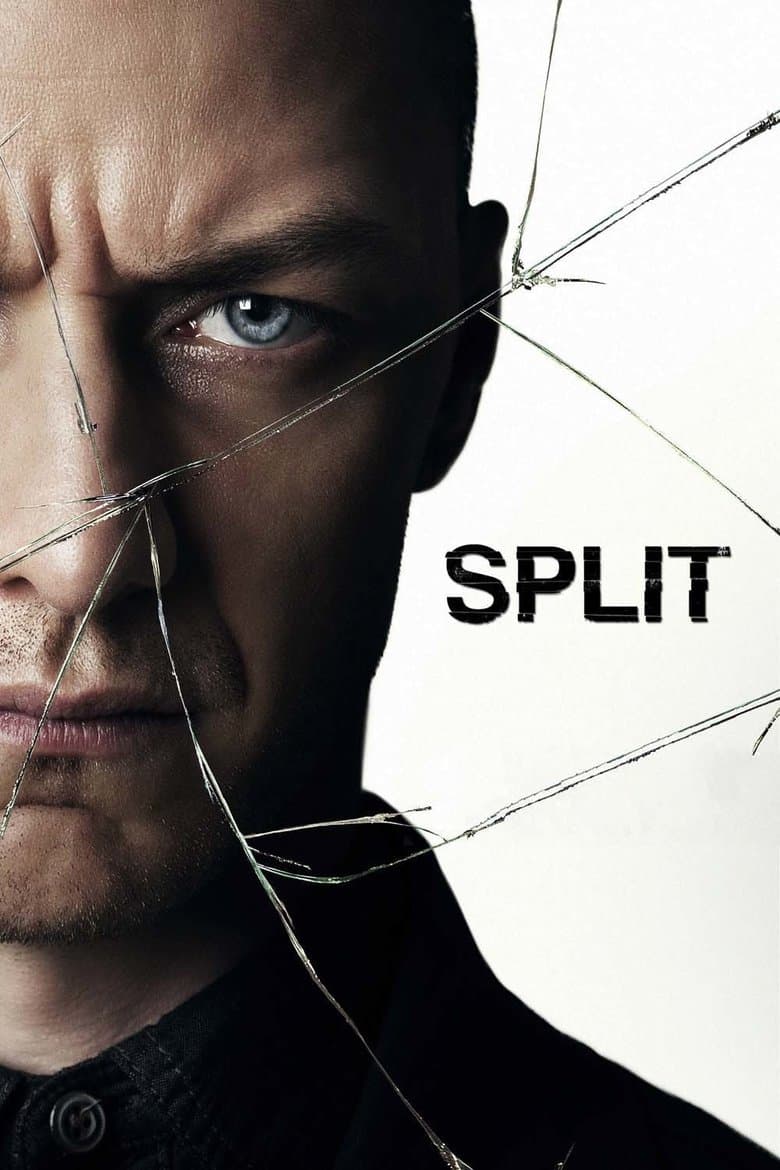
Movie · 2017
Though Kevin has evidenced 23 personalities to his trusted psychiatrist, Dr. Fletcher, there remains one still submerged who is set to materialize and dominate all the others.
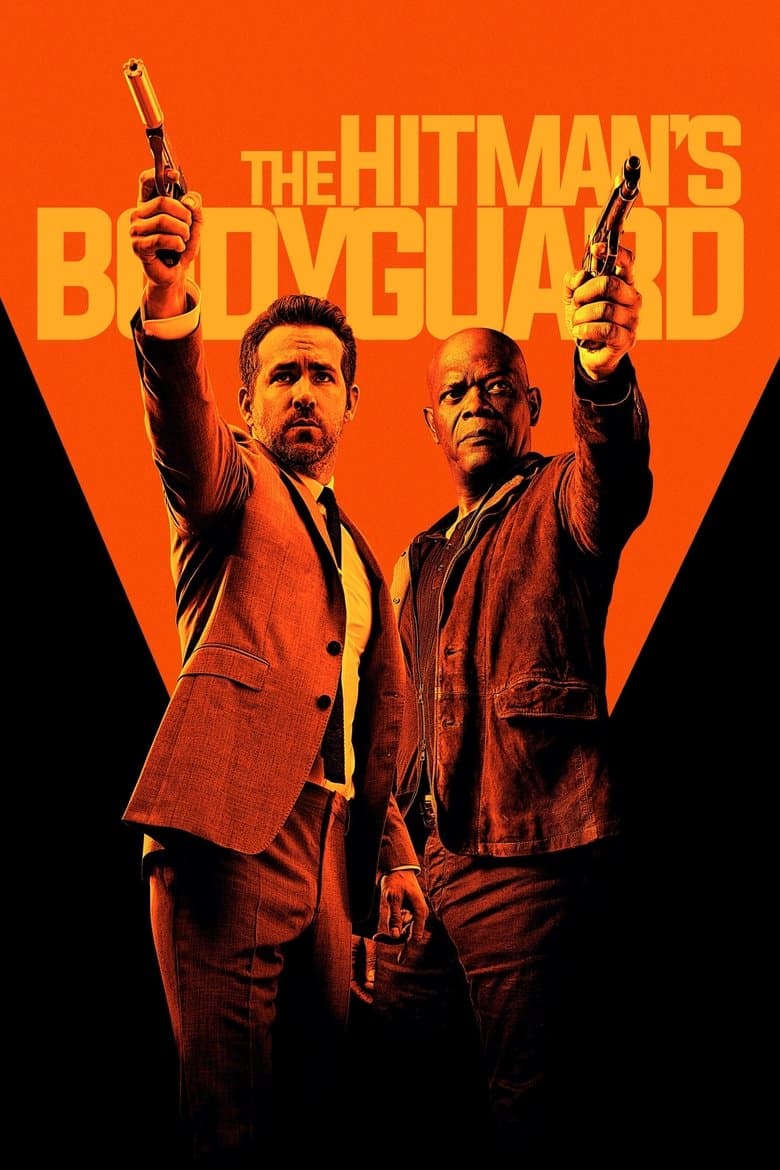
Movie · 2017
The world’s top bodyguard gets a new client, a hitman who must testify at the International Court of Justice.
