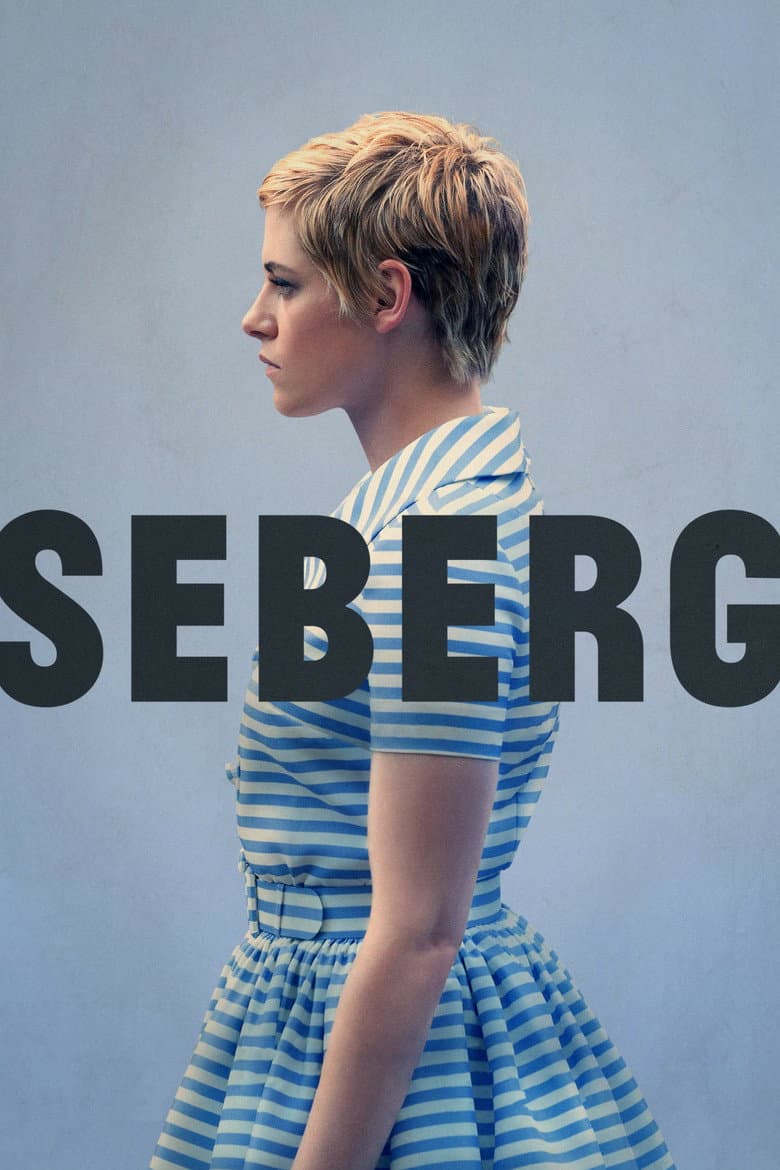
Seberg follows Jean Seberg, an American actress who returns from France to Los Angeles in the late 1960s. She meets Black Panther activist Hakim Jamal, begins an affair with him, and gives money to civil rights causes. The FBI watches her, records her private life, and spreads a false story about her unborn child. The pressure breaks her trust, harms her career, and drives her toward fear and despair. The film has a dark, polished thriller tone, with bright 1960s clothes set against secret files, spying, and public shame.
Race and political activism shape the whole plot rather than appearing in one short scene. Jean speaks about the oppression of black Americans, Vietnam, revolution, and love between a black man and a white woman. The FBI is shown as a racist and abusive government force, and its campaign against Jean is treated as a warning about power, spying, and lies. The story presents Jean as a white woman whose support for black activists makes her a target, so the film mixes civil rights themes with a tragic personal story. The story also includes sex, adultery, drug use, suicide attempts, and the death of a baby, which make the activist story heavier and more disturbing.
Community feedback
Was our 61% Woke rating accurate?
Breakdown
These are the editorial factors and ratings behind our score for Seberg.
Woke representation / casting
Not present. The main cast follows the real people and the late 1960s setting. The interracial relationship and Black Panther characters are part of the real story, not a diversity-first casting pattern.
0%
Woke political dialogue
The film repeats political talk during Jean’s meetings with Jamal, the airport protest, her interviews, and the party scenes. Jean links Vietnam and the oppression of black Americans and says she wants to join the revolution. Other lines defend love between a black man and a white woman and call out racism. The dialogue makes activism and race a clear part of the film, even though it stays tied to the late 1960s.
52%
Identity-driven story themes
Jean’s support for black activists, her affair with a black man, and the false race-based pregnancy rumor drive the FBI operation. The story treats her support for civil rights as brave and makes the cost of that support the center of her fall. The film returns to Black Power, racism, public shaming, and the damage done to a woman across the full story. These identity and activist themes are central, although the film tells them through a historical tragedy rather than a modern campaign.
61%
Western institutional / cultural critique
The film shows the FBI as a racist government force that spies on Jean, spreads a false pregnancy story, and uses the press to punish dissent. The film makes agent Carl a sexist bully who threatens his wife and daughter. Jean’s husband doubts her warnings, which adds a smaller story about male control and a woman’s voice being ignored. The criticism stays focused on the FBI and the late 1960s, but the film clearly links state power, racism, and harm to women.
42%
Woke character or canon changes
Not relevant. The film changes some historical details and adds a fictional FBI agent. It does not swap a real person’s race, gender, sexuality, or identity.
0%
Anti-woke backlash and complaints
A few small social posts called the film propaganda, but they had little or no engagement. A right-leaning family review called the film politically correct and objected to its treatment of Black Power history. One review called Jean’s Black Power salute “desperately woke.” Most wider reactions focused on weak writing, historical changes, slow pacing, or the film’s focus on a wealthy white actress, which are not anti-woke complaints. The evidence shows fringe backlash, not a large boycott or review-bombing campaign.
31%
Creator track record context
Benedict Andrews has made work about power, abuse, surveillance, and social pressure. Anna Waterhouse and Joe Shrapnel also write about politics, injustice, and people facing strong institutions. The wider producing team has little public evidence of a sustained DEI campaign or a representation-first public image. This gives the title mild creator track record context.
24%
Production
Movie · 2024
While serving as a juror in a high profile murder trial, family man Justin Kemp finds himself struggling with a serious moral dilemma…one he could use to sway the jury verdict and…

Movie · 2022
Based on the true nail-biting mission that captivated the world. Twelve boys and the coach of a Thai soccer team explore the Tham Luang cave when an unexpected rainstorm traps…
Movie · 2025
Seasoned deep-sea divers battle the raging elements to rescue their crewmate trapped hundreds of feet below the ocean's surface.

Movie · 2017
Barcelona, Spain. Adrián Doria, a young and successful businessman accused of murder, meets one night with Virginia Goodman, an expert interrogation lawyer, in order to devise a…

Movie · 2023
In 1988, American video game salesman Henk Rogers discovers the video game Tetris. When he sets out to bring the game to the world, he enters a dangerous web of lies and…
Movie · 2016
The Coast Guard makes a daring rescue attempt off the coast of Cape Cod after a pair of oil tankers are destroyed during a blizzard in 1952.
Movie · 2018
After David Kim's 16-year-old daughter goes missing, a local investigation is opened and a detective is assigned to the case.

Movie · 2016
When Krisha returns to her estranged family for Thanksgiving dinner, past demons threaten to ruin the festivities.
