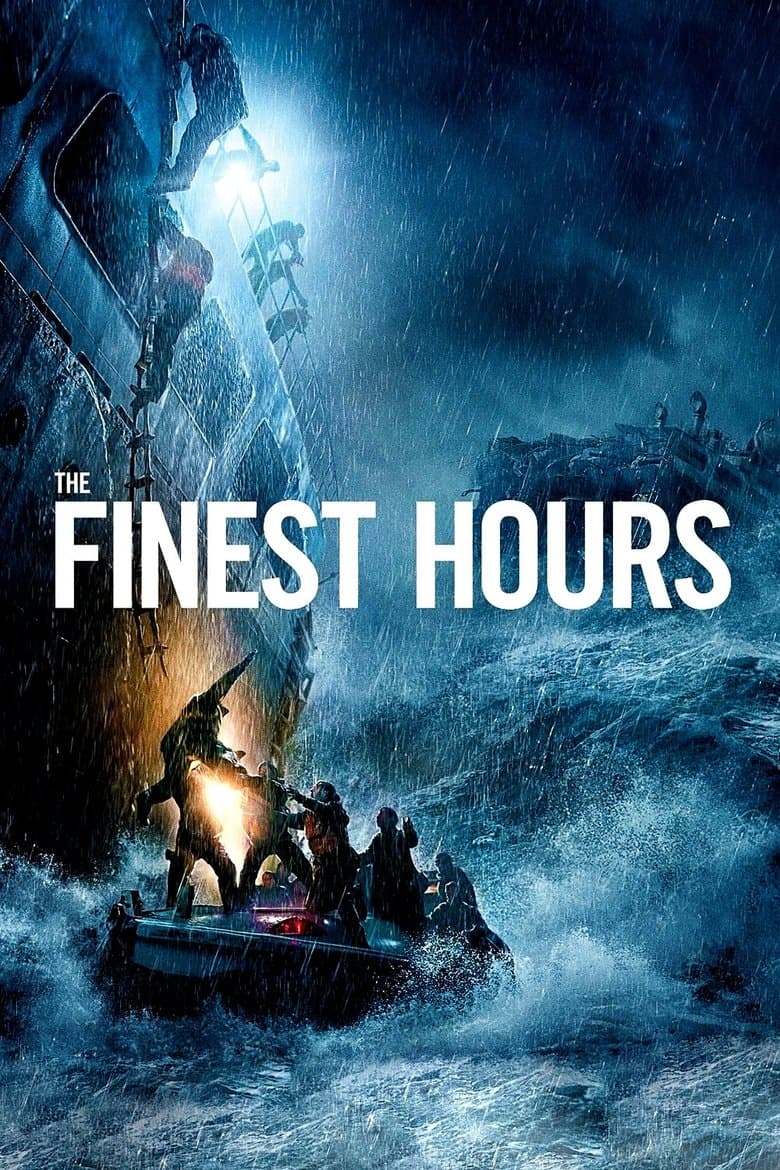
In February 1952, a fierce storm splits the oil tanker SS Pendleton off Cape Cod. Coast Guardsman Bernie Webber and three volunteers take a small motor lifeboat over a dangerous bar to save dozens of crewmen. On the broken ship, engineer Ray Sybert works to keep the stern afloat until help arrives. The film follows this true rescue through duty, seamanship, romance, and survival at sea.
The story centers on man against the sea, reluctant leadership, and a chaste 1950s romance. Miriam is mainly Bernie’s fiancée on land, not a rewritten Coast Guard leader. The U.S. Coast Guard, duty, and small-town mutual aid are shown in a positive light. There is almost no modern identity politics, activist speech, or diversity-first casting in the lead roles. The film reads as an old-fashioned duty drama about courage and a period heterosexual romance.
Community feedback
Was our 7% Woke rating accurate?
Breakdown
These are the editorial factors and ratings behind our score for The Finest Hours.
Woke representation / casting
The main cast fits the 1950s Coast Guard and tanker setting as mostly white men in the lead roles. Non-white seamen such as John Ortiz and Keiynan Lonsdale stay in the background and are not sold as diversity casting. Miriam is the chief female role as Bernie’s fiancée, not a remade institutional boss. There is no lead pattern of a first of a kind identity hero.
8%
Woke political dialogue
Not present. Dialogue centers duty, seamanship, romance, and survival with no modern activist or social-justice speech.
0%
Identity-driven story themes
Not present. Story is man-vs-sea heroism, reluctant leadership, and a chaste 1950s romance, not modern identity messaging.
0%
Western institutional / cultural critique
Not present. Coast Guard, duty, and small-town mutual aid are shown positively without anti-Western or toxic-masculinity framing.
0%
Woke character or canon changes
Not relevant. Dramatization of Miriam’s night is ordinary Hollywood embellishment of a true rescue, not identity rewrites.
0%
Anti-woke backlash and complaints
Not present. No meaningful anti-woke or agenda backlash. Talk focuses on VFX, tone, box office, and historical nitpicks.
0%
Creator track record context
Writer and true-crime maritime profiles are mostly low on identity politics. Gillespie leans more toward class and anti-elite satire than identity themes. Producer Dorothy Aufiero’s Scout and Queer Eye link is the main identity-adjacent credit. That credit does not shape this film’s content.
14%
Production
Movie · 2016
In the aftermath of an unspeakable act of terror, Police Sergeant Tommy Saunders joins courageous survivors, first responders and investigators in a race against the clock to hunt…
Movie · 2021
Jim Hanson’s quiet life is suddenly disturbed by two people crossing the US/Mexico border – a woman and her young son – desperate to flee a Mexican cartel.
Movie · 2016
In the fourth installment of the fighting franchise, Boyka is shooting for the big leagues when an accidental death in the ring makes him question everything he stands for.

Movie · 2017
An American sniper and his spotter engage in a deadly cat-and-mouse game with an Iraqi sniper.
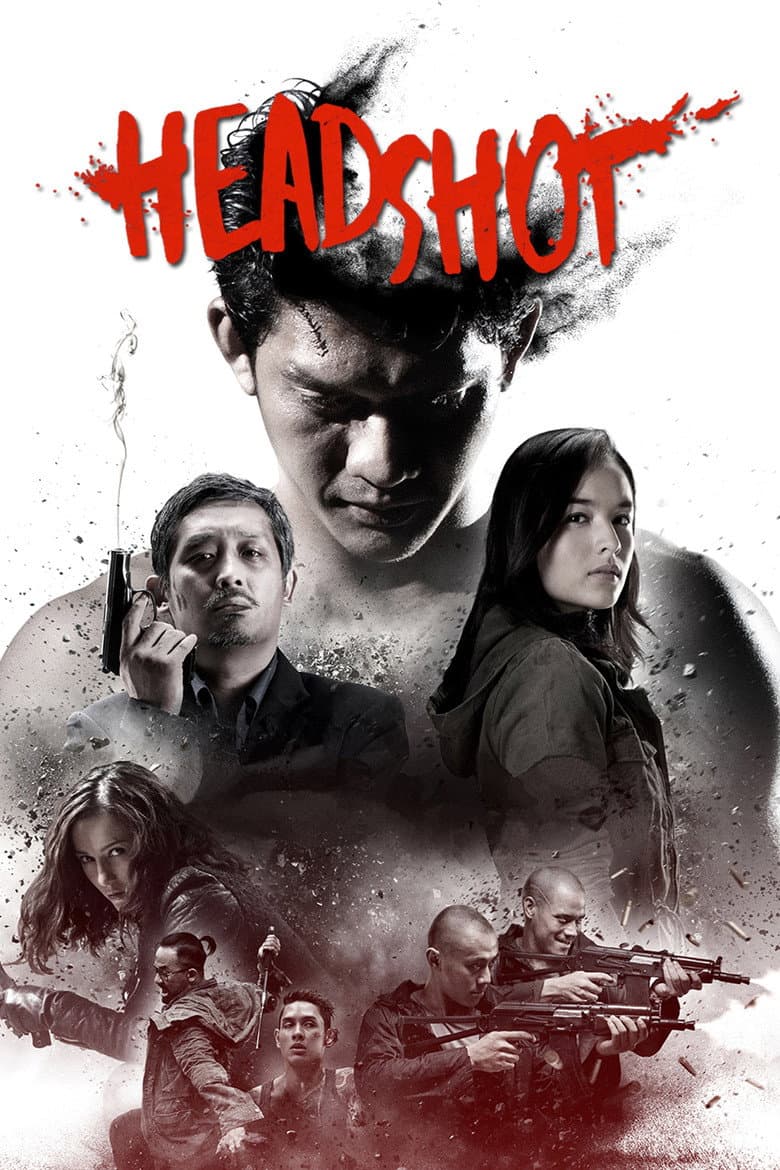
Movie · 2016
A young man washes ashore, his memory gone - but his past comes back to haunt him after he is nursed back to health and his killing ability is needed when he takes on a powerful…
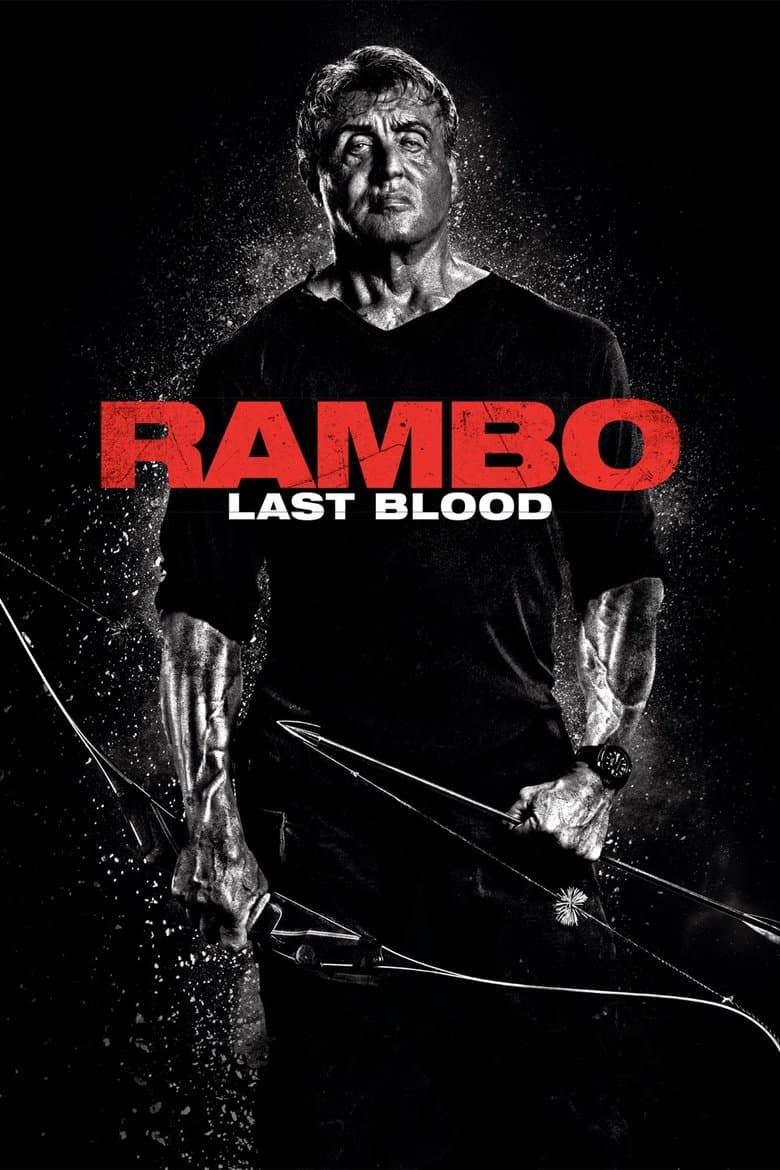
Movie · 2019
After fighting his demons for decades, John Rambo now lives in peace on his family ranch in Arizona, but his rest is interrupted when Gabriela, the granddaughter of his…
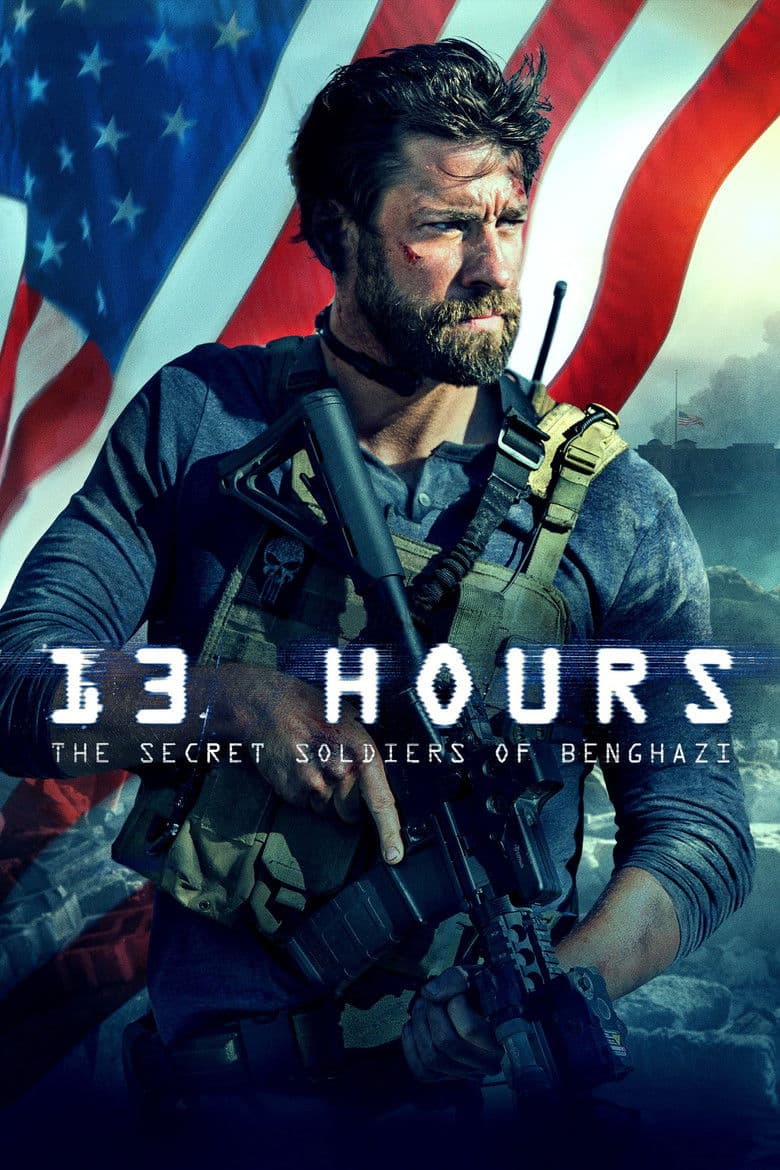
Movie · 2016
An American Ambassador is killed during an attack at a U.S. compound in Libya as a security team struggles to make sense out of the chaos.
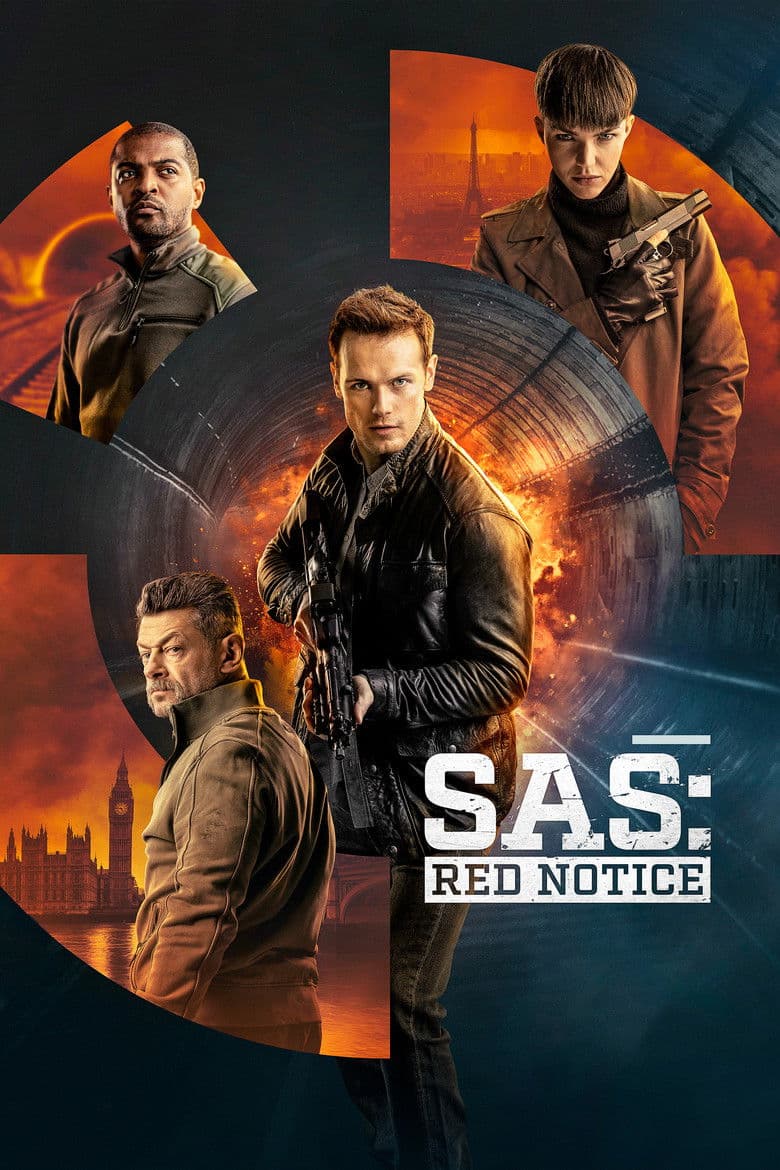
Movie · 2021
An off-duty SAS soldier, Tom Buckingham, must thwart a terror attack on a train running through the Channel Tunnel.
