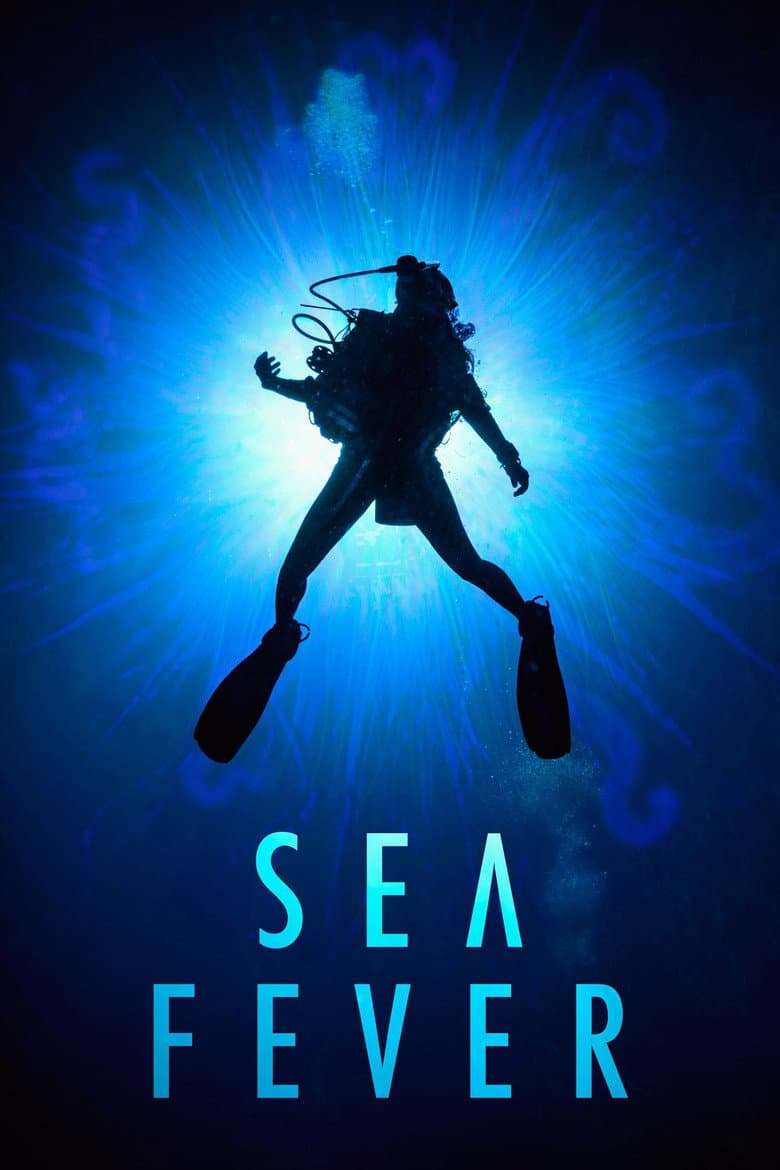
Sea Fever follows Siobhán, a quiet marine biology student who joins a fishing trawler off the west coast of Ireland. The crew enters a forbidden area because they need a large catch, and a huge sea creature grips the boat. Tiny parasites spread through the fresh water, and the crew must choose between reaching land and stopping an outbreak. The film uses a slow, tense tone with body horror, fear, and a bleak view of survival.
Siobhán relies on science while the crew relies on old sea beliefs, and her social distance becomes useful when panic spreads. The story presents her as a highly capable young woman whose careful testing guides the group, while Freya serves as a female captain and Omid works as an equally skilled engineer. The crew must protect both human lives and a little-known sea species, so the film stresses duty to the wider community and respect for nature. The story shows an outsider finding a place in a group and values people who think differently.
Community feedback
Was our 36% Woke rating accurate?
Breakdown
These are the editorial factors and ratings behind our score for Sea Fever.
Woke representation / casting
The film puts a young woman scientist at the center. The crew has three women across different ages, including the co-captain and the cook, plus crew members from different national backgrounds. These are repeated, skilled roles in a small Irish trawler crew, not just background parts. The mix is visible and diversity is part of the film’s stated casting approach, though the modern work setting gives it some story support.
36%
Woke political dialogue
The film repeatedly links survival to responsibility for other people. Siobhán argues that the crew must quarantine instead of carrying the infection to shore. She also talks about invasive species and the danger of treating the ocean as something humans fully control. These points are tied to the crisis and are delivered as moral lessons, but they do not become party politics.
26%
Identity-driven story themes
The film makes Siobhán’s social difficulty a central part of her character. She struggles to read people, yet her careful way of thinking becomes a strength during the outbreak. The crew must learn to trust her even when her manner feels cold or strange to them. The story clearly values people who think differently and shows an outsider finding a place in a group.
34%
Western institutional / cultural critique
The film shows the crew entering a restricted sea area because money is tight and they need a large catch. That choice brings them into contact with a species that human activity may have disturbed. The creature and the damaged ecosystem support a warning about human limits and care for nature. The criticism stays focused on fishing pressure and environmental risk rather than attacking Western culture or a major institution.
24%
Woke character or canon changes
Not relevant. The film uses original characters and does not alter a known character, source, or real event.
0%
Anti-woke backlash and complaints
Not present. The supplied X pass found no anti-woke posts or specific complaints. Reviewed audience and news discussion focused on horror, quarantine, ecology, pacing, and the film’s release.
0%
Creator track record context
Neasa Hardiman’s wider record is mainly television drama and documentaries, with no noted activist or DEI campaign work. The listed casting director and most producers have little public activist evidence. Lesley McKimm’s women-in-film role and Jonathan Feuer’s queer horror credit are limited background signals. The film’s interviews add identity-focused context through Hardiman’s support for inclusivity and a neurodivergent heroine.
15%
Production

Movie · 2020
A couple on a road trip through America encounter a terrifying dark force older than the country itself. An evil that transforms loved ones into someone terrifying, the entity has…

Movie · 2020
When a father is forced to abruptly depart for work, he leaves his children, Aidan and Mia, at their holiday home in the care of his new girlfriend, Grace.
Movie · 2022
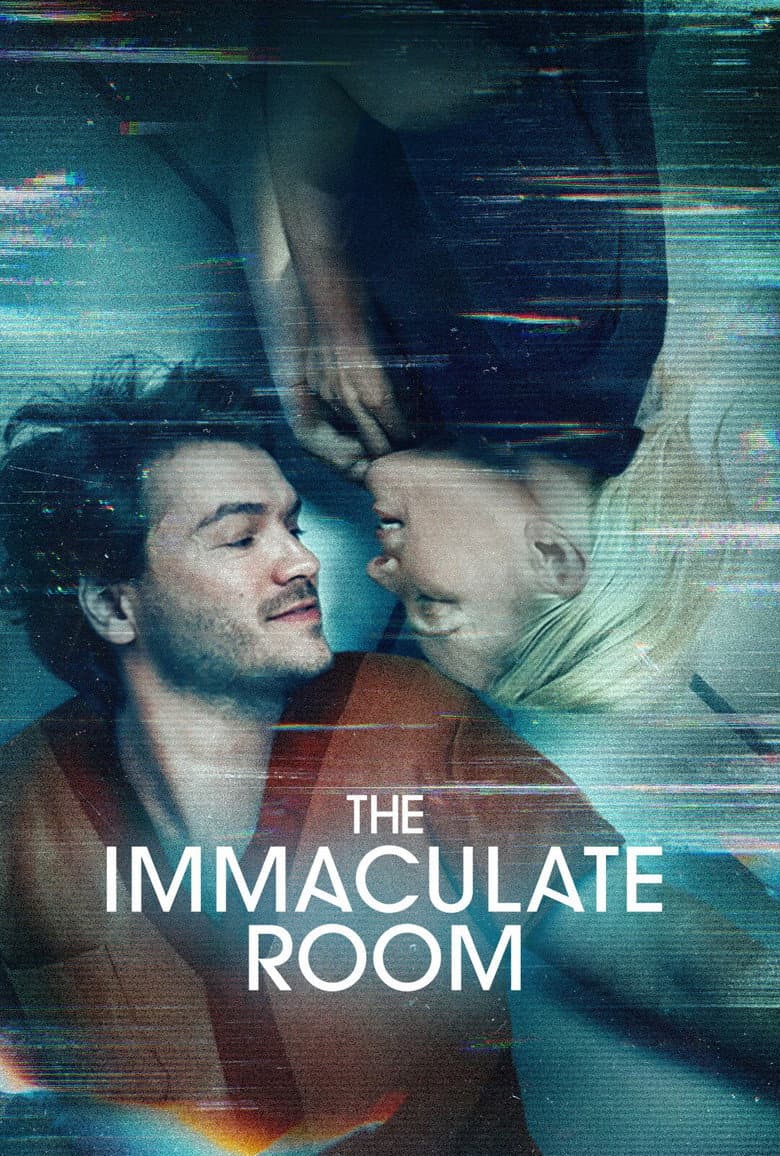
Mike and Kate, a young couple, get the once-in-a lifetime chance to win a cool five million dollars. The challenge: Live for 50 days in a blank space.

Movie · 2016
After a catastrophic car crash, a young woman wakes up in a survivalist's underground bunker, where he claims to have saved her from an apocalyptic attack that has left the…
Movie · 2018
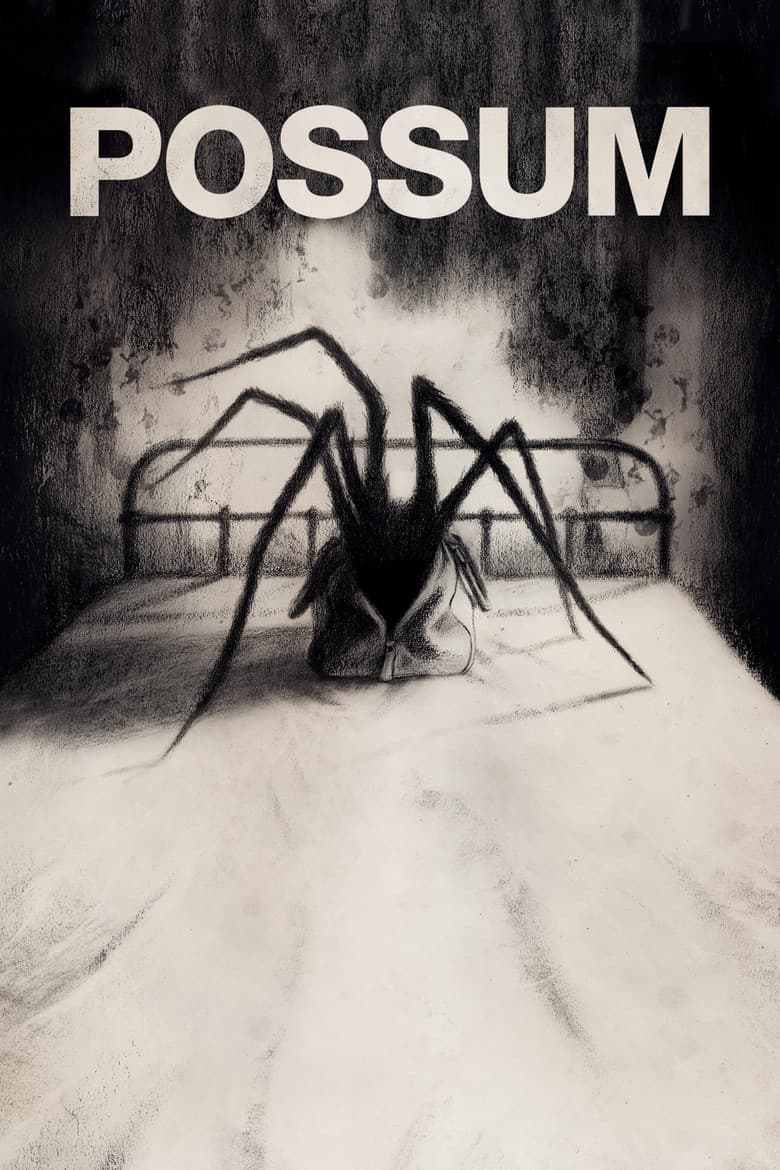
A disgraced children's puppeteer returns to his childhood home and is forced to confront his wicked stepfather and the secrets that have tortured him his entire life.
Movie · 2017
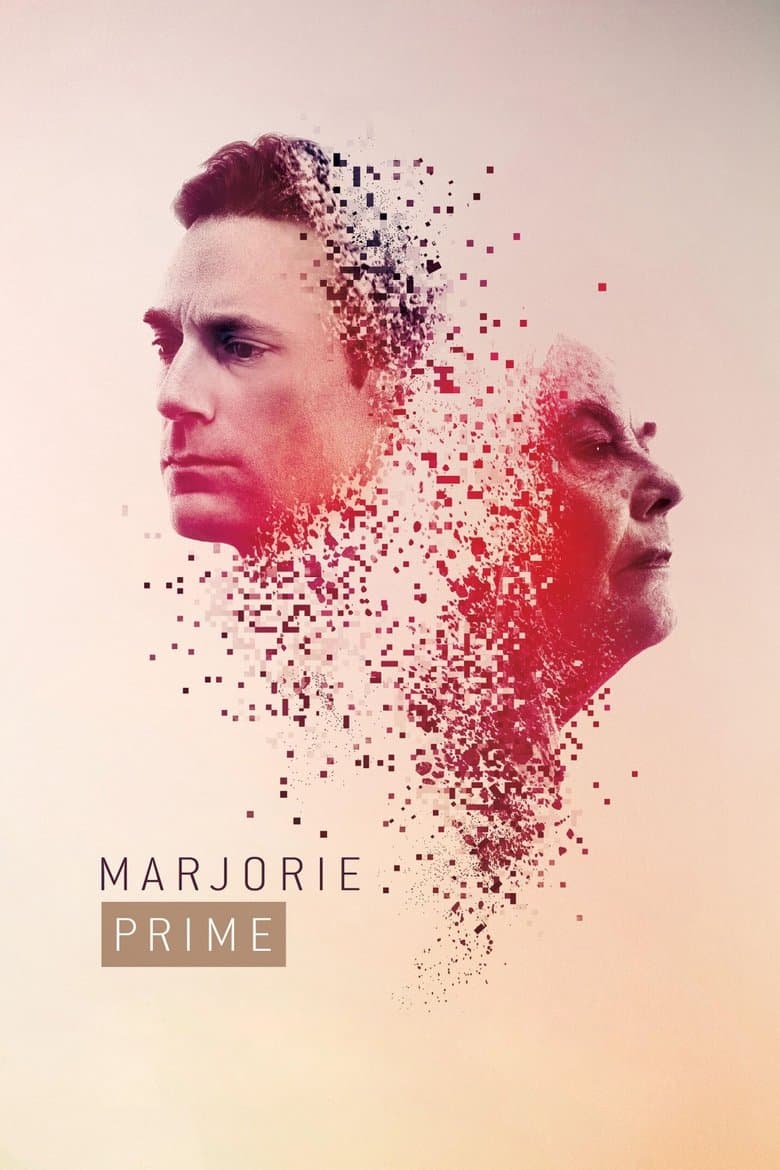
A service which creates holographic projections of late family members allows an elderly woman to spend time with a younger version of her deceased husband.

Movie · 2021
Paranormal investigators Ed and Lorraine Warren encounter what would become one of the most sensational cases from their files.
Movie · 2016
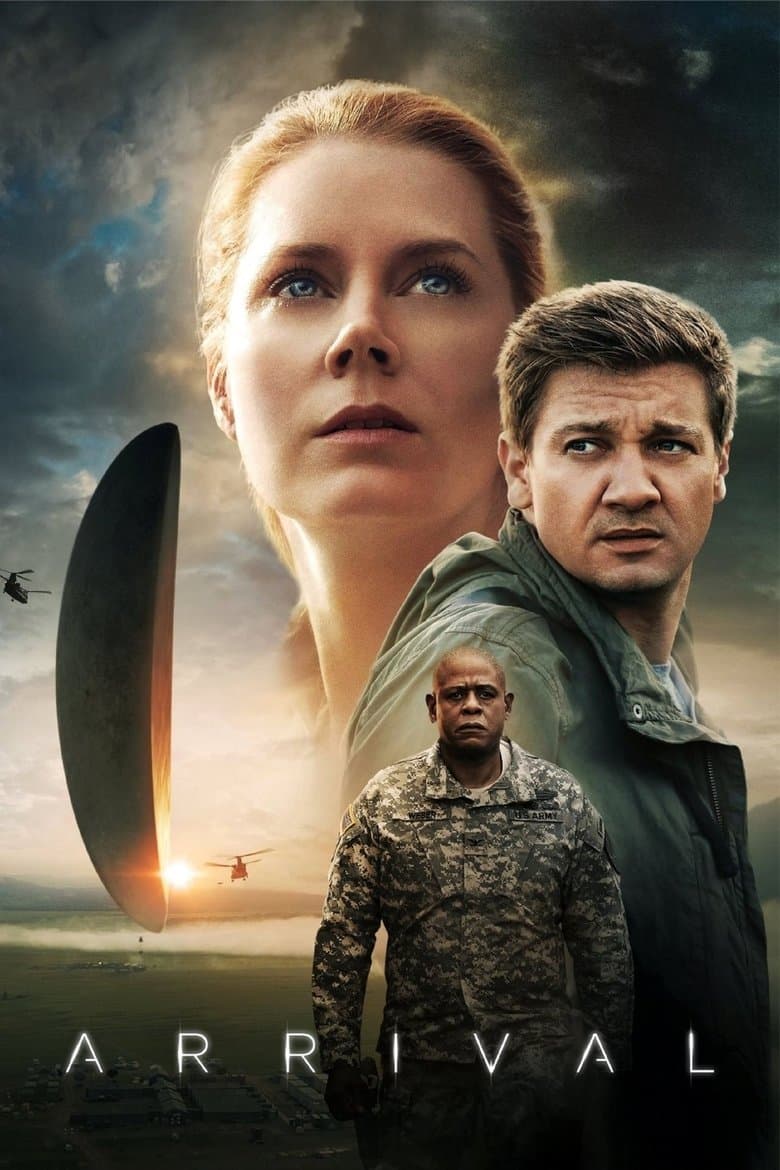
Taking place after alien crafts land around the world, an expert linguist is recruited by the military to determine whether they come in peace or are a threat.
