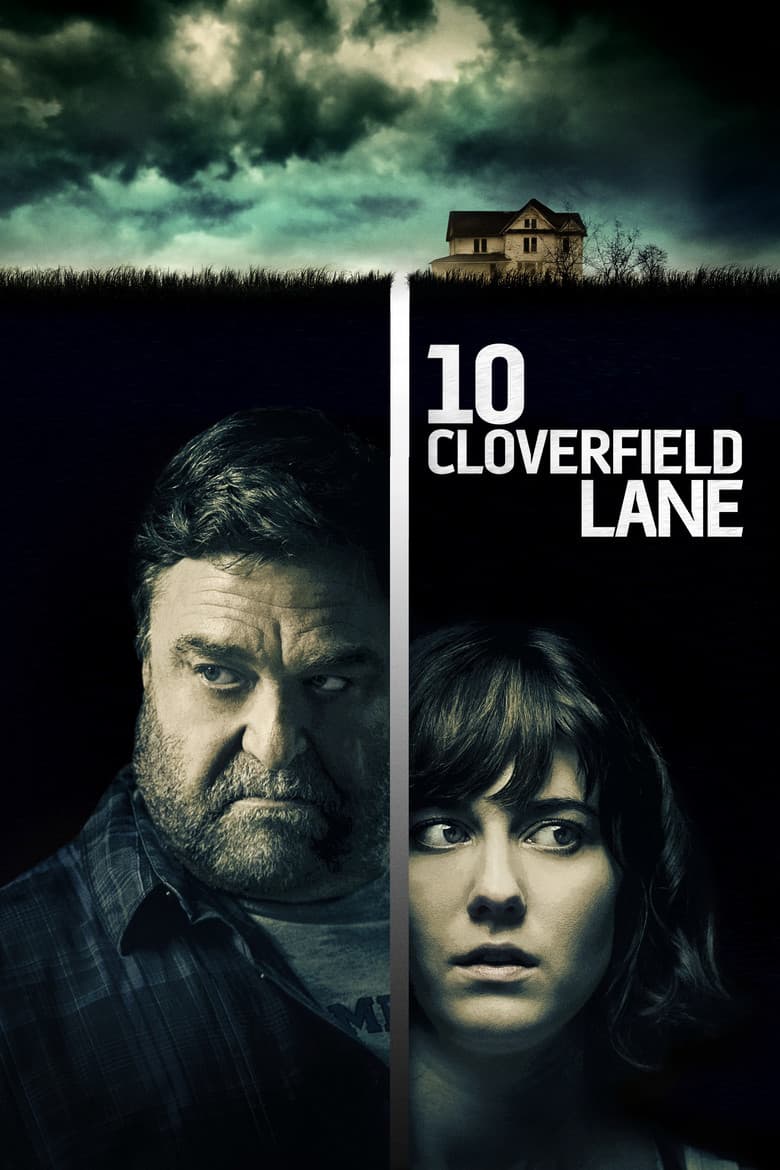
Movie review
March 10, 2016 · 104 min · PG-13 · Horror · Sci-Fi · Thriller · Drama
After leaving her fiancé in New Orleans, Michelle crashes her car on a rural road and later wakes up chained inside an underground bunker. Survivalist Howard tells her he saved her from a catastrophic attack that made the outside world unlivable. Emmett, who helped build the bunker, backs that same story. The movie plays as a tight three-person thriller about trust, control, and escape. When the surface is finally reached, a larger sci-fi danger shows that the threat is not only inside the bunker.
Audience-visible elements sit mainly in Howard’s control over Michelle. He forces gratitude, expects domestic obedience, shows jealousy, and treats her like a stand-in for his daughter. Michelle’s arc moves from flight toward fighting back, using skill and planning instead of waiting to be rescued. Critics and the director have treated the domestic-abuse layer as a real reading of the story. The film is still a captivity thriller first, not a race thesis or queer-identity message movie. Gendered power and abuse subtext matter on screen, but they share the stage with survival tension and sci-fi suspense.
Community feedback
Was our 25% Woke rating accurate?
Breakdown
These are the editorial factors and ratings behind our score for 10 Cloverfield Lane.
Woke representation / casting
The three leads are white in a rural bunker thriller with no race-swap or quota casting. Press and cast talk about a capable female-led everywoman adds only a mild signal. That framing is not the same as engineered diversity casting.
8%
Woke political dialogue
Not present. No activist monologues, DEI slogans, or identity-politics speech.
0%
Identity-driven story themes
The core is still suspense and escape. Howard’s control and Michelle’s fight-back arc make gendered power easy to see. Critics and the director treat the domestic-abuse layer as real. This is not a race or queer-identity thesis film.
30%
Western institutional / cultural critique
Howard models male entitlement and coercive protector authority. The story treats that behavior as monstrous. The critique stays personal and psychopathic more than a broad attack on Western institutions.
22%
Woke character or canon changes
Not relevant. An original Cellar thriller later branded into the Cloverfield anthology, with no identity-driven rewrites of established characters.
0%
Anti-woke backlash and complaints
Not present. Reception was strongly positive for craft. Ending complaints were about aliens feeling tacked on, not a sustained anti-woke campaign.
0%
Creator track record context
Cached creatives for this title mostly score low to moderate. The pattern around the project is genre craft and franchise expansion. It is not activist messaging built around this movie.
14%
Production
Movie · 2016
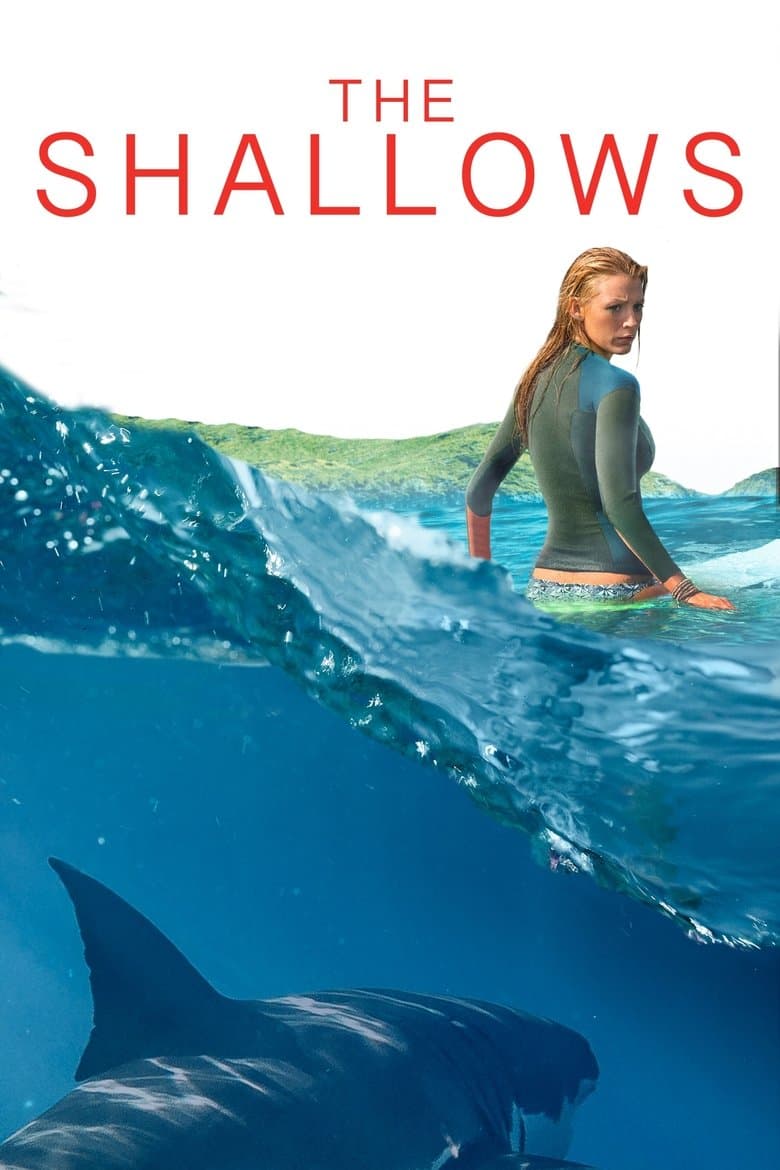
While surfing on a secluded beach, Nancy finds herself in the feeding grounds of a great white shark. Though stranded only 200 yards from shore, survival proves to be the ultimate…
Movie · 2018
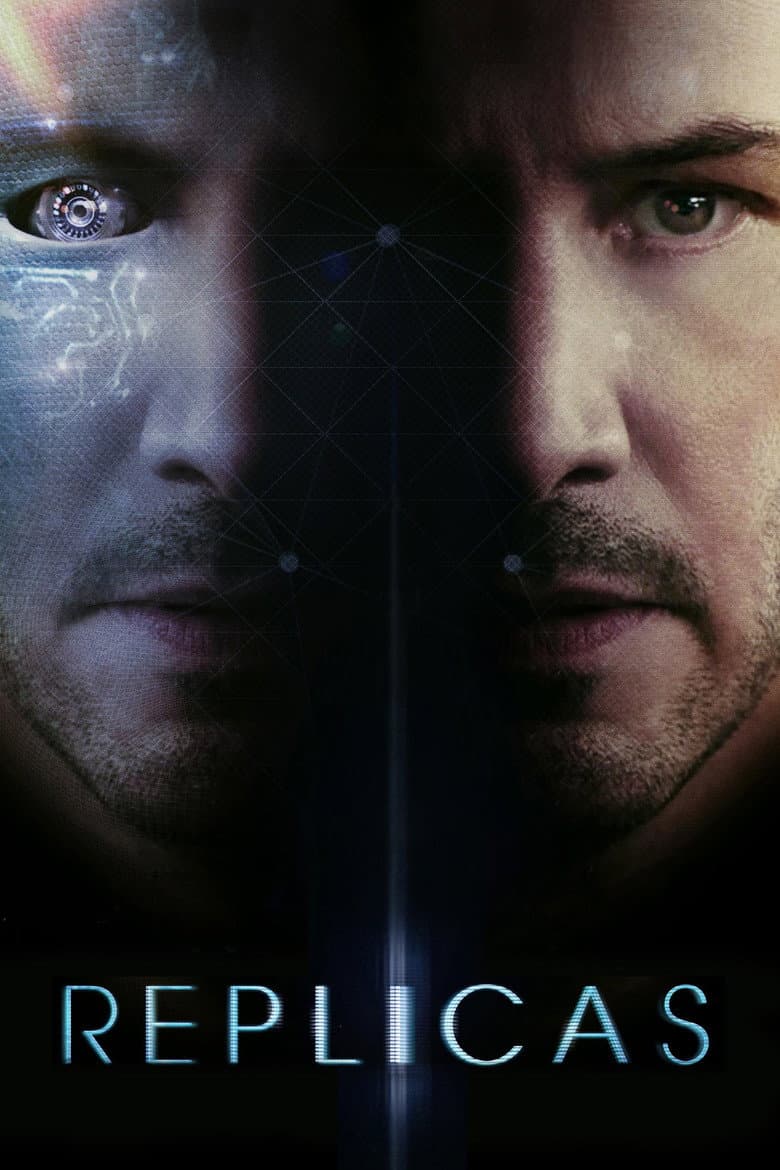
A scientist becomes obsessed with returning his family to normalcy after a terrible accident.
Movie · 2020
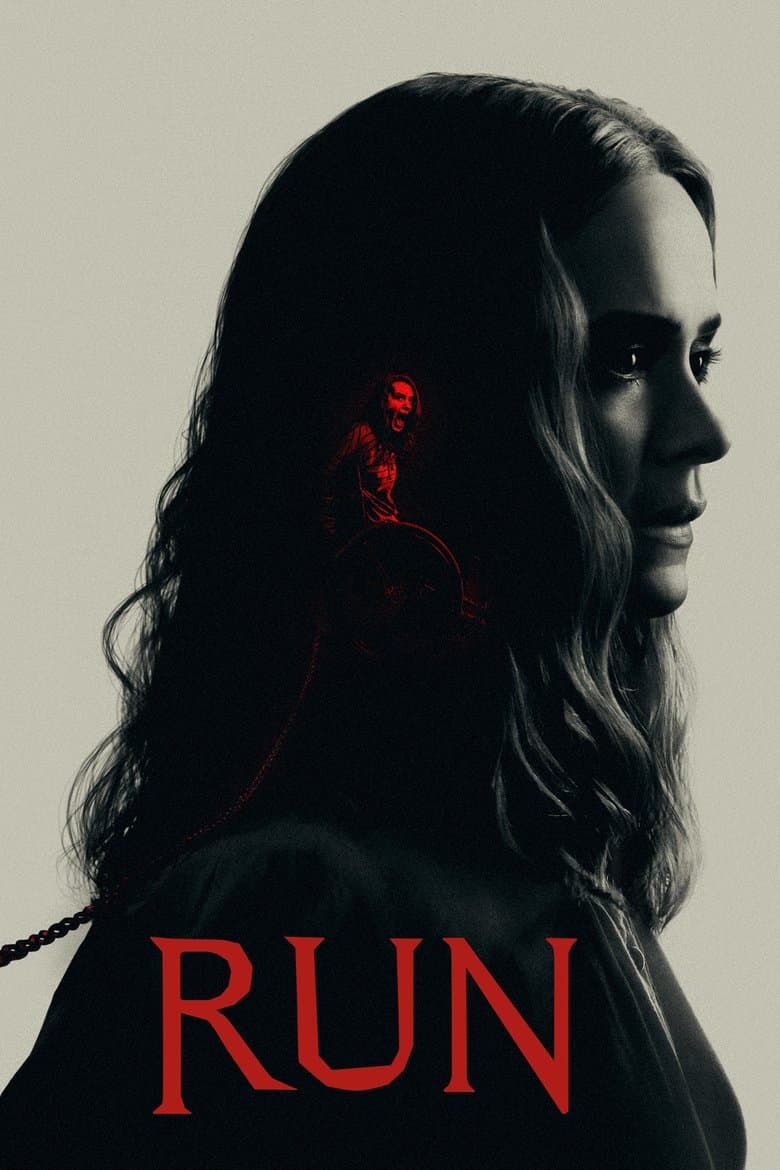
Chloe, a teenager who is confined to a wheelchair, is homeschooled by her mother, Diane. Chloe soon becomes suspicious of her mother and begins to suspect that she may be…

Movie · 2016
A struggling painter is possessed by satanic forces after he and his young family move into their dream home in rural Texas.
Movie · 2016
Following the outbreak of a virus that wipes out the majority of the human population, a young woman documents her family's new life in quarantine and tries to protect her…
Movie · 2018
A family is forced to live in silence while hiding from creatures that hunt by sound.
Movie · 2020
2038: George Almore is working on a true human-equivalent AI, and his latest prototype is almost ready. This sensitive phase is also the riskiest as he has a goal that must be…
Movie · 2018
After waking up to find himself all alone in an apartment where a massive party was being held the night before, Sam is immediately forced to face a terrifying reality: the living…
