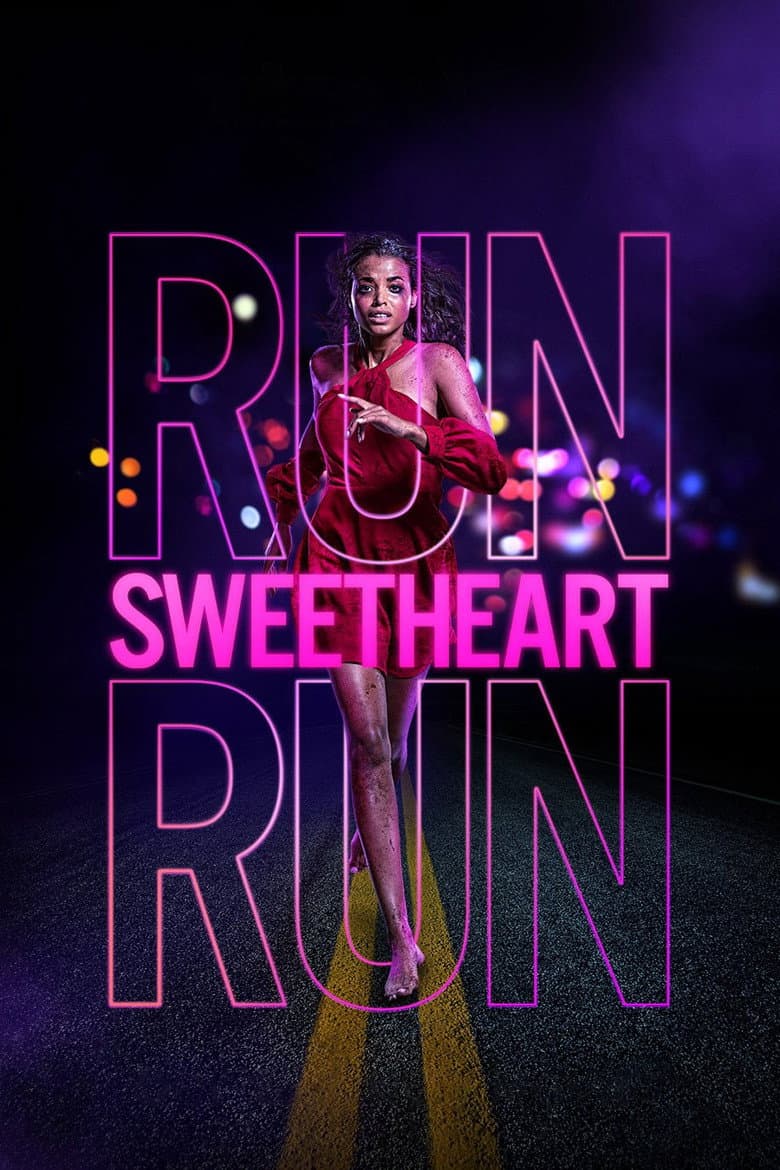
Run Sweetheart Run follows Cherie, a black single mother and law student in Los Angeles. Her boss sends her to meet Ethan, a rich client who seems kind until he attacks her and hunts her through the city. Cherie spends one night trying to stay alive while police, strangers, and people she knows fail to protect her. The film mixes bloody horror, dark jokes, chase scenes, and a strange story about angels and monsters.
The movie makes male control and violence against women its main message. Ethan is a fallen angel who chose to make men rule, while a hidden group of women helps Cherie fight back. The film treats Cherie’s period blood, female strength, and women helping women as important parts of her survival. It also shows workplace sexism, ignored harassment, and police failure, so its identity-driven themes shape the story from the first scenes to the ending.
Community feedback
Was our 84% Woke rating accurate?
Breakdown
These are the editorial factors and ratings behind our score for Run Sweetheart Run.
Woke representation / casting
Cherie is a black single mother and law student who carries the whole story. The film also gives major roles to a visibly diverse group of women who help Cherie. Modern Los Angeles can support a diverse cast, so the casting is not a strong story-world mismatch. Interviews still present the black female lead and a different view of women’s horror as a deliberate part of the film’s identity.
42%
Woke political dialogue
The film repeatedly links Ethan’s power to male rule and the control of women. The First Lady explains that he chose to make men dominant and keep women in their place. The film includes a workplace scene about reporting harassment and whether anything will change. Cherie ends with a clear statement about a new time for women.
48%
Identity-driven story themes
The movie turns a violent date into a story about male control over women. Ethan is a fallen angel who uses his power to make men rule and women stay down. Cherie’s period blood becomes a weapon, and a hidden group of women helps her fight back. The ending treats female strength and women protecting women as the answer to the threat.
80%
Western institutional / cultural critique
The film shows male danger in many parts of Cherie’s life. Men harass her on a bus and at work, while her boss sends her to meet Ethan and downplays the problem. Police arrest Cherie after her attack and accept Ethan’s story. The film makes Ethan’s plan to enforce male control a wider explanation for this failure.
65%
Woke character or canon changes
Not relevant. The film is an original supernatural horror story. It does not adapt established characters, a franchise canon, or a real historical event.
0%
Anti-woke backlash and complaints
Small online reviewers called the film woke, feminist propaganda, or misandrist. Reddit comments objected to the story blaming men, its period-blood idea, and its claim that men rule the world. X posts from Christian Toto and a few small accounts made similar complaints. The reaction was scattered, with no large boycott or review-bombing drive.
34%
Creator track record context
Shana Feste’s stored creator profile shows a repeated female-centered and feminist pattern in her work and public comments. Her stated concerns include sexual assault, male violence, the MeToo movement, and women’s representation. Jason Blum has a smaller political signal, while the other listed producers are mainly commercial genre workers. Feste’s record closely matches this film’s themes, but the full producer group does not show the same level of activism.
55%
Production
Movie · 2017
Though Kevin has evidenced 23 personalities to his trusted psychiatrist, Dr. Fletcher, there remains one still submerged who is set to materialize and dominate all the others.
Movie · 2026
A group of holidaymakers must fight for their lives against a rampaging hippo on the loose after becoming lost in the Louisiana swamplands.
Movie · 2021
A young couple is pushed to the limits of sanity as they attempt to be reunited amid the chaos of a pandemic outbreak.
Movie · 2026
After a young couple witnesses a gruesome highway accident, they soon realize they did not leave the crash scene alone, as a demonic presence called the Passenger that won't stop…
Movie · 2016
An evening of drunken prank calls becomes a nightmare for a pair of teenagers when a mysterious stranger turns their own game against them.

Movie · 2024
A grieving woman in a secluded forest encounters a killer who injects her with a paralytic drug. As her body shuts down, her fight for survival begins.
Movie · 2025
Four years after defeating The Grabber, Finney Blake is struggling with life after captivity. When his younger sister Gwen begins receiving calls in her dreams from the Black…
Movie · 2017
A straight-edged teacher finds trouble when an honors student is willing to do anything to get an A.
