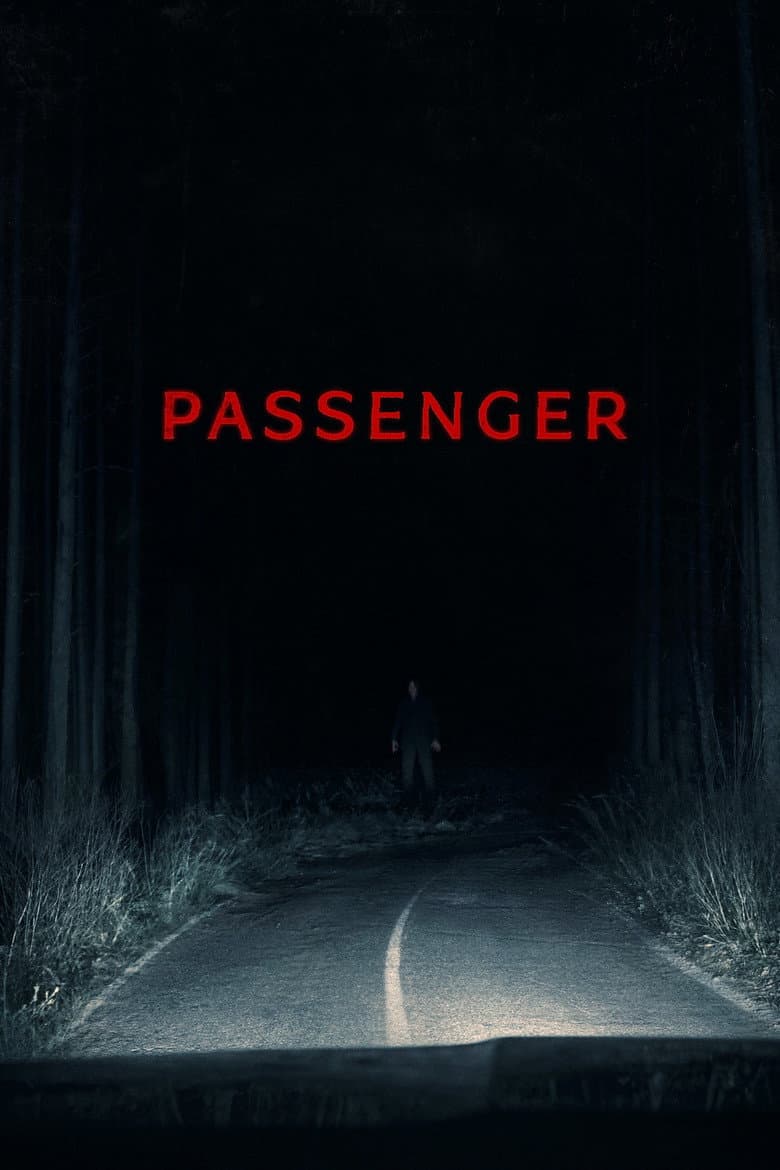
Engaged couple Maddie and Tyler live a modern van life on the road in the United States. They stop at a night highway crash and become marked by a demon known as the Passenger. They must fight it with traveler lore, road superstition, and faith tied to St. Christopher. Their relationship is under strain as fear and attachment pull them between constant travel and the idea of a real home. They survive the ordeal and vow to settle into a conventional home, with Christian sanctuary playing a clear role in how the threat is faced and ended.
Audience-facing progressive politics are almost absent from the movie. The dual leads are a mixed-heritage couple in an ordinary traveler story, and their identities are not treated as the reason the plot exists. There is no activist or DEI dialogue, and the story is not built around race, gender, or queer themes. What viewers see instead is demonic road folklore, relationship conflict, and Christian prayer and holy ground used against the demon. The ending favors settling down rather than modern identity politics, so any soft diversity signal stays mild and secondary to the horror and faith layers.
Community feedback
Was our 8% Woke rating accurate?
Breakdown
These are the editorial factors and ratings behind our score for Passenger.
Woke representation / casting
The dual leads are a mixed-heritage couple in a modern U.S. van-life story, with some multiethnic supporting faces as well. Their specific identities are not justified by the plot or sold as diversity statements. They play ordinary travelers rather than showcase minority leader types. The casting is visible but mild for a contemporary road setting.
12%
Woke political dialogue
Not present. No progressive, DEI, identity, or activist dialogue is reported. Speech centers on relationship strain, road superstition, and St. Christopher prayer and protection lore.
0%
Identity-driven story themes
Not present. Core story is demonic road folklore and a couple’s fear and attachment conflict over home versus constant travel. No race, gender, queer, or DEI-centered plotlines. Resolution favors settling down and Christian sanctuary, not modern identity politics.
0%
Western institutional / cultural critique
Not present. No anti-patriarchy, anti-Christianity, anti-family, or systemic whiteness or capitalism framing. The film uses Christian symbols against a demon and ends with the couple vowing a conventional home. Some critics even called the takeaway conservative rather than progressive.
0%
Woke character or canon changes
Not relevant. This is original supernatural horror, not an identity-driven rewrite of established characters, canon, or historical figures.
0%
Anti-woke backlash and complaints
Not present. No meaningful anti-woke or DEI backlash found. Coverage and fan talk focus on jump-scare quality, thin characters, and mixed opinions on bolted-on religious lore, not accusations of agenda casting or propaganda.
0%
Creator track record context
Key creatives are genre and horror and finance pipeline people with low cached scores. Øvredal is around 10, Burgess and Donohue are around 0, and other producers are mostly single digits to mid-teens. No activist or identity-first pattern is tied to this title.
9%
Production
Movie · 2024
After raising an unnervingly talented spider in secret, 12-year-old Charlotte must face the truth about her pet and fight for her family's survival.
Movie · 2018
A man recently released from a mental institute inherits a mansion after his parents die. After a series of disturbing events, he comes to believe it is haunted.
Movie · 2016
An evening of drunken prank calls becomes a nightmare for a pair of teenagers when a mysterious stranger turns their own game against them.

Movie · 2021
Paranormal investigators Ed and Lorraine Warren encounter what would become one of the most sensational cases from their files.

Movie · 2017
Though Kevin has evidenced 23 personalities to his trusted psychiatrist, Dr. Fletcher, there remains one still submerged who is set to materialize and dominate all the others.
Movie · 2023
Recently fired and desperate for work, a troubled young man named Mike agrees to take a position as a night security guard at an abandoned theme restaurant: Freddy Fazbear's…
Movie · 2018
Following the death of the Leigh family matriarch, Annie and her children uncover disturbing secrets about their heritage.

Movie · 2019
When a huge hurricane hits her hometown in Florida, Haley ignores evacuation orders to look for her father. After finding him badly wounded, both are trapped by the flood.
