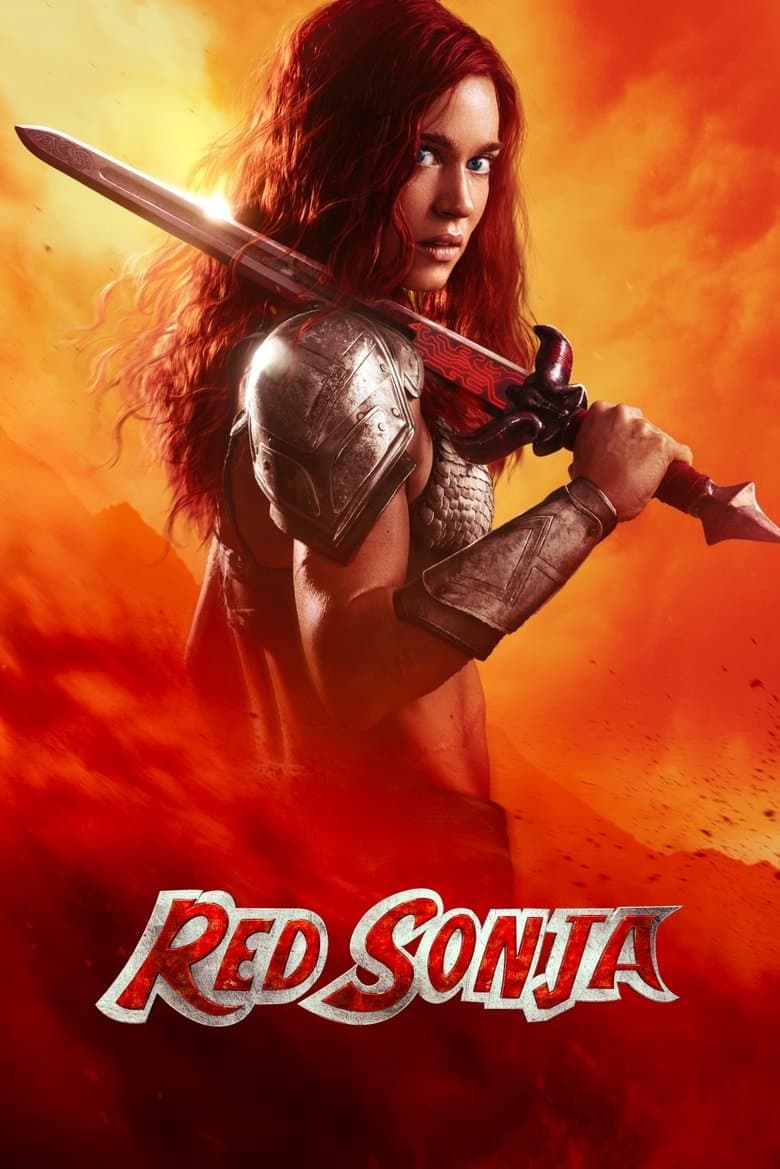
Red Sonja is a sword-and-sorcery adventure set in the Hyborian Age. As a child, Sonja watches her Hyrkanian home fall to raiders, then grows up alone in a forest with her horse. Emperor Draygan captures her and forces her into brutal arena fights while he searches for lost knowledge that can help him rule the world. Sonja joins other prisoners, escapes, and returns with an army to stop him and his warrior partner, Annisia.
The film makes Sonja's survival, freedom, and control over her own body the center of its heroine story. It removes the older rape-based origin and treats the chainmail bikini as a punishment forced on her by the emperor before Sonja turns it into a sign of defiance. Sonja and Annisia are the main fighters on opposite sides, and the film presents their lives as two ways to respond to slavery and violence. The story also praises living with nature and condemns poaching, endless resource use, and killing animals while keeping a serious fantasy action tone.
Community feedback
Was our 68% Woke rating accurate?
Breakdown
These are the editorial factors and ratings behind our score for Red Sonja.
Woke representation / casting
The film gives the lead, the main enemy warrior, the forest goddess, and several other important roles to women. Sonja and Annisia are the two main fighters, and both are shown as highly capable. A few supporting roles are played by actors of color, but race is not a story topic. Interviews and promotion call the film women-empowered and different from a male-gazed version.
38%
Woke political dialogue
The film has direct lines against slavery, endless resource use, and the killing of animals. Sonja also says that Draygan only replaced one tyrant with another. The movie does not connect these ideas to current parties, racial groups, or modern political movements, so the dialogue has a mild activist edge.
18%
Identity-driven story themes
Sonja's main arc is about a woman surviving enslavement, choosing her own path, and becoming the leader who frees others. The film makes another woman, Annisia, the main warrior on the enemy side, so female strength shapes both sides of the conflict. The story removes Sonja's older rape-based origin and turns the bikini into a control tool that Sonja later claims for herself. The film presents this as a more empowered version of the heroine, making female agency important to the whole story.
50%
Western institutional / cultural critique
The film shows hunters killing forest creatures for profit and treats the forest as a shared home rather than private property. The final argument condemns Draygan for slavery, endless resource use, animal killing, and replacing one tyrant with another. The film also questions whether new machines and knowledge automatically make a ruler good. These ideas target a fantasy emperor and environmental abuse, not modern Western institutions, religion, or family life.
28%
Woke character or canon changes
The film changes Sonja's well-known origin by removing the sexual assault that once drove her revenge. It gives her a family-loss, forest-survival, and enslavement story instead. The film also changes the meaning of the chainmail bikini by showing the emperor force it on her as bad armor before she uses it with confidence. These changes were publicly described as leaving behind the old male-gaze version, so the adaptation makes a clear identity-focused rewrite of the established character.
56%
Anti-woke backlash and complaints
Anti-woke accounts called the film a girl-boss failure and attacked Lutz's comments about the comics' male gaze and female empowerment. Nerdrotic used girl-boss framing, while smaller channels called the film woke-feminist or a feminist fantasy. The supplied X pass found real reach but no organized boycott or clear review-bomb drive. Other viewers said the finished film was not very woke, so the reaction was mixed.
36%
Creator track record context
Writer Tasha Huo has a stated focus on diversity and strong female leads. Director M.J. Bassett has an environmental advocacy record and described this film as a personal version of Sonja, while also saying she wanted to avoid a simple men-versus-women story. Robert E. Howard's source work includes strong female warriors but comes from an older period with racial stereotypes. The large producer group has little activist history, so the creator context is mixed rather than uniform.
44%
Production
Movie · 2021
Washed-up MMA fighter Cole Young, unaware of his heritage, and hunted by Emperor Shang Tsung's best warrior, Sub-Zero, seeks out and trains with Earth's greatest champions as he…
Movie · 2026
The fan favorite champions—now joined by Johnny Cage himself—are pitted against one another in the ultimate, no-holds barred, gory battle to defeat the dark rule of Shao Kahn that…
Movie · 2022
Prince Amleth is on the verge of becoming a man when his father is brutally murdered by his uncle, who kidnaps the boy's mother.
Movie · 2021
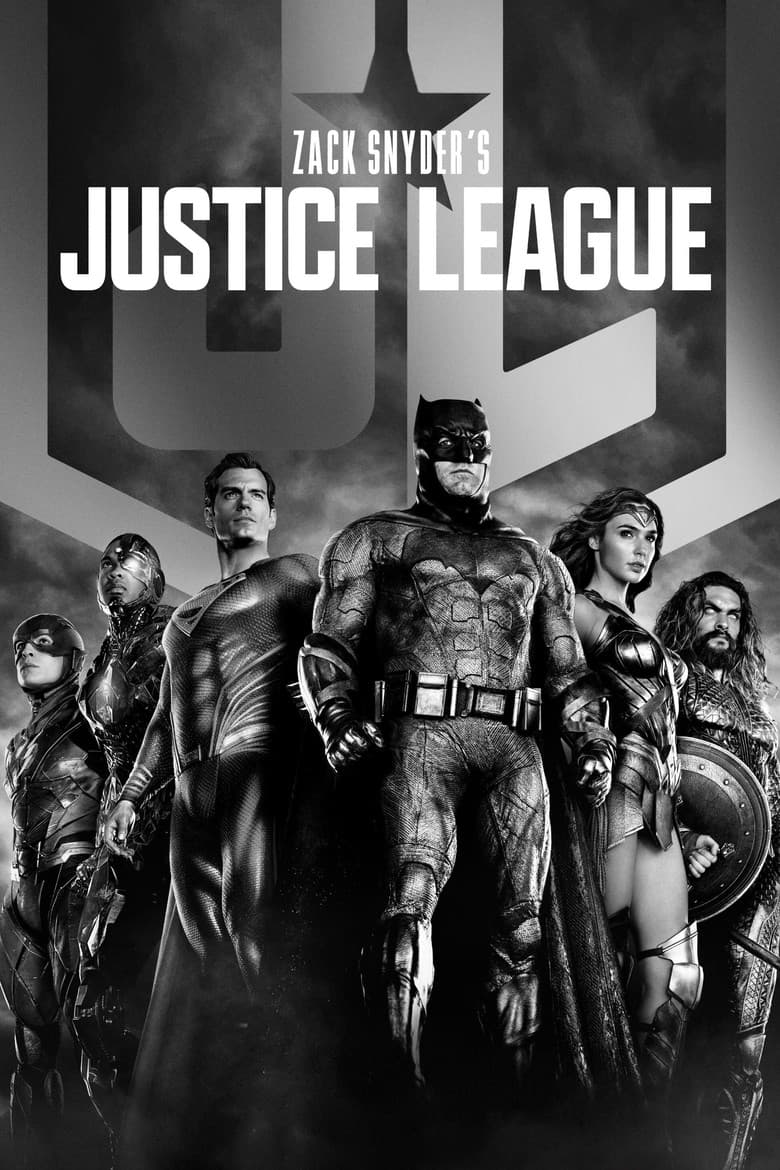
Determined to ensure Superman's ultimate sacrifice was not in vain, Bruce Wayne aligns forces with Diana Prince with plans to recruit a team of metahumans to protect the world…
Movie · 2020
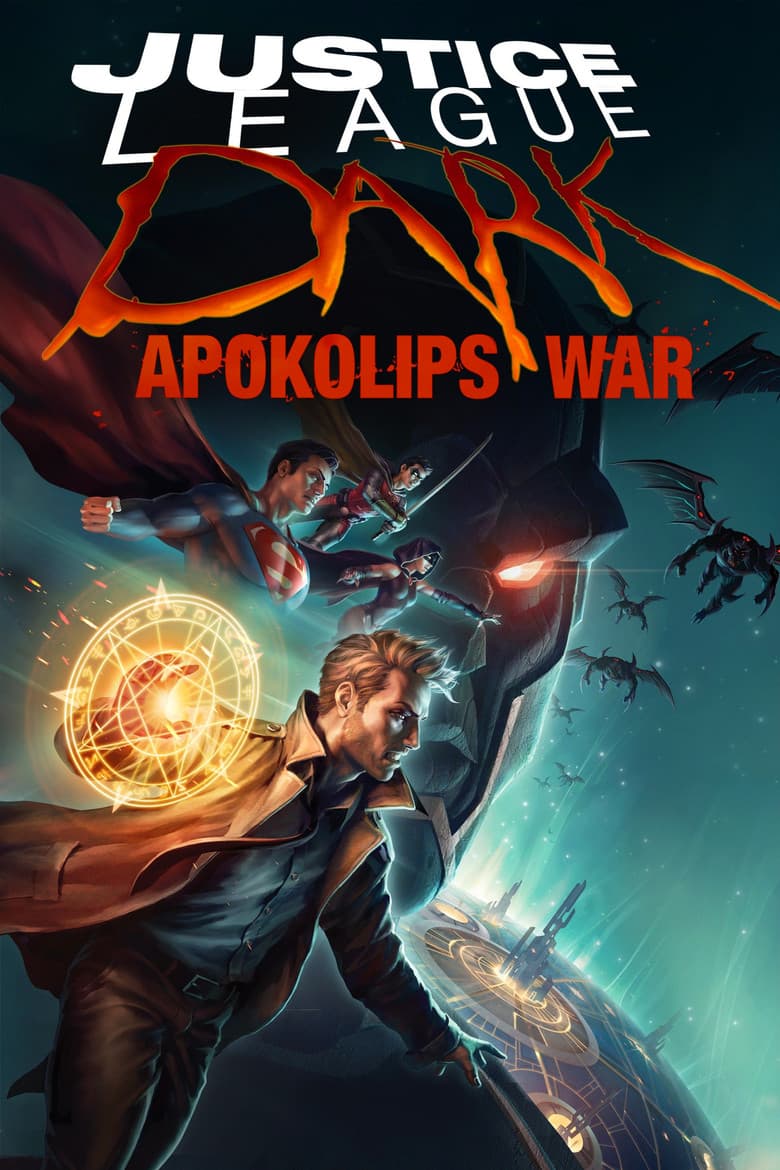
Earth is decimated after intergalactic tyrant Darkseid has devastated the Justice League in a poorly executed war by the DC Super Heroes.
Movie · 2017
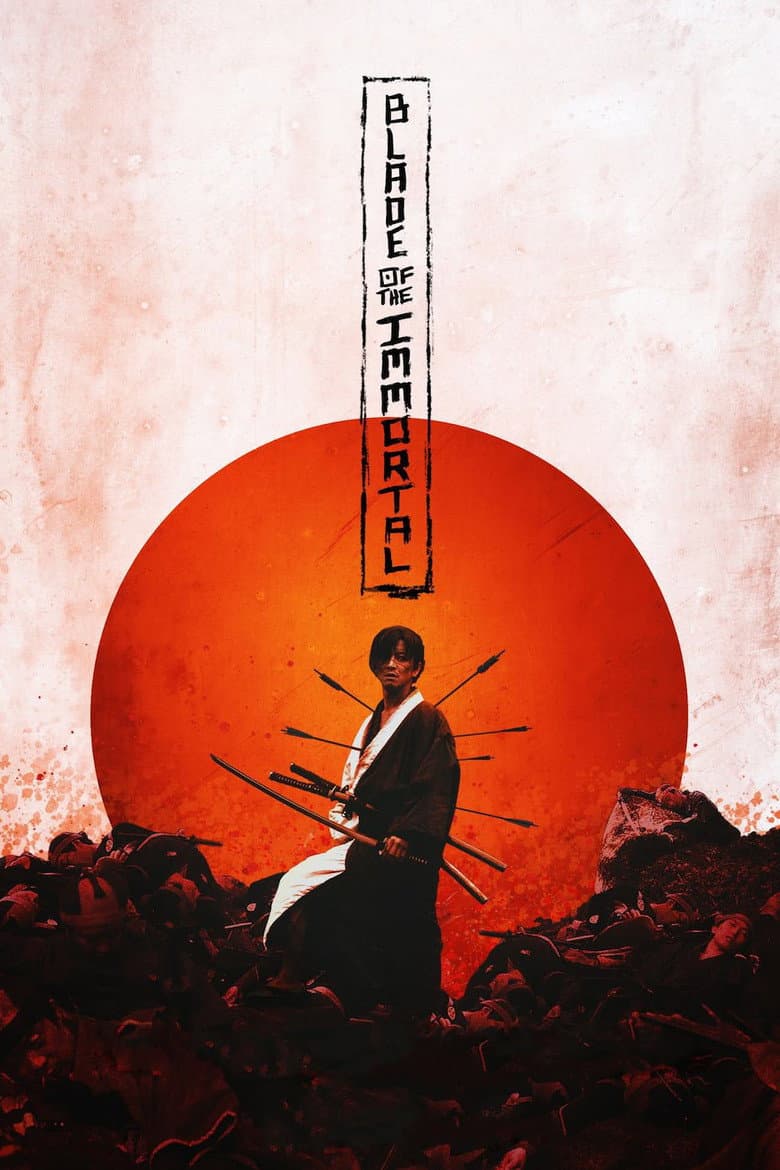
Manji, a highly skilled samurai, becomes cursed with immortality after a legendary battle. Haunted by the brutal murder of his sister, Manji knows that only fighting evil will…
Movie · 2023
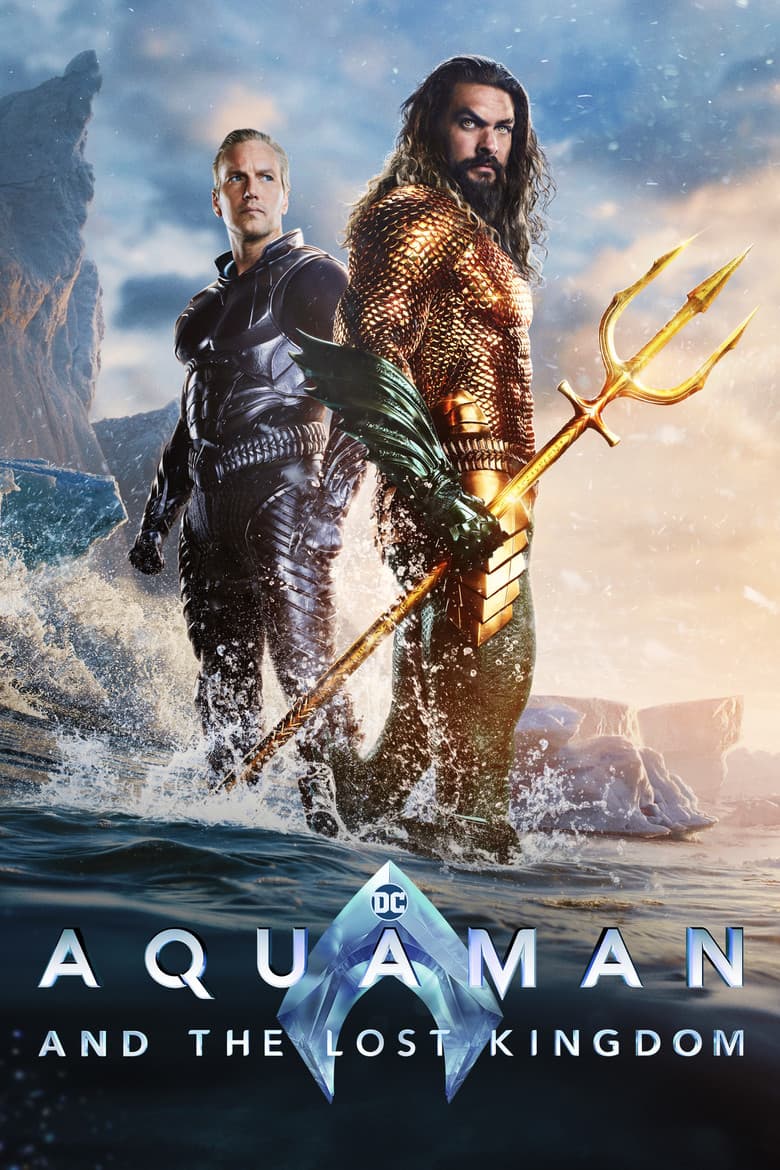
Black Manta seeks revenge on Aquaman for his father's death. Wielding the Black Trident's power, he becomes a formidable foe.
Movie · 2018
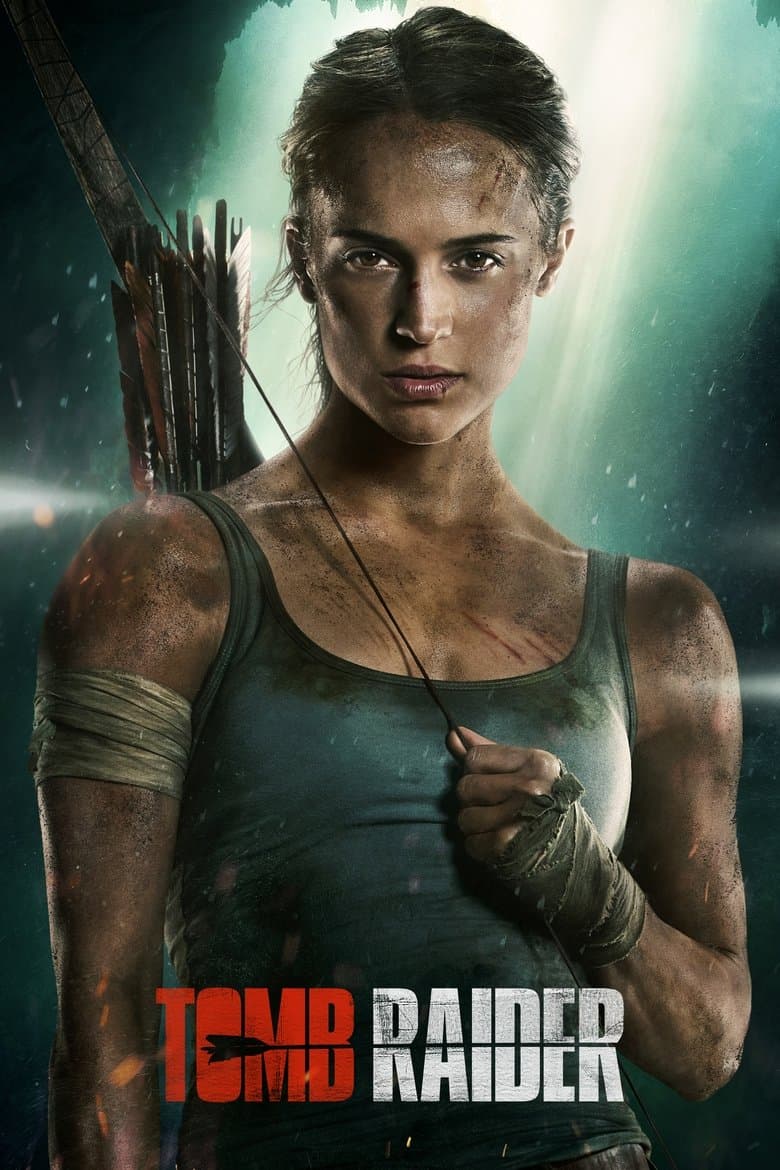
Lara Croft, the fiercely independent daughter of a missing adventurer, must push herself beyond her limits when she finds herself on the island where her father disappeared.
