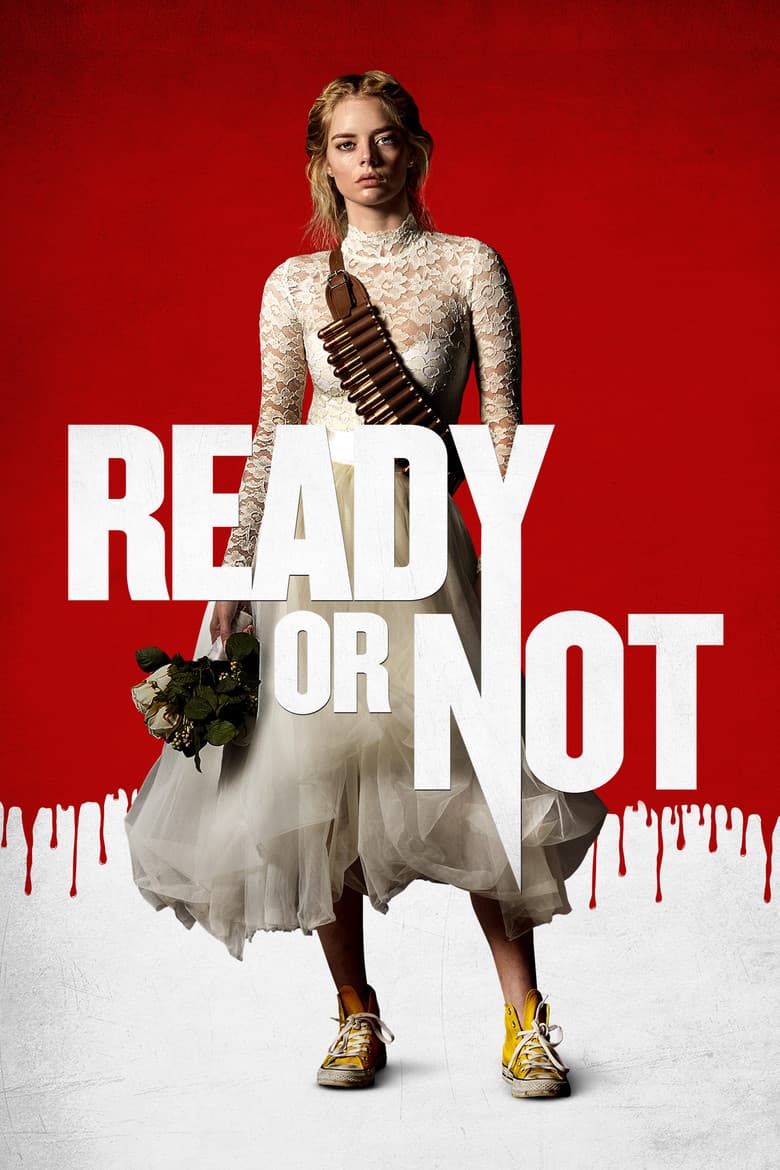
Grace, a young bride with a rough childhood, marries Alex Le Domas and joins his very rich family. In their huge, dark mansion, the family makes her draw a card from an old wedding game. She gets Hide and Seek and learns that her new relatives plan to hunt and kill her before sunrise. The movie mixes bloody horror, sharp jokes, and a fast chase through rooms, tunnels, and grounds.
The clearest woke elements are a strong female survivor, a modern female-empowerment message, and open anger at inherited wealth. Grace stays active and clever while many men in the family are weak, selfish, or trapped by old family rules. Her torn wedding dress becomes part of her fight, and her escape is treated as a victory over a marriage and family system that tried to own her. The film also uses an angry “eat the rich” message, but it does not build its story around race, LGBTQ identity, or a wider diversity campaign.
Community feedback
Was our 52% Woke rating accurate?
Breakdown
These are the editorial factors and ratings behind our score for Ready or Not.
Woke representation / casting
The film puts a white woman in the main action role, and interviews present Grace as a strong modern heroine instead of a helpless bride. Her race fits the wealthy family shown on screen, and the cast does not show a diversity-first pattern. The identity signal comes from the female-empowerment framing around the lead, not from race or a forced cast mix.
15%
Woke political dialogue
Grace calls the family “fucking rich people” after the final attack. The family repeatedly talks about protecting its fortune and keeping its place. Those lines make the class message easy to notice, but they are tied to this family’s crimes. The movie has no repeated speeches about race, gender, DEI, or current activist causes.
24%
Identity-driven story themes
Grace is written as a capable bride who makes quick choices and fights back instead of waiting for rescue. The story gives her the main action while Alex and many male family members are weak, selfish, or trapped by old family rules. Her ruined wedding dress becomes a tool in the fight, and her escape is treated as a victory over a family that tried to own her. Interviews with Weaving and the directors openly present her as a strong modern heroine, which supports the film’s clear female-empowerment framing.
58%
Western institutional / cultural critique
The movie presents marriage as a doorway into a harmful family system. The Le Domas family protects tradition, inheritance, and status even when that means murder. Grace escapes the system, while Alex must choose between family loyalty and his wife. The story mocks old rich-family customs and inherited power, but it does not attack Christianity or offer a broad political plan.
44%
Woke character or canon changes
Not relevant. The movie is an original story, not a remake or adaptation of established characters, canon, or real events.
0%
Anti-woke backlash and complaints
One small film critic called the film’s eat-the-rich and girl-power tone cloying and said it felt like writing for a white feminist audience. The account had little reach, and the complaint did not grow into a campaign. Other posts either praised the film, called it not woke, or listed it in feminist horror discussions without a campaign. Public search showed no boycott or large-account anti-woke push.
12%
Creator track record context
Matt Bettinelli-Olpin and Tyler Gillett have cached scores of 12 each, and the writers Guy Busick and R. Christopher Murphy score 11 each. Most producers also have low cached scores, although Daniel Bekerman scores 55 and Tracey Nyberg scores 29. Laura Hokstad has a queer and feminist public profile, but her work here was in art direction rather than the film’s main writing or directing. This gives the film some progressive context, but not a strong creator pattern.
24%
Production

Movie · 2026
Moments after surviving an all-out attack from the Le Domas family, Grace discovers she’s reached the next level of the nightmarish game — and this time with her estranged sister…
Movie · 2020
Two years after defeating a satanic cult led by his babysitter Bee, Cole's trying to forget his past and focus on surviving high school.
Movie · 2024
A family's vacation to a remote getaway takes an unexpected turn when they discover the present-day implications of the island's cannibalistic past.

Movie · 2019
Columbus, Tallahassee, Wichita, and Little Rock move to the American heartland as they face off against evolved zombies, fellow survivors, and the growing pains of the snarky…
Movie · 2019
A driving instructor must use her other-worldly gifts to save a lonely man’s daughter from a rock star looking to use her for Satanic purposes.
Movie · 2026
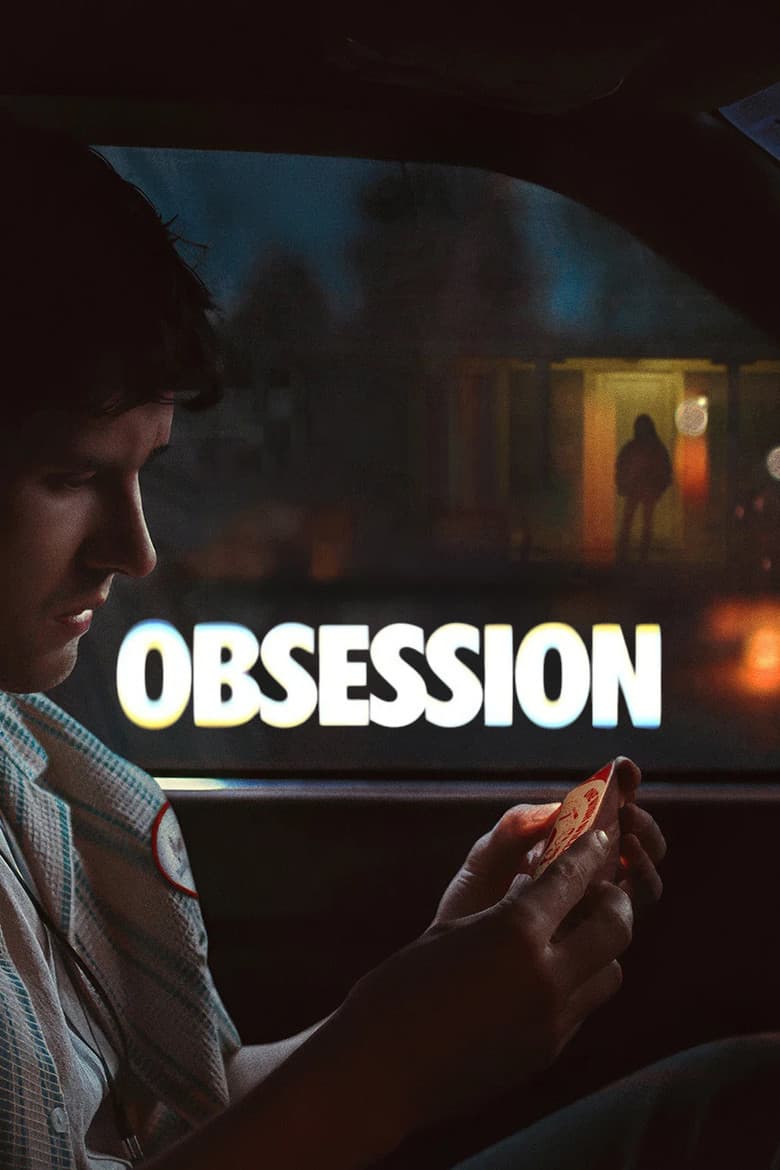
After breaking the mysterious "One Wish Willow" to win his crush's heart, a hopeless romantic finds himself getting exactly what he asked for but soon discovers that some desires…
Movie · 2018
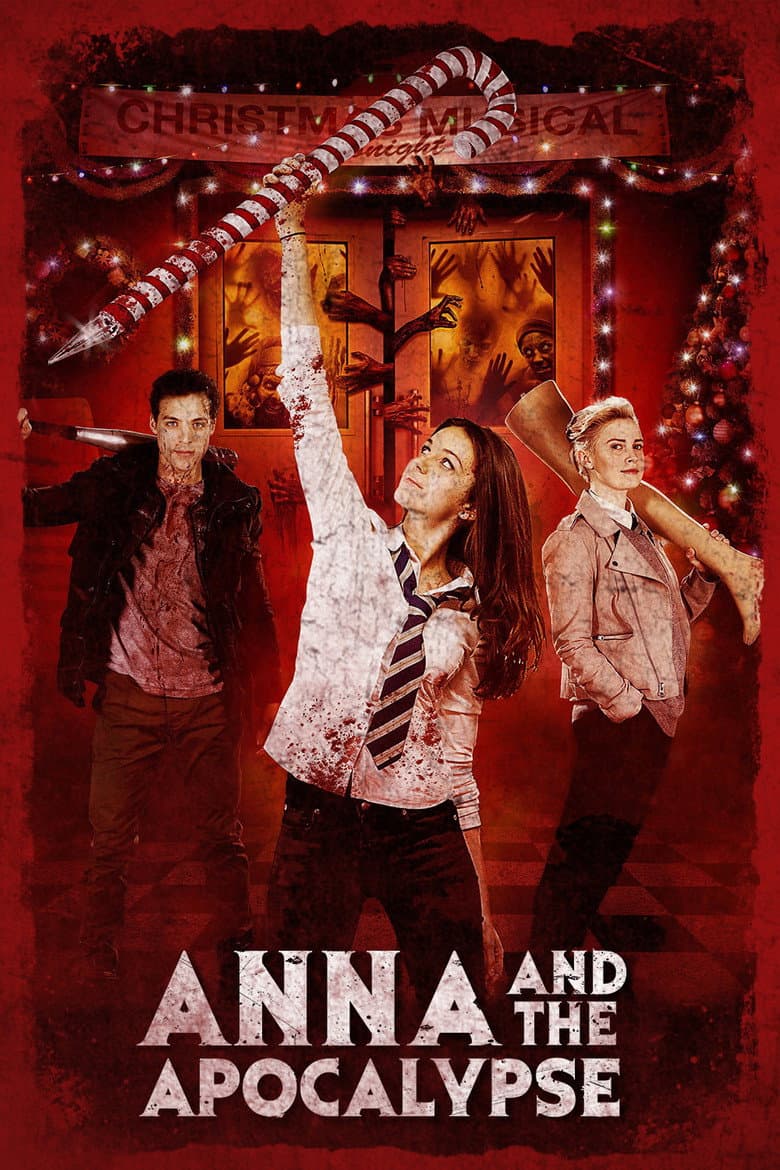
A zombie apocalypse threatens the sleepy town of Little Haven—at Christmas—forcing Anna and her friends to fight, slash, and sing their way to survival.

Movie · 2018
Fans flock to a festival celebrating the most iconic horror movies, only to discover that the charismatic showman behind the event has a diabolical agenda.
