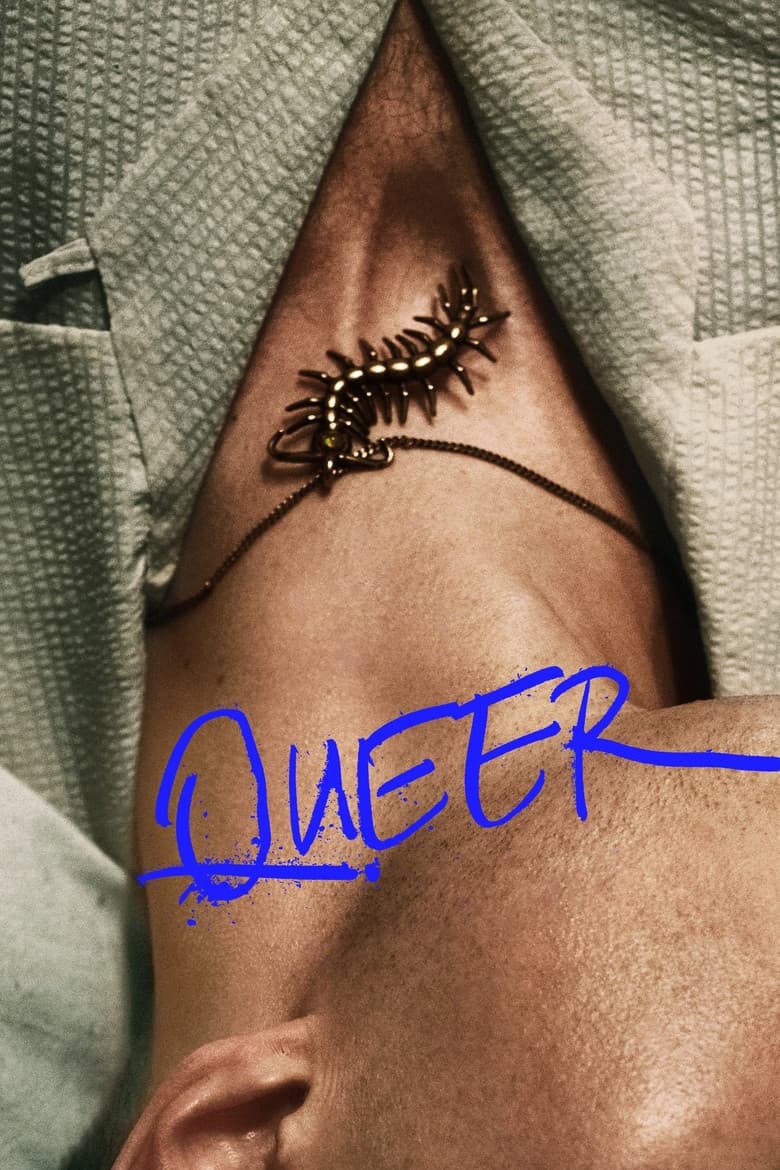
In 1950s Mexico City, William Lee is a lonely American writer who spends his days drinking, using drugs, and chasing brief affairs. He lives among other American men but still feels cut off from real love. When Eugene Allerton, a younger former soldier and student, arrives, Lee becomes fixed on him. Lee tries to turn a tense attraction into a close relationship, and the story later sends both men into the South American jungle in search of a drug said to let people read minds. The tone is sad, strange, sensual, and often dreamlike.
The movie makes gay desire the center of its story, not a side detail. Lee wants Eugene to return his feelings, while Eugene keeps his own wishes unclear and says he is not queer. Their bond includes direct sexual scenes, jealousy, drinking, drug use, and painful loneliness. The jungle trip turns Lee's wish for emotional closeness into a strange search for a drug that might let the men share their minds. The story treats queer love and sexual freedom as serious human concerns, while showing how shame, fear, and the need to hide can damage a person's search for connection.
Community feedback
Was our 84% Woke rating accurate?
Breakdown
These are the editorial factors and ratings behind our score for Queer.
Woke representation / casting
The film places a gay romance between two men at the center of the screen. Daniel Craig plays William Lee, and Drew Starkey plays Eugene Allerton, so queer desire is carried by the two main roles rather than a side character. The film also gives Lee a small gay male circle and shows male intimacy and sex openly. The casting does not show a forced race or gender mix, but the identity focus is still constant and highly visible.
84%
Woke political dialogue
Not present. The characters do not give modern activist speeches or argue about laws, parties, or political programs. They talk about desire, loneliness, sex, drugs, and love instead.
0%
Identity-driven story themes
The story is built around William Lee's same-sex desire and his need for love from Eugene. Lee's fear, shame, obsession, and hope shape almost every major choice. The film shows explicit sex between men and follows Lee's search for a drug that he believes can create a deeper mental link with Eugene. The central conflict is whether desire can become real connection, so the queer identity element is dominant.
96%
Western institutional / cultural critique
Not present. The film does not make a repeated modern activist attack on capitalism, religion, family, patriarchy, or Western institutions. It shows a 1950s gay man hiding his desires, but that is part of his personal struggle and the period setting.
0%
Woke character or canon changes
Not relevant. The film adapts William S. Burroughs's unfinished novella and adds material to complete its ending. It does not change an established character's identity or turn the source into a representation-first rewrite.
0%
Anti-woke backlash and complaints
A few small or anonymous X accounts called the film a publicly funded flop of “woke fantasies” about queer identity, gay desire, and explicit sex. Some replies used homophobic mockery and claimed the poor result proved that viewers rejected the film. The reaction was fringe, and there was no sustained English-language campaign, boycott, or review-bomb effort. Most box-office talk was ordinary discussion of an arthouse flop.
15%
Creator track record context
Director Luca Guadagnino has a long record of films about queer desire and fluid sexuality. Writer William S. Burroughs made gay sexuality and anti-authoritarian ideas central to his work. Producer Peter Spears has backed queer films and LGBTQ filmmaker programs, while several other producers have worked on identity-focused projects. The wider team has mixed records, so the context points mainly to queer cinema rather than broad political activism.
64%
Production
Movie · 2018
A man and a woman meet in the ruins of post-war Poland. With vastly different backgrounds and temperaments, they are fatally mismatched and yet drawn to each other.
Movie · 2017
In 1950s London, a renowned dressmaker's meticulous lifestyle begins drastically changing as his relationship with his young muse intensifies.
Movie · 2018
As a young New York couple goes from college romance to marriage and the birth of their first child, the unexpected twists of their journey create reverberations that echo over…
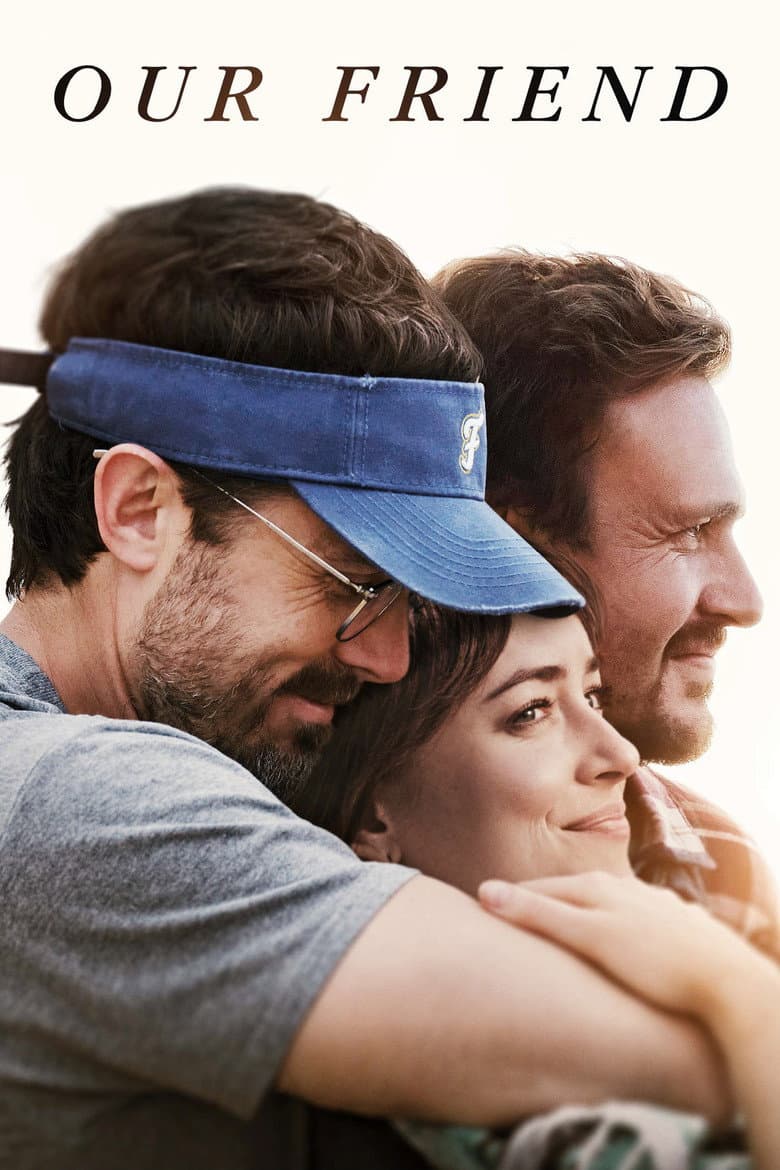
Movie · 2019
After learning that his terminally ill wife has six months to live, a man welcomes the support of his best friend who moves into their home to help out.
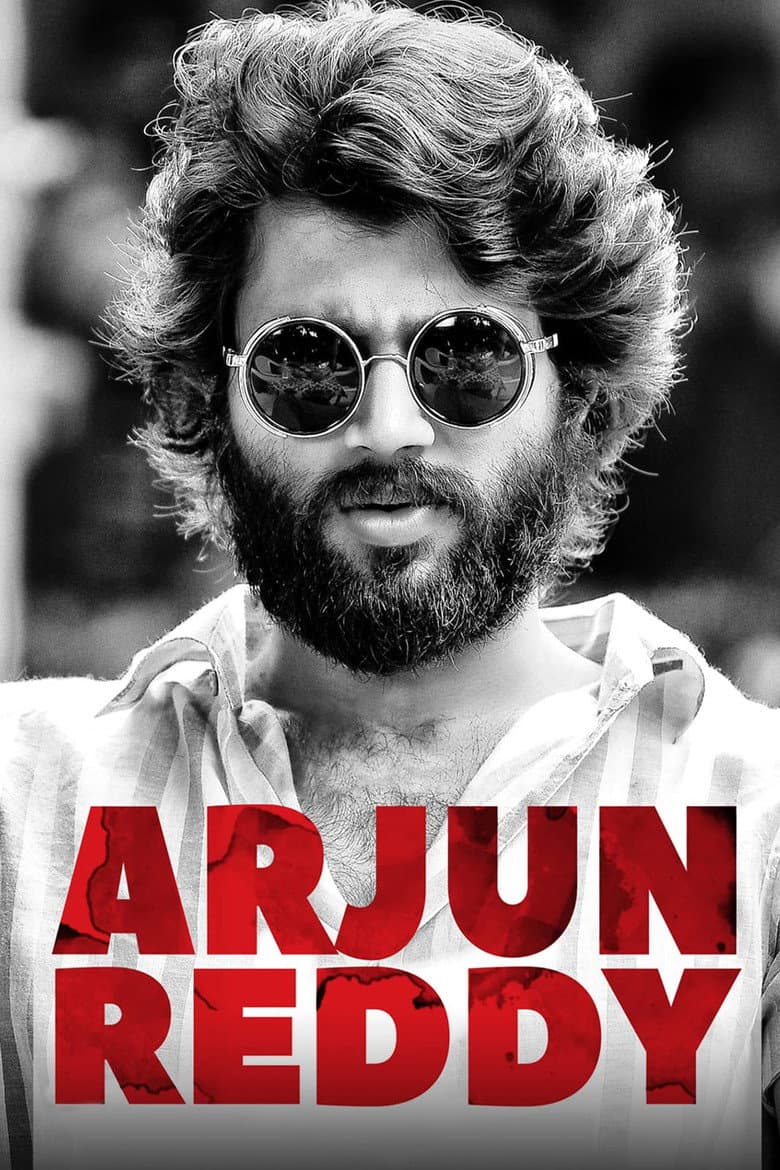
Movie · 2017
A brilliant but impulsive young surgeon spirals into self-destruction after a painful breakup, struggling to cope with love, loss, and the consequences of his own temper.
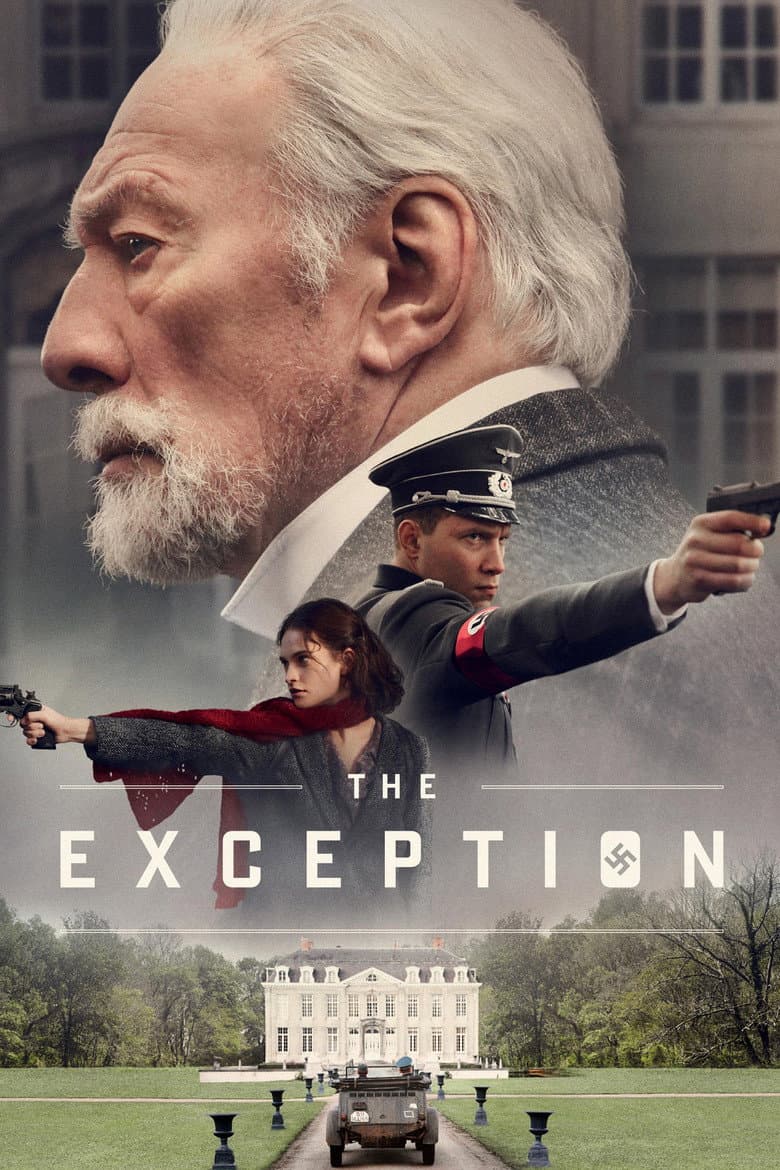
Movie · 2017
Nothing is as it seems in this riveting World War 2 thriller as a wary soldier goes to investigate a mysterious German monarch at his secluded mansion, leading him into a web of…
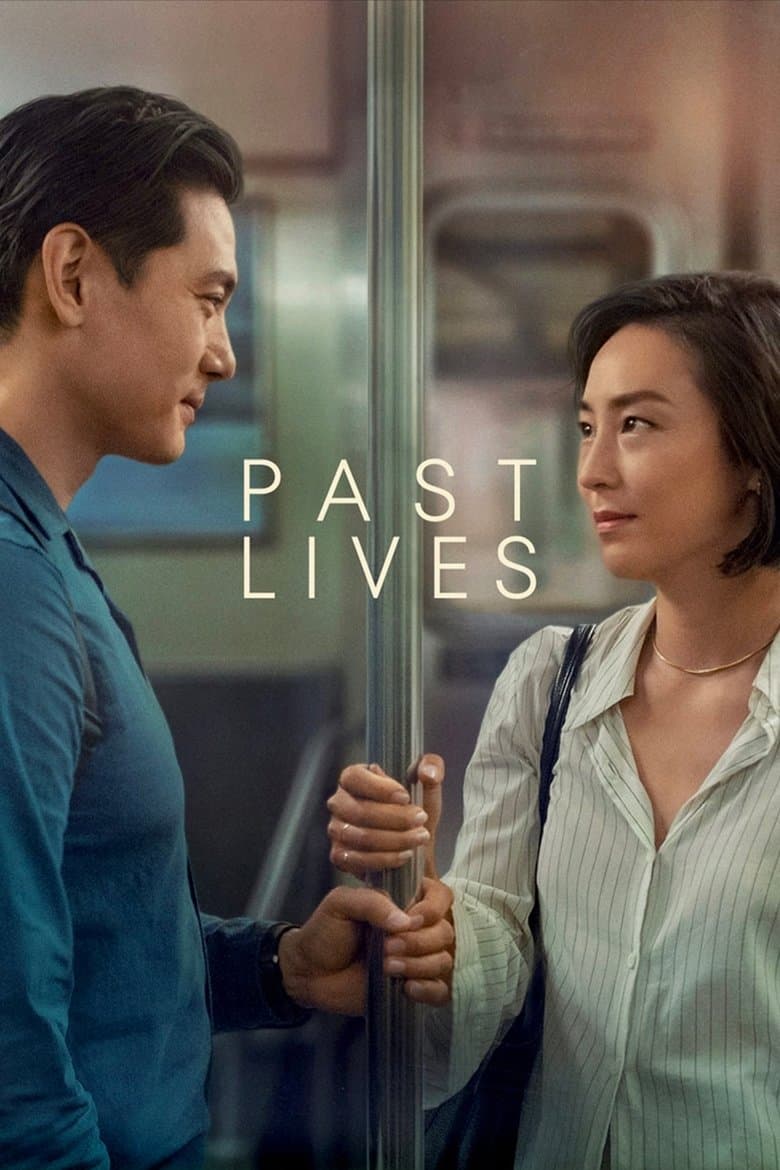
Movie · 2023
After decades apart, childhood friends Nora and Hae Sung are reunited in New York for one fateful weekend as they confront notions of destiny, love, and the choices that make a…
Movie · 2018
Over the course of 12 years, and three stages of life, Sidney Hall falls in love, writes the book of a generation and then disappears without a trace.
