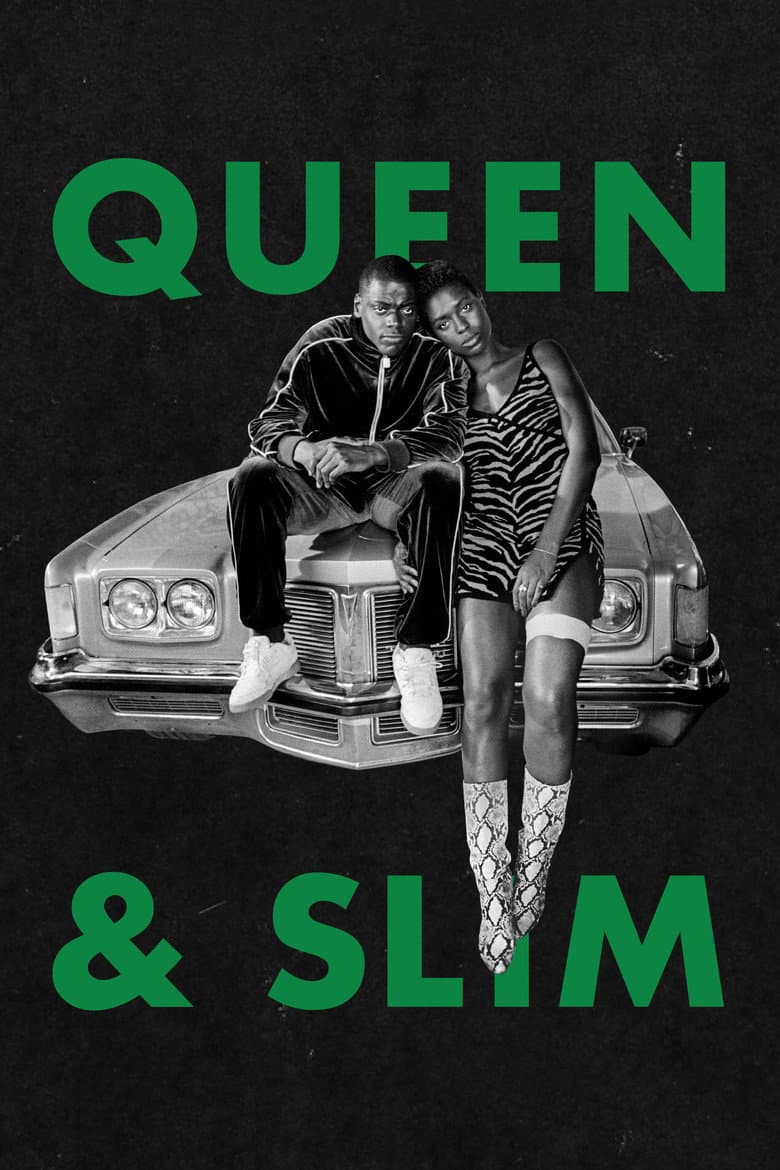
Queen is a guarded defense lawyer, and Slim is a gentle Costco worker who meet for a first date in Cleveland, Ohio. A white police officer stops them for a small traffic mistake, shoots Queen, and dies when Slim fights back with the officer’s gun. The pair flee through the American South while police, news reports, and strangers reshape them into wanted killers or folk heroes. The movie mixes romance, road crime, grief, suspense, sex, and sudden violence, and it ends in tragedy.
Race and police power drive the main conflict from the first stop to the final chase. The story repeatedly shows black people fearing police, unfair treatment in court, public protest, and a justice system that treats the couple as dangerous before hearing their side. Queen and Slim become symbols of Black resistance, while their growing love gives the political story a personal center. The movie also stresses Black beauty, Black music, black family ties, and the pain of being turned into a public symbol.
Community feedback
Was our 88% Woke rating accurate?
Breakdown
These are the editorial factors and ratings behind our score for Queen & Slim.
Woke representation / casting
Queen and Slim are both black leads in a modern American story, so their identities fit the setting and plot. Queen is a black female lawyer who often leads the escape. The film gives major roles to black characters throughout the journey. Matsoukas also framed the casting around dark-skinned Black love, Black beauty, and Black unity, giving the lead casting a clear identity message.
60%
Woke political dialogue
Queen challenges the death penalty before the date ends. Slim asks why black people always have to be excellent, which makes race pressure a direct topic. News reports and protesters repeat claims about police killing an unarmed black man. These lines and chants return around the chase, but the film does not rely on long political speeches.
44%
Identity-driven story themes
Queen and Slim become public symbols after a police stop turns violent. The story treats their escape as a black resistance story, not only as a crime plot. Protesters, news reports, children, and strangers give the pair a meaning larger than their own lives. The film also centers Black love, Black beauty, black family ties, and fear of police power.
78%
Western institutional / cultural critique
The film shows the first white officer as racist and quick to use force. The police hunt Queen and Slim after the dashcam supports their account, and the final police response kills them. Protest scenes and news reports present the justice system as unable to protect them. The movie also questions how men and women are expected to act, with Queen often leading and Slim learning to follow. One helpful Black officer adds some balance.
70%
Woke character or canon changes
Not relevant. Queen and Slim are original fictional characters, so the film does not change established canon or real historical figures.
0%
Anti-woke backlash and complaints
Some right-leaning X users called the trailer a celebration of killing a police officer and a sign that society was broken. Scott Presler’s post drew thousands of likes and reposts, while smaller accounts called the film Hollywood indoctrination and anti-police culture. Other posts labeled it race-politics or SJW propaganda and compared it with Joker. The reaction had reach but no clear organized campaign.
40%
Creator track record context
Lena Waithe has a strong record of queer and Black visibility work, and she wrote the main script. Melina Matsoukas has a strong record of black-focused work and has linked the film to police brutality. Daniel Kaluuya and Andrew Coles support underrepresented creators through their public work. James Frey and most other listed producers have little or modest activist context.
70%
Production
Movie · 2019
Blue Story is a tragic tale of a friendship between Timmy and Marco, two young boys from opposing postcodes. Timmy, a shy, smart, naive and timid young boy from Deptford, goes to…

Movie · 2024
An expat PI is hired to investigate a suspicious death in Crete, Greece, where jealousies run deep amongst the victim's powerful family.
Movie · 2017
In 1950s London, a renowned dressmaker's meticulous lifestyle begins drastically changing as his relationship with his young muse intensifies.
Movie · 2016
James, down on his luck and desperate for some quick cash, agrees to drive a small truck across country. He soon realizes that he's made a huge mistake and has inadvertently…

Movie · 2024
Remi and Barnes, two very different teenagers, meet by chance in the winter of their senior year, then spend four days together over the course of a year that will change their…
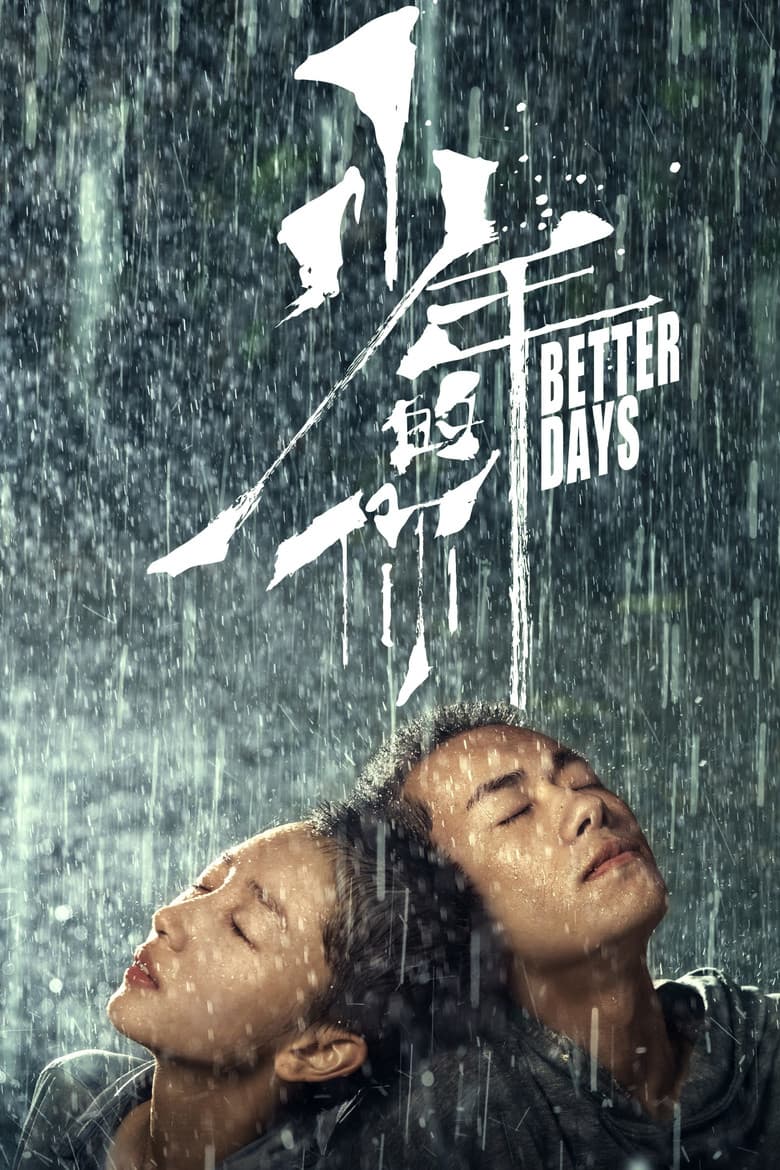
Movie · 2019
A bullied teenage girl forms an unlikely friendship with a mysterious young man who protects her from her assailants, while she copes with the pressures of her final examinations.
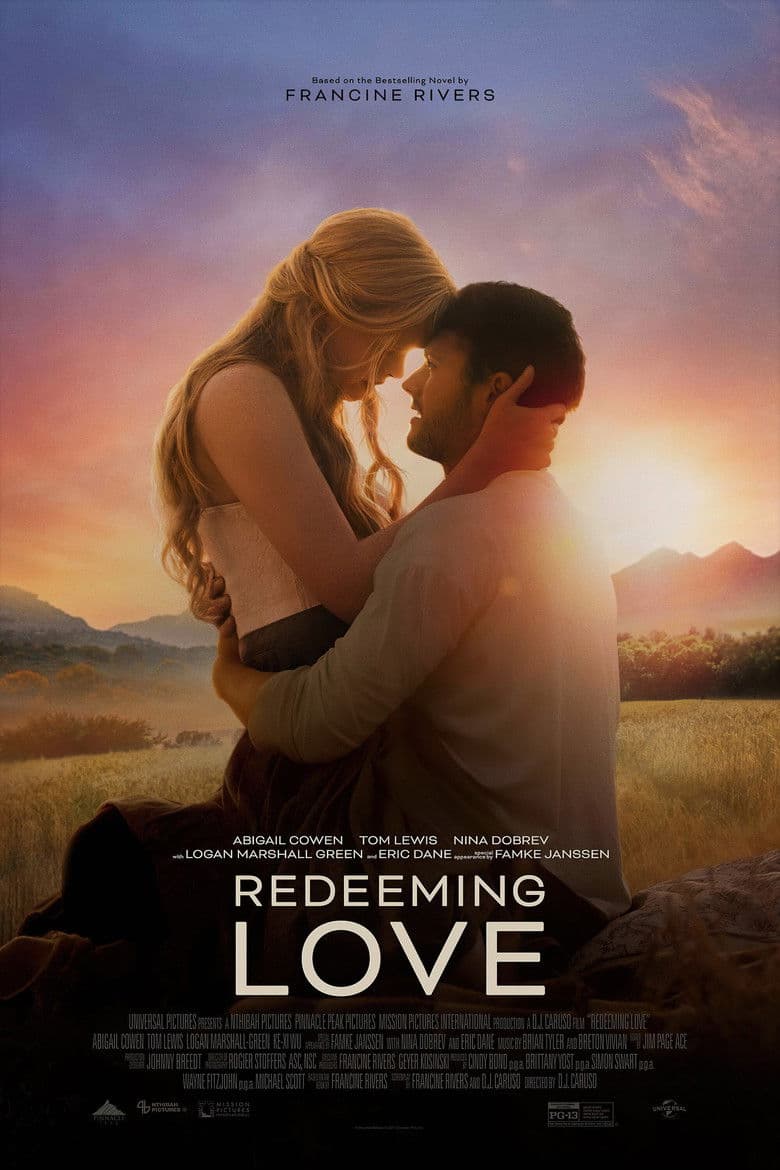
Movie · 2022
A young couple's relationship clashes with the harsh realities of the California Gold Rush of 1850. Angel, experiencing love for the first time and facing demons unsurmountable…
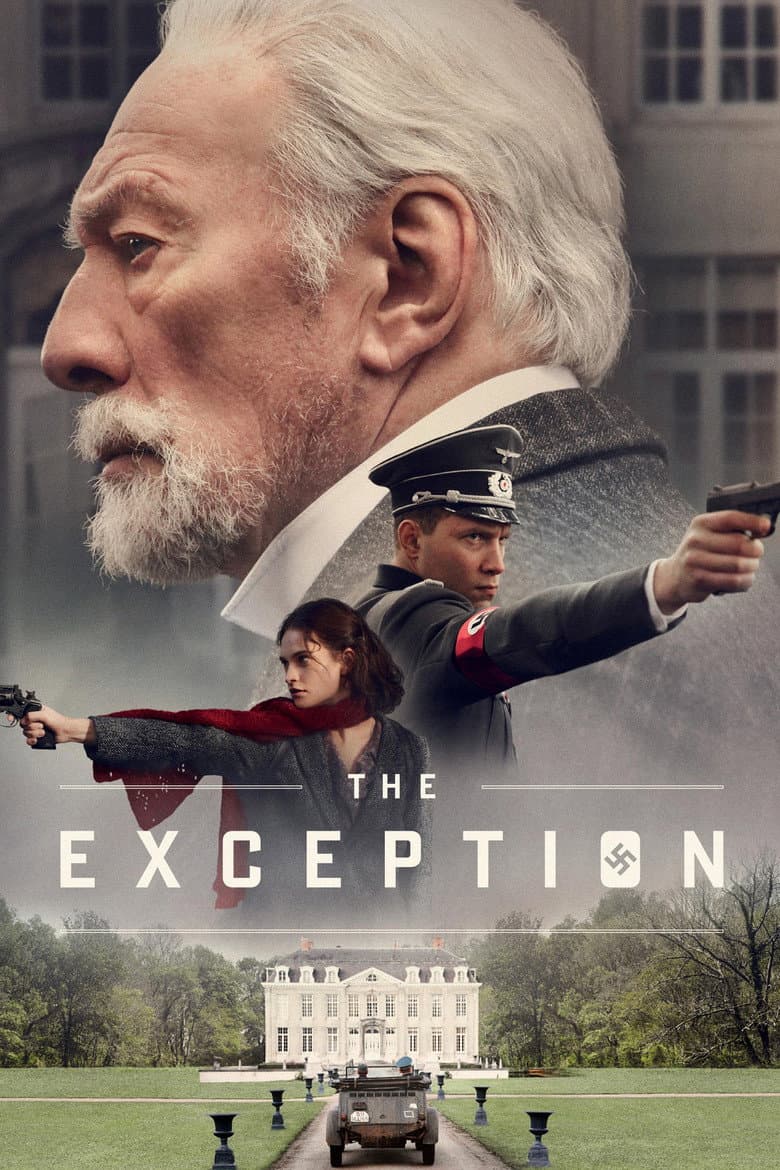
Movie · 2017
Nothing is as it seems in this riveting World War 2 thriller as a wary soldier goes to investigate a mysterious German monarch at his secluded mansion, leading him into a web of…
