
Martha is a young woman in Boston who plans a home birth with her partner, Sean. The birth goes wrong and their baby dies soon after. Over the next year she tries to live with that loss while her bond with Sean breaks and her pushy mother tries to control how she grieves. The tone is raw, quiet, and heavy, with a long opening birth scene that many viewers find hard to watch.
The film’s main focus is private grief, not a politics lesson. Viewers will notice a woman-centered story: Martha refuses others’ rules about her baby’s body, the court case, and how she should heal. Reviewers and stage materials often call out mild feminist notes about women’s silence around loss and a mother’s right to choose her own path. Class tension shows up between Sean’s working-class job and Martha’s rich mother. These notes sit in the background of a personal family drama. Race swaps, queer plots, and loud activist speeches are not the point of what is on screen.
Community feedback
Was our 31% Woke rating accurate?
Breakdown
These are the editorial factors and ratings behind our score for Pieces of a Woman.
Woke representation / casting
Leads are Vanessa Kirby, Shia LaBeouf, and Ellen Burstyn in a modern Boston family story. A few people of color appear in smaller roles (for example Sean’s friend and a judge). Casting does not put race or identity first in the main roles. The focus is one woman’s grief, not a diversity showcase.
5%
Woke political dialogue
Talk is mostly about blame, grief, class, and a court case. Martha’s key speech is personal: she does not blame the midwife. There are no long activist speeches on race, gender theory, or current party politics. Any social point stays soft and tied to family pain.
10%
Identity-driven story themes
The core is losing a baby, broken relationships, and Martha choosing how to grieve. Reviewers and stage materials note mild feminist tones: women’s silence around loss, and a mother who will not let others fully control her body or her choices. Race, queer, or DEI identity plots are not the engine of the story. Many viewers will mainly feel grief, not a lecture.
28%
Western institutional / cultural critique
Class tension appears between a rich mother and a working-class partner. The midwife trial and family pressure over burial show control and judgment. These stay inside family and legal drama. The film does not run a big modern attack on Western culture, faith, or the whole system.
10%
Woke character or canon changes
Not relevant. This is an original story from a stage play and the writers’ personal loss, not a remake that rewrites famous characters for identity reasons.
0%
Anti-woke backlash and complaints
Coverage and public talk centered on the birth scene, Kirby’s performance, and LaBeouf’s abuse claims. No clear wave of anti-woke or “this film pushes DEI/identity politics” complaints showed up in major news or social search.
0%
Creator track record context
Director Mundruczó (~63) and writer Wéber (~62) have progressive records: protest against nationalist power in Hungary, woman-centered grief and body themes, and equality-minded film culture. Many producers score low. The film’s creative core matches their personal, female-grief work more than hard DEI campaigning.
58%
Production

Movie · 2024
On the brink of the Second World War, a young Norwegian man's drive to resist the Nazis sets a new course for his future – and the future of his country.
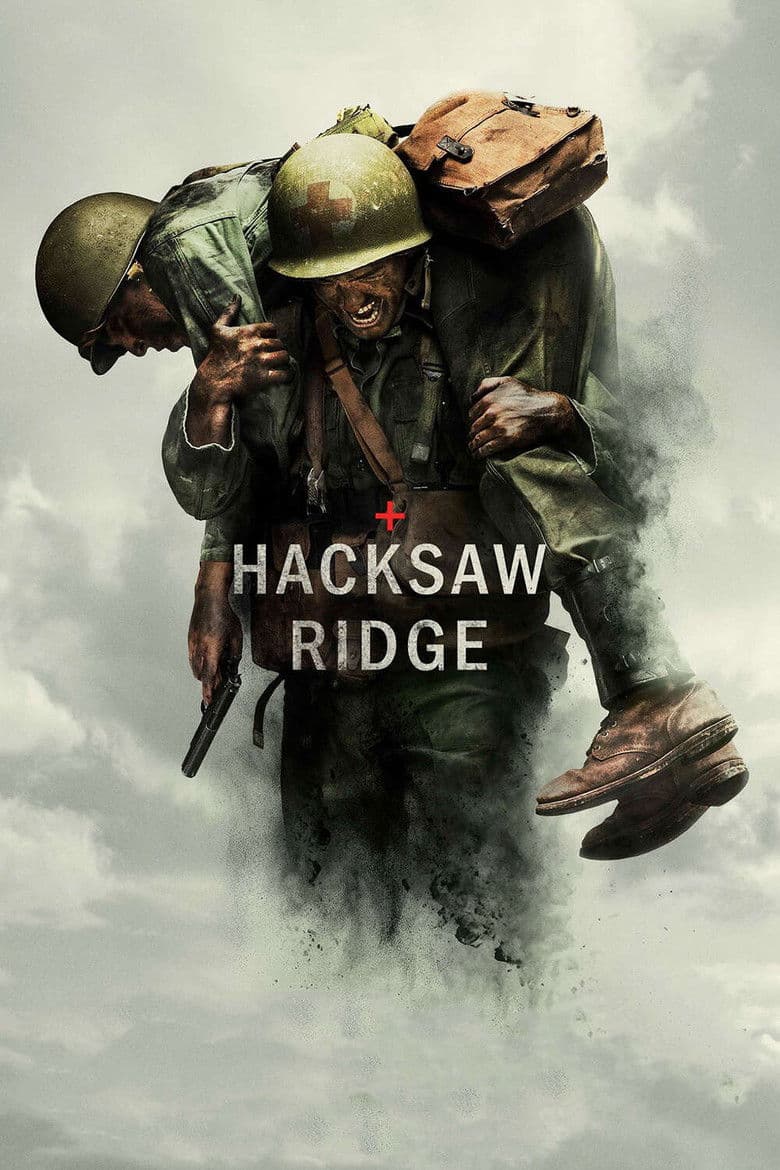
Movie · 2016
WWII American Army Medic Desmond T. Doss, who served during the Battle of Okinawa, refuses to kill people and becomes the first Conscientious Objector in American history to…
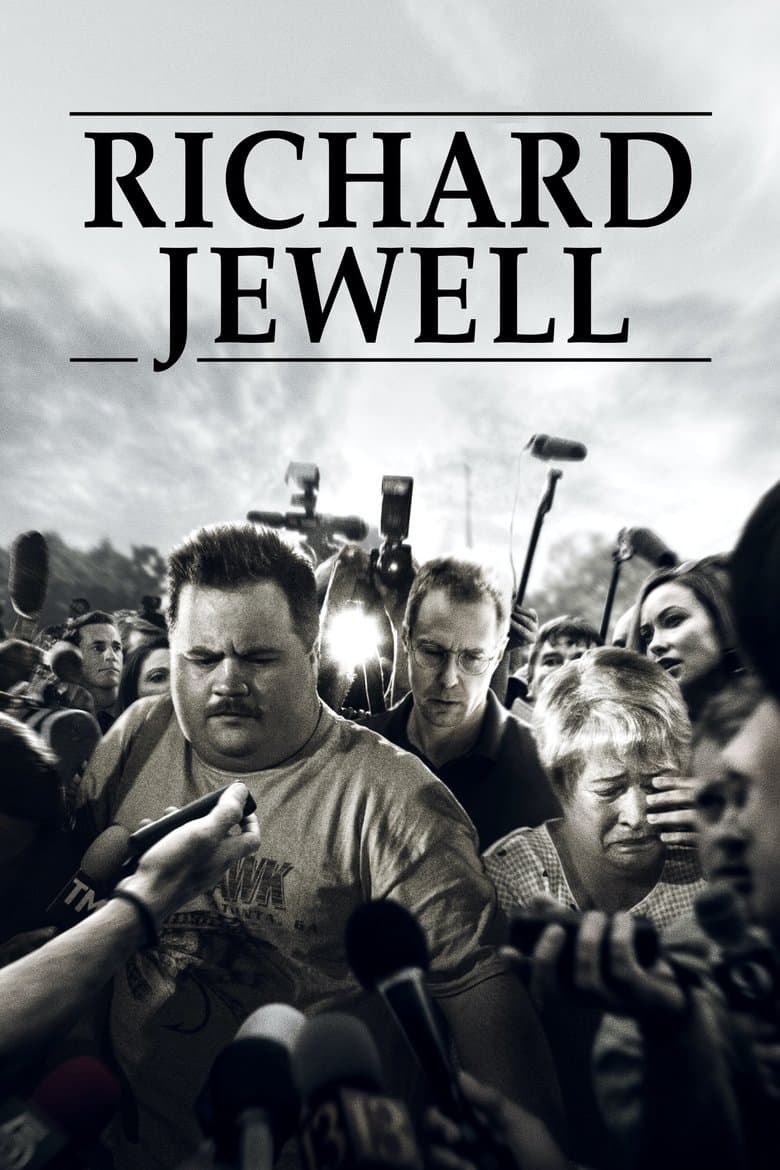
Movie · 2019
Richard Jewell thinks quick, works fast, and saves hundreds, perhaps thousands, of lives after a domestic terrorist plants several pipe bombs and they explode during a concert…
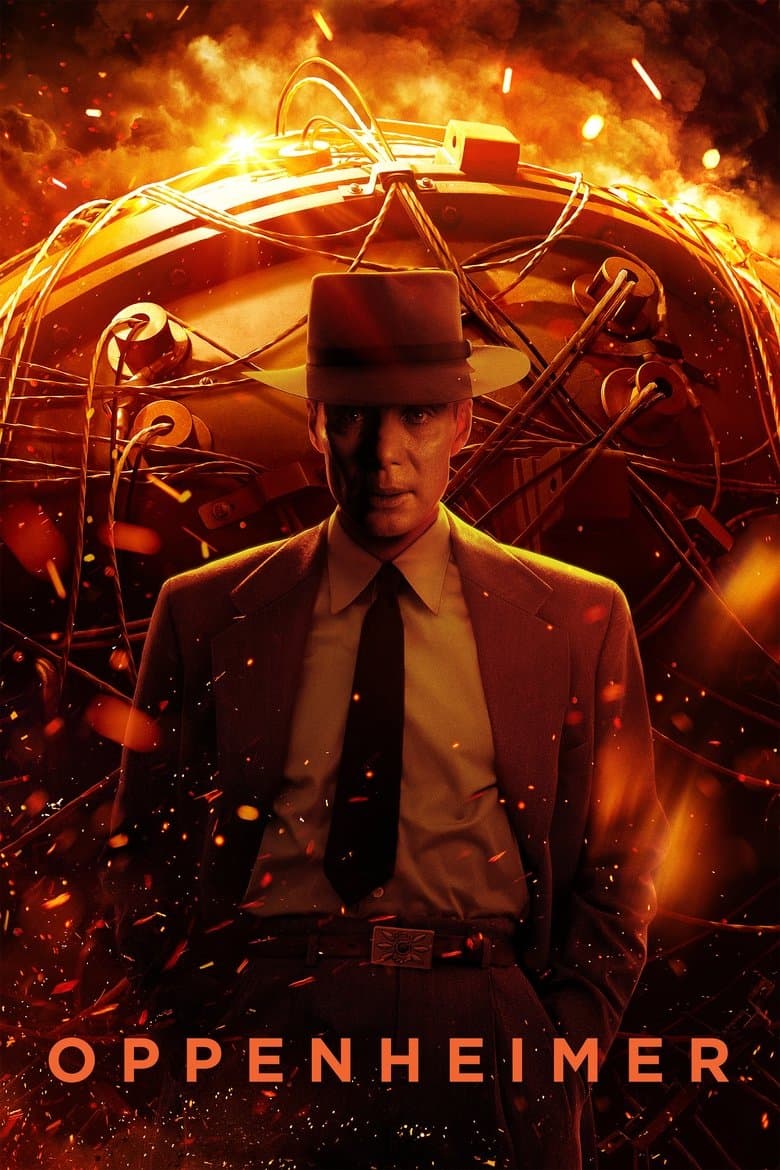
Movie · 2023
The story of J. Robert Oppenheimer's role in the development of the atomic bomb during World War II.
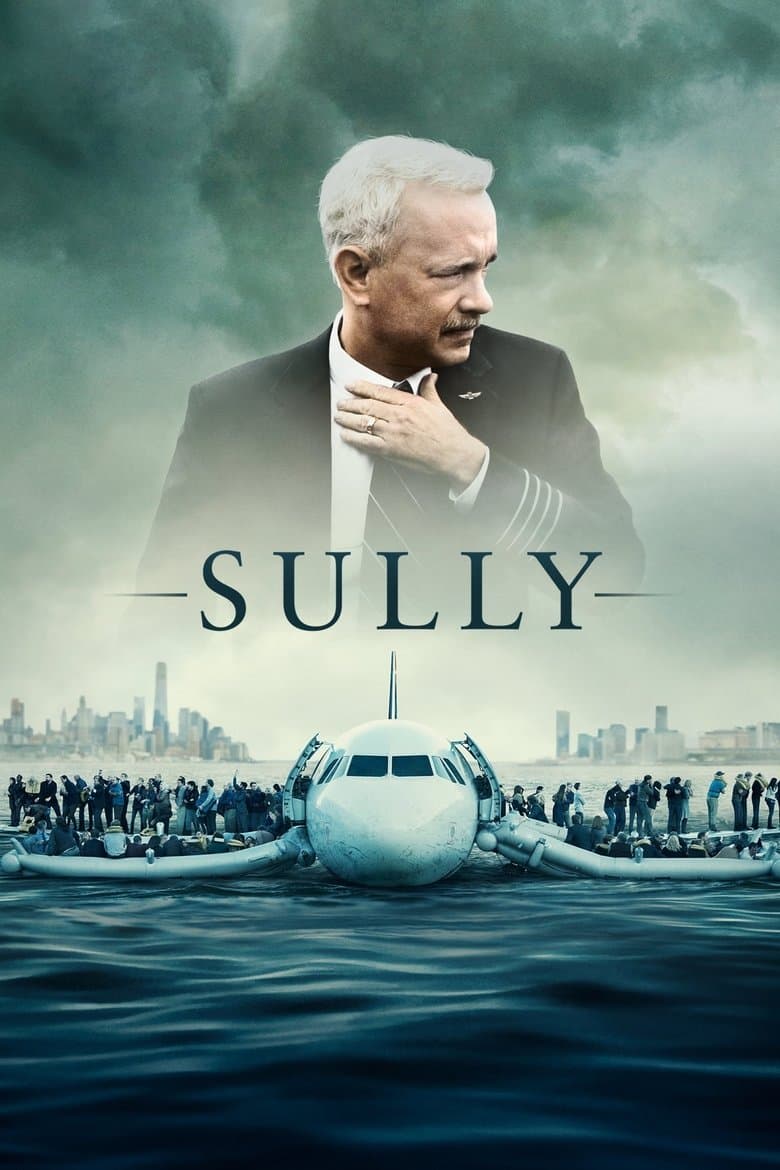
Movie · 2016
On 15 January 2009, the world witnessed the 'Miracle on the Hudson' when Captain 'Sully' Sullenberger glided his disabled plane onto the Hudson River, saving the lives of all 155…
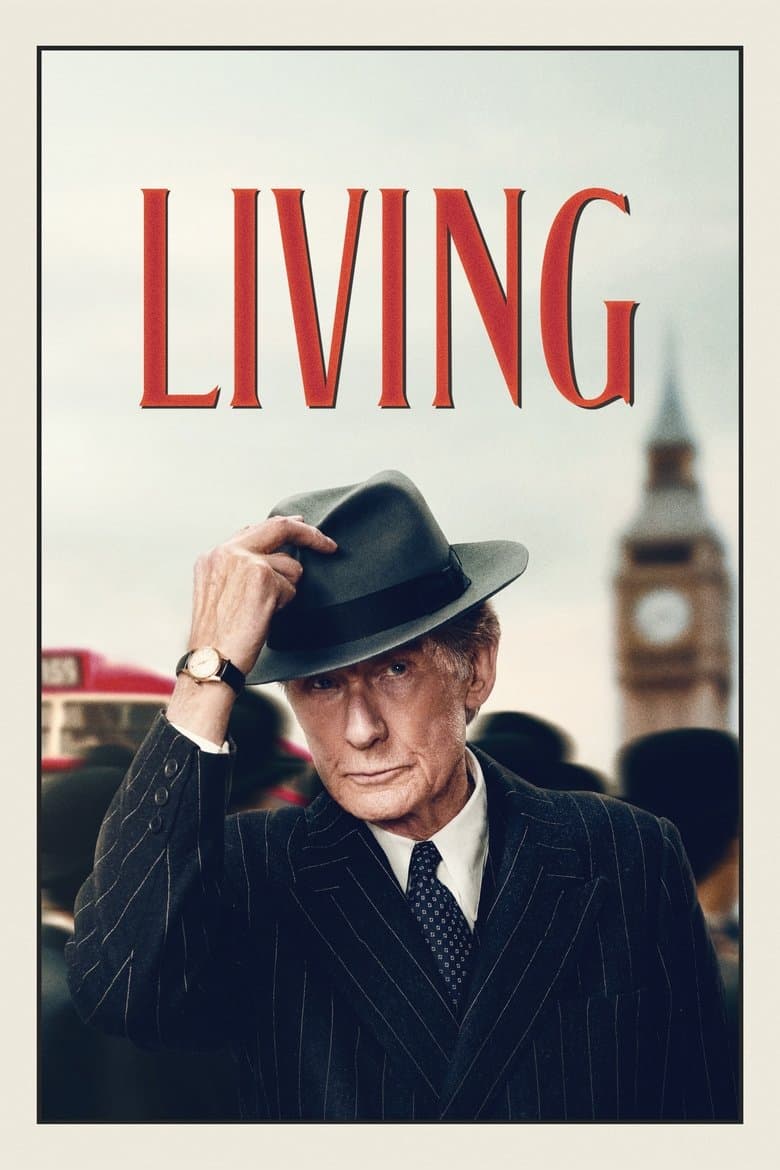
Movie · 2022
London, 1953. Mr. Williams, a veteran civil servant, is an important cog within the city's bureaucracy as it struggles to rebuild in the aftermath of World War II.

Movie · 2016
After his older brother passes away, Lee Chandler is forced to return home to care for his 16-year-old nephew.

Movie · 2017
Members of the Granite Mountain Hotshots battle deadly wildfires to save an Arizona town.
