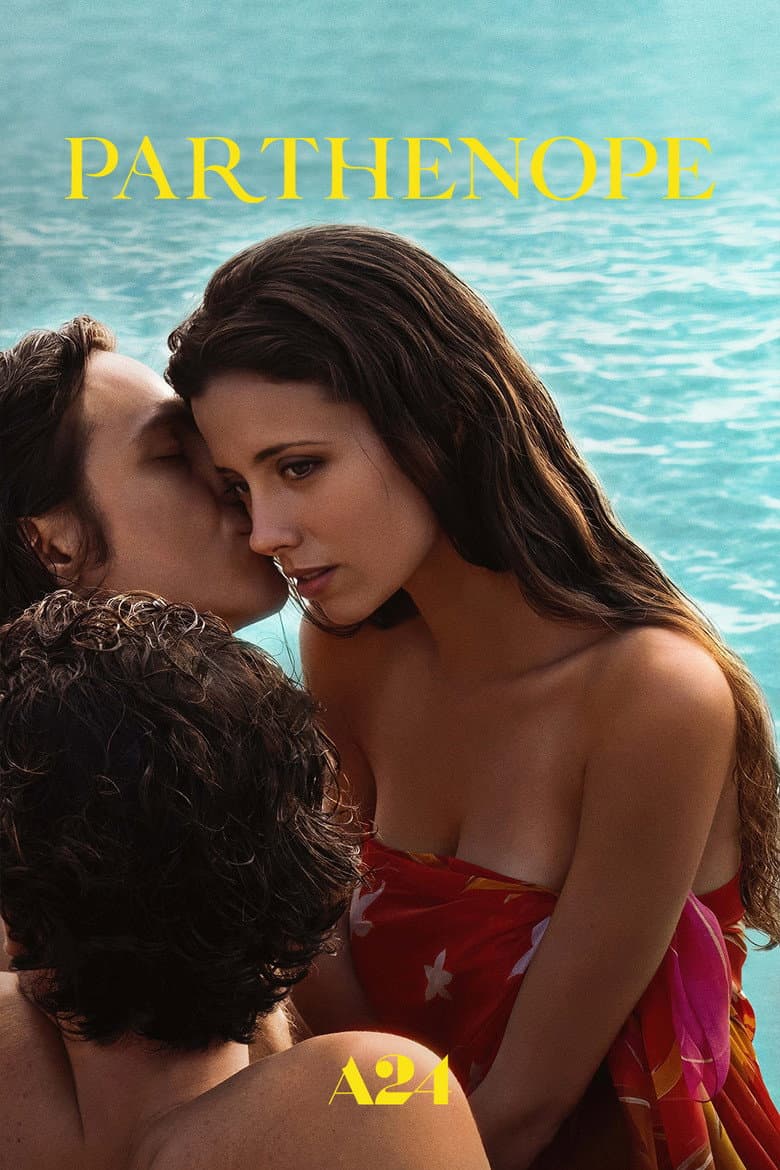
Parthenope begins with a baby born in the sea near Naples in 1950. As a young woman, she lives among wealthy family friends, studies anthropology, and draws the attention of almost every man around her. A death in Capri breaks her carefree youth and leaves her facing blame, grief, and distance from her family. The film follows her through strange romances, an academic career, and old age, with a dreamy and often comic tone.
The main woke element is a strong female-freedom story built around Parthenope's beauty, sexual independence, and choice to value study and work over marriage and motherhood. The story also includes her illegal abortion after a pregnancy, but the film treats it as part of her private grief rather than a public argument. The film often presents men as people who stare at her, chase her, fail beside her, or become trapped by their own desire. John Cheever is shown as a gay writer in a short but clear side role. The story also mocks a cardinal and questions Catholic ritual, but these ideas appear through myth, sex, and dark humor instead of a current political campaign.
Community feedback
Was our 51% Woke rating accurate?
Breakdown
These are the editorial factors and ratings behind our score for Parthenope.
Woke representation / casting
The film places a young Italian woman at the center and presents the role as a “feminine epic.” Public interviews and festival marketing stress that this is Sorrentino’s first female-centered film and connect the heroine’s freedom to obstacles faced by women. The cast fits Naples and its time, with no clear race, quota, or one-of-each diversity pattern. The gender focus is visible, but the casting does not look like broad DEI design.
27%
Woke political dialogue
The film has short lines about women needing answers for men who offend them. Parthenope says she never feels shame, and a character says motherhood has followed her as she ran from it. The late church scene links Catholicism with closed doors and treats the miracle as a show. These lines are noticeable, but the film has no repeated speeches about current parties, DEI, race, or activist politics.
31%
Identity-driven story themes
The story centers on a young woman whose beauty brings constant male attention and whose life keeps testing her need for freedom. Parthenope earns top marks in anthropology, chooses study and work over marriage and motherhood, and has an illegal abortion before building an academic life. The men around her often become jealous, foolish, or emotionally broken, while John Cheever appears as a gay writer in a short side role. These ideas run through the story, although the film presents them through myth, sex, grief, and time instead of a direct activist message.
58%
Western institutional / cultural critique
The film uses a cardinal, Catholic prayers, and the San Gennaro blood rite in a late sex scene. The cardinal treats the miracle as a show, and the film leaves the rite looking uncertain or staged. The film links Catholicism with closed doors and gives a corrupt cleric a major role in that section. The church attack is strong in one section, but the story does not build a wider modern case against Western institutions.
35%
Woke character or canon changes
Not relevant. The film is an original story built around the ancient name and myth of Parthenope. John Cheever is a fictionalized real writer, but the film does not make an identity-based race, gender, sexuality, or hero-role swap.
0%
Anti-woke backlash and complaints
Not present. No sustained anti-woke complaint campaign was found. Catholic objections focused on sacrilege, and X showed no anti-woke complaints, only fringe praise that the film was not woke.
0%
Creator track record context
Paolo Sorrentino has a stored score of 45/100 and a mixed record of political and social themes without a steady DEI persona. Lorenzo Mieli and Elena Recchia have stored scores of 50 and 40 because of queer-film credits, while Douglas Urbanski has a stored score of 4 and an openly conservative record. The other stored crew scores are low or modest. The group gives the film some identity-related context, but not a strong activist track record.
30%
Production
Movie · 2023
The true story of the inseparable Von Erich brothers, who made history in the intensely competitive world of professional wrestling in the early 1980s.
Movie · 2016
After his older brother passes away, Lee Chandler is forced to return home to care for his 16-year-old nephew.
Movie · 2016
In a desolate war zone where screams of the innocent echo, on the very line between disaster and valor, 7 Maroon Berets will dance with death.
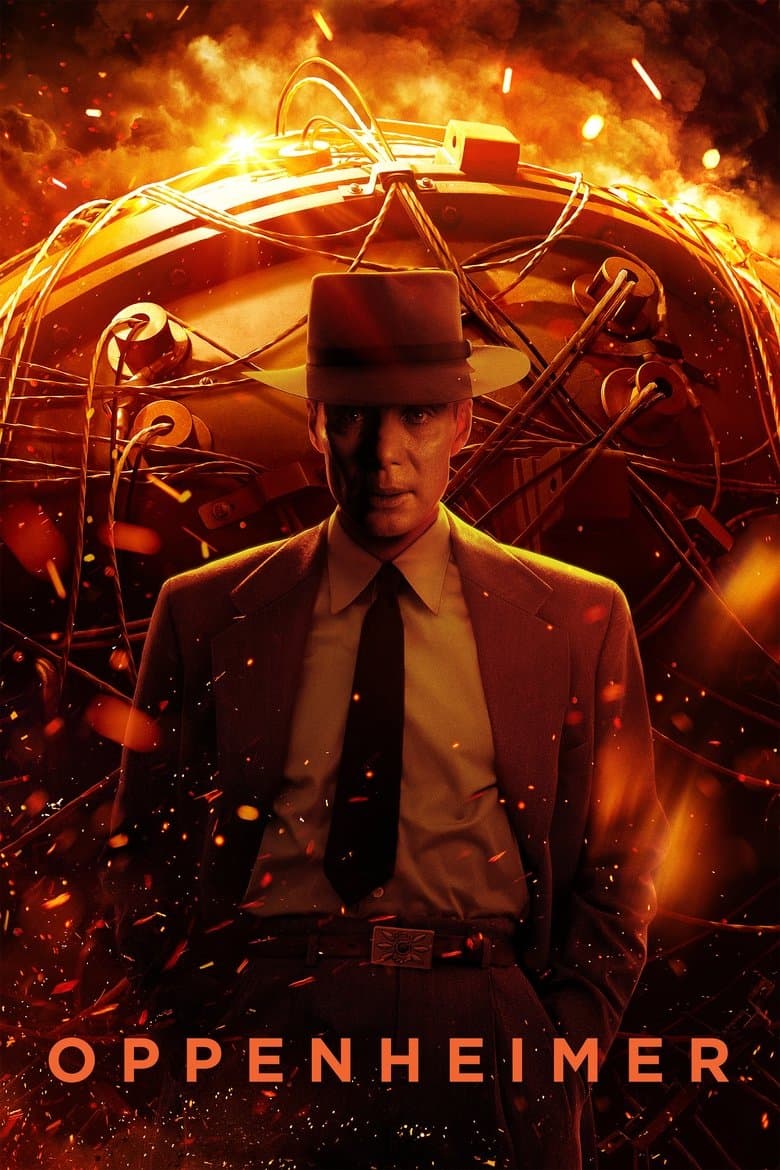
Movie · 2023
The story of J. Robert Oppenheimer's role in the development of the atomic bomb during World War II.
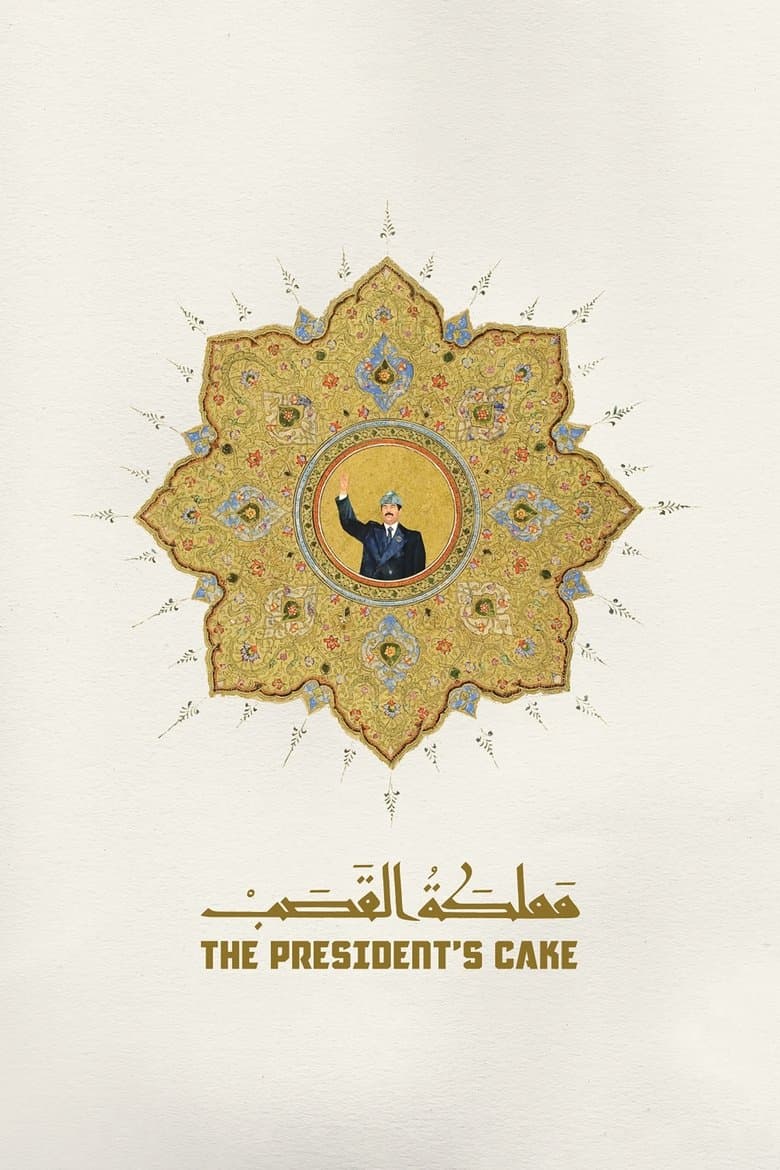
Movie · 2026
While people across 1990s Iraq struggle to survive the war and food shortages, Saddam Hussein requires each school in the country to prepare a cake to celebrate his birthday.
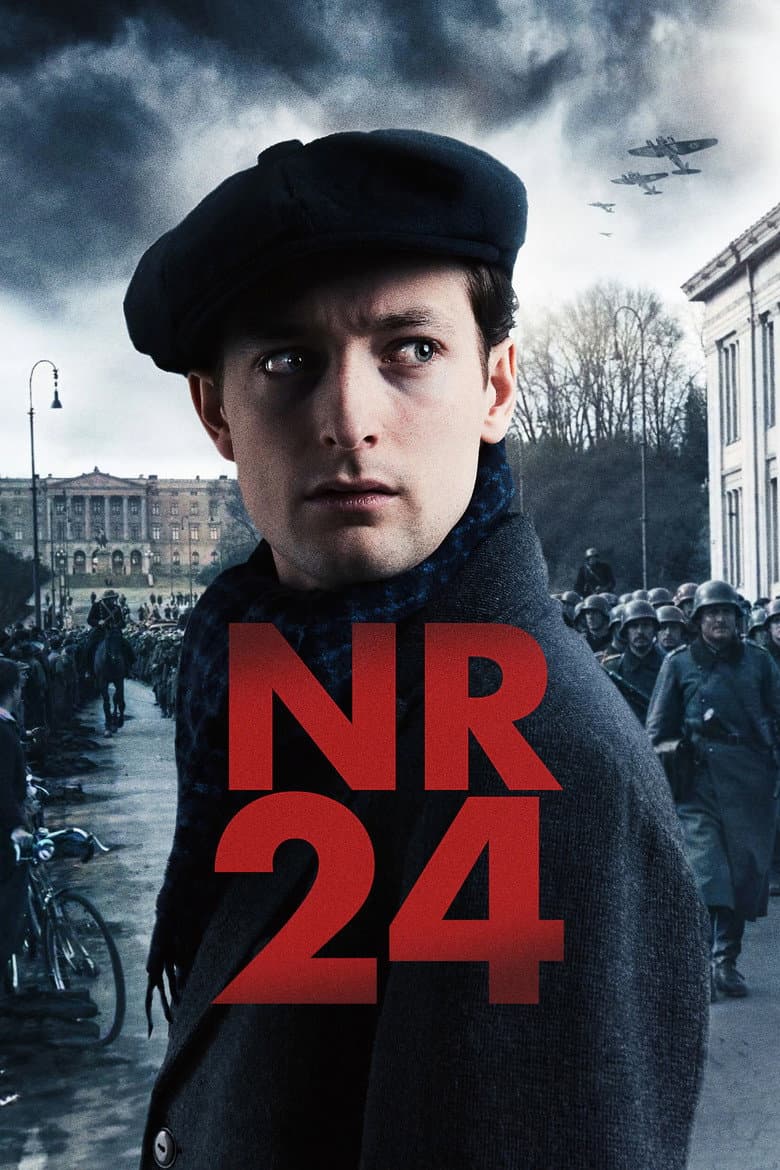
Movie · 2024
On the brink of the Second World War, a young Norwegian man's drive to resist the Nazis sets a new course for his future – and the future of his country.
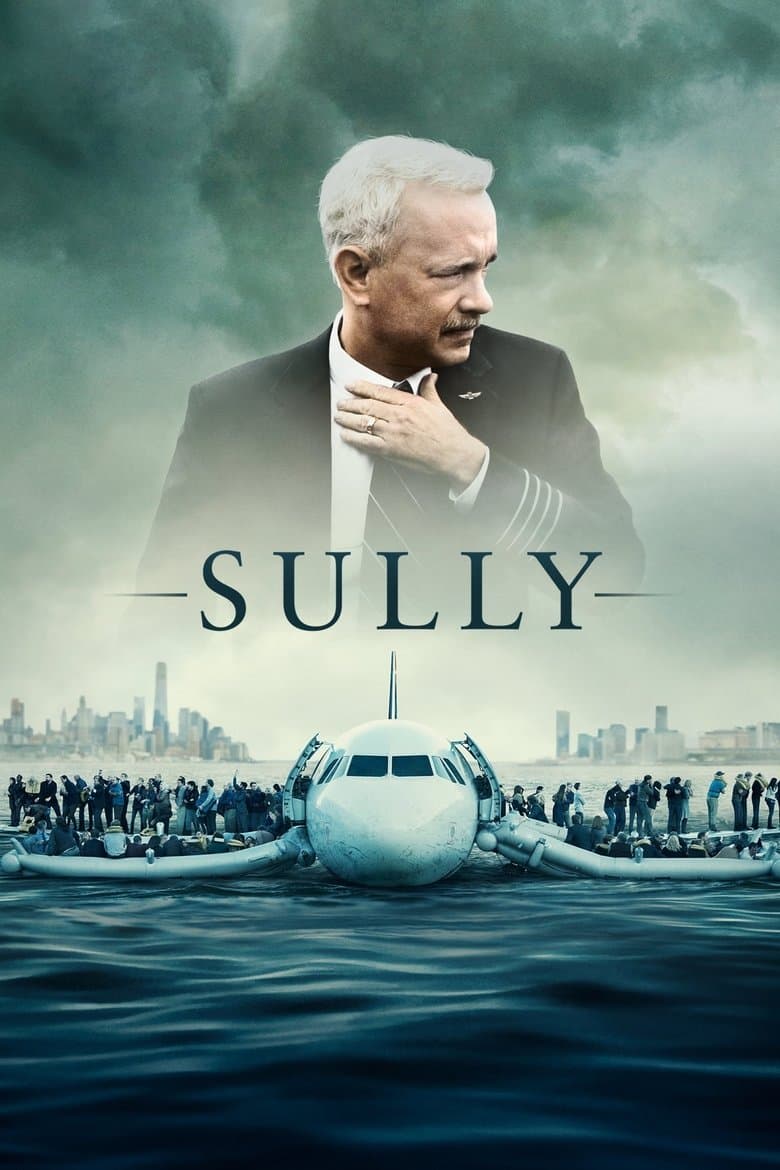
Movie · 2016
On 15 January 2009, the world witnessed the 'Miracle on the Hudson' when Captain 'Sully' Sullenberger glided his disabled plane onto the Hudson River, saving the lives of all 155…
Movie · 2025
A logger leads a life of quiet grace as he experiences love and loss during an era of monumental change in early 20th-century America.
