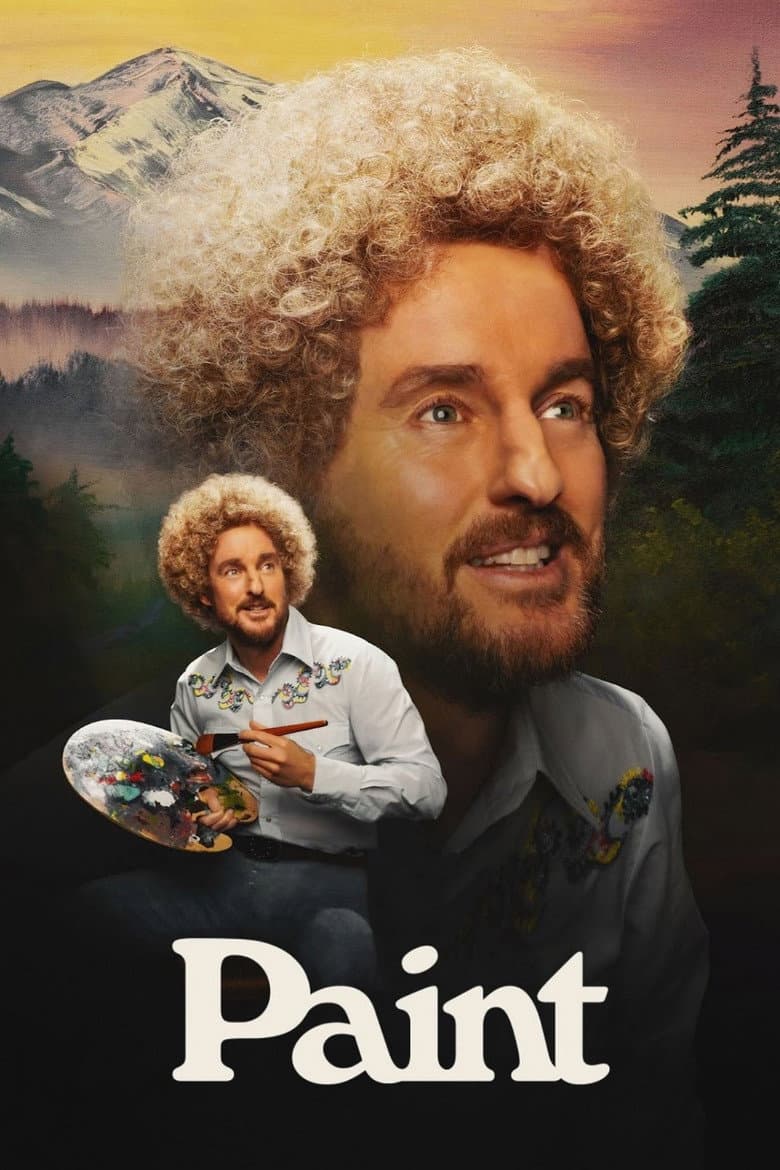
Paint follows Carl Nargle, a famous Vermont public television painter who has spent decades painting the same mountain. Carl lives in an old-fashioned world of soft voices, painted landscapes, fans, and a van that doubles as his private dating room. His station hires Ambrosia, a faster and more daring young painter, and Carl watches his job, his audience, and his old romance with Katherine slip away. The comedy has a strange, quiet tone because Carl acts gentle while his selfish choices hurt the people around him.
Ambrosia is a black lesbian artist who becomes the station's new star and paints bold pictures that challenge Carl's safe style. She begins a sexual relationship with Katherine, and another woman at the station also has a same-sex relationship. The story treats Ambrosia as more modern and more open than Carl, while Carl is called sexist because he treats women as prizes instead of equals. The film ends by pushing Carl toward humility, honesty, and a simpler life with Katherine, but its main plot remains a comic story about aging fame, sexual mistakes, and the need to change.
Community feedback
Was our 63% Woke rating accurate?
Breakdown
These are the editorial factors and ratings behind our score for Paint.
Woke representation / casting
Ambrosia is a prominent black lesbian painter who replaces the white male star at a Vermont public television station. The film gives her better ratings, faster work, bolder art, and romantic success with Carl's former partner. The modern setting makes her presence possible, but the story gives no personal reason for her race or sexuality and keeps those traits visible around her role as the new star. The rest of the cast does not look like a planned set of one person from every group.
55%
Woke political dialogue
Ambrosia directly calls Carl sexist and says he does not treat women as equals. The staff also talk about Carl's many relationships, and Katherine asks if he ever treated those women as equals. Carl answers that he is a gentleman, so the film treats his old-fashioned defense as part of the problem. The dialogue stays tied to Carl's behavior and does not become a broad political speech.
35%
Identity-driven story themes
Ambrosia's rise is a major part of Carl's career crisis, and the story makes her a confident black lesbian woman who succeeds where the older white man fails. Her art, sexuality, and relationships help mark her as the new face of the show, while Carl stands for an old way of life. Several women reject Carl after seeing that he treats them as roles in his life instead of as equals. The film's main lesson is that a vain man must change, but the repeated contrast between Carl and Ambrosia gives the story a strong identity-driven layer.
58%
Western institutional / cultural critique
The film shows Carl using his gentle TV image to sleep with many female co-workers and treat them as fans or muses. Ambrosia and Katherine say that his polite behavior does not make him an equal partner. The plot mocks his old-fashioned idea of being a gentleman and rewards him only after he admits that he failed women. The station and public television are comic settings, not targets of a broad attack.
44%
Woke character or canon changes
Not relevant. Carl Nargle and Ambrosia are fictional characters created for this film. Bob Ross inspires Carl's look and TV role, but the film does not alter the identity of a real person or an established fictional character.
0%
Anti-woke backlash and complaints
A Metacritic user called the film woke and objected to a black lesbian character taking over the story's success. Hollywood in Toto also called the film's treatment of Carl part of a woke mindset and linked it to anti-patriarchy messaging. The X research pass found no anti-woke posts, boycott talk, or review-bombing. The complaints are real but small, and they come mainly from individual or fringe reviews.
30%
Creator track record context
Producer Richard J. Bosner has past work tied to racial violence, queer art, and diverse filmmaking. Brit McAdams's interview coverage about Paint focuses on Bob Ross, Vermont, comedy, and Carl's ego rather than identity activism. Owen Wilson and most other listed creators have little public record of identity activism. The mixed record gives limited supporting context.
22%
Production
Movie · 2016
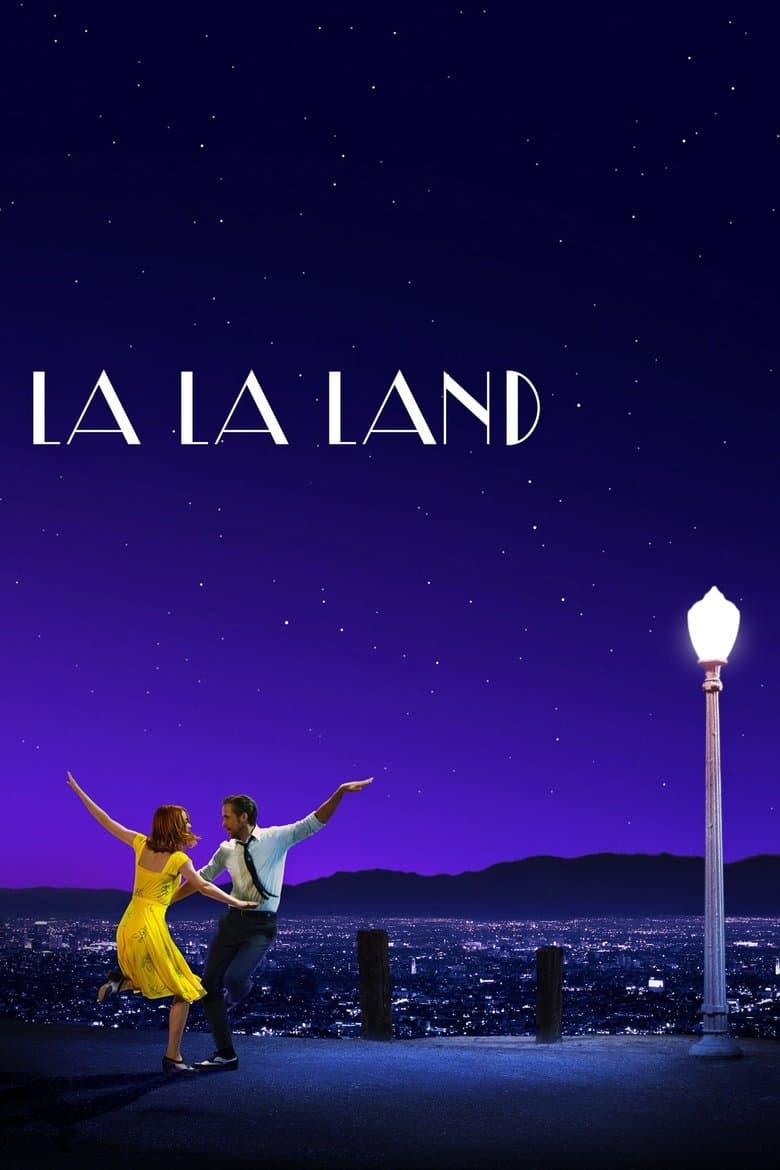
Mia, an aspiring actress, serves lattes to movie stars in between auditions and Sebastian, a jazz musician, scrapes by playing cocktail party gigs in dingy bars, but as success…
Movie · 2016
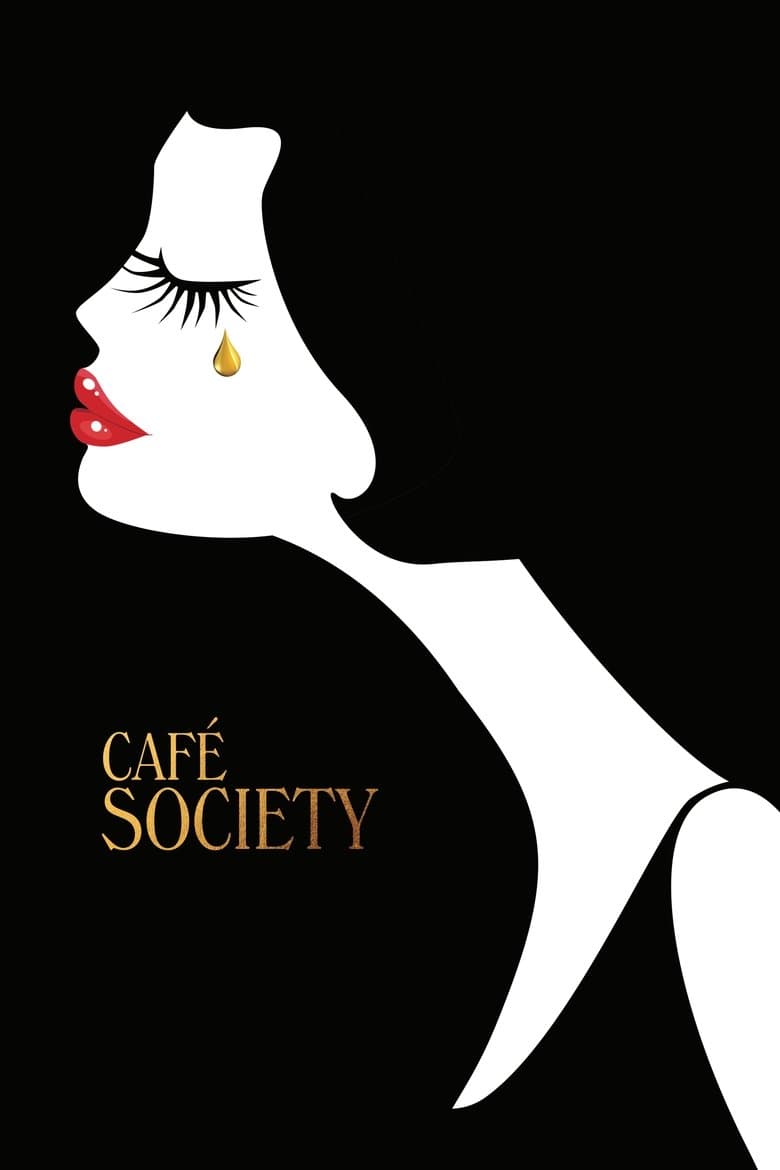
The story of a young man who arrives in Hollywood during the 1930s hoping to work in the film industry, falls in love, and finds himself swept up in the vibrant café society that…

Movie · 2016
The unconventional love story of an aspiring actress, her ambitious driver, and their eccentric boss, the legendary billionaire Howard Hughes.
Movie · 2016
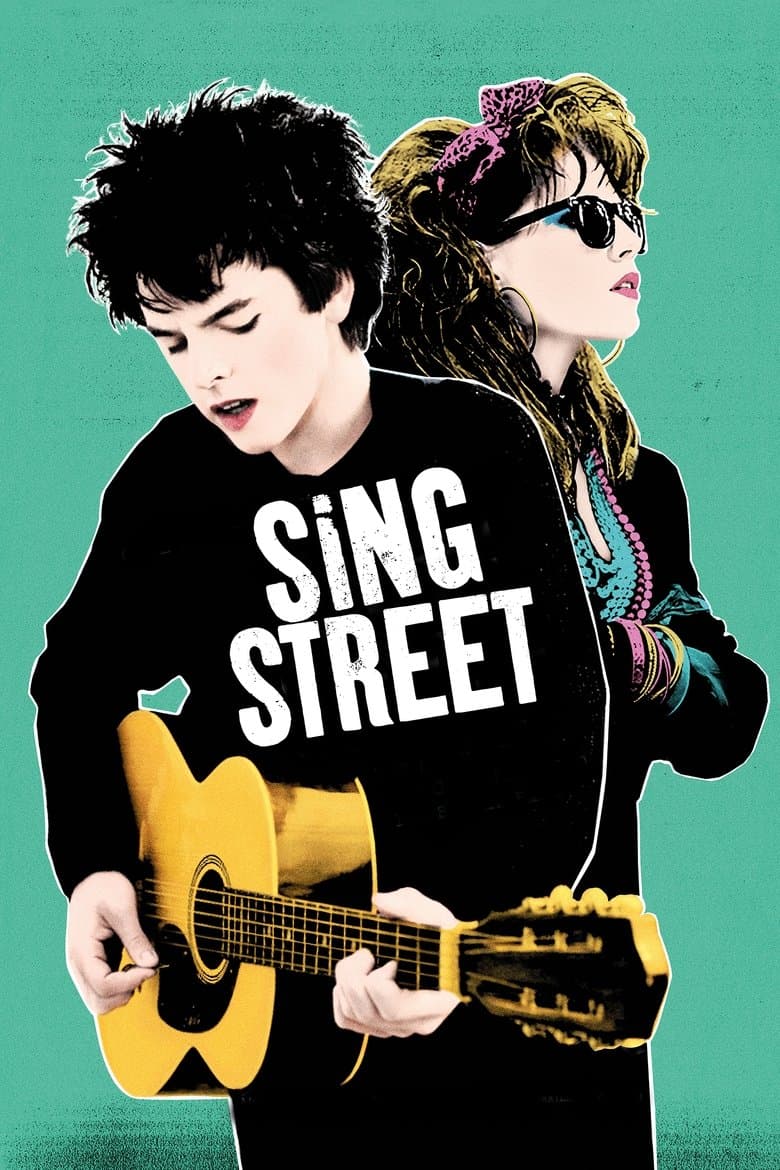
A boy growing up in Dublin during the 1980s escapes his strained family life by starting a band to impress the mysterious girl he likes.
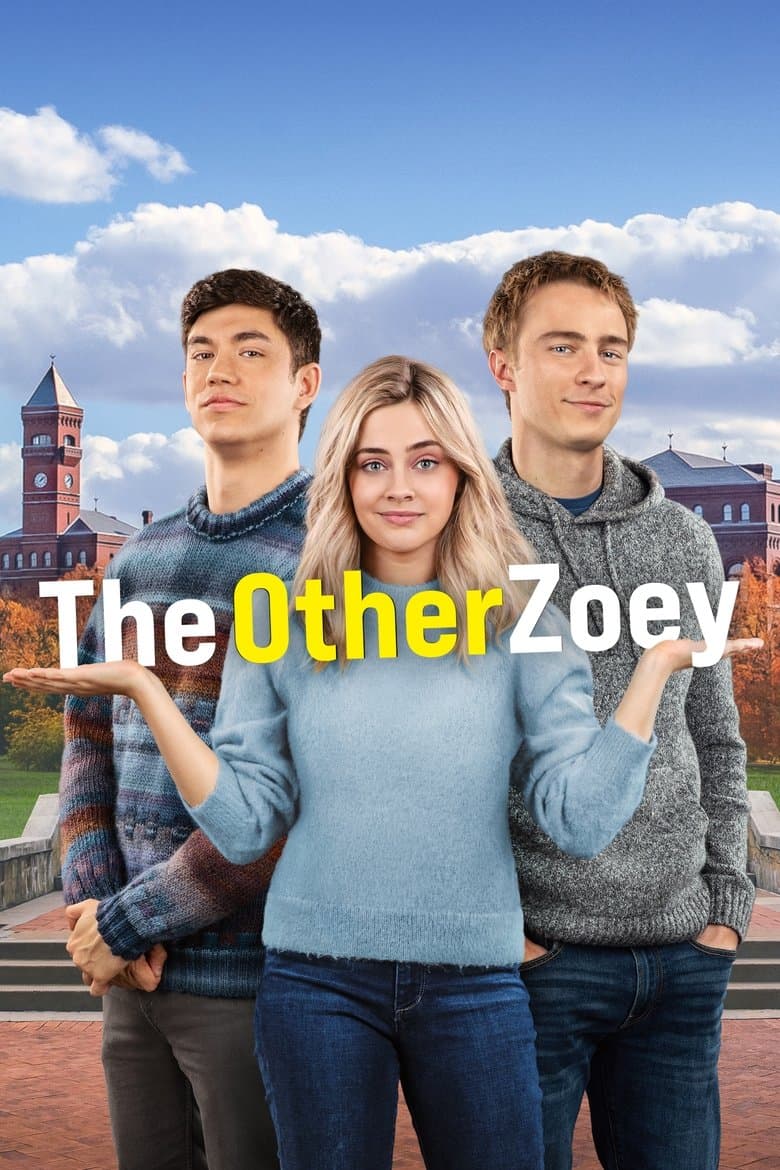
Movie · 2023
Highly intelligent computer major Zoey Miller is uninterested in romantic love, but her life is turned upside down when Zack, the school's soccer star, gets amnesia and mistakes…
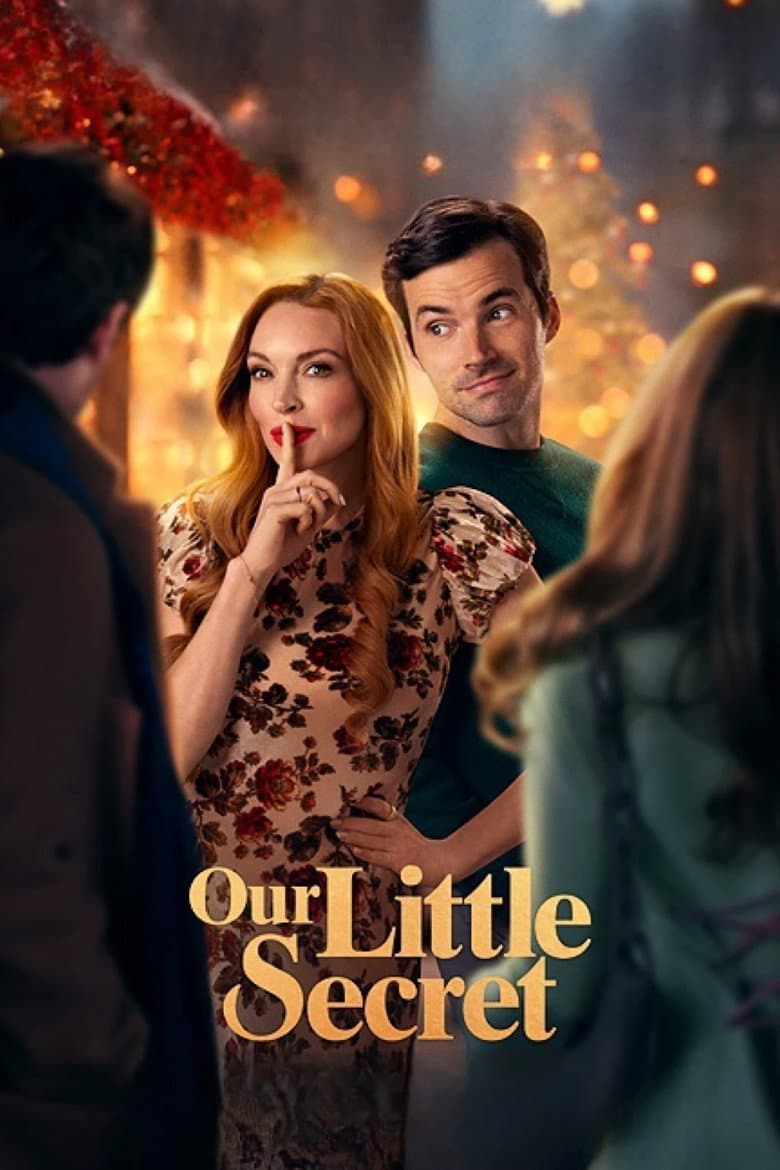
Movie · 2024
After discovering their significant others are siblings, two resentful exes must spend Christmas under one roof — while hiding their romantic history.

Movie · 2020
A teenager lives out the hilarious and often tragic consequences of being lethally attractive, until he meets a girl with a congenital defect.

Movie · 2023
Mira Ray, dealing with the loss of her fiancé, John, sends a series of romantic texts to his old cell phone number… not realizing the number was reassigned to Rob Burns' new work…
