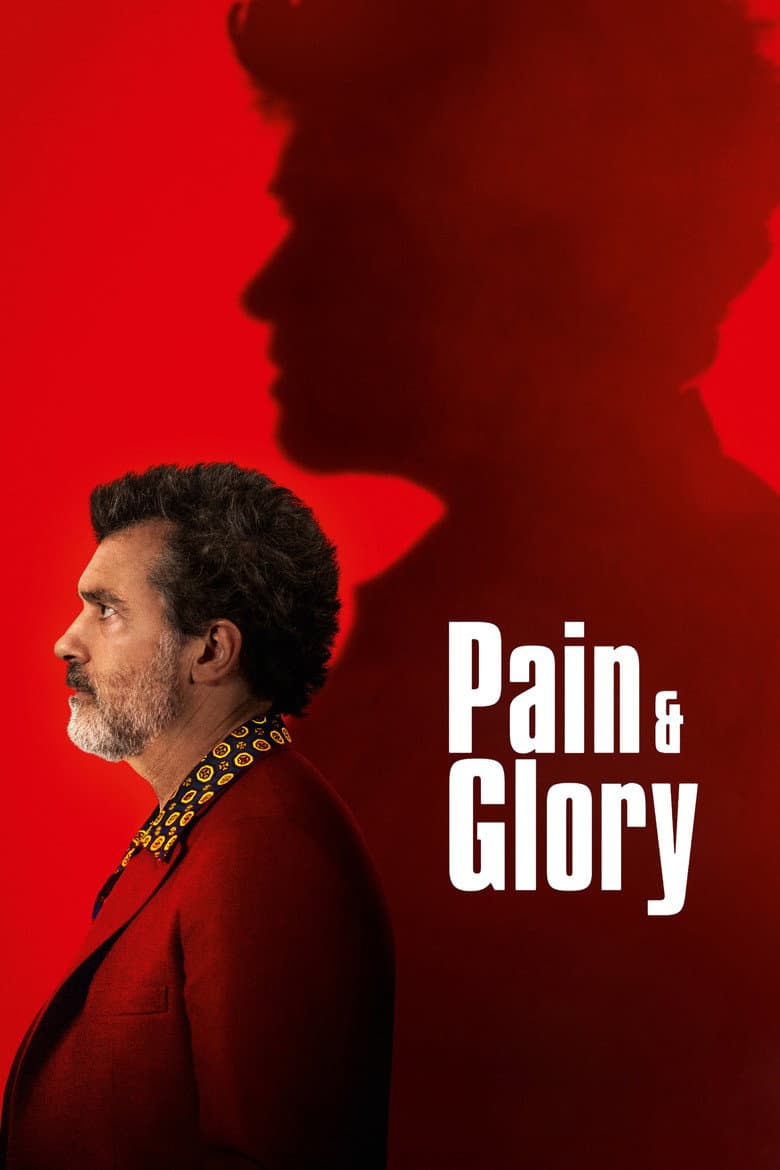
Salvador Mallo is an aging Spanish film director who can no longer work because his back pain, illness, fear, and sadness have taken over his life. He lives alone in present-day Madrid, but memories carry him back to a poor village in Valencia in the 1960s and to the free but dangerous Madrid of the 1980s. He meets an old actor, remembers his mother, and faces the lover he lost long ago. The quiet drama moves between warm memories, dry humor, drug use, regret, and the hope that telling the truth can help him live again.
The film makes Salvador’s gay identity a major part of his life story. His first desire for a man, his long love for Federico, and their tender reunion shape several key scenes. The film also shows a boy pushed toward Catholic schooling and a priest who calls cinema and the Beatles pagan, which gives the story a small anti-religious edge. These elements are personal and emotional rather than a speech about modern politics, while the main focus stays on aging, family, pain, addiction, memory, and the need to create.
Community feedback
Was our 67% Woke rating accurate?
Breakdown
These are the editorial factors and ratings behind our score for Pain and Glory.
Woke representation / casting
The cast puts a gay filmmaker and his former male lover in major roles. Antonio Banderas and Leonardo Sbaraglia make that queer representation clear on screen. The Spanish cast fits the film’s place and personal story, so there is no clear diversity quota pattern or setting mismatch. The film does not market its casting as a diversity program.
32%
Woke political dialogue
Not present. The spoken story focuses on pain, love, memory, family, and cinema. The film does not use recurring lines about DEI, gender politics, or modern activism.
0%
Identity-driven story themes
Salvador is a gay filmmaker, and his desire for men shapes his memories and choices. The story follows his first attraction to a man, his lost relationship with Federico, and their adult reunion. The film treats queer love and sexual freedom as normal parts of his life. The larger story also gives major weight to illness, grief, addiction, family, and making art.
78%
Western institutional / cultural critique
The film shows a poor boy sent toward a Catholic seminary because his family cannot afford another school. A priest scolds Salvador for liking cinema and the Beatles, calling his tastes pagan. The story links church power with old social limits, but this comes from the 1960s Franco-era setting and is not a repeated modern attack on Western institutions.
22%
Woke character or canon changes
Not relevant. The film is an original, semi-autobiographical story. It does not change an established character, canon, or real historical figure.
0%
Anti-woke backlash and complaints
Movieguide, a conservative family-review site, used insulting language about Almodóvar and objected to the film’s same-sex kissing, nudity, drug use, and anti-religious elements. The X pass found no anti-woke complaints. Reddit, Letterboxd, and major reviews mostly discussed the acting, pace, and personal story. The negative identity-focused review did not become a boycott or news cycle.
12%
Creator track record context
Pedro Almodóvar has a long record of stories about queer people, women, and resistance to authority. Esther García and Agustín Almodóvar have backed many films about LGBTQ people and others often left out of movies. Yolanda Serrano and Eva Leira have supported wider racial and LGBTQ representation in Spanish casting. This background strongly supports a high creator track record score, even though this film is personal rather than a direct political campaign.
72%
Production
Movie · 2019
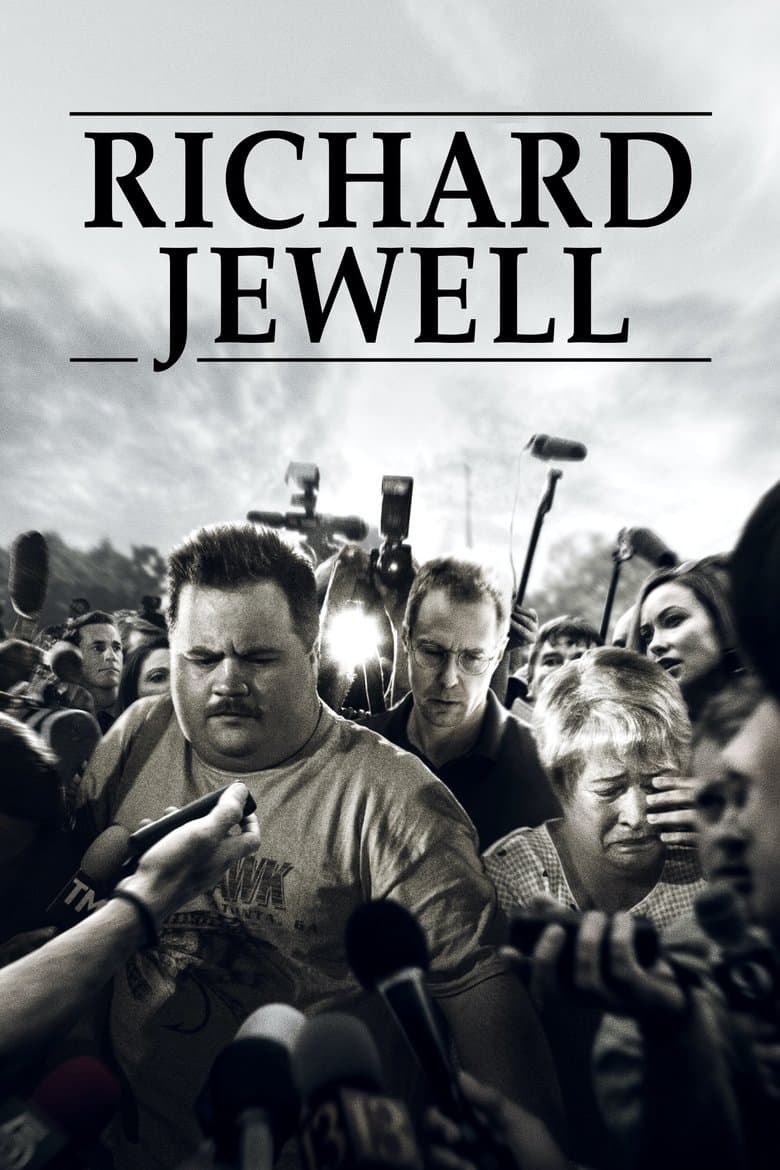
Richard Jewell thinks quick, works fast, and saves hundreds, perhaps thousands, of lives after a domestic terrorist plants several pipe bombs and they explode during a concert…
Movie · 2023
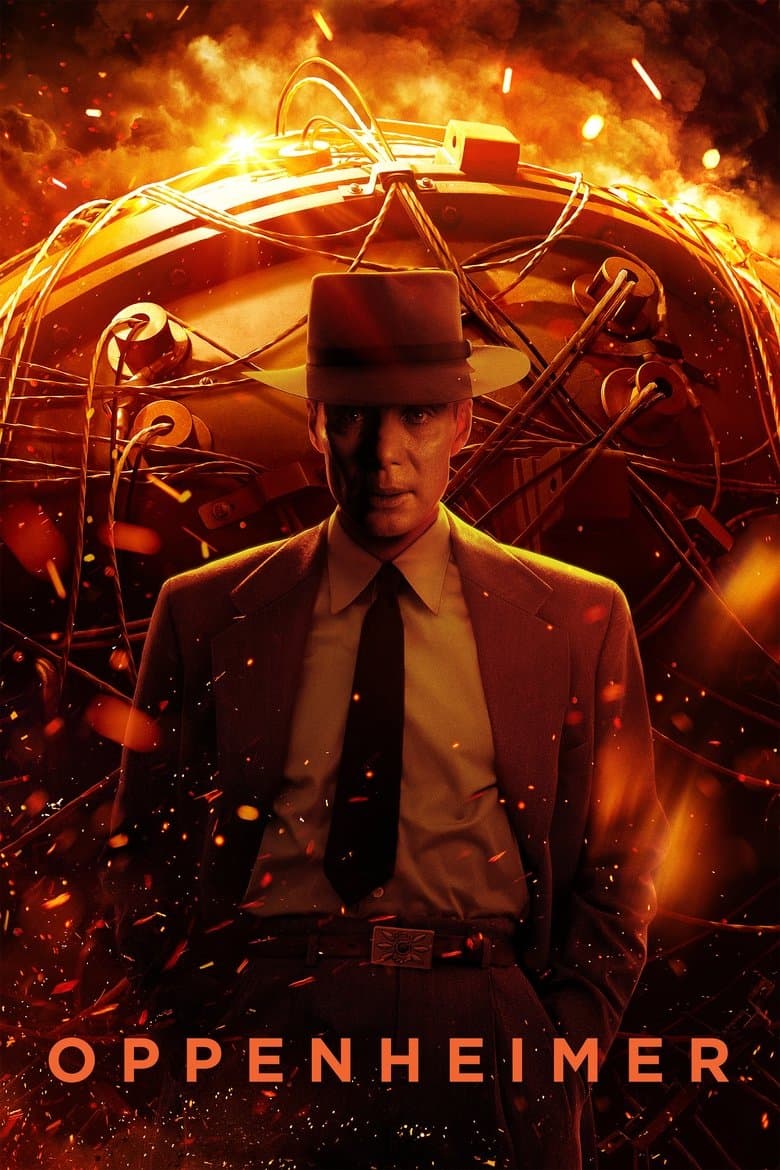
The story of J. Robert Oppenheimer's role in the development of the atomic bomb during World War II.
Movie · 2023
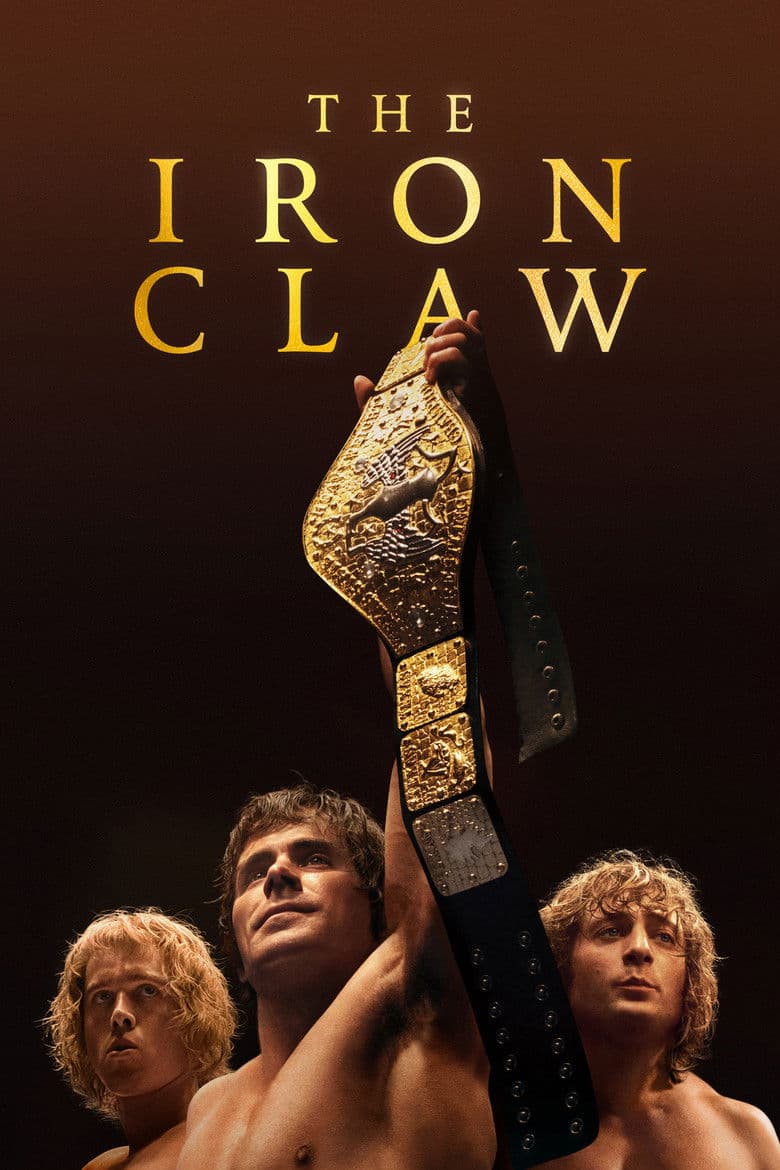
The true story of the inseparable Von Erich brothers, who made history in the intensely competitive world of professional wrestling in the early 1980s.
Movie · 2025
Diagnosed with Tourette Syndrome at 15, John Davidson navigates his way against the odds through troubled teenage years and into adulthood, finding inspiration in the kindness of…
Movie · 2017
Members of the Granite Mountain Hotshots battle deadly wildfires to save an Arizona town.
Movie · 2022
Based on a true tragedy, the emotionally triggering film sheds light on the plight of Kashmiri Pandits (Hindus), a religious minority in the 1990s Kashmir valley, who were…

Movie · 2016
After his older brother passes away, Lee Chandler is forced to return home to care for his 16-year-old nephew.
Movie · 2022
A quiet, neglected girl is sent away from her dysfunctional family to live with relatives for the summer. She blossoms in their care, but in this house where there are meant to be…
