
Novitiate follows Cathleen Harris, a Tennessee teenager who feels called to become a Catholic nun. The story moves from the 1950s into 1964, when Cathleen trains inside a strict convent during the Vatican II changes. She faces public confession, harsh punishment, hunger, doubts about God, and pressure from her mother. The tone is quiet, serious, and often disturbing, but it also shows warmth and friendship among the young women.
The film gives strong weight to women’s inner lives, choices, and sexual feelings. Cathleen falls in love with Sister Emanuel, and their same-sex encounter makes her question whether human love can matter as much as love for God. The story contrasts the cruel Reverend Mother with younger nuns who want a kinder and more open church. Vatican II brings religious tolerance, less punishment, and more freedom for women, while the ending leaves Cathleen’s faith and future partly open.
Community feedback
Was our 52% Woke rating accurate?
Breakdown
These are the editorial factors and ratings behind our score for Novitiate.
Woke representation / casting
Not present. The cast is mostly women because the story takes place in a women’s convent. The main roles fit the setting and are not shown as a diversity-first casting pattern.
0%
Woke political dialogue
The film includes spoken support for Vatican II reforms. The dialogue calls for religious tolerance, less self-punishment, freedom from the habit, and equal status for nuns. Younger nuns also argue that the church has not changed enough. These lines are tied to the 1960s church story, so the political dialogue is mild.
18%
Identity-driven story themes
The film repeatedly centers women’s love, sexual desire, and choices about their own lives. Cathleen falls for Sister Emanuel and says the intimacy does not feel like a sin, even though the convent teaches that it is wrong. The story treats her need for comfort and love as a serious human need. The same-sex relationship is important, but the larger story also focuses on faith, obedience, and spiritual doubt.
54%
Western institutional / cultural critique
The convent treats obedience, silence, and harsh punishment as tools for controlling women. The story shows the Reverend Mother using church authority to silence questions and shame normal feelings. Male church leaders impose Vatican II changes without asking the women whose lives will change. The film links this conflict to sexism and lost female control, but it stays inside a 1960s church story.
47%
Woke character or canon changes
Not relevant. The film is an original fictional story about a made-up convent. It does not change an established character, source, or real historical person.
0%
Anti-woke backlash and complaints
Catholic League called the film a Catholic-bashing attack and linked it to liberal Hollywood. Catholic Stand objected to the progressive nun and the film’s sexual view of religious life. A Catholic News Service review also objected to the same-sex intimacy and the idea that human love could be greater than love of God. X showed no anti-woke reaction, and no large campaign was reported.
24%
Creator track record context
Margaret Betts has a cached woke score of 46/100 and a record of feminist themes and criticism of patriarchal power. Her interviews about this film stress women’s choices and institutional control of private life. Trudie Styler has a cached score of 29/100 from environmental and humanitarian work. The other cached key people have low or zero scores, so the wider creator context is mixed.
31%
Production

Movie · 2016
After his older brother passes away, Lee Chandler is forced to return home to care for his 16-year-old nephew.

Movie · 2016
WWII American Army Medic Desmond T. Doss, who served during the Battle of Okinawa, refuses to kill people and becomes the first Conscientious Objector in American history to…

Movie · 2023
The story of J. Robert Oppenheimer's role in the development of the atomic bomb during World War II.

Movie · 2025
Diagnosed with Tourette Syndrome at 15, John Davidson navigates his way against the odds through troubled teenage years and into adulthood, finding inspiration in the kindness of…

Movie · 2017
Members of the Granite Mountain Hotshots battle deadly wildfires to save an Arizona town.
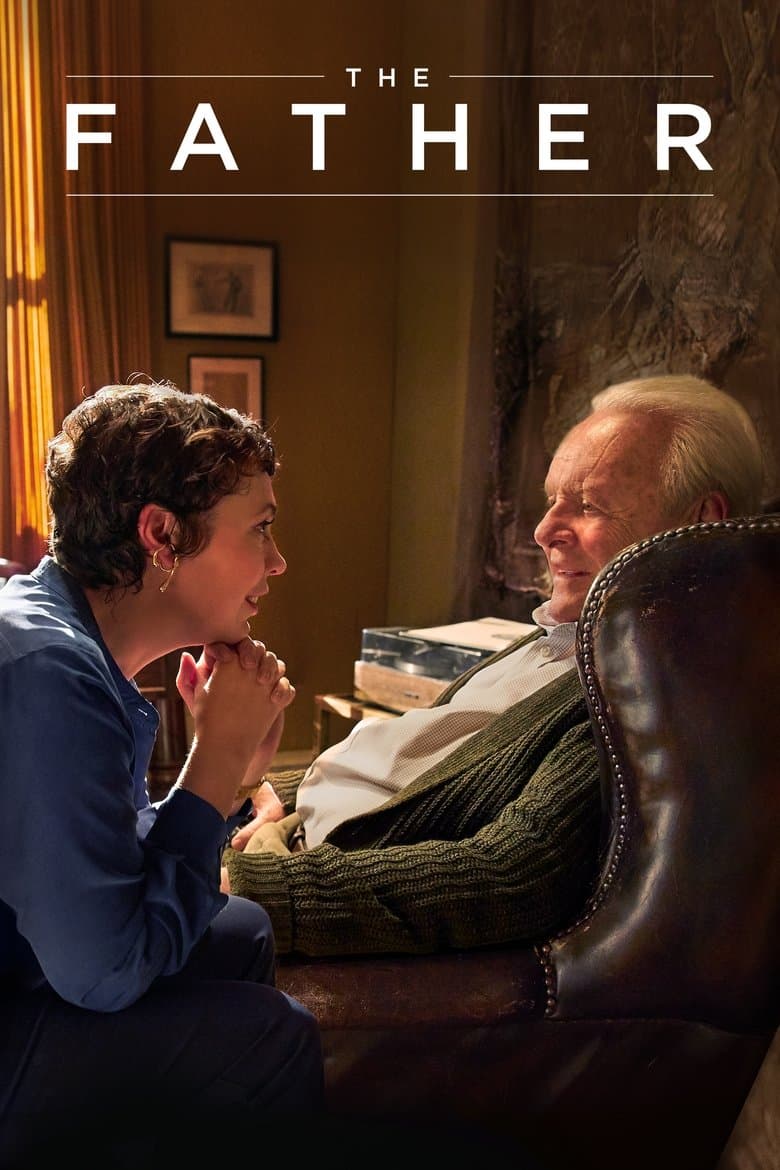
Movie · 2020
A man refuses all assistance from his daughter as he ages and, as he tries to make sense of his changing circumstances, he begins to doubt his loved ones, his own mind and even…
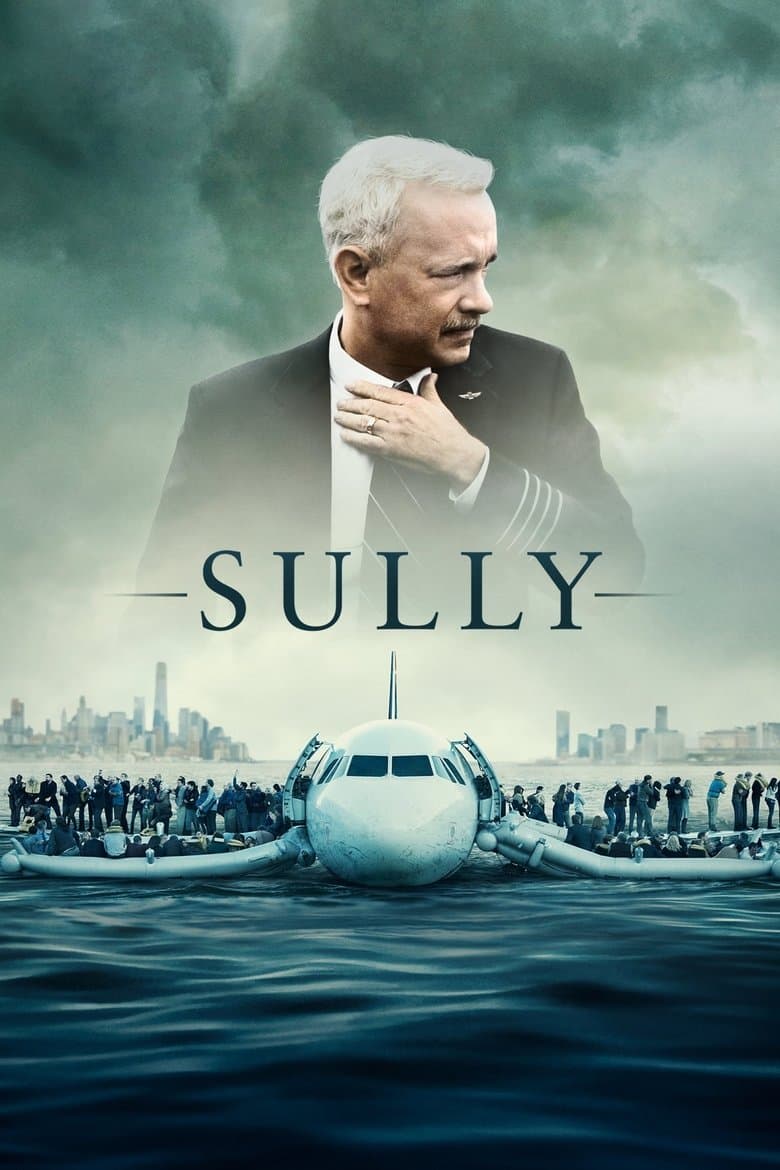
Movie · 2016
On 15 January 2009, the world witnessed the 'Miracle on the Hudson' when Captain 'Sully' Sullenberger glided his disabled plane onto the Hudson River, saving the lives of all 155…
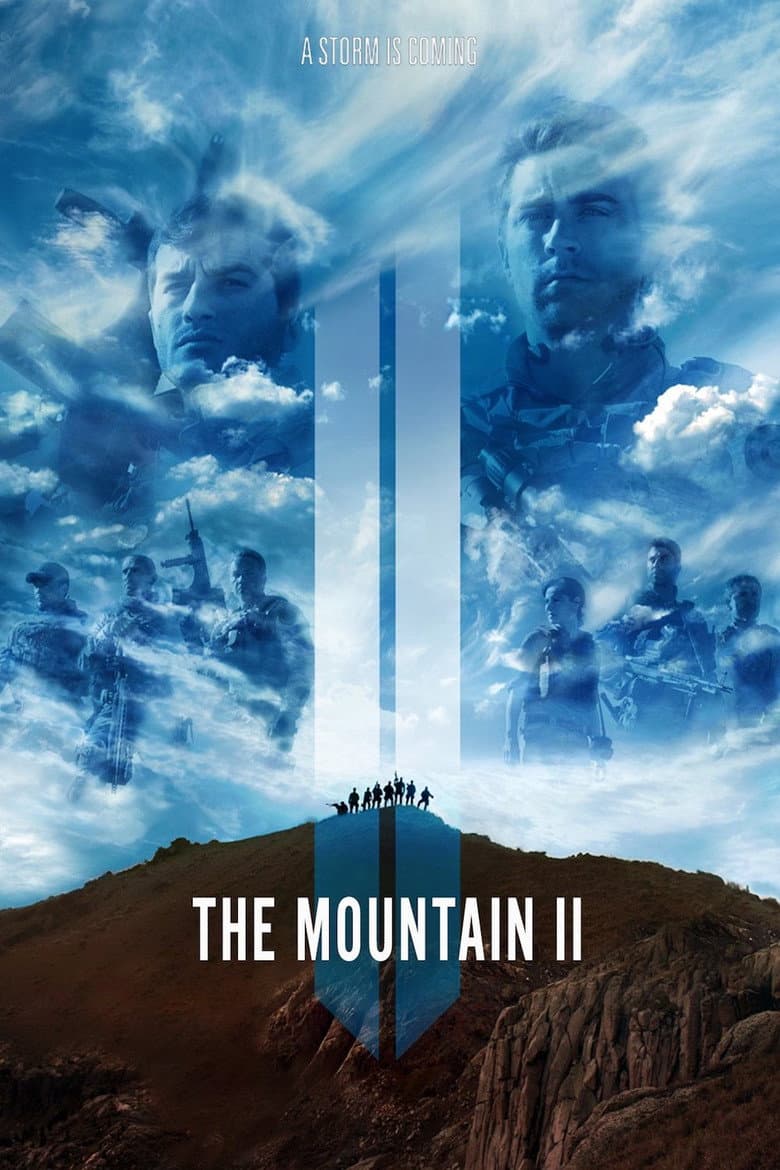
Movie · 2016
In a desolate war zone where screams of the innocent echo, on the very line between disaster and valor, 7 Maroon Berets will dance with death.
