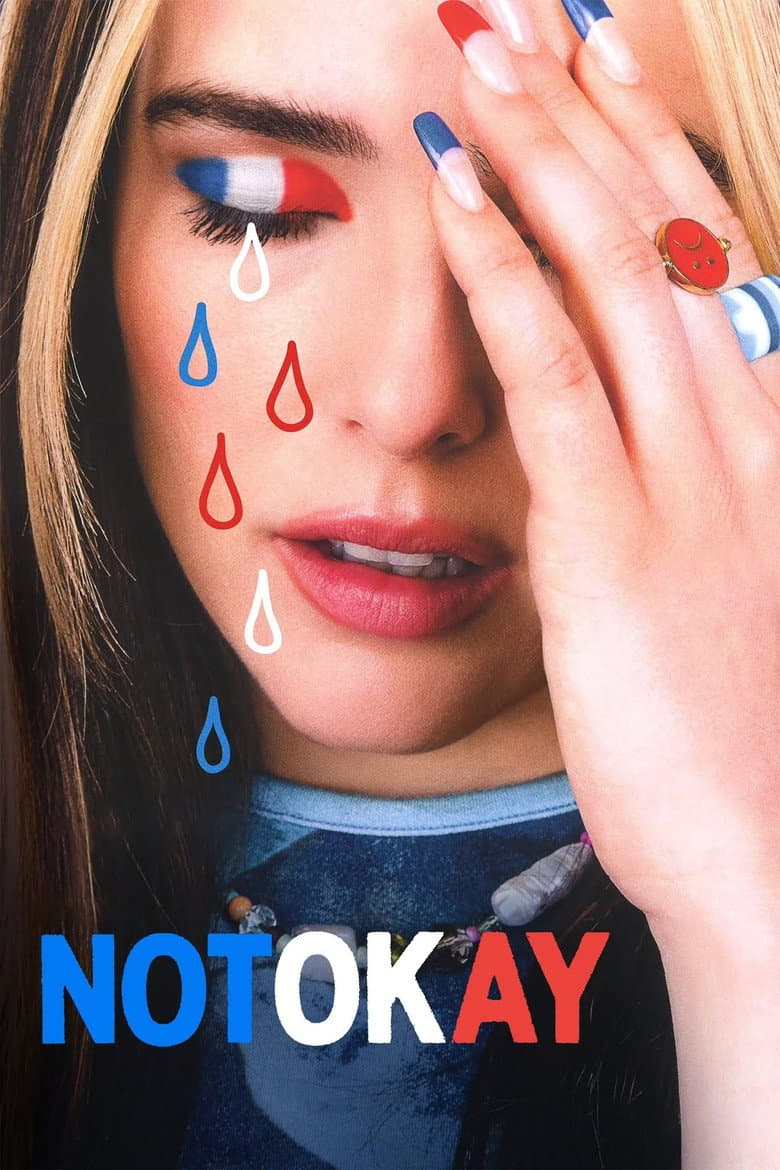
Danni Sanders works as a photo editor in New York and dreams of online fame. She fakes a trip to Paris to impress a coworker and gain more followers. A real bombing makes people think she survived the attack, and she keeps the lie alive because the attention feels good. The movie starts as a bright and awkward comedy, but it turns serious as Danni hurts people who trusted her.
Danni befriends Rowan, a black teen who survived a school shooting and now fights for gun reform. The story often links Danni's bad choices to white privilege, fake activism, and her habit of taking words and pain from others. Queer coworkers also call out Danni, while right-wing trolls attack Rowan after a gun-control rally. These ideas shape the second half and the ending, where Rowan takes the stage and the movie refuses to make Danni the hero.
Community feedback
Was our 73% Woke rating accurate?
Breakdown
These are the editorial factors and ratings behind our score for Not Okay.
Woke representation / casting
The New York cast places several identity-focused characters around the white lead. Rowan is a black teen activist who becomes the story's strongest and most trusted voice. Danni's boss is a woman of color, while Harper and other coworkers are openly queer. The modern city setting makes the mix believable, but the repeated pattern gives diverse characters the most power to judge Danni.
33%
Woke political dialogue
The film repeatedly uses words such as white privilege, ally, activist, and alt-right. Rowan leads a gun reform group, gives numbers about mass shootings, speaks at a rally, and faces right-wing abuse. Danni uses Rowan's words to build a viral activist image. These issues form a major part of the second half, though the first half spends more time on social media and Danni's lie.
58%
Identity-driven story themes
The story frames Danni as a privileged white woman who takes attention and ideas from a black teen survivor. Harper's queer point of view helps expose Danni and demand an apology to Rowan. The ending gives Rowan a long speech about having her pain and voice taken by people like Danni. The movie makes this race, privilege, and identity frame central to Danni's fall, even though the fake Paris trip starts the plot.
65%
Western institutional / cultural critique
The film attacks influencer culture, online news built to get clicks, fake activism, and public shaming. It also shows gun culture and right-wing trolls as cruel forces that harm Rowan. Colin gets easy fame while acting shallow and selfish, while Danni's workplace rewards her false victim story. The critique runs through the full movie, but it targets modern media more than Western society as a whole.
57%
Woke character or canon changes
Not relevant. This is an original story with no earlier canon or real figure being changed.
0%
Anti-woke backlash and complaints
A large conservative YouTube channel put the movie through a woke-score review, which drew about 28,000 views. A Christian review site called the anti-gun subplot politically correct and objected to gay references. One viewer review said the film used real shootings to look woke. These complaints stayed limited, and no large organized anti-woke campaign or lasting fight appeared.
24%
Creator track record context
Writer and director Quinn Shephard has a cached score of 62 and a clear history of queer work. Producer Zoey Deutch has a cached score of 40 from abortion-rights and women's-rights work. The other cached producer scores range from 16 to 46, while casting director Jessica Kelly has 11. The title's focus on privilege, queer viewpoints, and activism matches the stronger parts of that record.
45%
Production
Movie · 2025
Tenderly captures a year in the life of a family as the parents navigate their separation. Through both playful and heartfelt moments, the film portrays the bittersweet essence of…
Movie · 2023
Single mom Flora is at a loss about what to do with her rebellious teenage son, Max. Her efforts to keep him out of trouble lead to a beat-up acoustic guitar, a washed-up LA…
Movie · 2019
An unlikely friendship between two neighbors becomes an unexpectedly emotional journey when the younger man is diagnosed with terminal cancer.
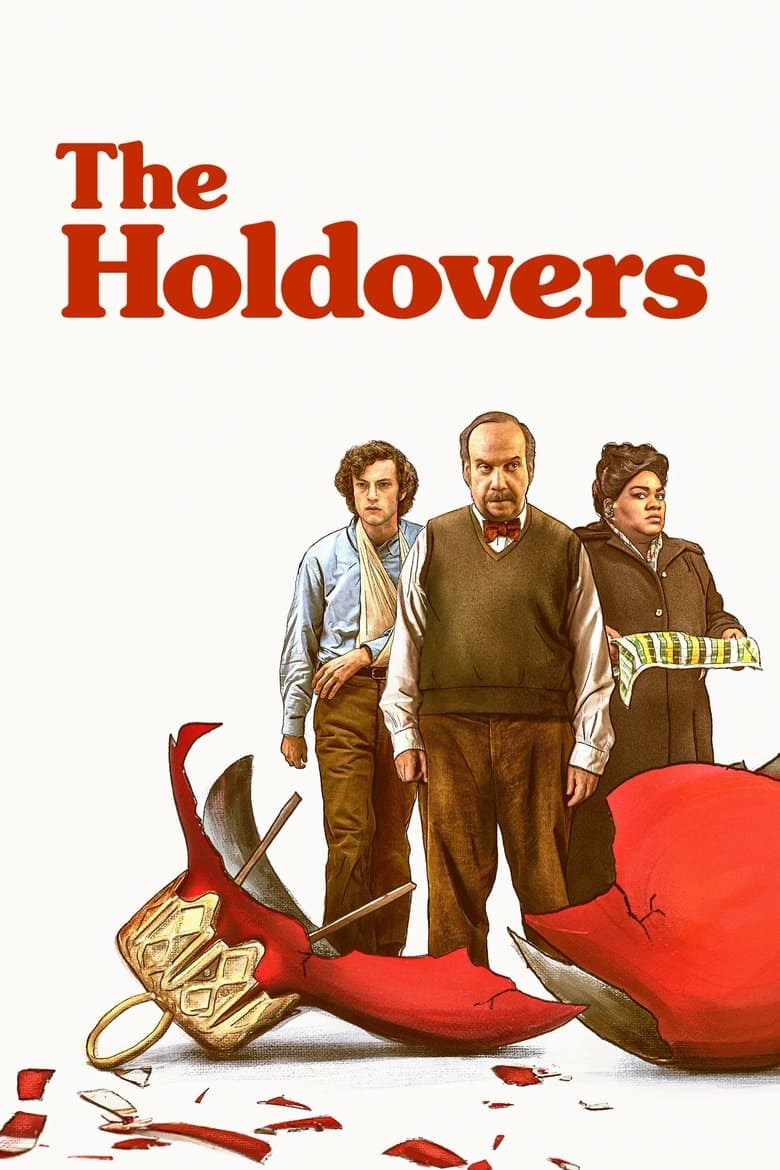
Movie · 2023
A curmudgeonly instructor at a New England prep school is forced to remain on campus during Christmas break to babysit the handful of students with nowhere to go.
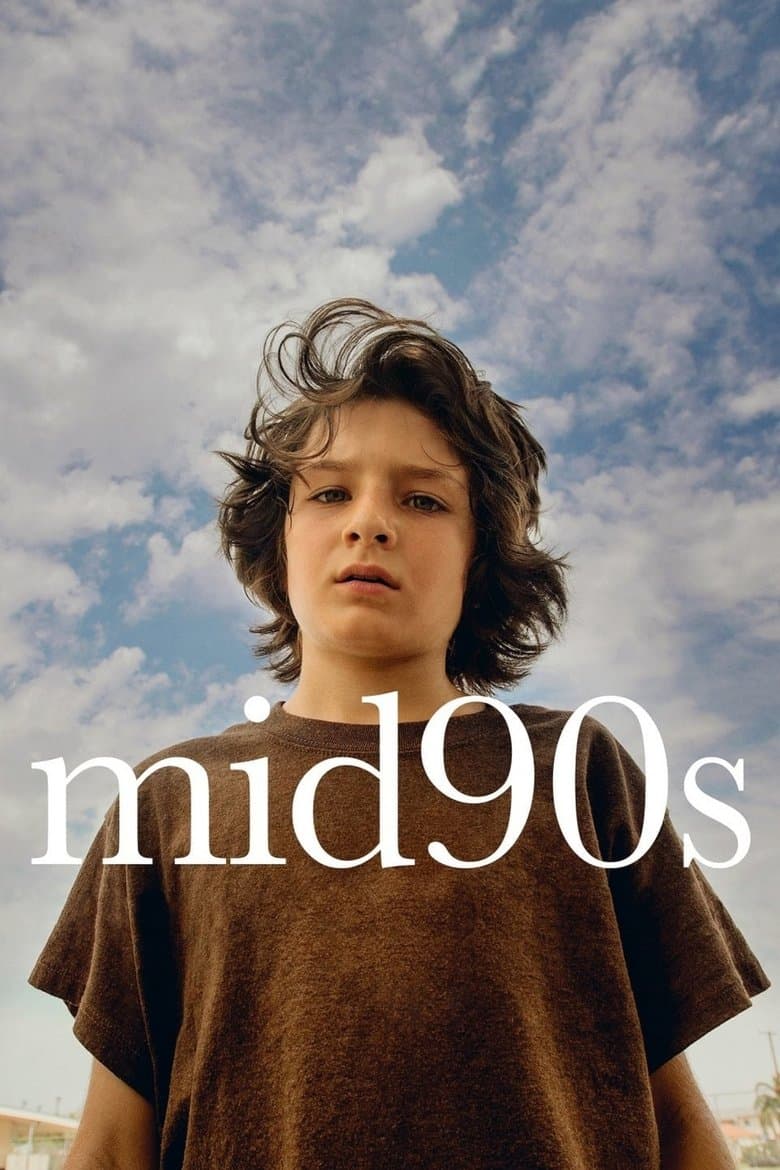
Movie · 2018
In 1990s Los Angeles, a 13-year-old spends his summer navigating between a troubled home life and a crew of new friends he meets at a skate shop.
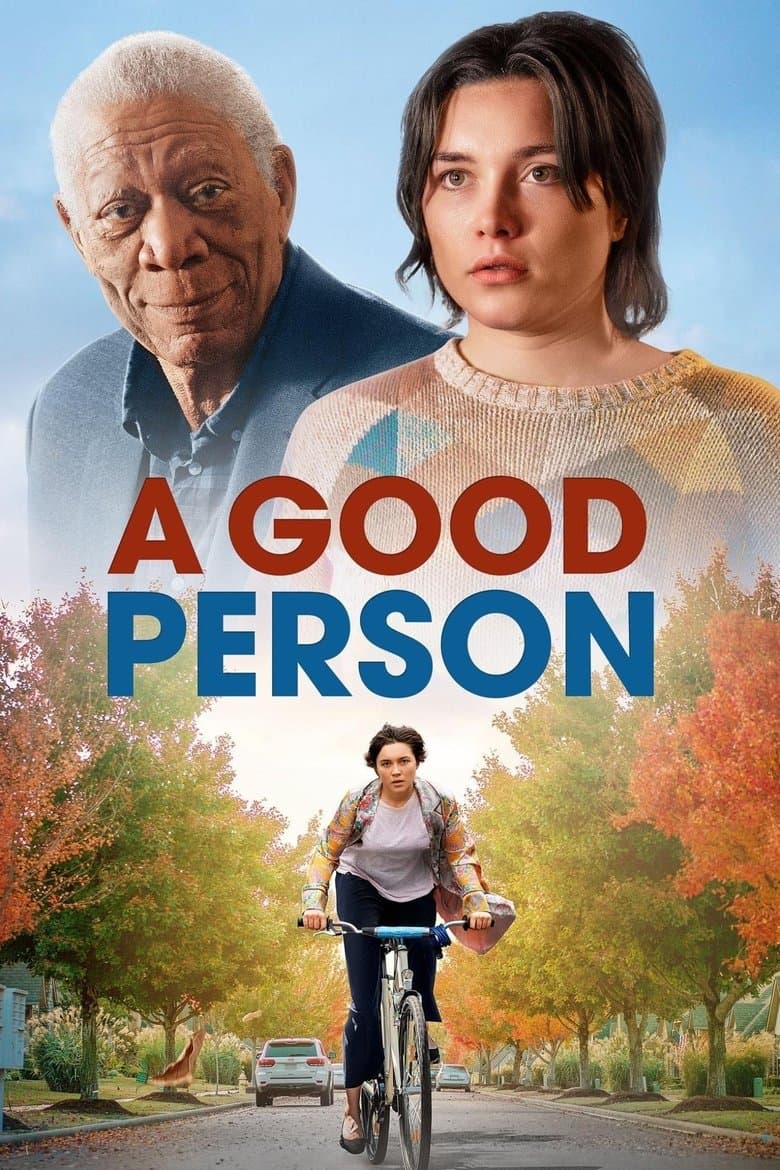
Movie · 2023
Allison's life falls apart following her involvement in a fatal accident. The unlikely relationship she forms with her would-be father-in-law helps her live a life worth living.
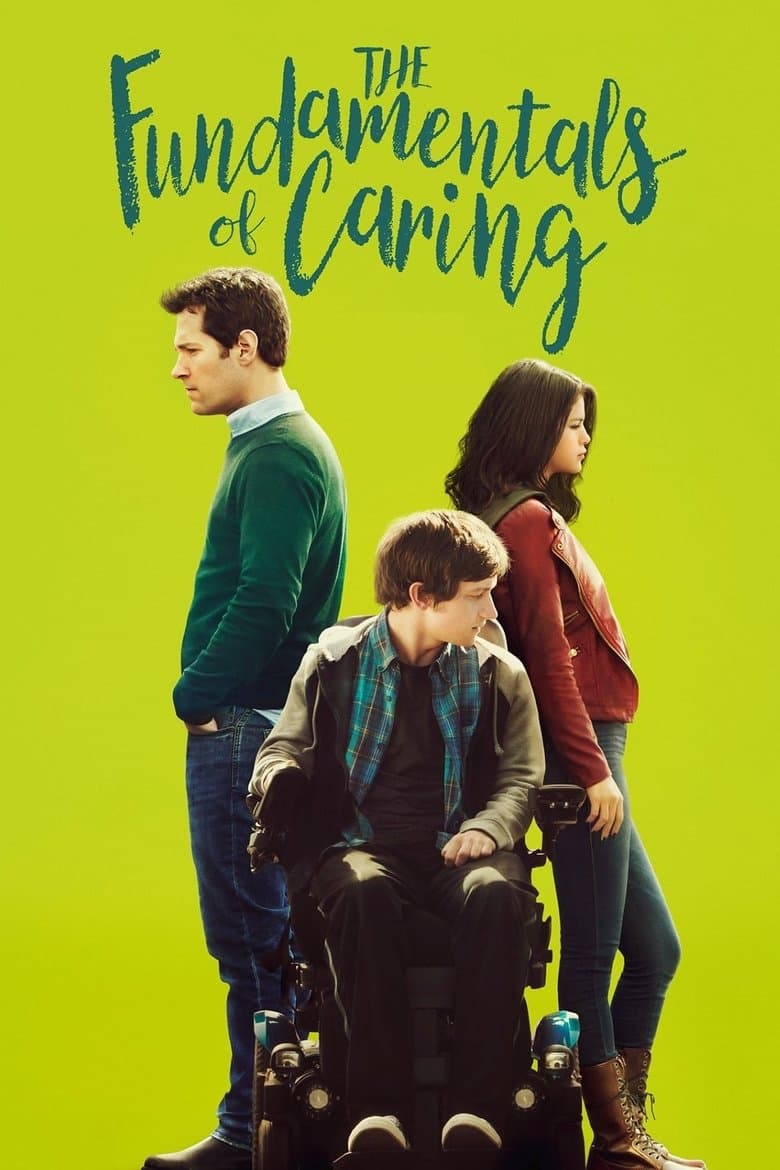
Movie · 2016
Having suffered a tragedy, Ben becomes a caregiver to earn money. His first client, Trevor, is a hilarious 18-year-old with muscular dystrophy.
Movie · 2024
In 2008, during the last month of summer before high school begins, an impressionable 13-year-old Taiwanese American boy learns what his family can't teach him: how to skate, how…
