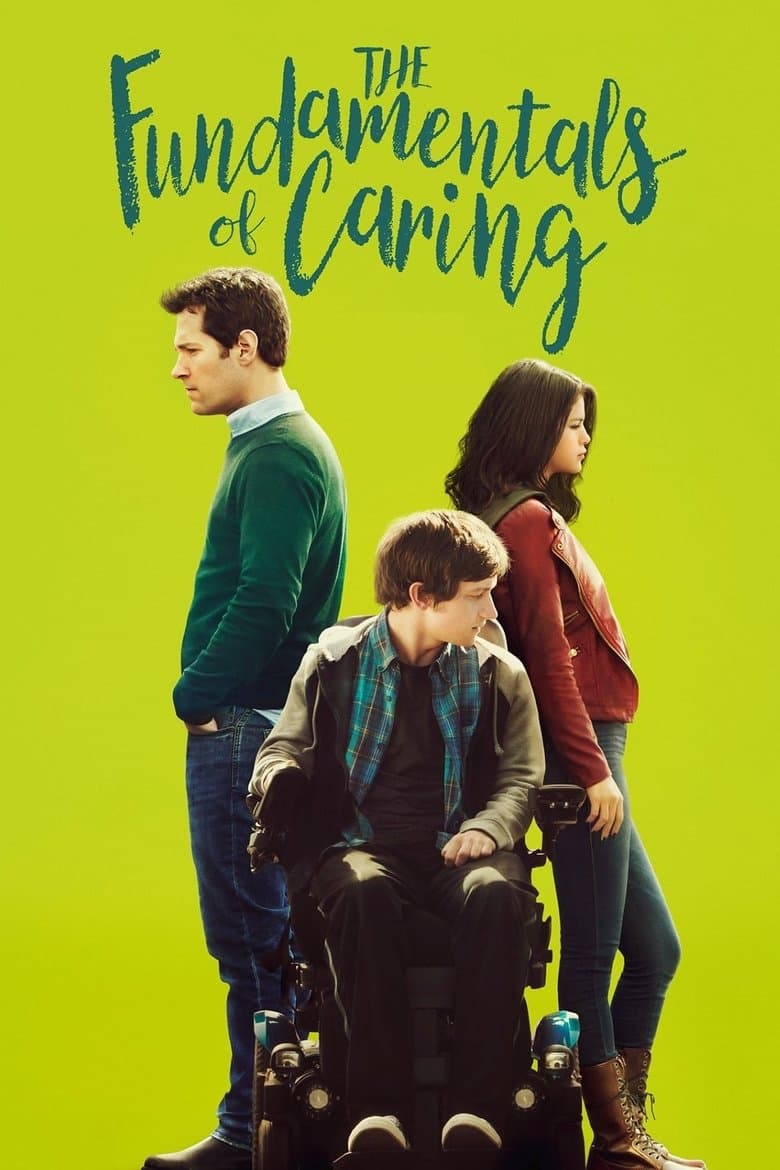
Ben Benjamin is a grieving former writer whose young son died in an accident. He becomes a paid caregiver for Trevor, an 18-year-old with Duchenne muscular dystrophy. They bond through daily routines and dark humor. Later they take a western road trip toward a giant open-pit mine and toward Trevor’s estranged father. Along the way they pick up hitchhiker Dot and pregnant Peaches.
The film focuses on grief, friendship, the limits of caregiving, abandonment, and living with irreversible loss. It does not center race, gender ideology, queer identity, or institutional DEI critique. Disability shapes the plot as personal human drama rather than as identity politics. Father abandonment and divorce stay personal rather than ideological. There is no activist attack on Western institutions or culture-war framing in the story itself.
Community feedback
Was our 8% Woke rating accurate?
Breakdown
These are the editorial factors and ratings behind our score for The Fundamentals of Caring.
Woke representation / casting
The leads are white in a modern U.S. road-trip story, and Selena Gomez plays one major supporting hitchhiker. There is no engineered multi-identity cast and no hero framed as a first of a kind. Disability is the medical base of the plot, not quota casting by race, gender, or queer identity.
5%
Woke political dialogue
Not present. Dialogue is grief, crude teen humor, caregiver mechanics, father abandonment, and friendship, with no activist race, gender, DEI, or identity-politics lectures in reliable plot and review accounts.
0%
Identity-driven story themes
Disability and caretaking drive the film as personal human drama about friendship, hope, and loss. The story does not push systemic ableism as identity politics, race or gender messaging, queer coming-out, or representation-first social-justice framing.
5%
Western institutional / cultural critique
Not present. No activist attack on Western institutions, Christianity, traditional family as such, toxic-masculinity thesis, or anti-conservative culture-war framing. Father abandonment and divorce are personal, not ideological.
0%
Woke character or canon changes
Not relevant. The adaptation compresses Evison’s novel into a road comedy-drama with no reported race, gender, or sexuality identity-driven rewrites of established characters or historical figures.
0%
Anti-woke backlash and complaints
Not present. No meaningful right-leaning or anti-woke complaints that the film pushes woke, DEI, or identity politics. Disability-community criticism of able-bodied casting and inspiration marketing is left-side representation critique and does not count here.
0%
Creator track record context
Writer-director Rob Burnett scores low on this factor given a craft and Letterman comedy track. Source novelist Jonathan Evison and producers tied to Hidden Figures and underrepresented-story packaging raise ambient context without reshaping this title’s content.
20%
Production
Movie · 2019
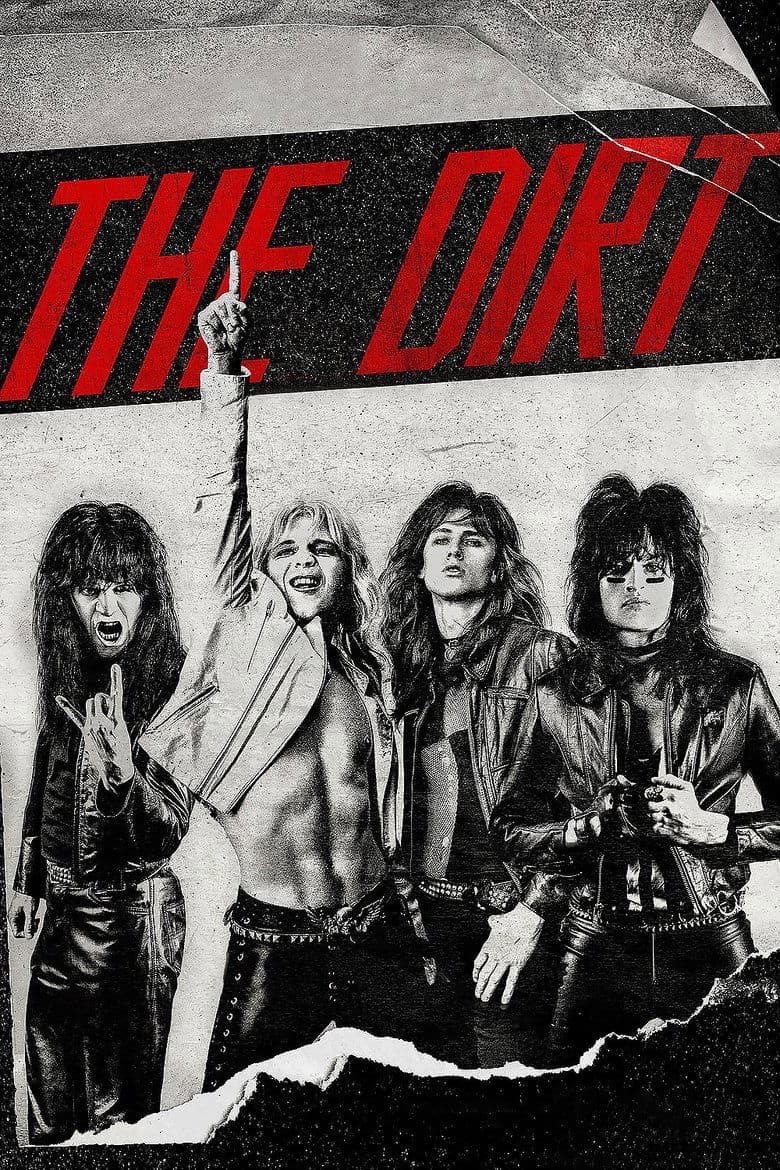
The story of Mötley Crüe and their rise from the Sunset Strip club scene of the early 1980s to superstardom.
Movie · 2018
Vignettes weaving together the stories of six individuals in the old West at the end of the Civil War. Following the tales of a sharp-shooting songster, a wannabe bank robber, two…
Movie · 2017
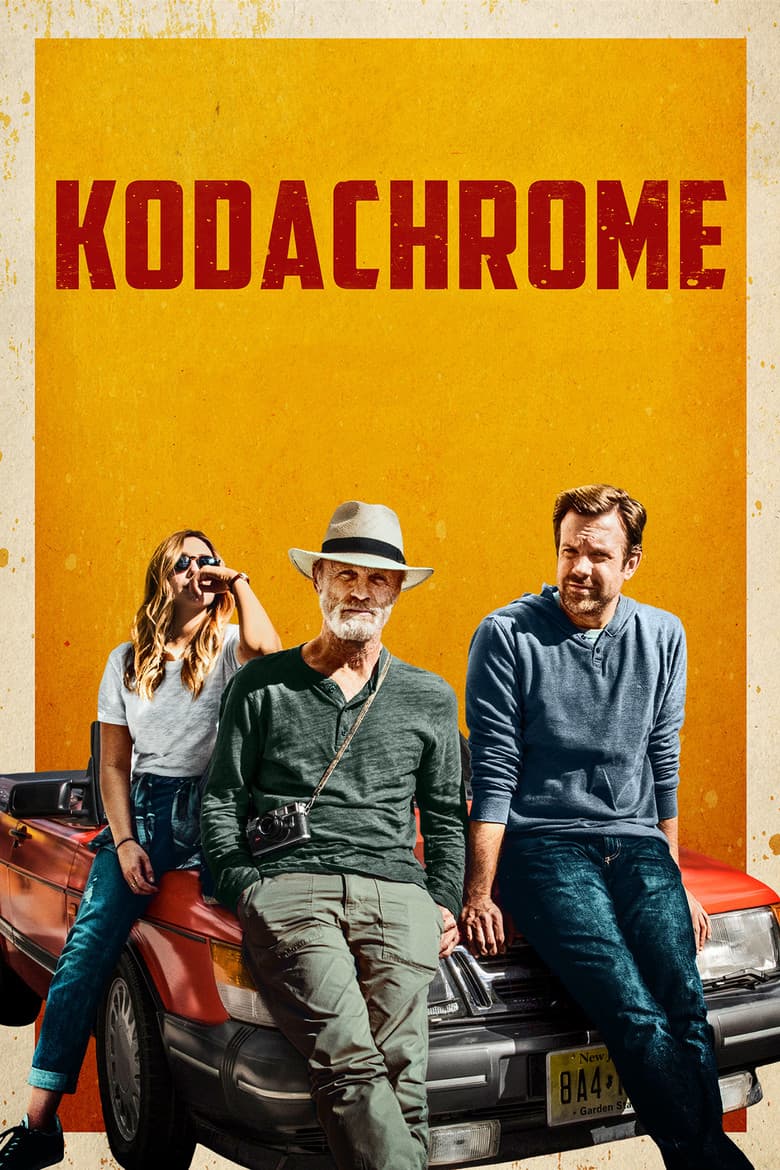
Matt Ryder is convinced to drive his estranged and dying father Benjamin Ryder cross country to deliver four old rolls of Kodachrome film to the last lab in the world that can…
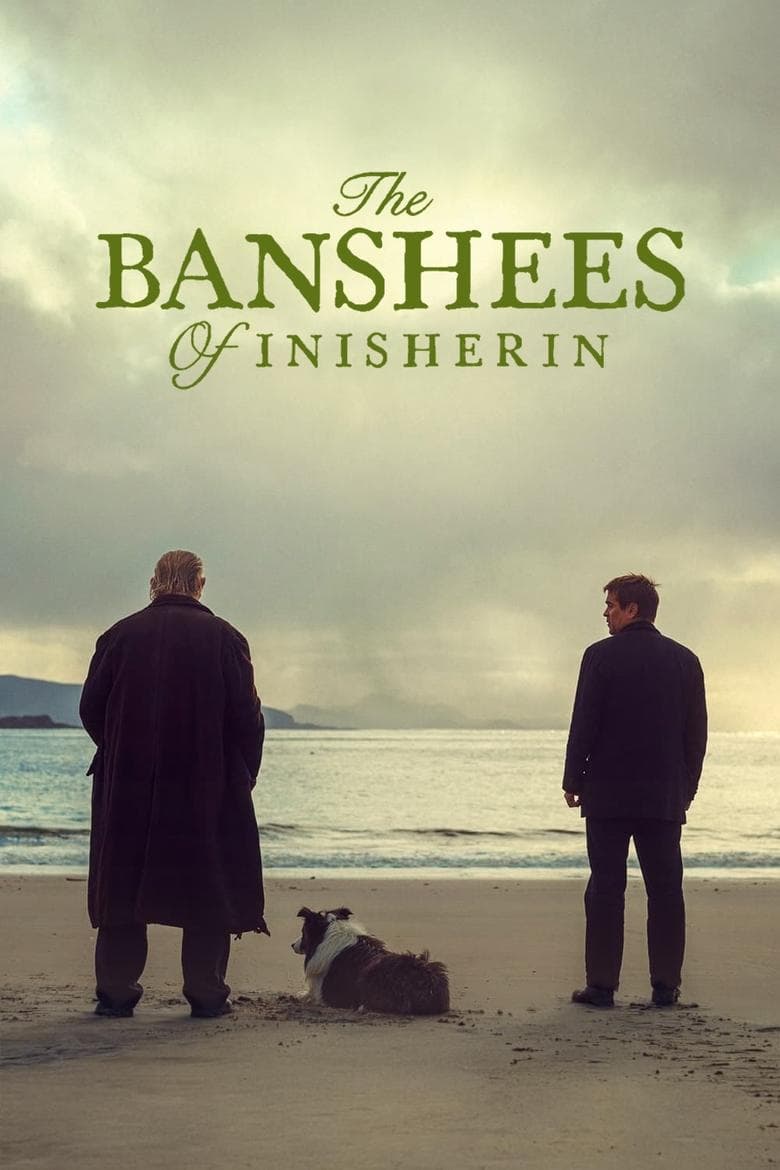
Movie · 2022
Two lifelong friends find themselves at an impasse when one abruptly ends their relationship, with alarming consequences for both of them.
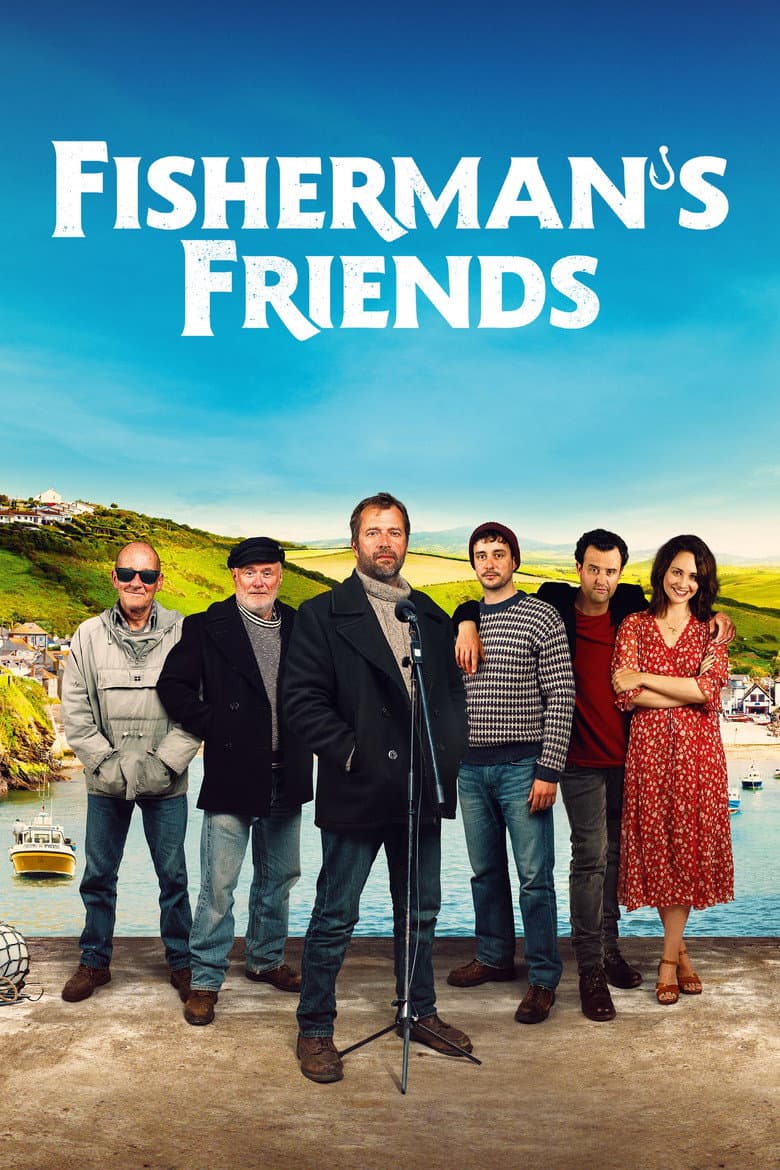
Movie · 2019
Ten fishermen from Cornwall are signed by Universal Records and achieve a top ten hit with their debut album of Sea Shanties.
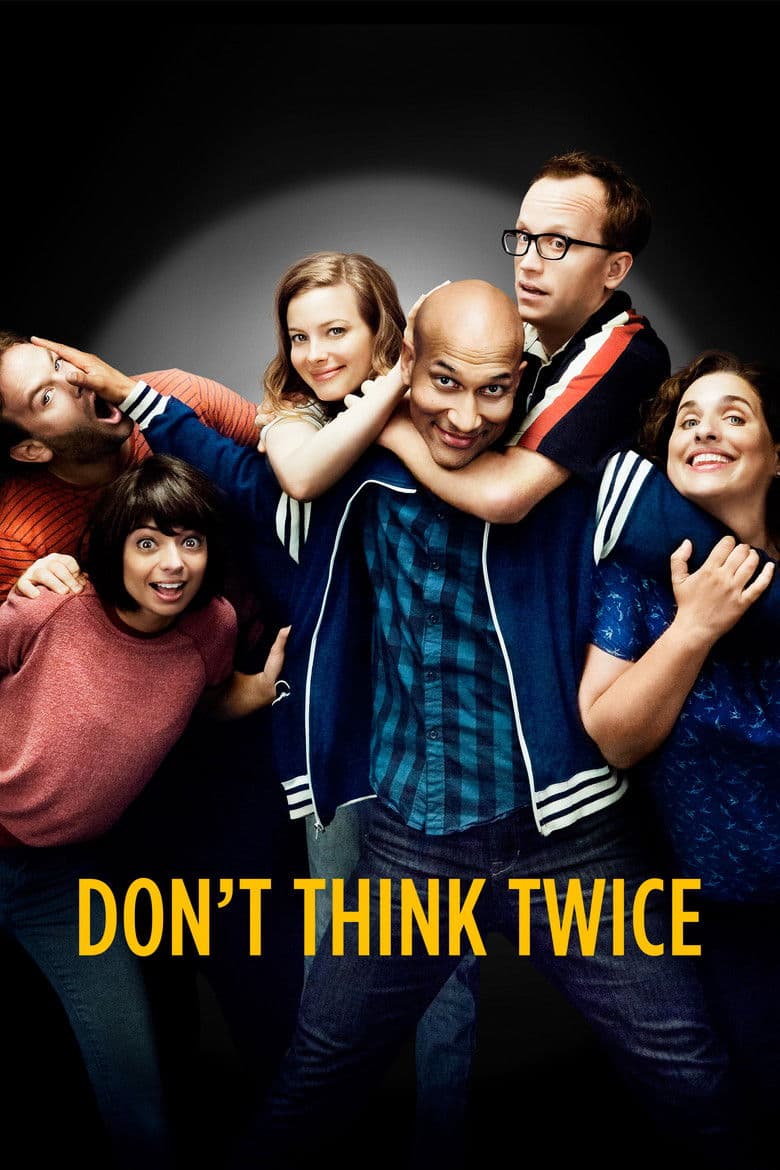
Movie · 2016
An improv group deals with several crises, including the loss of their lease and one member hitting the big time.

Movie · 2018
An American hypochondriac who is working as a baggage handler is forced to confront his fears when a British teenager with a terminal illness enlists him to help her carry out her…

Movie · 2019
An unlikely friendship between two neighbors becomes an unexpectedly emotional journey when the younger man is diagnosed with terminal cancer.
