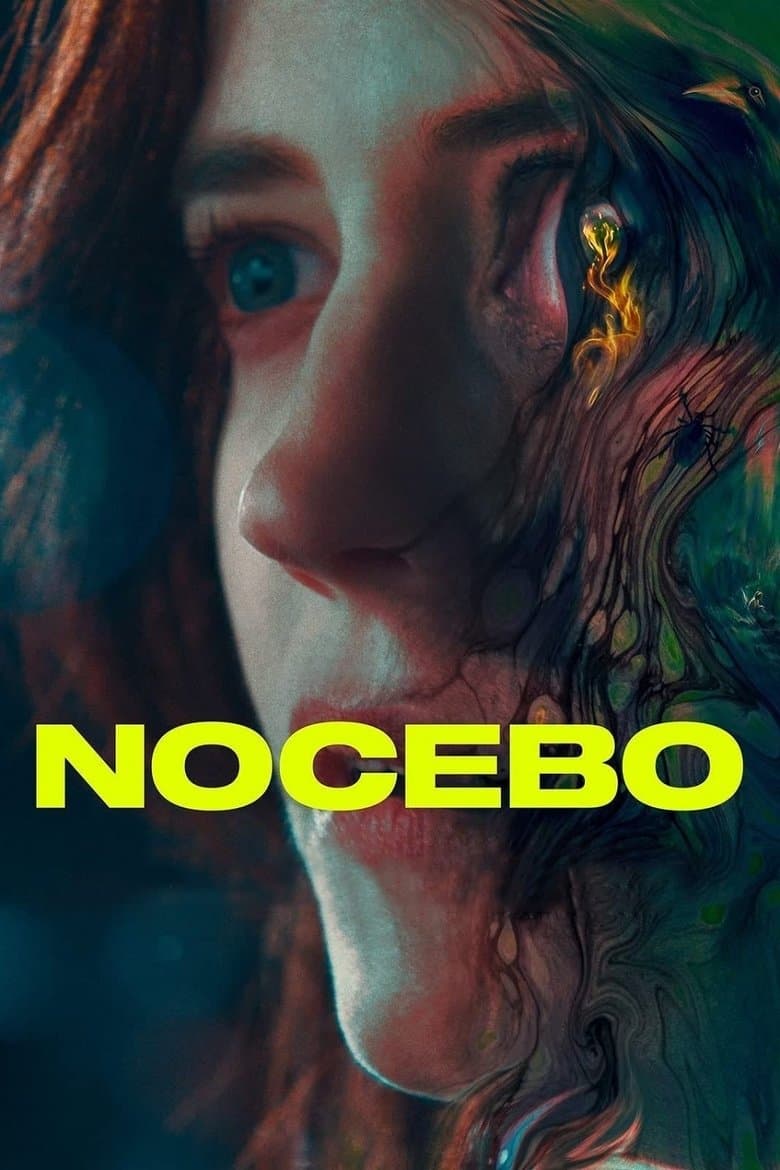
Christine is a successful children's fashion designer who lives with her husband and young daughter in a rich London home. A strange illness leaves her shaking, forgetful, and afraid while doctors cannot explain what is wrong. Diana, a Filipino caregiver, arrives without warning and uses folk healing that seems to make Christine better. The calm home slowly becomes a dark and tense place as Diana gains control and hidden guilt comes back.
The main social message links Christine's fashion success to poor women making cheap clothes in a dangerous Filipino factory. The story shows Christine raising work targets and asking for the only door to be locked, which later traps workers and Diana's daughter in a fire. Diana changes from hired help into a powerful judge who forces her rich Western employer to feel the workers' pain. This message about wealth and Western control drives the final truth and the revenge, while the first part mostly plays as a slow supernatural mystery.
Community feedback
Was our 61% Woke rating accurate?
Breakdown
These are the editorial factors and ratings behind our score for Nocebo.
Woke representation / casting
Diana is a Filipino co-lead, not a small background role. The story makes her the most powerful person and gives her culture a major place. Chai Fonacier is from Cebu and matches the role's language and roots. Interview coverage sold the role as Bisaya and Filipina representation, though Fonacier said the story mattered more than the milestone.
24%
Woke political dialogue
Christine calls distant workers her “little helpers” and accepts very cheap overseas production. In the final factory scene, she pushes the rate from 25 to 30 shirts an hour and asks for the exit to be locked. Diana calls Christine a tick that feeds on the workers. This clear class message is strong, but most of the direct political talk is saved for the ending.
33%
Identity-driven story themes
The story builds its moral split around a rich Western woman and the Filipino woman harmed by her business. Diana's folk culture gives her healing power, knowledge, and the power to judge Christine. The hired helper becomes the master while the employer is forced into the worker's place. The film centers country and class differences more than race or gender speeches.
48%
Western institutional / cultural critique
Christine's London wealth depends on cheap overseas labor. Her demand for more output and a locked door helps cause a factory fire that kills Diana's daughter and many workers. The movie treats fast fashion and Western buying habits as a system that hides suffering far away. Diana's revenge makes this charge the cause and final answer to the whole mystery.
68%
Woke character or canon changes
Not relevant. The movie uses an original story and does not alter an earlier character or real person.
0%
Anti-woke backlash and complaints
A few IMDb user reviews called the sweatshop ending a political agenda. Some said the movie blames white Western people or feels made for left-wing viewers. These complaints match the film's clear class message. The reaction stayed small and did not become a major news or social media campaign.
18%
Creator track record context
Lorcan Finnegan's cached score is 28 because his films often give mild left-wing criticism of consumer culture and colonial power. Garret Shanley's cached score is 15 and shows no activist public record. Most casting and production scores are low, usually below 30. Bradley Liew at 38 and Bianca Balbuena at 48 are the main higher producer scores.
23%
Production
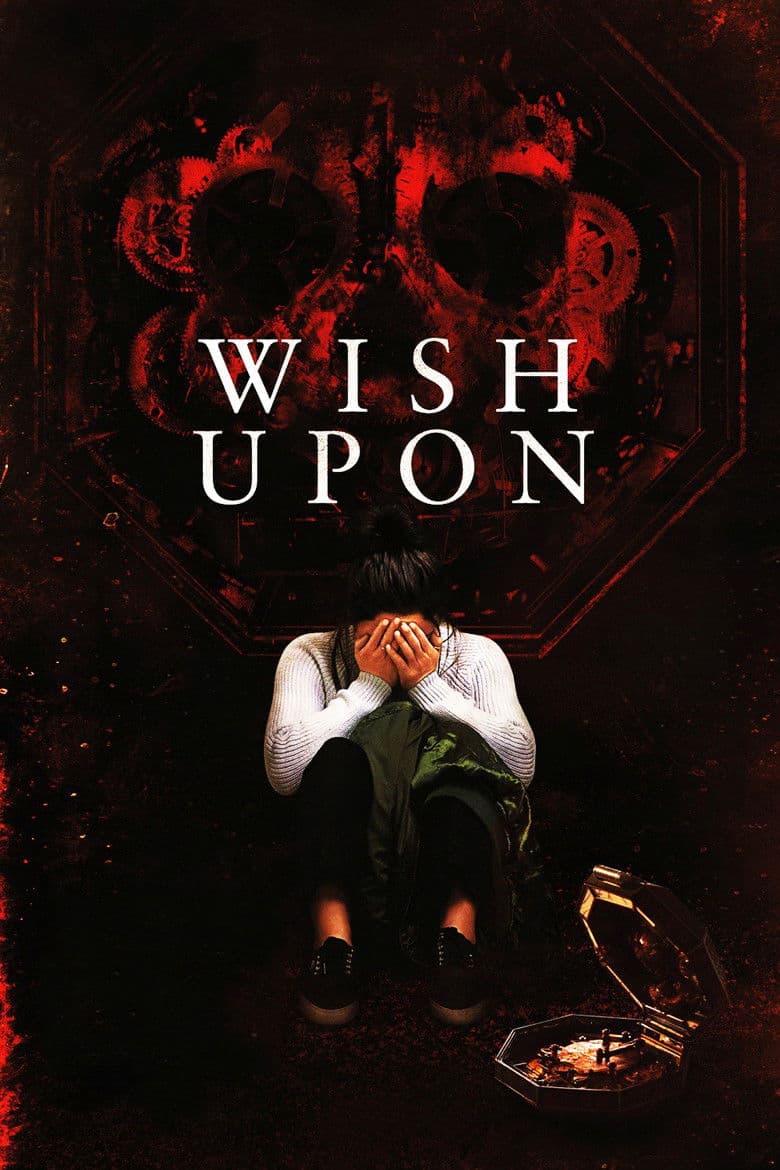
Movie · 2017
A teenage girl discovers a box with magical powers, but those powers comes with a deadly price.
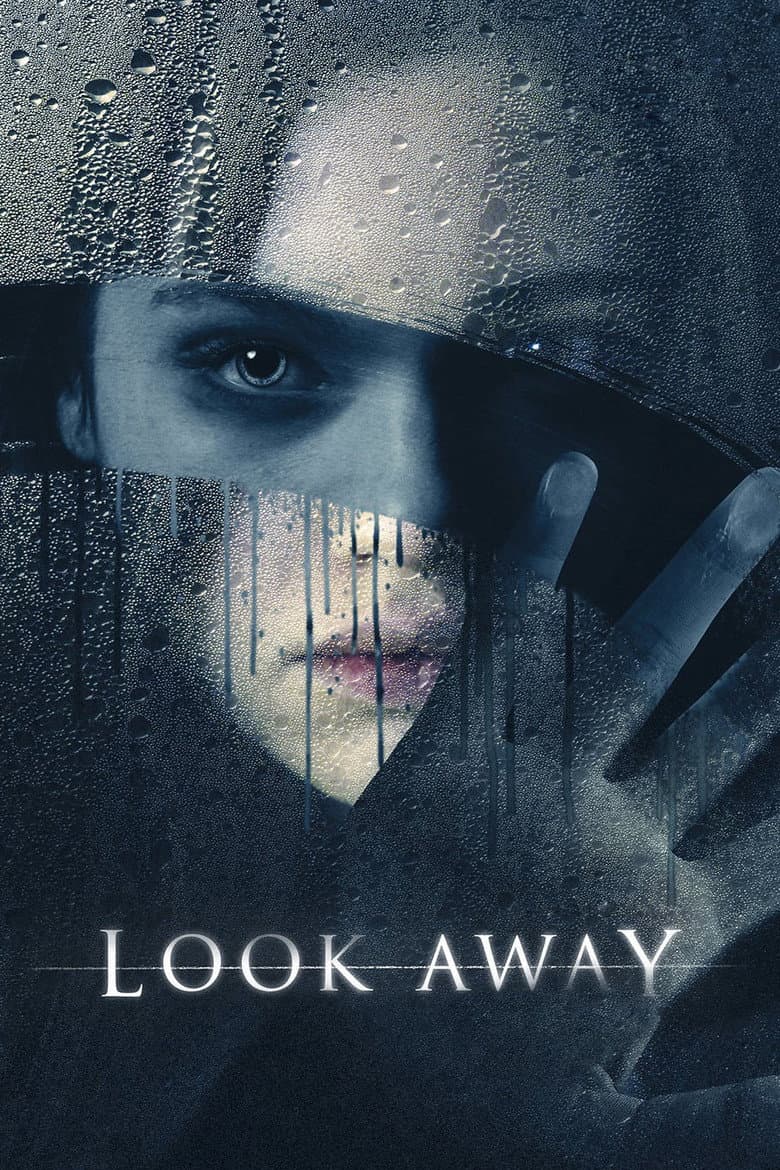
Movie · 2018
A timid and socially alienated 17-year-old high school student's life is turned upside down when she switches places with her sinister mirror image.
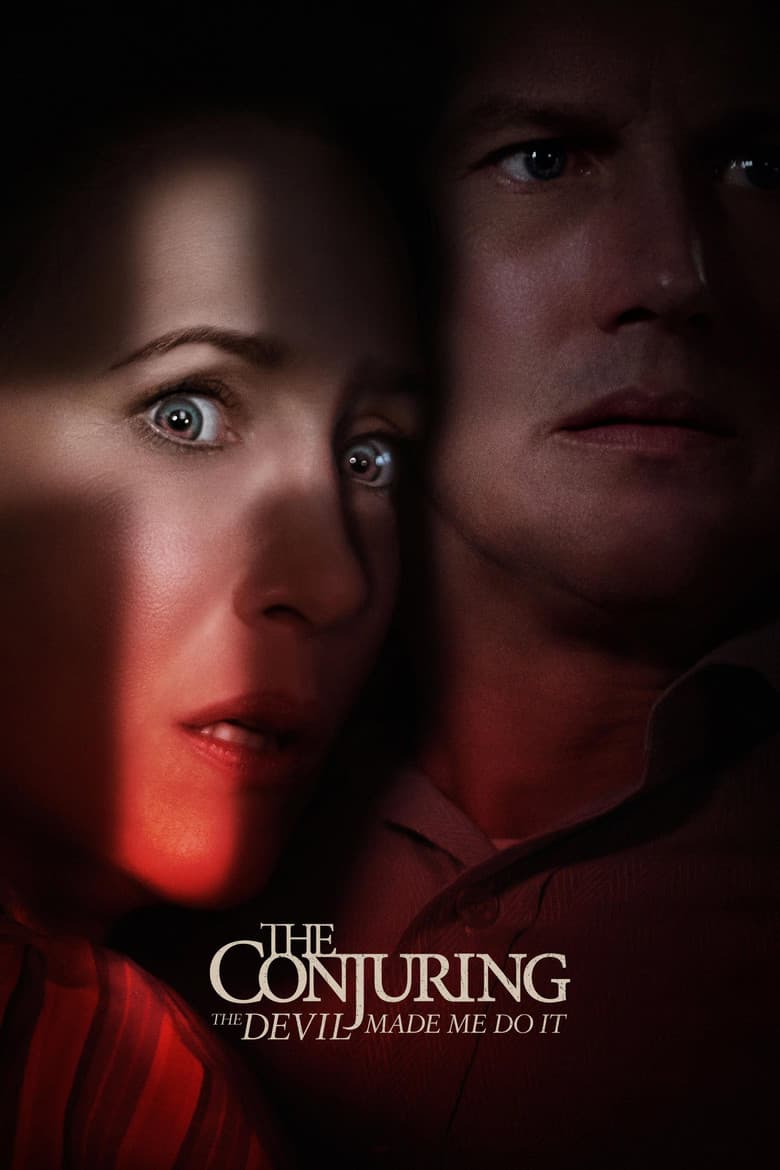
Movie · 2021
Paranormal investigators Ed and Lorraine Warren encounter what would become one of the most sensational cases from their files.
Movie · 2025
Two parents enter a race against time when they receive a distressing late-night phone call from their daughter after she caused a tragic car accident.
Movie · 2022
When twin brothers arrive home to find their mother’s demeanor altered and face covered in surgical bandages, they begin to suspect the woman beneath the gauze might not be their…
Movie · 2017
A young man and his three younger siblings are plagued by a sinister presence in the sprawling manor in which they live.
Movie · 2024
A gothic tale of obsession between a haunted young woman and the terrifying vampire infatuated with her, causing untold horror in its wake.
Movie · 2017
1920, rural Ireland. Anglo-Irish twins Rachel and Edward share a strange existence in their crumbling family estate.
