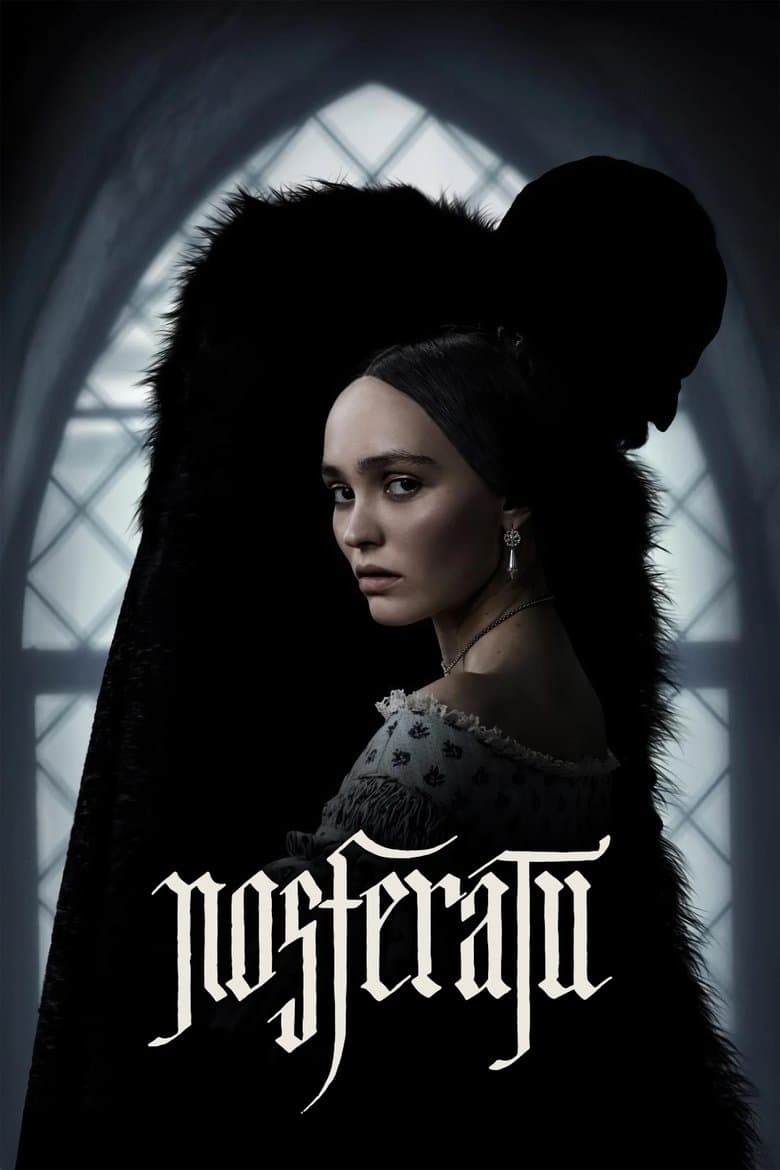
In 1830s Germany, a young woman named Ellen lives with her husband Thomas in the town of Wisburg. As a lonely child she called out for a companion and formed a psychic bond with an ancient vampire known as Count Orlok. Thomas travels to Transylvania to sell property to the count, which draws the monster across the sea with a plague of rats that devastates the town. Ellen must confront the evil directly to stop the horror.
The film is a dark gothic horror story of obsession, psychic invasion, plague, and tragic sacrifice. Ellen stands at the center as the haunted figure whose childhood wish summons Orlok, and her willing surrender in the climax ends the threat at sunrise. Count Orlok appears as a bloated, decayed folk monster drawn from old European vampire lore rather than a romantic aristocrat. The story shows period shame, desire, and repression through classic gothic lenses tied to folklore and domestic dread. It follows the 1922 silent film and Stoker elements with strong emphasis on atmosphere, practical effects, authentic costumes, and historical research. No activist speeches, identity messaging, or modern social framing appear in the narrative. Viewers mainly notice the creepy visuals, performances, and slow-building terror rather than any political or representation agenda.
Community feedback
Was our 16% Woke rating accurate?
Breakdown
These are the editorial factors and ratings behind our score for Nosferatu.
Woke representation / casting
The cast uses white European actors appropriate for 1830s Germany. Lily-Rose Depp plays the central Ellen role following source emphasis on the haunted woman. No visible identity signaling, quota patterns, or mismatched prominent casting appears.
0%
Woke political dialogue
No activist speeches, modern political arguments, institutional critiques framed for today, or identity-focused talk. Dialogue stays in gothic horror and period domestic life.
0%
Identity-driven story themes
The core follows psychic obsession between Ellen and a monstrous vampire, plague, and sacrificial ending. Period shame around desire shows as gothic atmosphere from folklore research, not contemporary identity politics or representation themes.
18%
Western institutional / cultural critique
Tension between science-minded doctors and the occult expert, plus strict marriage and emotional rules of the era, appear as historical setting details. No reframing into modern activist takes on patriarchy, capitalism, or current norms.
12%
Woke character or canon changes
Not relevant. Adaptations from the 1922 Nosferatu and Stoker focus on folkloric accuracy and a decayed Orlok rather than ideological or identity-driven updates to characters or source material.
0%
Anti-woke backlash and complaints
Online notes are limited and often observe the lack of political content or praise it as free of messaging. No major wave of complaints accuses it of pushing woke, DEI, or activist ideas.
0%
Creator track record context
Robert Eggers drives the vision with a low activist record centered on period authenticity. Some producers have mild progressive associations elsewhere and the casting director emphasizes diverse talent broadly, yet the film follows Eggers' research-driven, non-contemporary approach.
18%
Production
Movie · 2025
In late 15th-century Eastern Europe, Prince Vlad II’s bride is brutally murdered. As a result, he renounces God and damns Heaven itself.
Movie · 2016
In 1630, a farmer relocates his family to a remote plot of land on the edge of a forest where strange, unsettling things happen.
Movie · 2018
A timid and socially alienated 17-year-old high school student's life is turned upside down when she switches places with her sinister mirror image.

Movie · 2019
On the outskirts of a kingdom, a quiet but fierce medieval warrior protects the realm from monsters and the occult.
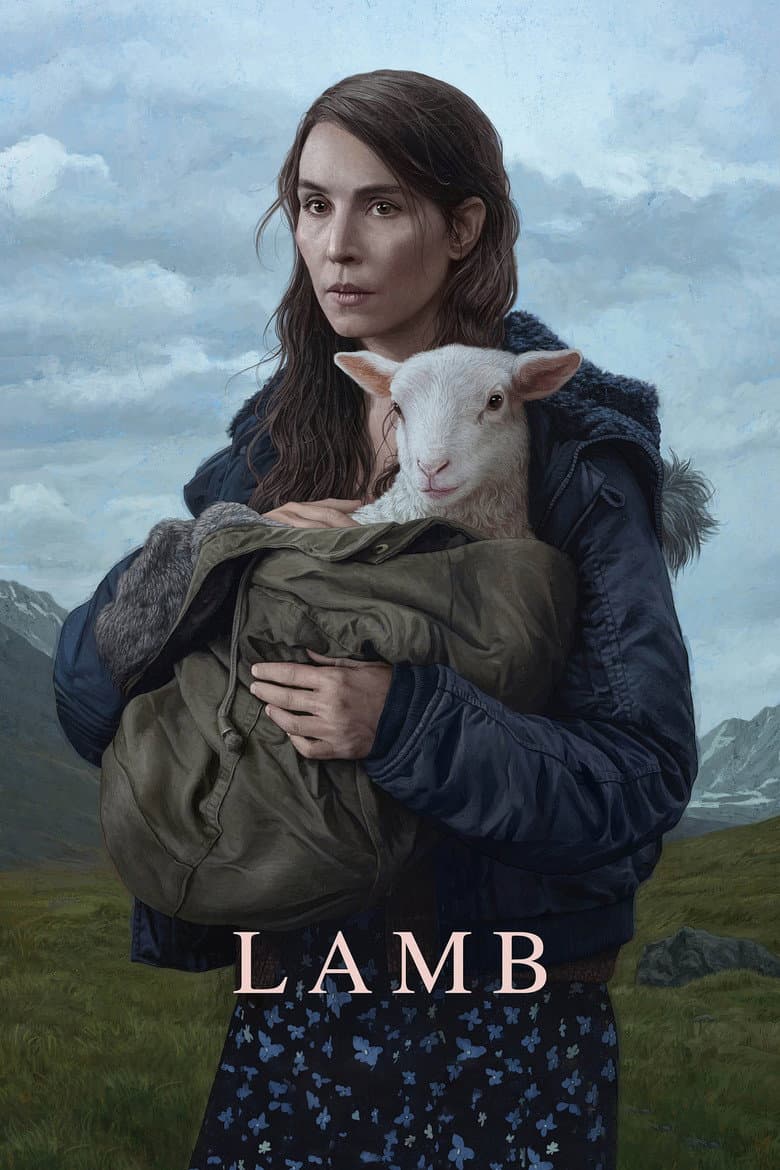
Movie · 2021
An Icelandic couple live with their herd of sheep on a beautiful but remote farm. When they discover a mysterious newborn on their land, they decide to keep it and raise it as…
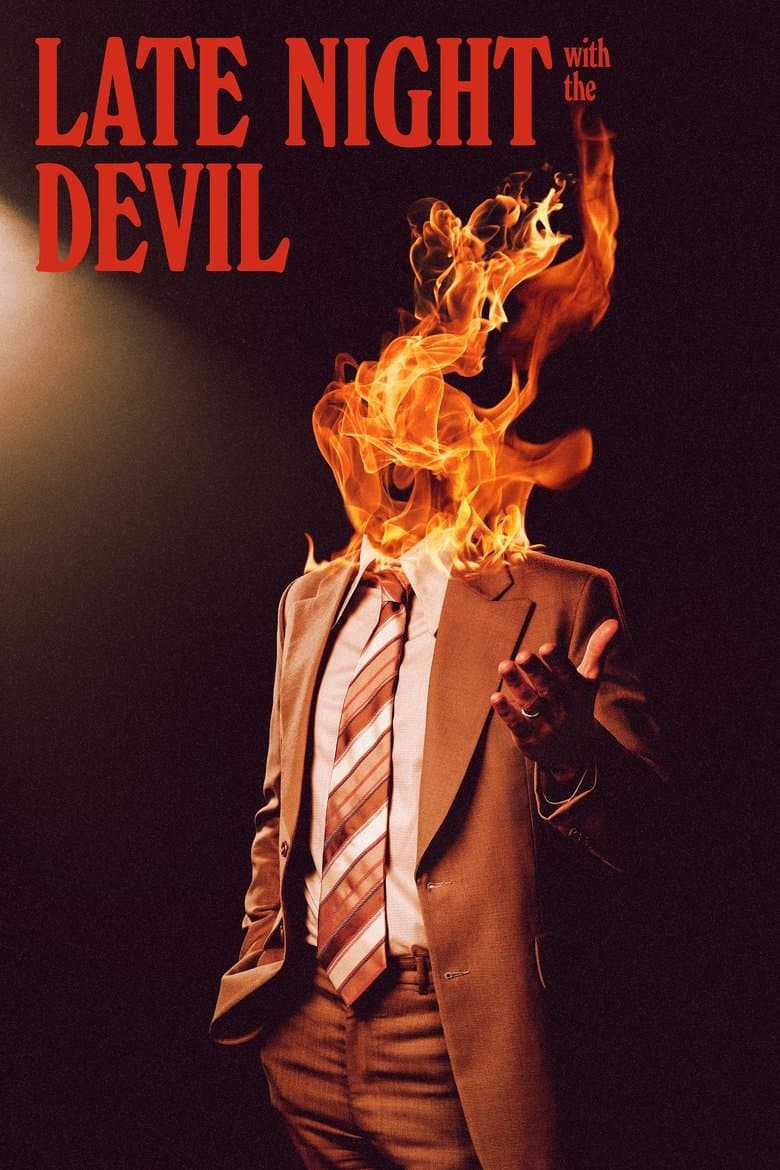
Movie · 2024
A live broadcast of a late-night talk show in 1977 goes horribly wrong, unleashing evil into the nation's living rooms.
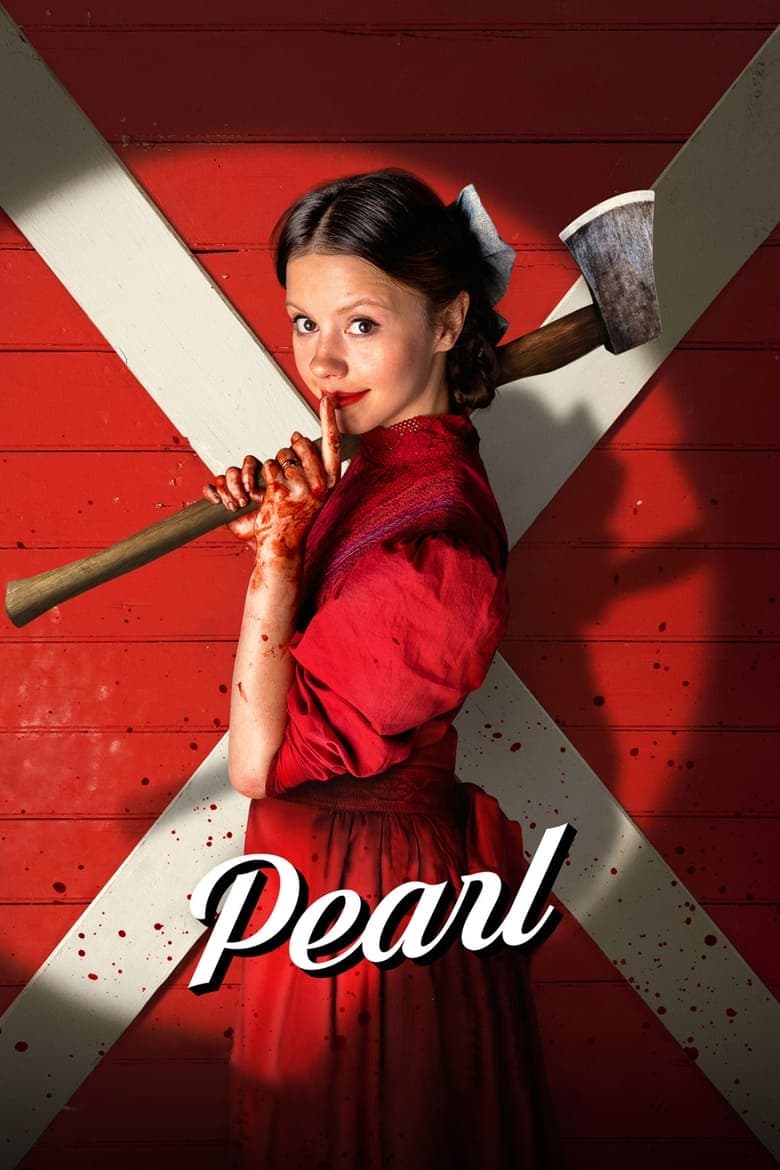
Movie · 2022
Trapped on her family’s isolated farm, Pearl must tend to her ailing father under the bitter and overbearing watch of her devout mother.
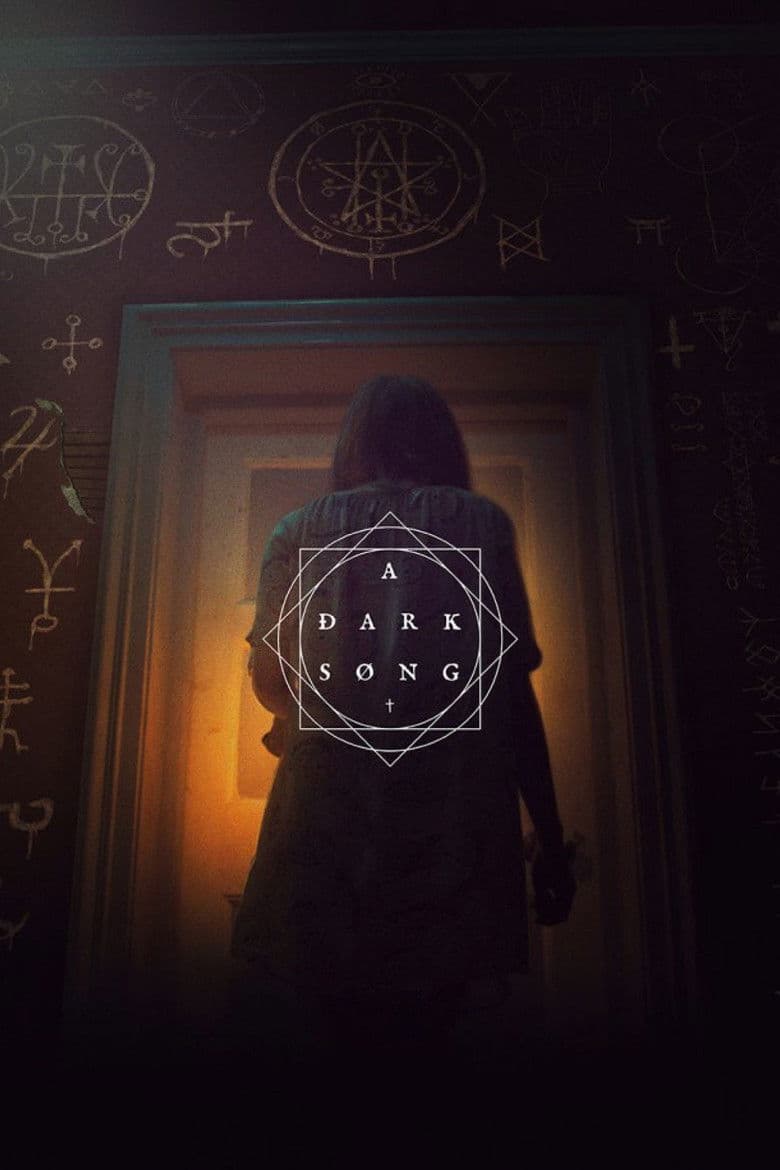
Movie · 2016
A determined young woman and a damaged occultist risk their lives and souls to perform a dangerous ritual that will grant them what they want.
