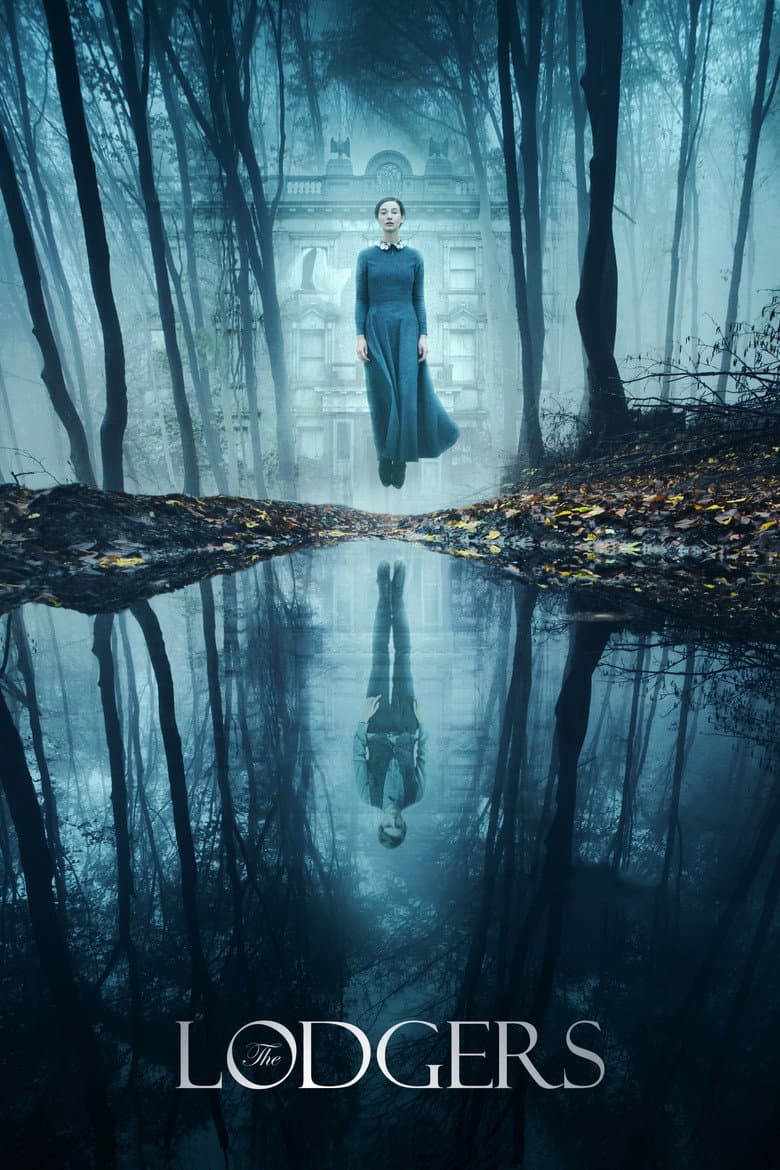
The Lodgers follows Rachel and Edward, orphaned Anglo-Irish twins living in a falling-down house in rural Ireland in 1920. A family curse forces them to stay inside, obey three rules, and face strange beings that live beneath the house. Rachel wants a new life and grows close to Sean, a wounded soldier who has returned from the First World War. Edward fears change and tries to keep her with him, so the home becomes a prison and a battlefield. The movie has a slow, dark, and uneasy ghost-story tone.
The clearest identity-related part is Rachel’s fight for personal freedom from her brother, her family curse, and the house’s rules. The story presents her attraction to Sean and her wish to leave as a break from a forced family life, while Edward becomes controlling and tries to keep her trapped. The film also uses the old conflict between Irish villagers and the Anglo-Irish family, and it shows Sean as an outcast because he fought with the British. These ideas support freedom and resistance to old family power, but they stay inside a period ghost story and are not turned into modern identity politics.
Community feedback
Was our 20% Woke rating accurate?
Breakdown
These are the editorial factors and ratings behind our score for The Lodgers.
Woke representation / casting
The cast mostly fits the 1920 rural-Ireland setting, so it does not show a diverse casting pattern. Rachel is the main brave figure, but the story does not make her skill or leadership a message about representation. Charlotte Vega described Rachel as the kind of strong female lead that young women need, which adds a small empowerment signal.
12%
Woke political dialogue
Not present. The dialogue discusses the curse, family shame, and Irish war history. It does not push modern identity, DEI, or activist ideas.
0%
Identity-driven story themes
The story repeatedly follows Rachel’s wish to escape a life chosen by her family. The movie treats her romance and her wish to leave as a path toward freedom, while Edward tries to control her and continue the family line. Rachel’s struggle with a brother who wants to use her to continue the family curse gives the story a clear theme about gender and control over her body. The film presents this through horror and family trauma rather than a modern activist message.
34%
Western institutional / cultural critique
Not present. The film shows tension between an Anglo-Irish family, local villagers, and British rule. These are part of the 1920 setting, not a modern attack on Western institutions, capitalism, patriarchy, or Christianity.
0%
Woke character or canon changes
Not relevant. The film is an original story about fictional twins and a fictional village. It does not change an established character, source, or real historical figure.
0%
Anti-woke backlash and complaints
Not present. Public discussion found no clear anti-woke or DEI complaint. The posts and reviews that were found discussed mood, plot, scares, and Irish history instead.
0%
Creator track record context
Not present. The director and writer are described as genre-focused. The listed producers and casting director have low creator scores and no clear activist record.
0%
Production
Movie · 2021
Paranormal investigators Ed and Lorraine Warren encounter what would become one of the most sensational cases from their files.
Movie · 2023
Jess, a newly separated mother and nurse, moves into her old family farmhouse with Tyler, her teenage daughter, and Owen, her eight-year-old son.
Movie · 2022
When twin brothers arrive home to find their mother’s demeanor altered and face covered in surgical bandages, they begin to suspect the woman beneath the gauze might not be their…
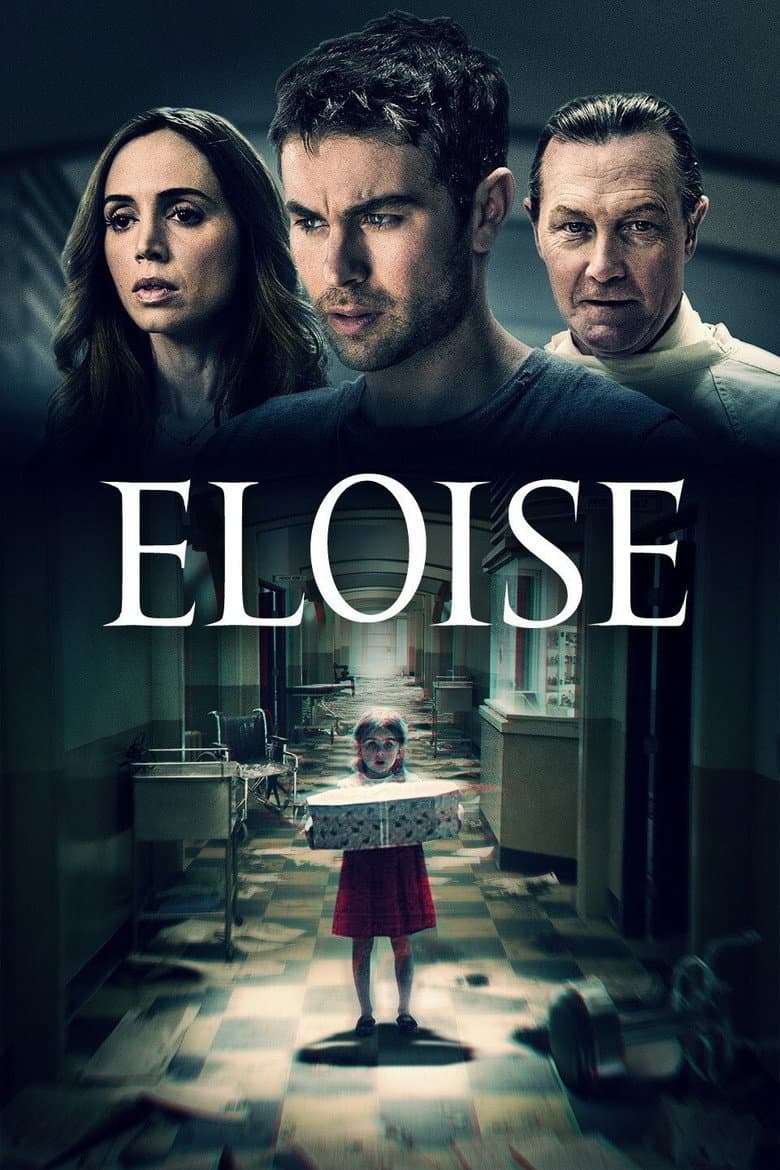
Movie · 2016
Four friends break into an abandoned insane asylum in search of a death certificate which will grant one of them a large inheritance.
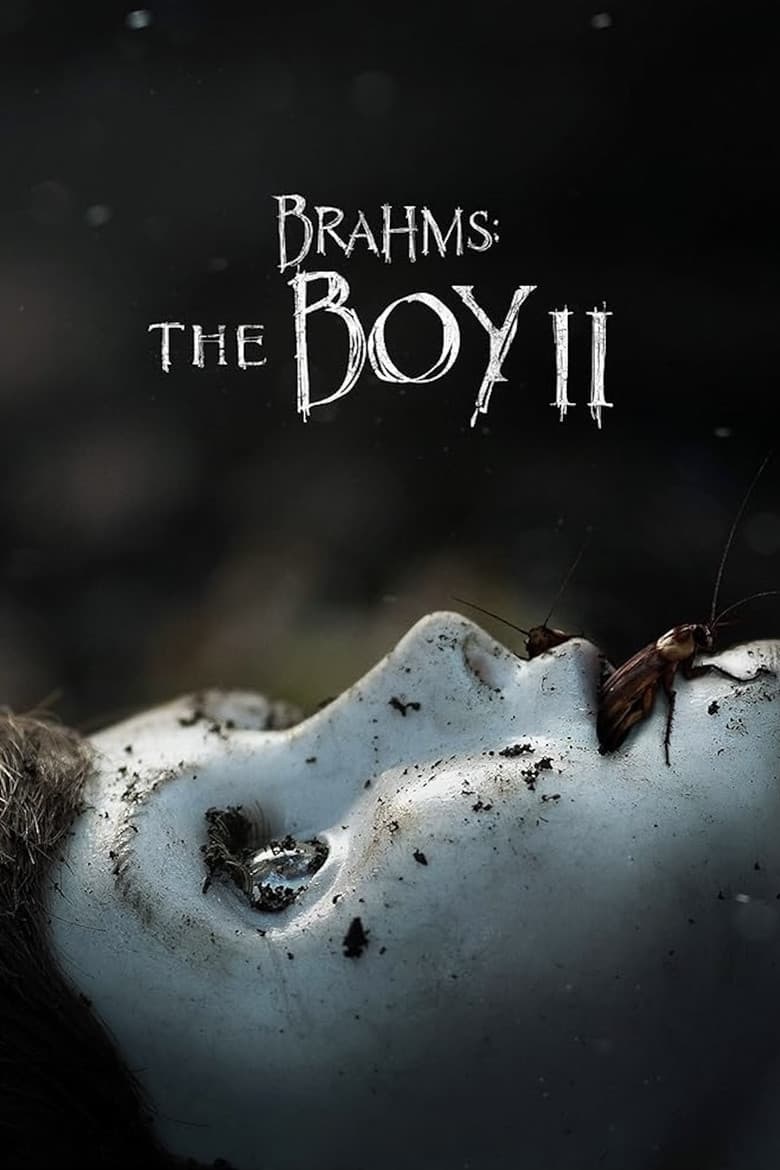
Movie · 2020
After a family moves into the Heelshire Mansion, their young son soon makes friends with a life-like doll called Brahms.
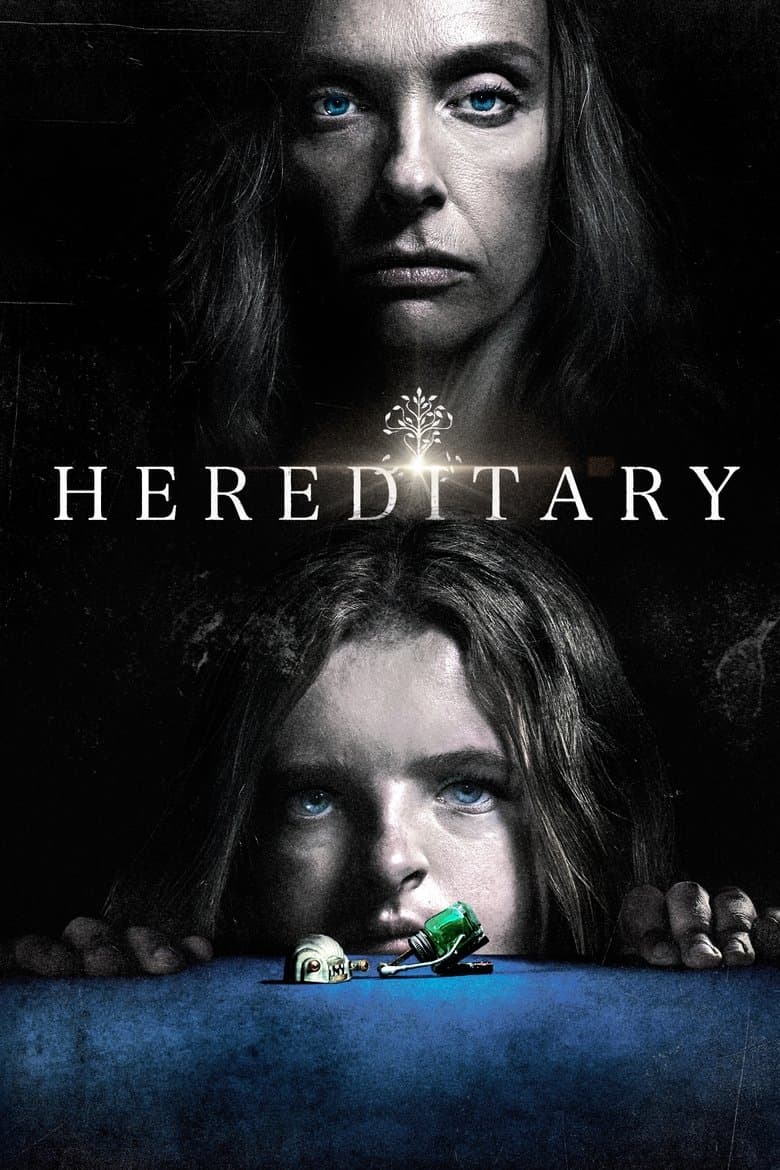
Movie · 2018
Following the death of the Leigh family matriarch, Annie and her children uncover disturbing secrets about their heritage.
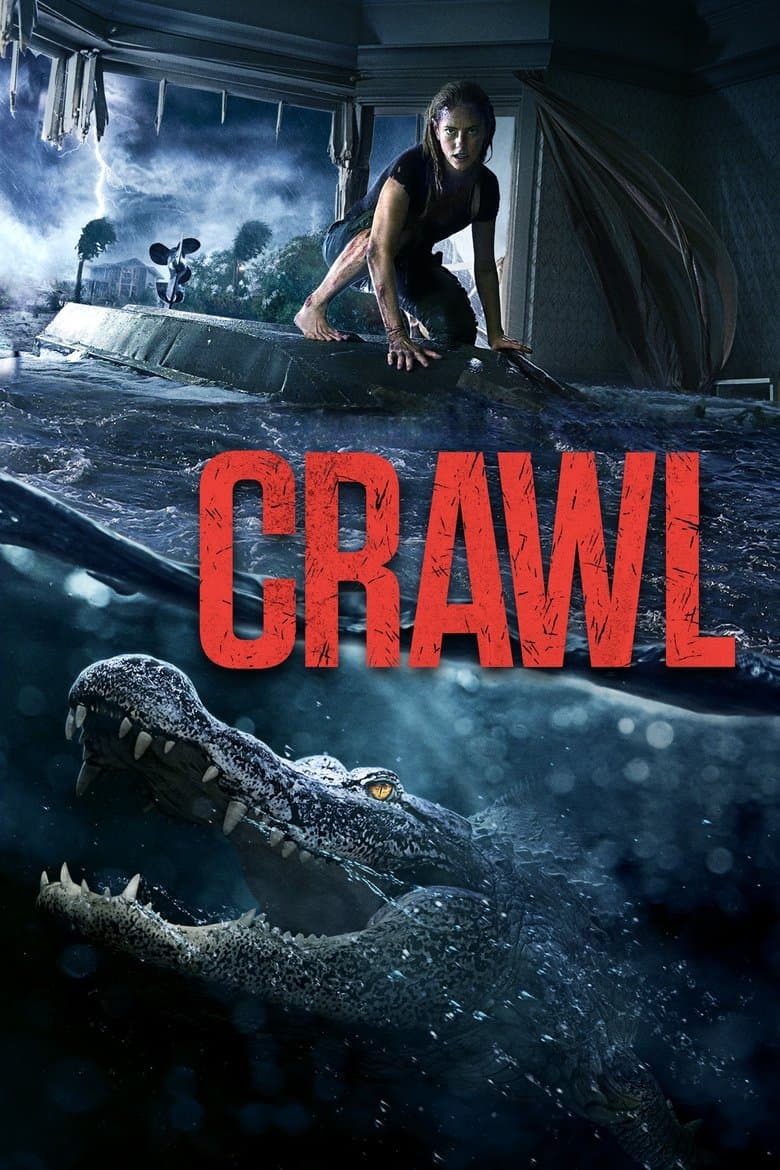
Movie · 2019
When a huge hurricane hits her hometown in Florida, Haley ignores evacuation orders to look for her father. After finding him badly wounded, both are trapped by the flood.
Movie · 2021
Reeling from the unexpected death of her husband, Beth is left alone in the lakeside home he built for her. Soon she begins to uncover her recently deceased husband's disturbing…
