
Nightmare Cinema follows a mysterious Projectionist who runs an empty, decaying theater called the Rialto. Five troubled visitors sit down and watch films that turn their fears into real events. One story follows a young woman hunted in the woods, while others show a scarred woman facing cruel surgery, a Catholic school overrun by a demon, a mother trapped in a broken world, and a boy who sees the dead. The film moves from campy jokes and bloody slasher action to grim body horror, religious terror, and sad ghost drama.
The strongest identity-related material appears in Mirari, where Anna allows her fiancé and a doctor to push her toward more surgery because she feels ugly. The story presents beauty pressure and the demand to look perfect as a trap, but it keeps the point inside a twisted horror tale. This Way to Egress follows a mother whose husband leaves her and whose doctor treats her fear as a problem to control, while Mashit shows priests and school leaders breaking moral rules and failing to protect children. These ideas appear in separate segments and do not form a single modern activist message across the whole movie.
Community feedback
Was our 27% Woke rating accurate?
Breakdown
These are the editorial factors and ratings behind our score for Nightmare Cinema.
Woke representation / casting
Not present. The film has a mixed cast, but the characters fit modern Los Angeles and the separate horror stories. The movie does not frame the casting as a diversity or identity statement.
0%
Woke political dialogue
Not present. The script discusses beauty, religion, suicide, mental illness, and death. It has no modern identity, DEI, or activist lines.
0%
Identity-driven story themes
The Mirari segment focuses on a woman’s fear of looking ugly and the pressure to change her face. The fiancé and doctor keep pushing Anna toward more surgery, and the horror punishes that obsession. Joe Dante said he wanted the story told through a female point of view. The message stays inside a dark beauty horror story and does not become a broad activist campaign.
18%
Western institutional / cultural critique
Mashit puts a Catholic boarding school at the center of its horror story. A priest and a nun hide a sexual relationship while the adults fail to protect the children. The segment presents religious leaders and the school as hypocritical and unable to protect children. This is a clear attack on a Western religious institution within one of five stories, but the movie does not build a modern political argument around it.
34%
Woke character or canon changes
Not relevant. The film uses original anthology stories and new characters. It does not change an established character, a known canon, or a real historical figure.
0%
Anti-woke backlash and complaints
Not present. The available audience and news discussion focuses on gore, uneven quality, confusing stories, and the wraparound ending. No reliable anti-woke complaint says the film pushes DEI, identity politics, or activist ideas.
0%
Creator track record context
Most of the key directors and writers are known for horror craft and have only mild public political or identity signals. Mick Garris said he wanted different cultural voices and later described the goal as more diverse and culturally representative. Joe Dante has a history of political satire, but not a strong identity-activist record. Sharon Chazin Lieblein has a diversity committee background, which adds a small representation signal. These facts give context, but they do not make the film an activist work.
24%
Production
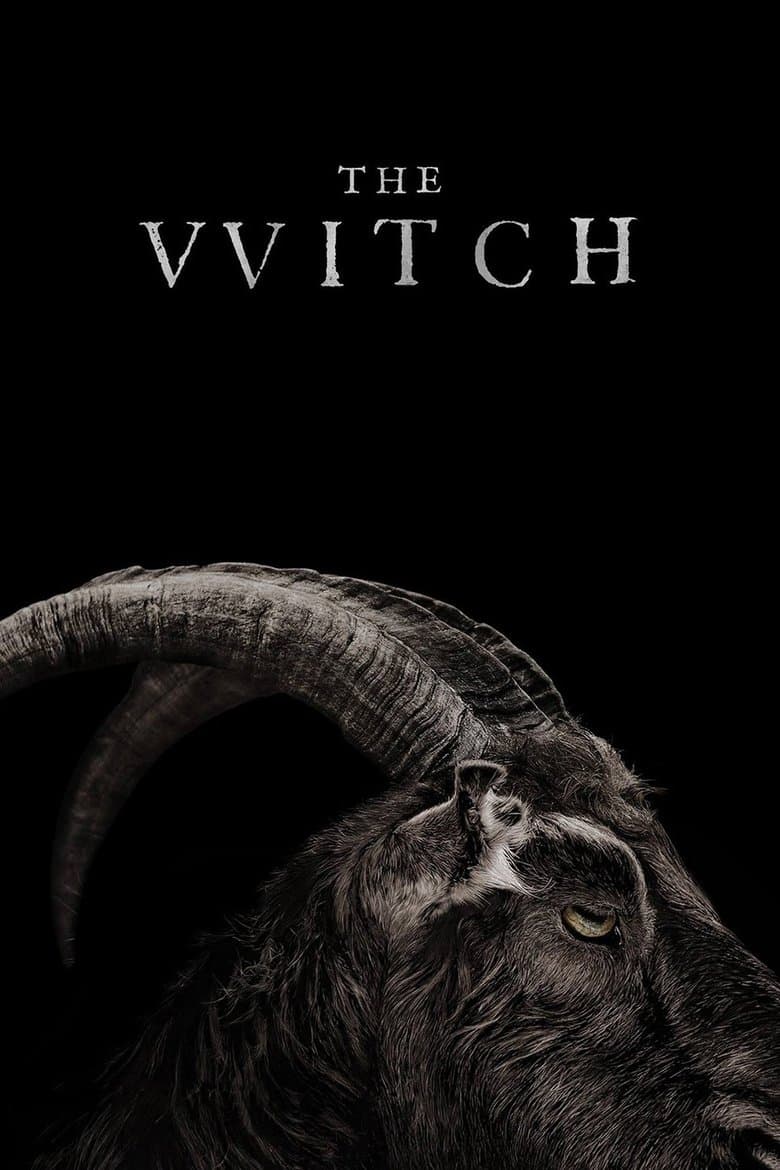
Movie · 2016
In 1630, a farmer relocates his family to a remote plot of land on the edge of a forest where strange, unsettling things happen.
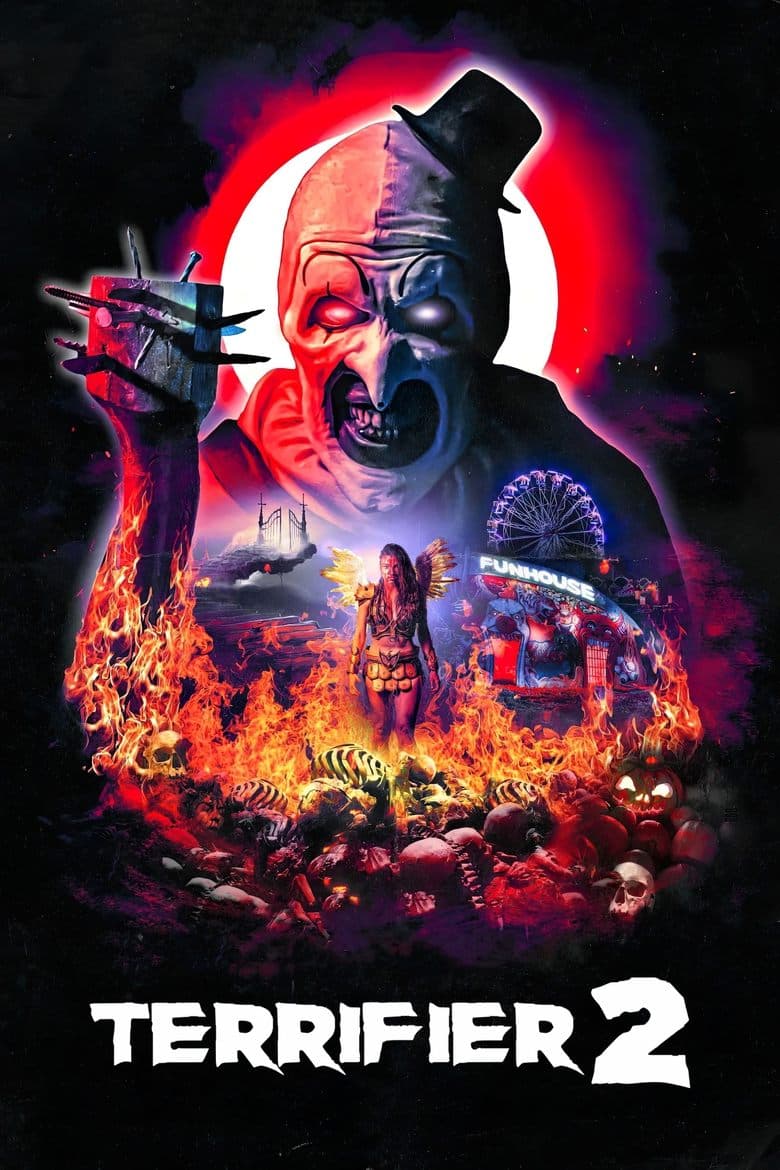
Movie · 2022
A year after the Miles County massacre, Art the Clown is resurrected by a sinister entity. Art returns home, where he must hunt down and destroy teenage Sienna and her younger…
Movie · 2024
A boy and his stepmother fear for their safety after an eerie creature resembling the boy's recently deceased father visits them.
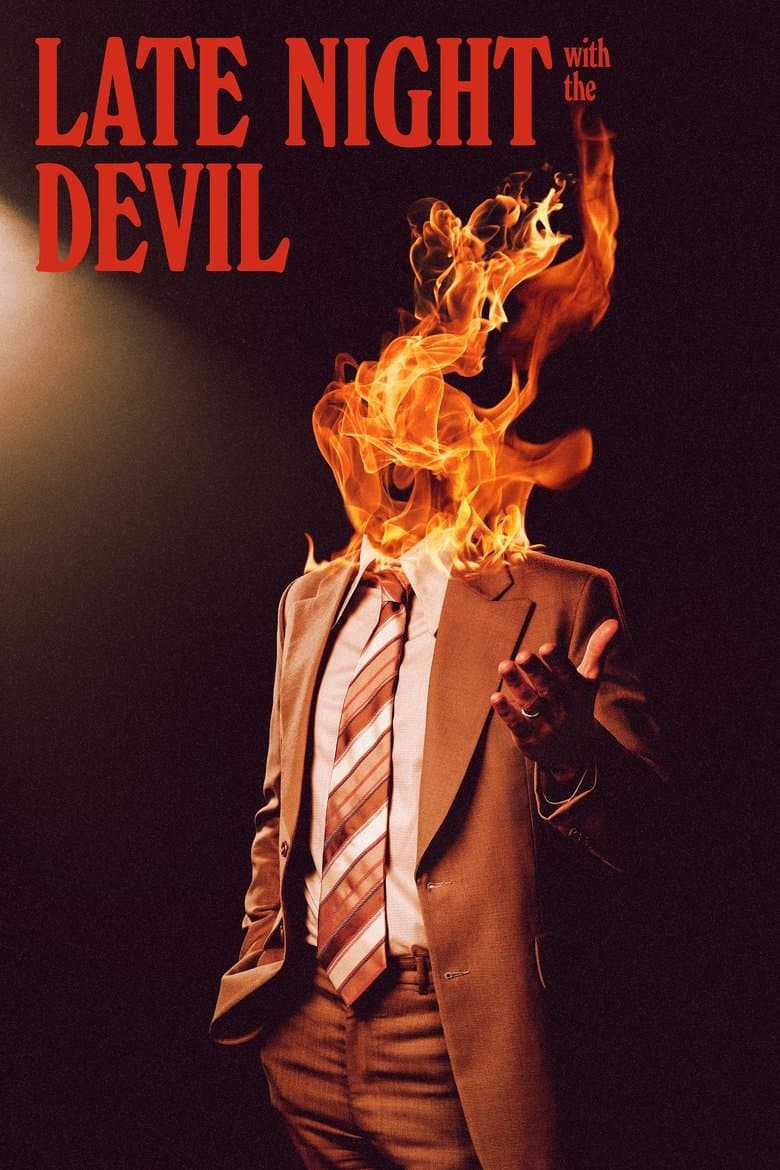
Movie · 2024
A live broadcast of a late-night talk show in 1977 goes horribly wrong, unleashing evil into the nation's living rooms.
Movie · 2025
Paranormal investigators Ed and Lorraine Warren take on one last terrifying case involving mysterious entities they must confront.
Movie · 2017
Several years after the tragic death of their little girl, a doll maker and his wife welcome a nun and several girls from a shuttered orphanage into their home, soon becoming the…
Movie · 2022
Trapped on her family’s isolated farm, Pearl must tend to her ailing father under the bitter and overbearing watch of her devout mother.
Movie · 2023
Eight year old Peter is plagued by a mysterious, constant tapping from inside his bedroom wall—one that his parents insist is all in his imagination.
