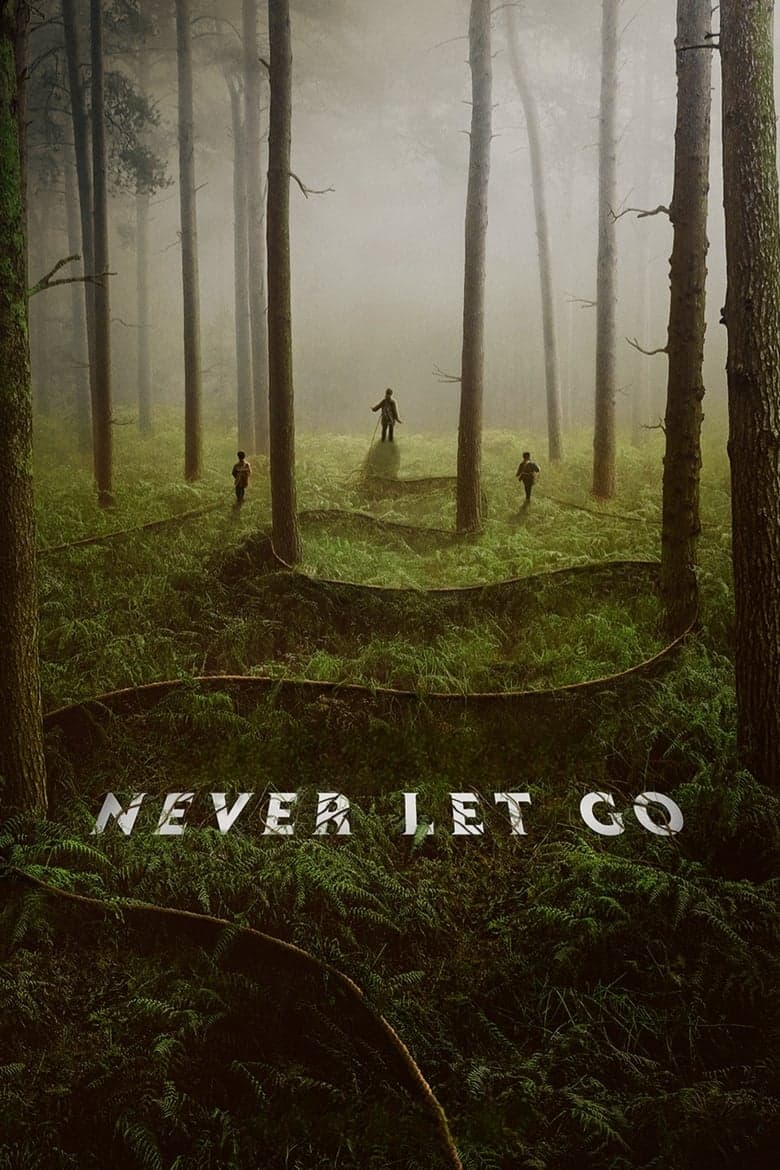
Momma lives with her twin sons, Nolan and Samuel, in a small house deep in a forest after an unknown evil seems to destroy the outside world. The family can leave the house only when each person stays tied to it with a rope. Food becomes scarce, and the boys must hunt, gather scraps, and follow rules that Momma says will keep them safe. The film has a bleak, tense, and sometimes brutal horror tone.
The main struggle comes from Samuel’s doubt about the evil and Momma’s demand that both boys trust her without proof. Nolan stays loyal to his mother, while Samuel pushes back as hunger and fear grow. The story explores a mother’s love, overprotection, family control, mental illness, and trauma passed from one generation to the next. Its horror keeps the truth uncertain, so the house can feel like a shelter, a prison, or both.
Community feedback
Was our 15% Woke rating accurate?
Breakdown
These are the editorial factors and ratings behind our score for Never Let Go.
Woke representation / casting
The film centers a black mother as the sole adult protector and gives the other two main roles to black boys. The family relationship gives the shared casting a clear story reason. The movie does not build an ensemble around several identity groups or present race as a political statement. The casting therefore creates only a mild audience-visible representation signal.
18%
Woke political dialogue
Not present. The characters talk about evil, survival, and family rules. The film contains no clear speeches about current politics, parties, or social policy.
0%
Identity-driven story themes
Not present. The story deals with motherhood, family control, mental illness, and trauma. It does not make race, gender, sexuality, or identity politics the cause of the conflict.
0%
Western institutional / cultural critique
Not present. The film shows a mother whose private rules can harm her children. It does not turn that family conflict into a modern activist attack on men, traditional society, religion, or Western institutions.
0%
Woke character or canon changes
Not relevant. The movie is an original story and does not change an established character, canon, or real historical figure.
0%
Anti-woke backlash and complaints
Not present. No anti-woke reaction or named complaints were found in the X search. Wider reviews and audience posts focus on the confusing ending, mental illness, family control, and horror violence.
0%
Creator track record context
Halle Berry has a strong public production focus on stories by and about women and women of color. Holly Jeter has a similar company focus. Alexandre Aja and writers Kevin Coughlin and Ryan Grassby have no reported activist pattern, while most other producers have low or limited public political profiles. This makes the creator track record context noticeable, but it does not show that this film carries an activist message.
30%
Production
Movie · 2024
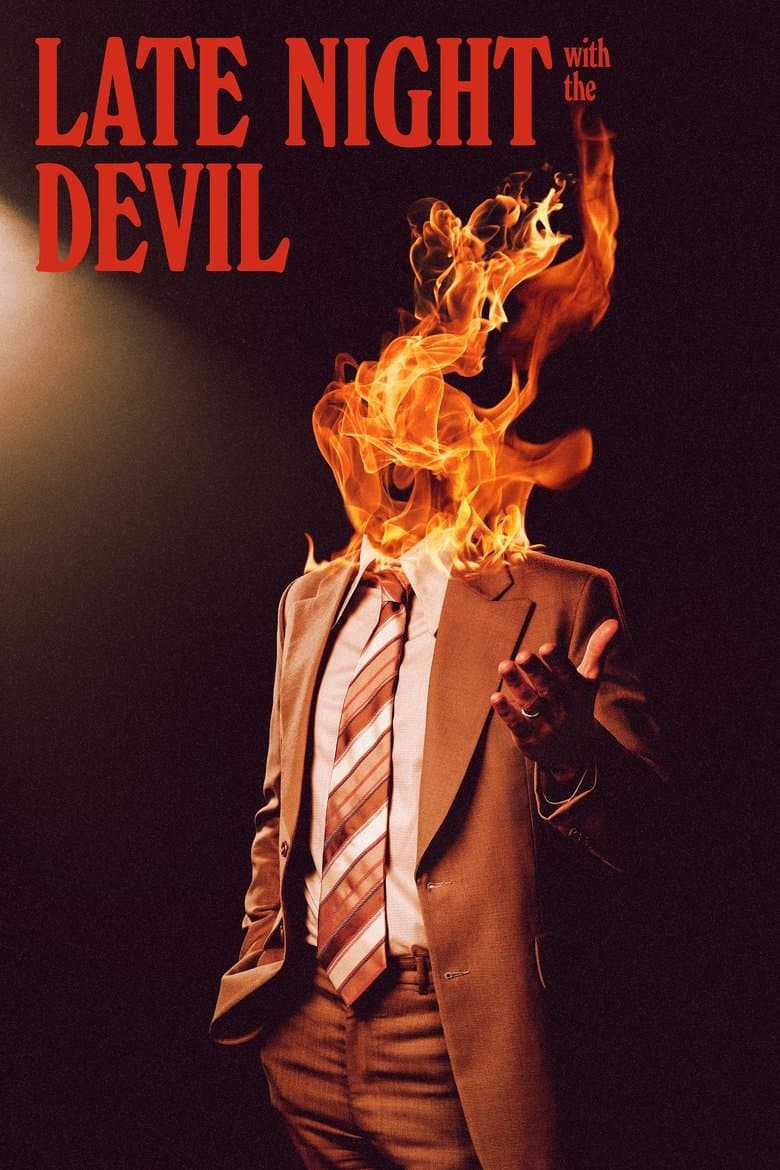
A live broadcast of a late-night talk show in 1977 goes horribly wrong, unleashing evil into the nation's living rooms.
Movie · 2017
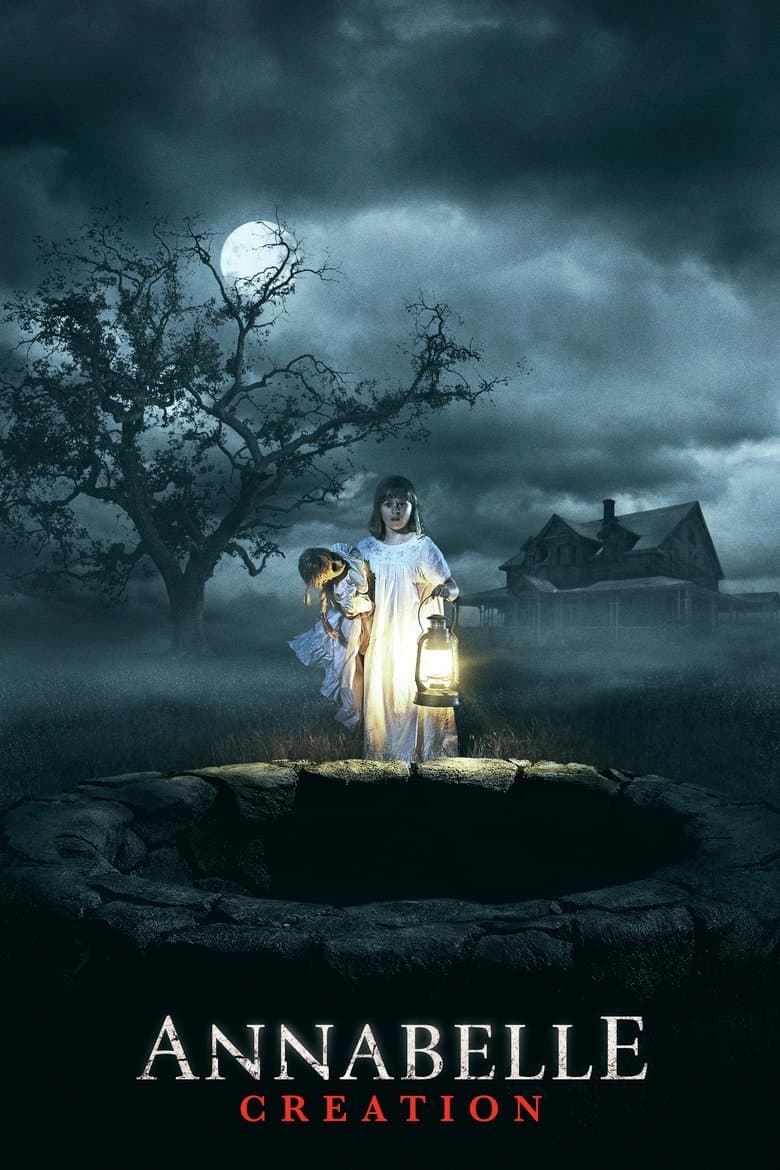
Several years after the tragic death of their little girl, a doll maker and his wife welcome a nun and several girls from a shuttered orphanage into their home, soon becoming the…
Movie · 2019
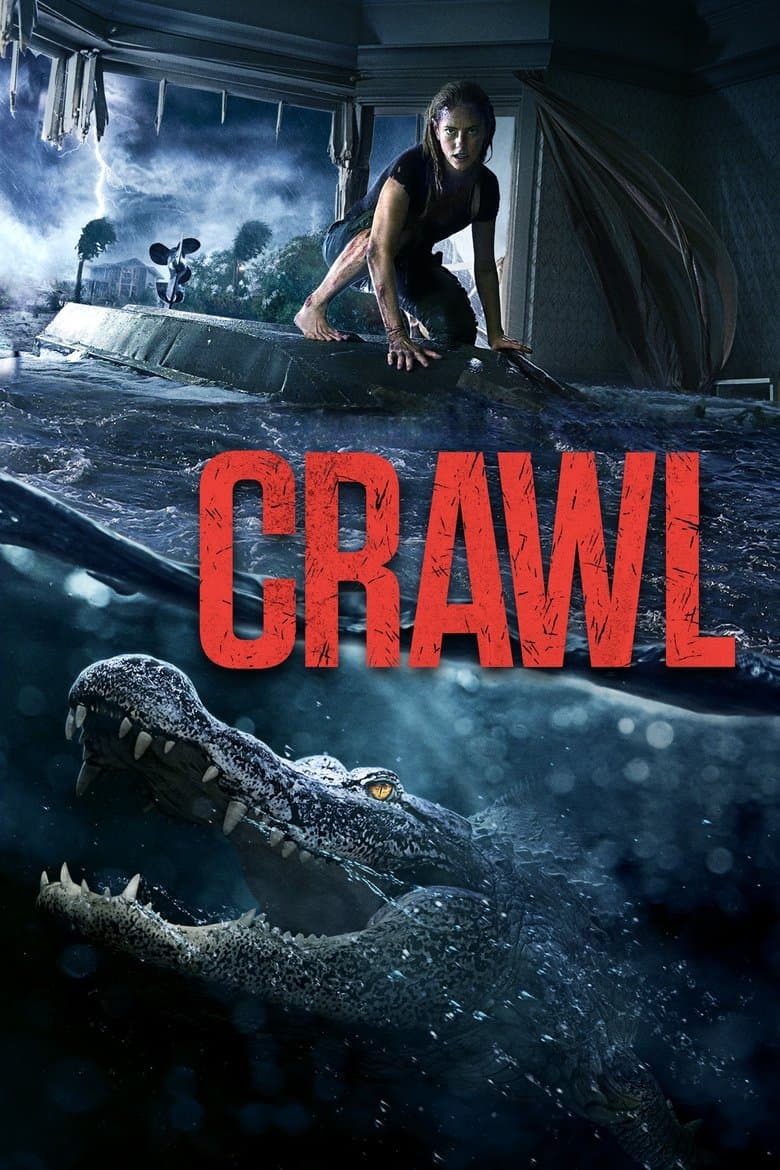
When a huge hurricane hits her hometown in Florida, Haley ignores evacuation orders to look for her father. After finding him badly wounded, both are trapped by the flood.
Movie · 2022
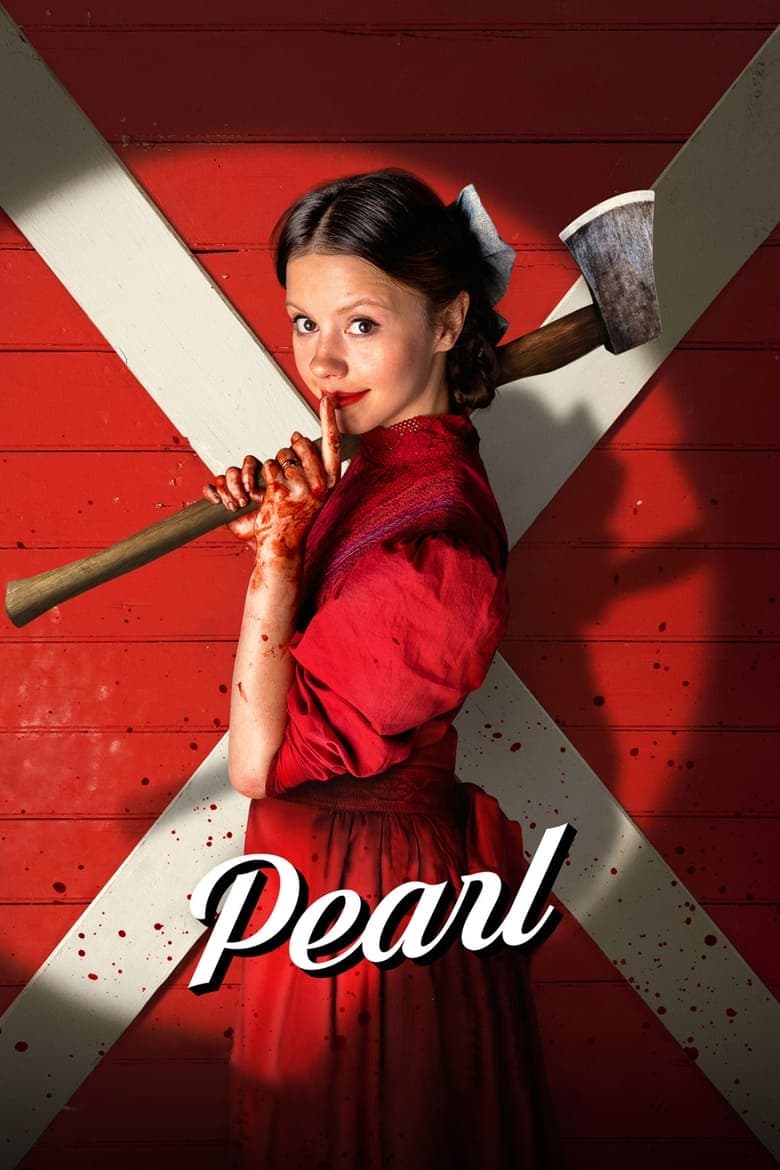
Trapped on her family’s isolated farm, Pearl must tend to her ailing father under the bitter and overbearing watch of her devout mother.
Movie · 2022
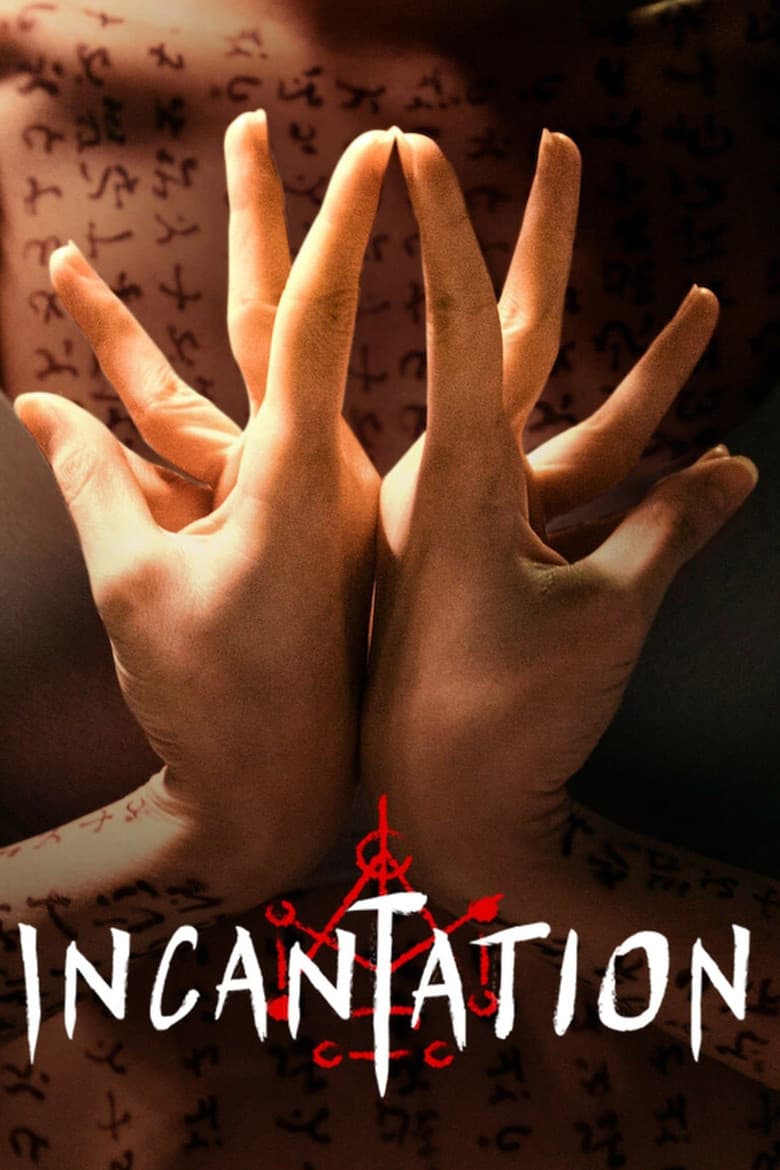
Inspired by the true story of a family who believed they were possessed by spirits. This film follows a woman who must protect her child from a curse.
Movie · 2023
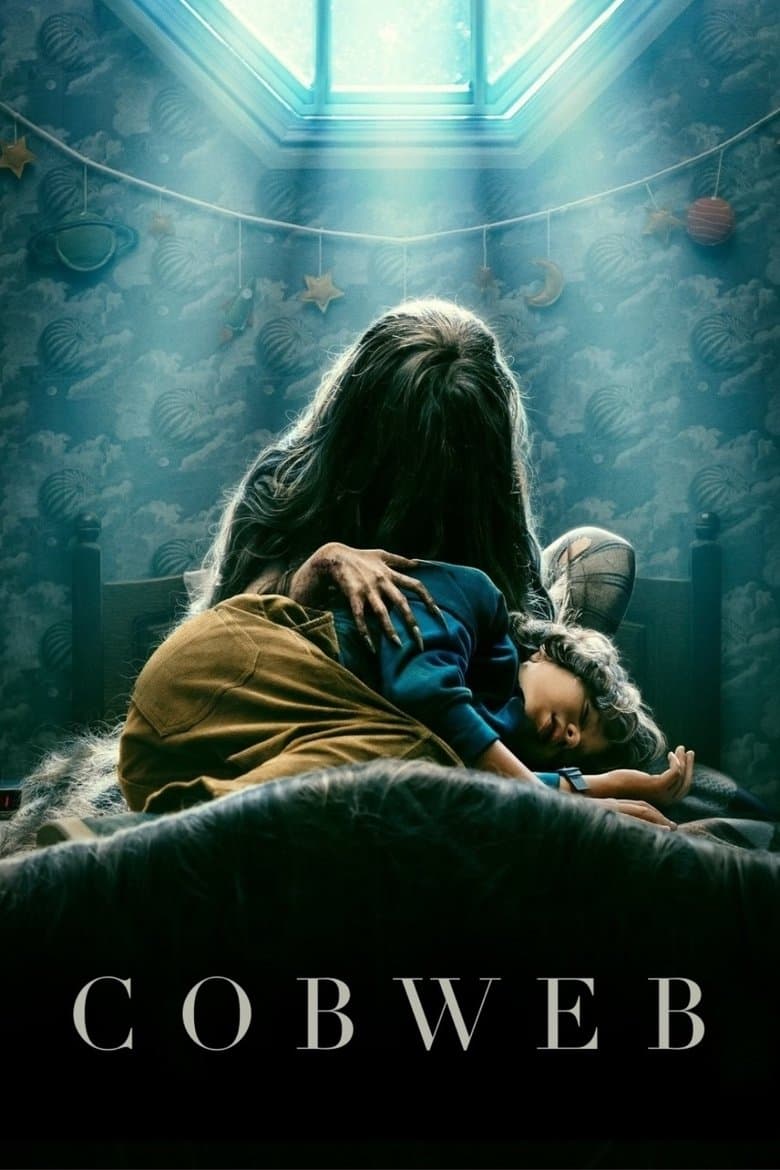
Eight year old Peter is plagued by a mysterious, constant tapping from inside his bedroom wall—one that his parents insist is all in his imagination.
Movie · 2022
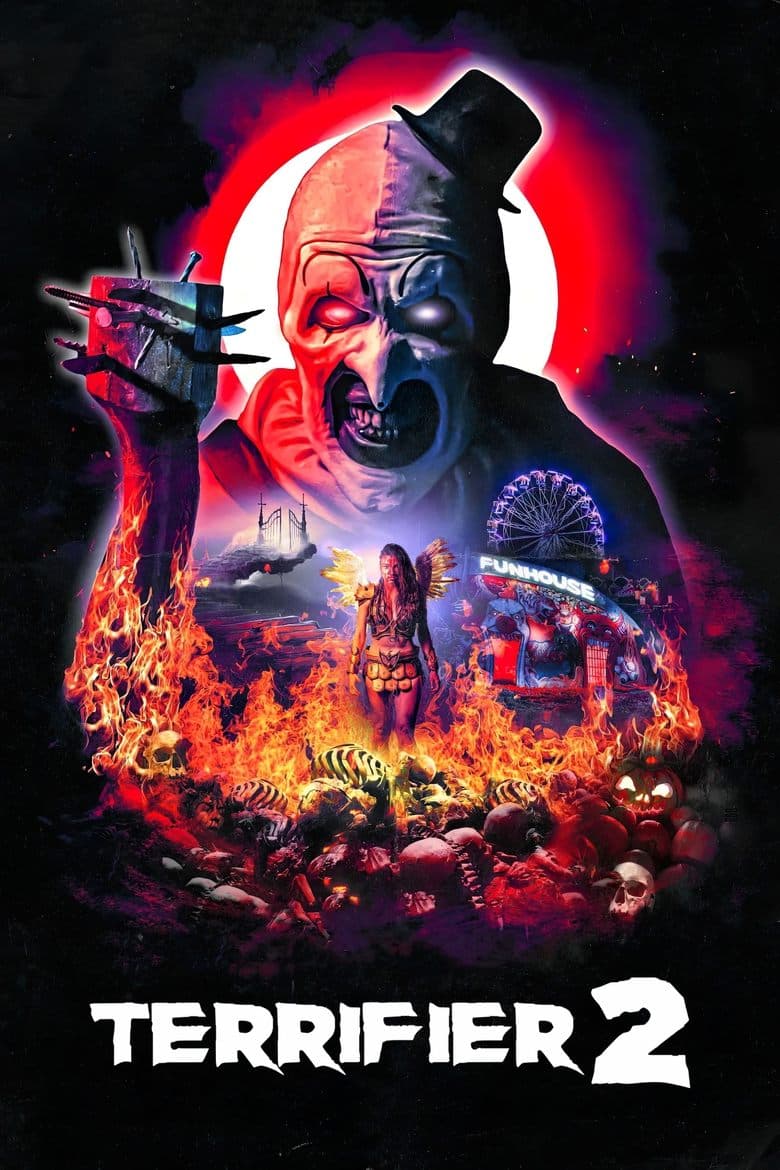
A year after the Miles County massacre, Art the Clown is resurrected by a sinister entity. Art returns home, where he must hunt down and destroy teenage Sienna and her younger…
Movie · 2016
Rebecca must unlock the terror behind her little brother's experiences that once tested her sanity, bringing her face to face with a supernatural spirit attached to their mother.
