
In 1995, Joanna Rakoff leaves Berkeley and moves to New York because she wants to become a writer. She takes a low-level job at a literary agency that represents the secretive J.D. Salinger. Her boss, Margaret, makes her type letters and handle Salinger’s huge pile of fan mail. Joanna also shares a poor Brooklyn apartment with Don, a young writer who treats her badly. The film has a warm, dreamy, and lightly comic tone.
The clearest woke element is the film’s woman-centered view of ambition and independence. Joanna leaves her old relationship, rejects a comfortable career path, and chooses to build a writing life on her own terms. Margaret also holds the top job at the agency, so two women control the story’s main choices. The movie treats female ambition as a path to self-respect, while it presents Don’s male writer image as selfish and immature. A smaller left-wing note appears through Don’s socialist bookshop, but the main themes are books, empathy, work, and finding a personal voice.
Community feedback
Was our 33% Woke rating accurate?
Breakdown
These are the editorial factors and ratings behind our score for My Salinger Year.
Woke representation / casting
Joanna and Margaret are the two main faces of the film, and both women hold important places in the literary world. The official marketing and creator interviews also stress the film as a story told through a young woman’s point of view. That emphasis gives the casting a small identity signal, but the story does not use race, sexuality, or a broad diversity message in its casting.
23%
Woke political dialogue
Not present. The film calls Don a socialist and places him in a socialist bookshop, but this is a small character detail. The dialogue does not push modern identity, DEI, or activist ideas.
0%
Identity-driven story themes
Joanna leaves her old boyfriend and a comfortable job to pursue writing on her own terms. Margaret runs the agency and becomes a hard but important guide for Joanna. The story contrasts Joanna’s growing ambition with Don’s selfish image of the male bohemian writer. The director described the film as showing ambition from a woman’s point of view. These ideas recur through the main story, but the film presents them as personal growth rather than a wider political campaign.
37%
Western institutional / cultural critique
Joanna’s relationship with Don shows a young woman rejecting a man who expects her to fit around his writing life. The film also contrasts her uncertain path with Margaret’s authority in a male-dominated literary world. The director framed this as a difference between how male and female ambition was treated. The story does not attack the whole West or present a broad current political theory. Its critique stays close to gender roles and one relationship.
28%
Woke character or canon changes
Not relevant. The movie adapts a memoir and changes some names and details, including the agent character called Margaret. No reported race, gender, sexuality, or hero-role change is central to the adaptation.
0%
Anti-woke backlash and complaints
Not present. The separate X pass found no anti-woke posts, and web searches found no boycott or DEI complaint campaign. Audience and news coverage focused on the acting, book world, and coming-of-age story.
0%
Creator track record context
Philippe Falardeau and Joanna Rakoff have mainly humanist and literary records with little public activist branding. Several producers have worked on socially aware or culturally varied films without a strong public identity-politics profile. Mary Jane Skalski and Celine Haddad have stronger links to representation-friendly and queer films. The current film uses a woman-centered story, but it does not turn these backgrounds into a large activist message.
20%
Production
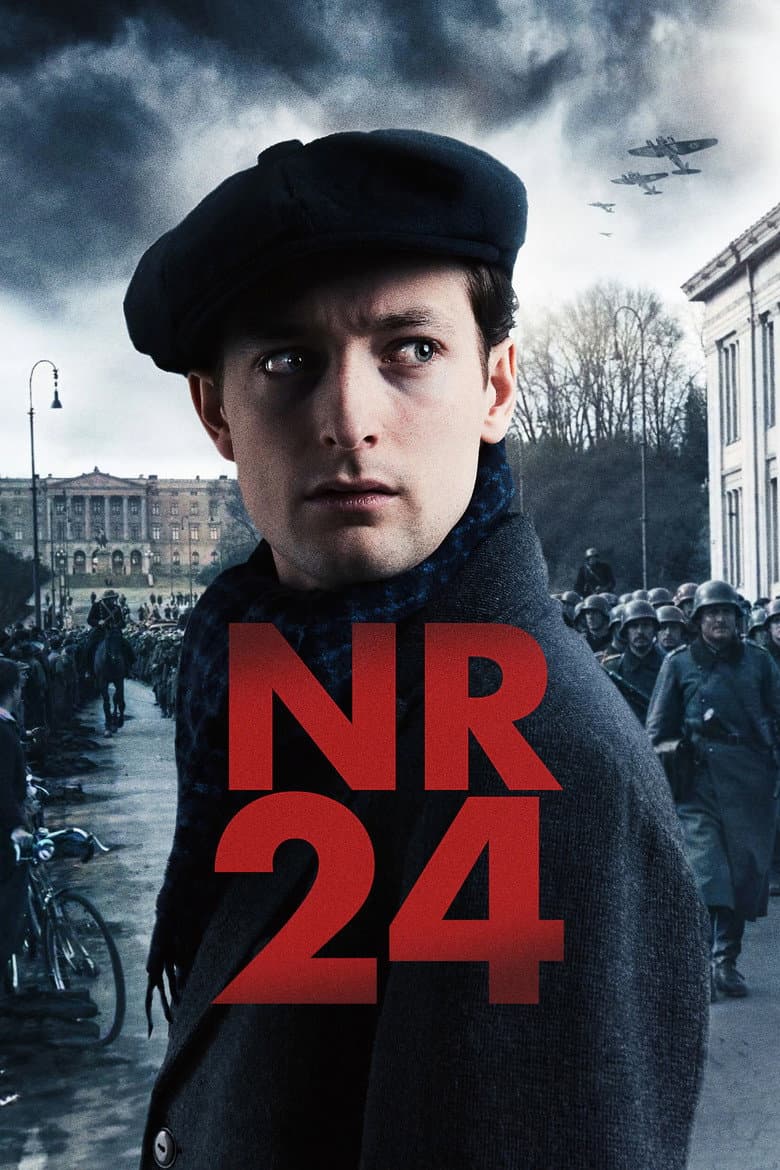
Movie · 2024
On the brink of the Second World War, a young Norwegian man's drive to resist the Nazis sets a new course for his future – and the future of his country.
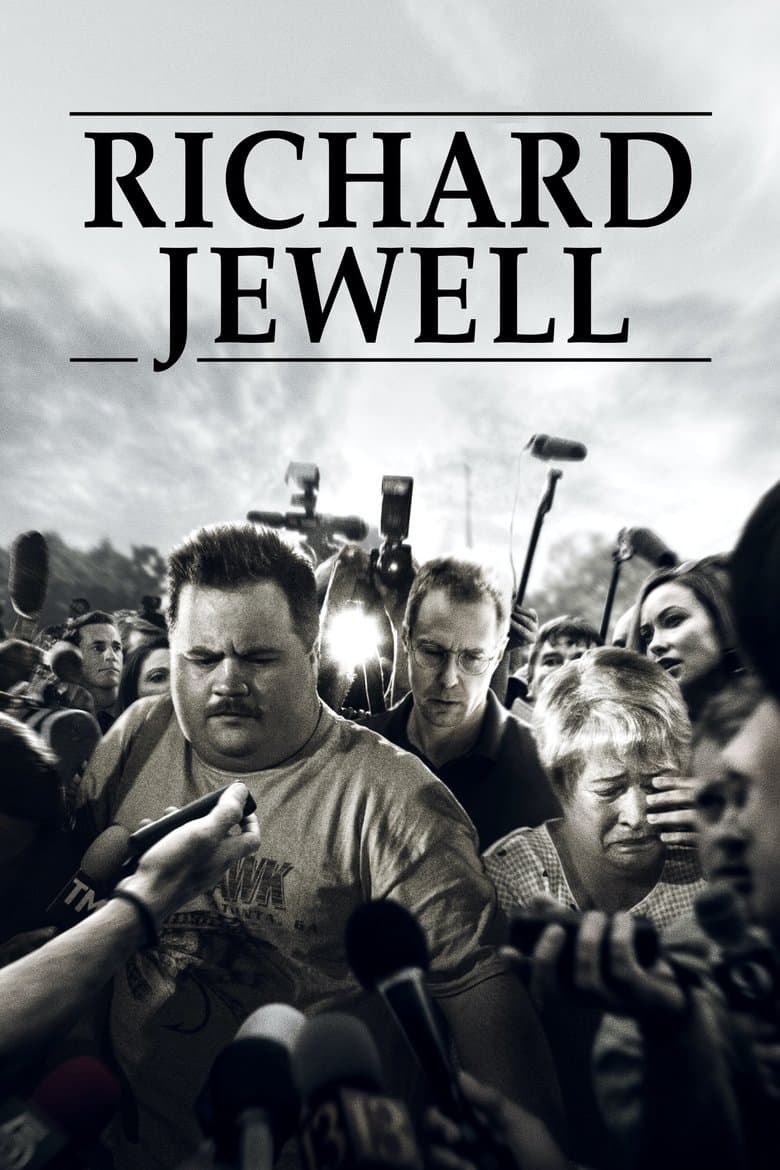
Movie · 2019
Richard Jewell thinks quick, works fast, and saves hundreds, perhaps thousands, of lives after a domestic terrorist plants several pipe bombs and they explode during a concert…
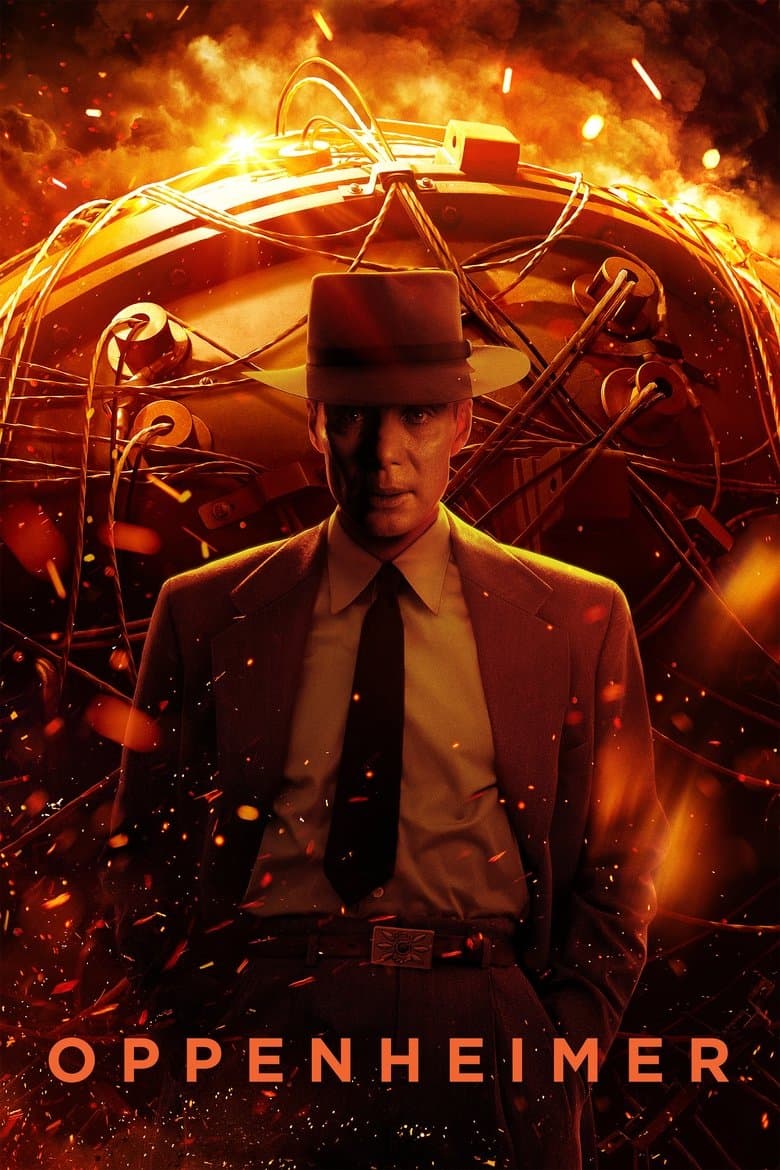
Movie · 2023
The story of J. Robert Oppenheimer's role in the development of the atomic bomb during World War II.
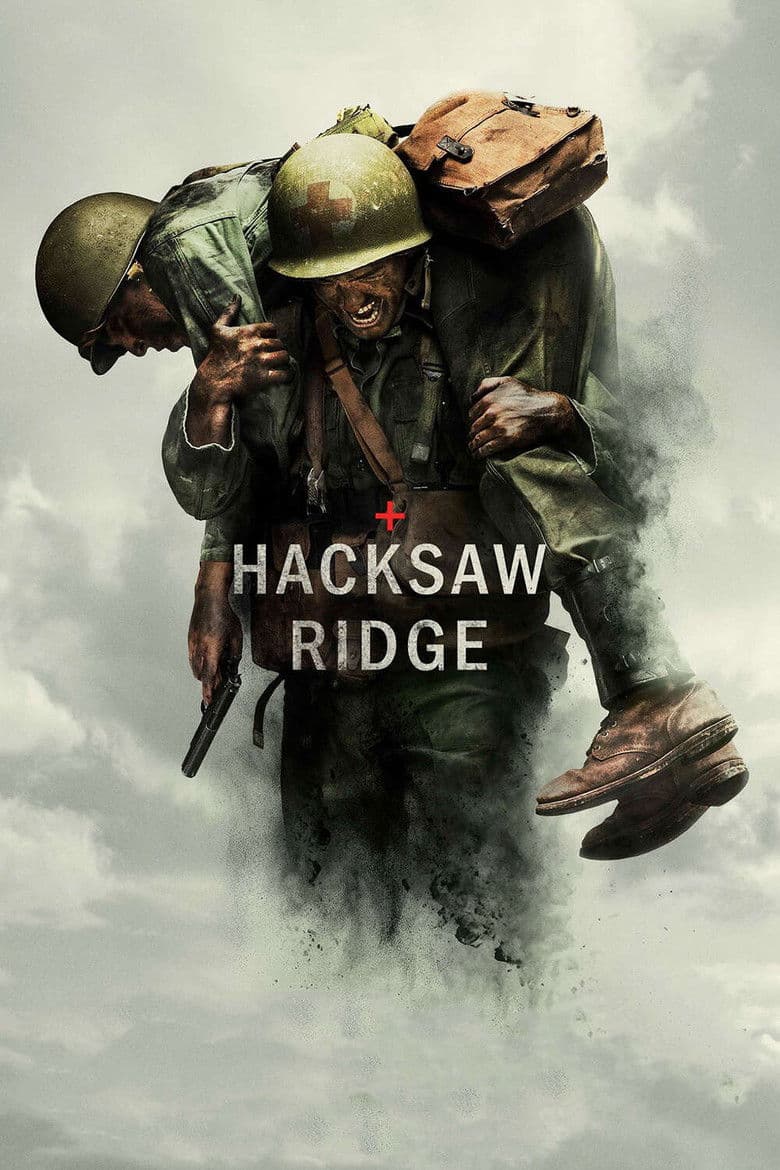
Movie · 2016
WWII American Army Medic Desmond T. Doss, who served during the Battle of Okinawa, refuses to kill people and becomes the first Conscientious Objector in American history to…
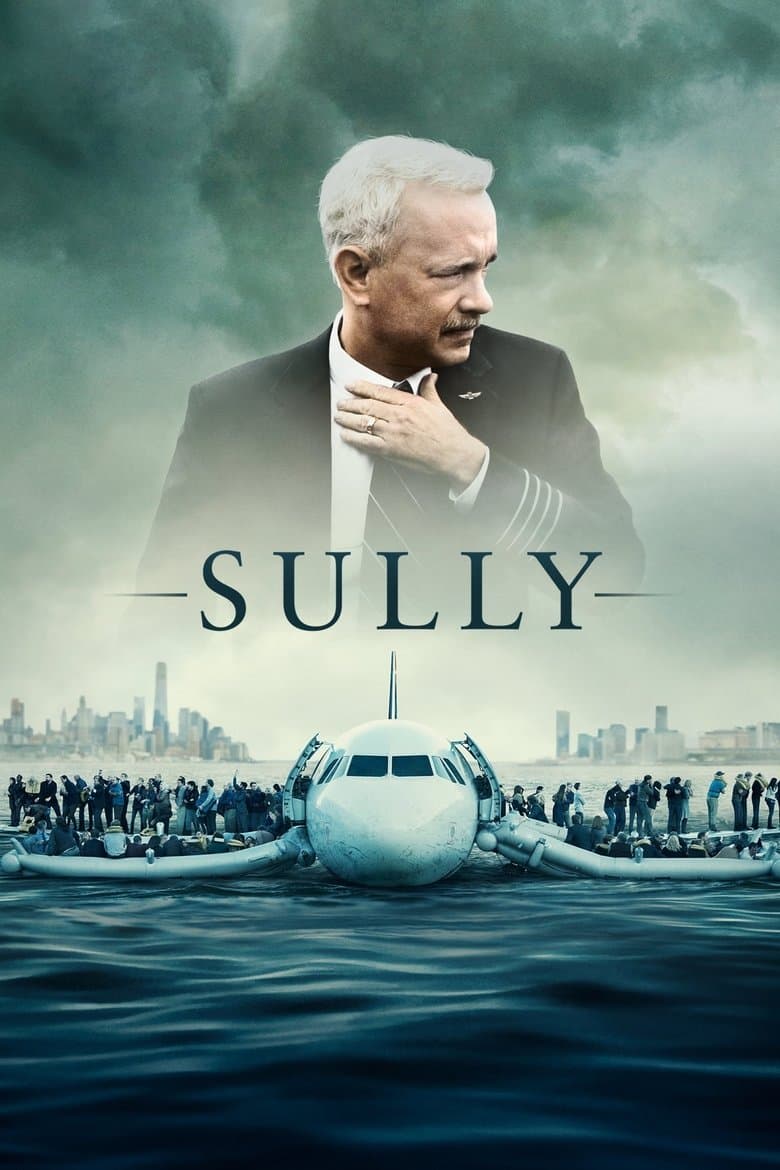
Movie · 2016
On 15 January 2009, the world witnessed the 'Miracle on the Hudson' when Captain 'Sully' Sullenberger glided his disabled plane onto the Hudson River, saving the lives of all 155…
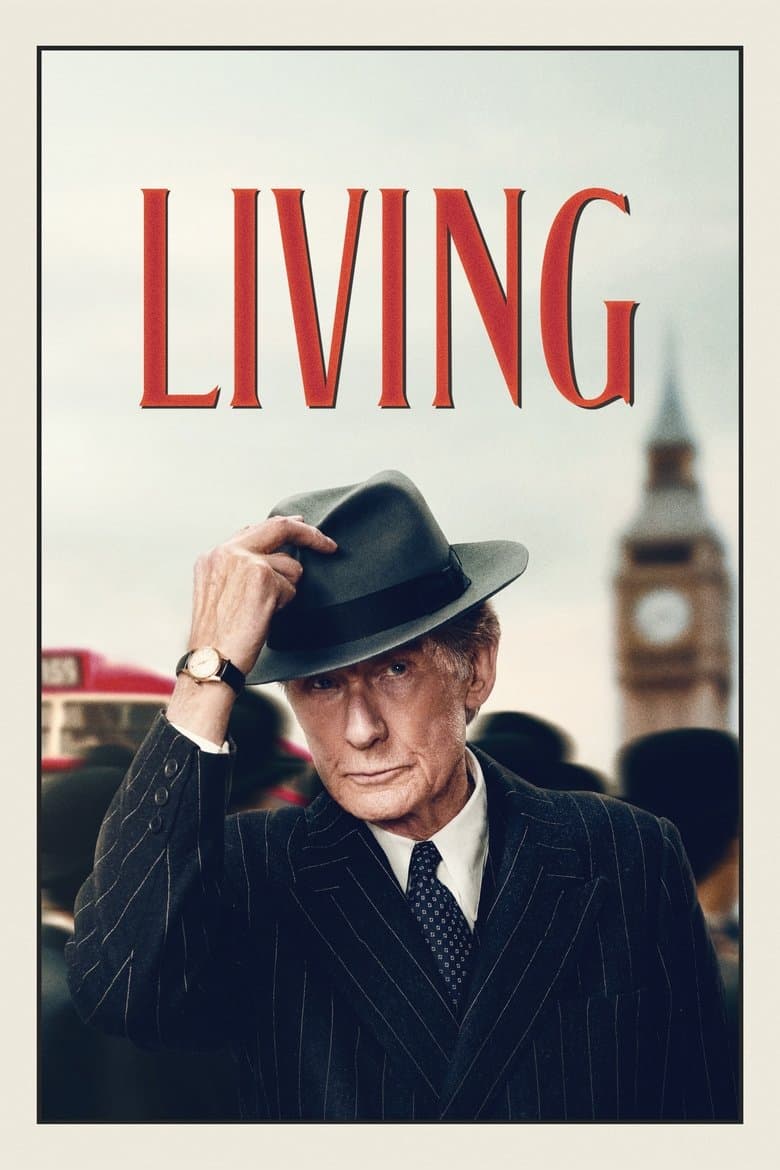
Movie · 2022
London, 1953. Mr. Williams, a veteran civil servant, is an important cog within the city's bureaucracy as it struggles to rebuild in the aftermath of World War II.

Movie · 2016
After his older brother passes away, Lee Chandler is forced to return home to care for his 16-year-old nephew.
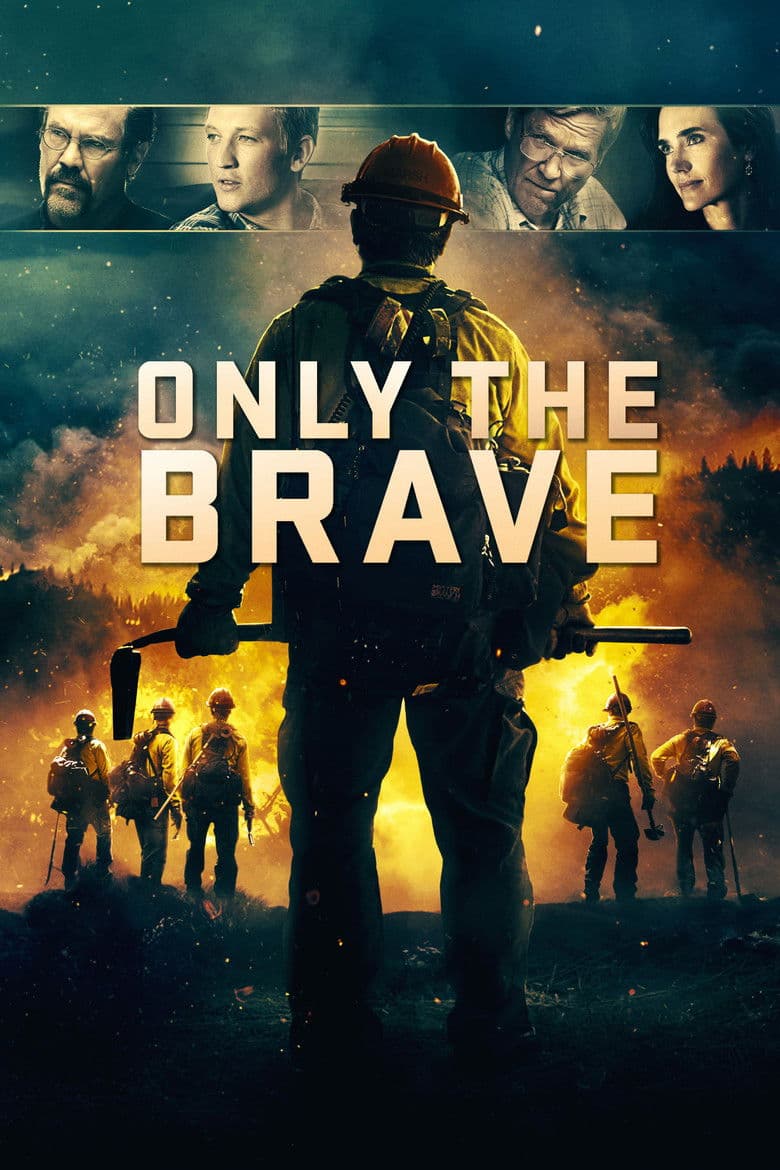
Movie · 2017
Members of the Granite Mountain Hotshots battle deadly wildfires to save an Arizona town.
