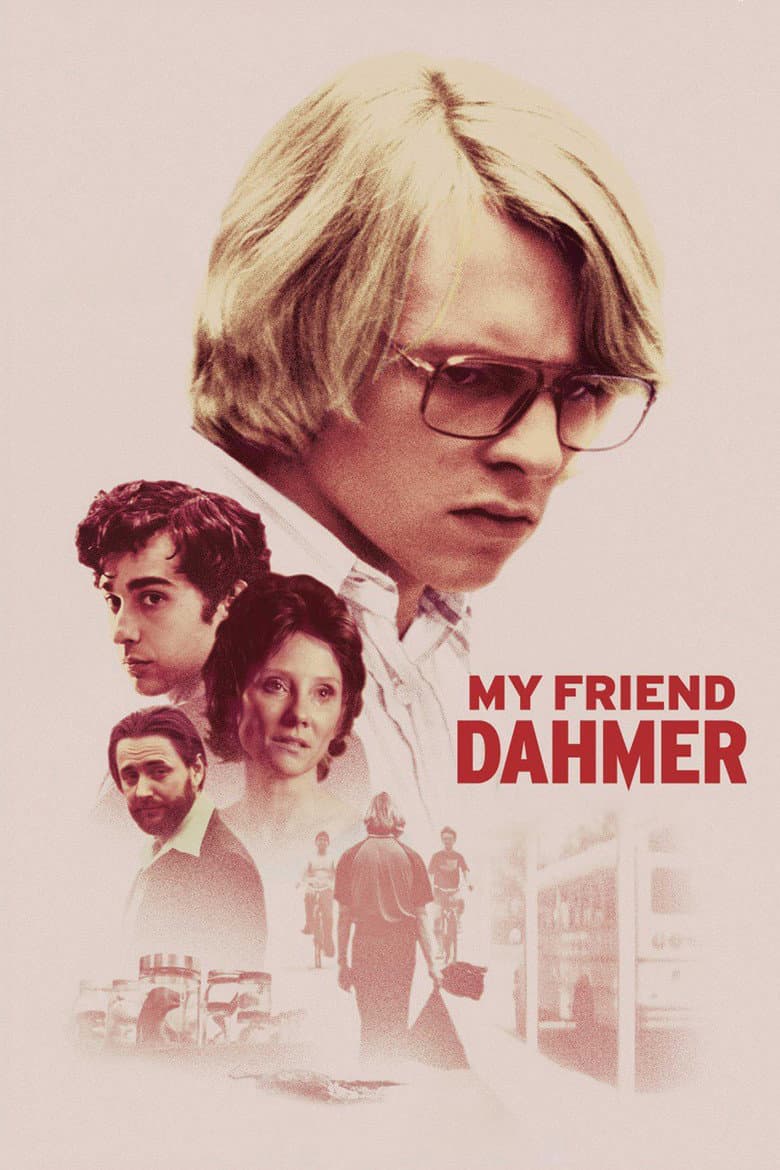
My Friend Dahmer follows Jeffrey Dahmer during his last year of high school in 1970s Ohio. Jeffrey lives with parents whose marriage is breaking apart, and he spends much of his time alone. He collects dead animals, drinks at school, and watches a male jogger who catches his interest. A group led by cartoonist Derf Backderf turns Jeffrey into a school mascot, while the film shows the warning signs before his first murder. The tone stays quiet, awkward, and disturbing because ordinary teenage jokes sit beside Jeffrey’s growing violence.
The clearest identity element is Jeffrey’s struggle with same-sex desire and the shame he feels while trying to act normal. The film also shows Jeffrey asking a black classmate about race and mocking an adult character with a disability. These scenes make sexuality, race, disability, bullying, and social rejection part of Jeffrey’s private story, but they do not become a modern rights speech or a call for activism. The main story remains a crime drama about loneliness, family failure, alcoholism, and a teenager choosing darker behavior.
Community feedback
Was our 22% Woke rating accurate?
Breakdown
These are the editorial factors and ratings behind our score for My Friend Dahmer.
Woke representation / casting
Not present. The main cast follows the real people and the Ohio setting. The film includes one Black classmate, but the cast does not form a diversity-focused group or frame him as a representation symbol.
0%
Woke political dialogue
Not present. Jeffrey asks a black classmate about race and says a few disturbing things about skin and body color. The scene shows Jeffrey’s odd behavior, not modern DEI, activist, or identity-politics ideas.
0%
Identity-driven story themes
Jeffrey has a recurring struggle with same-sex desire, shame, and the pressure to appear normal. He watches a male jogger, seeks contact with him, and masturbates after the doctor’s visit. A male classmate is treated as effeminate and is bullied, while Jeffrey mocks an adult character with a disability. These moments show private confusion and cruelty, but they do not turn the film into an activist message.
34%
Western institutional / cultural critique
Not present. The film shows family neglect, bullying, and adults missing warning signs. It treats those events as part of Dahmer’s history, not as a modern attack on Western institutions, men, Christianity, or traditional family life.
0%
Woke character or canon changes
Not relevant. The film adapts a real classmate’s graphic memoir and keeps Dahmer as the real historical person. Added scenes and changed friend roles concern story structure, not race, sex, sexuality, or hero status.
0%
Anti-woke backlash and complaints
One Reddit commenter in a discussion of the film said viewers had been “suckered in by the LGBTQ lobby.” This is the only clear title-related anti-woke complaint found, and it does not name a scene or explain a DEI message. The separate X pass found no anti-woke reaction, while news complaints focused on humanizing a serial killer and painful Milwaukee memories.
8%
Creator track record context
The supplied creator record gives Marc Meyers 14/100 and Derf Backderf 12/100. Meyers is mainly linked to character drama, while Backderf writes about political repression and overlooked people without a steady identity-politics campaign. Producer Giorgio Angelini has a higher cached score because his documentaries criticize racial housing policy and the modern American right. The wider team still has no strong shared record of DEI or activist work.
18%
Production
Movie · 2016
A student at a private school uses his connections to establish a drug trafficking network.
Movie · 2025
Amid the glittering casinos of Macau, a gambler running from his past—and his debts—becomes fascinated by an enigmatic woman at the baccarat table.
Movie · 2019
Ulrich Mott is an eccentric and versatile social climber with grandiose plans to affect United States foreign policy.
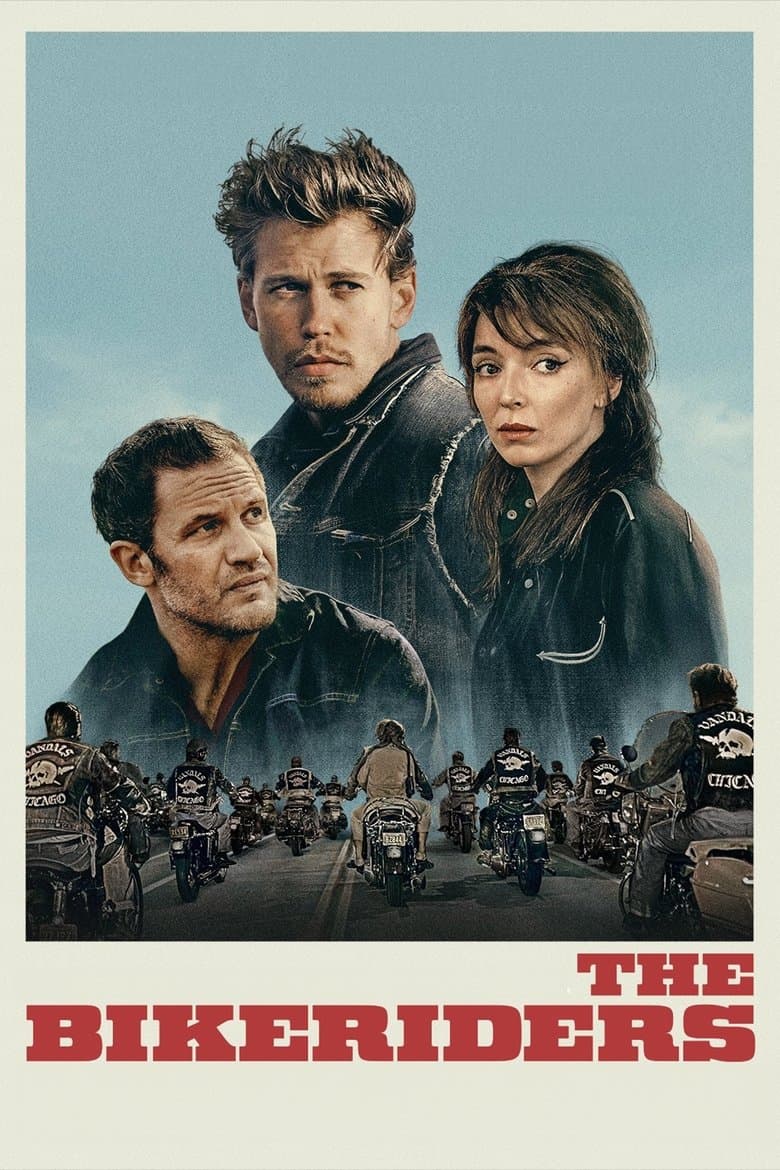
Movie · 2024
After a chance encounter, headstrong Kathy is drawn to Benny, member of Midwestern motorcycle club the Vandals.
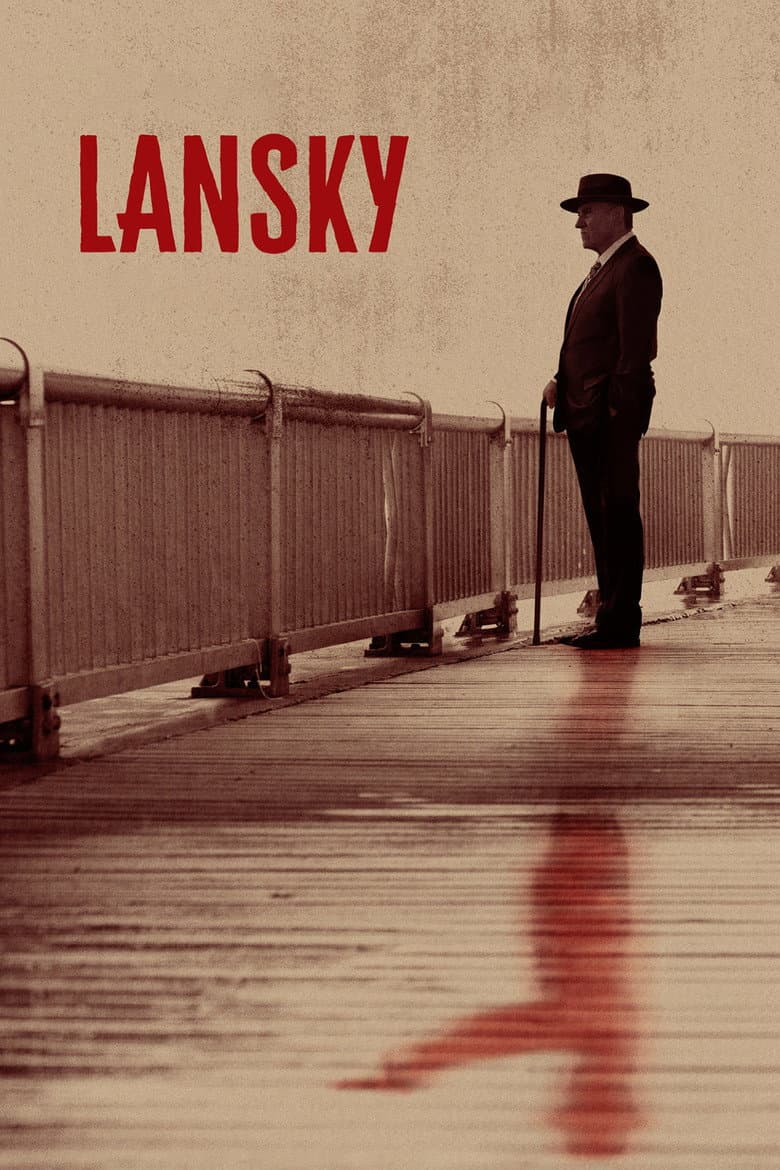
Movie · 2021
When the aging Meyer Lansky is investigated one last time by the Feds who suspect he has stashed away millions of dollars over half a century, the retired gangster spins a…
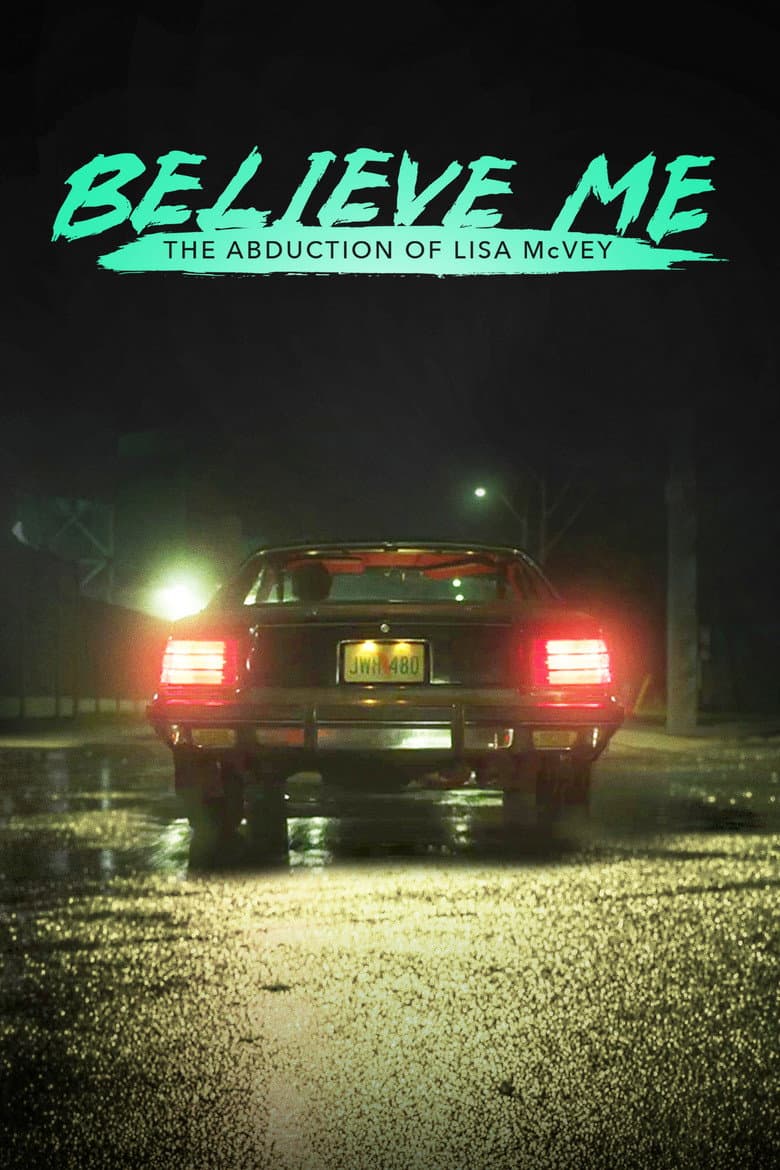
Movie · 2018
On the night she plans on taking her own life, 17-year-old 'Lisa McVey' is kidnapped and finds herself fighting to stay alive and is raped.
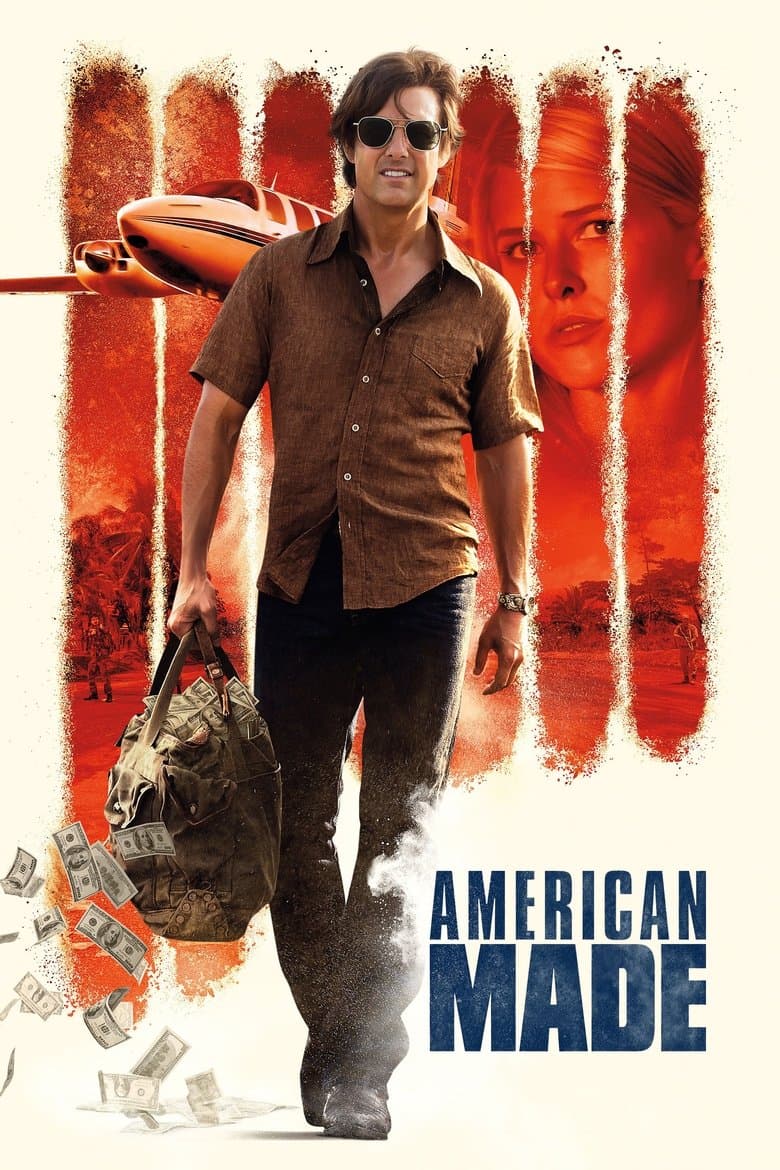
Movie · 2017
The true story of pilot Barry Seal, who transported contraband for the CIA and the Medellin cartel in the 1980s.
Movie · 2025
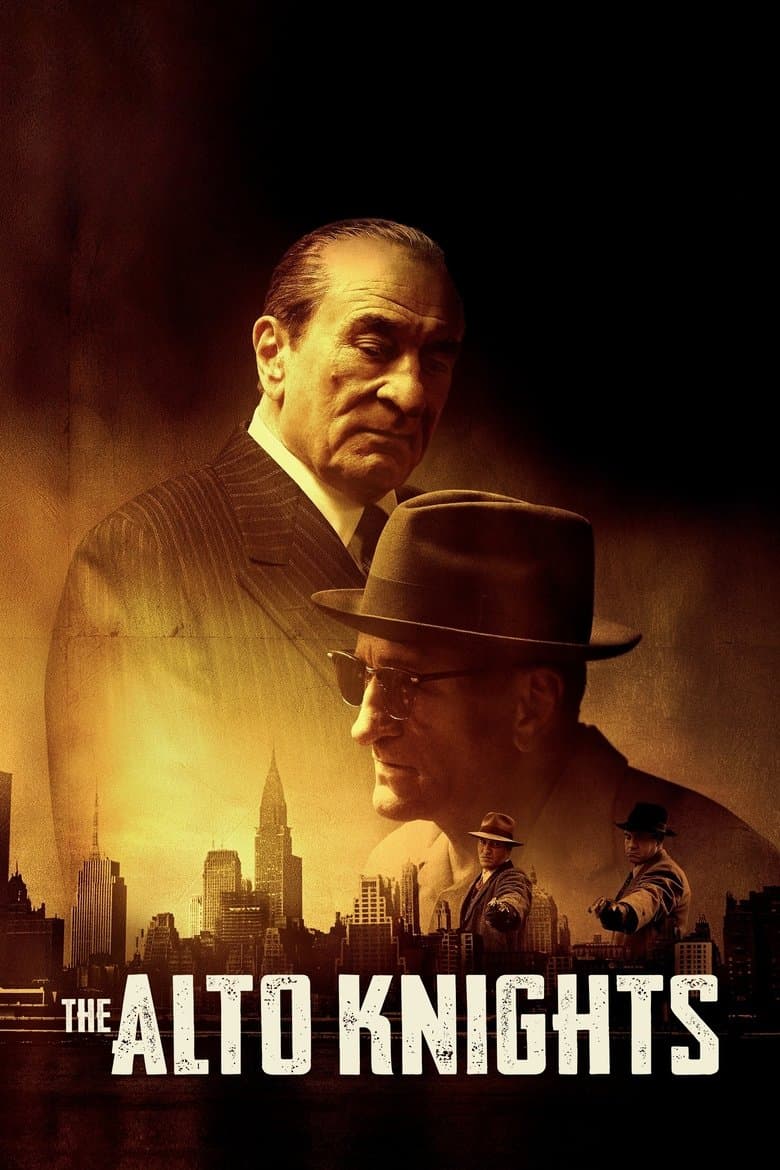
Two of New York's most notorious organized crime bosses, Frank Costello and Vito Genovese, vie for control of the city's streets.
