
Gloria Meyer is a Los Angeles makeup artist who travels to Tijuana to help her friend Suzu enter a beauty pageant. A cartel kidnaps Suzu after a nightclub attack, and Gloria gets trapped between the cartel, the DEA, and the CIA. Gloria uses her American passport, her knowledge of both sides of the border, and her quick thinking to stay alive. The film has a tense, violent, and glossy action tone.
The story makes female empowerment a major part of Gloria’s rise from an ordinary worker to an action hero. Gloria does not wait for a man to rescue her, and she learns to make plans, use weapons, and fight back. The film also treats her Mexican and American identity as a source of pressure, since criminals and officials judge her through that identity. The story gives government agencies a morally mixed role, but its border criticism stays inside the crime plot.
Community feedback
Was our 53% Woke rating accurate?
Breakdown
These are the editorial factors and ratings behind our score for Miss Bala.
Woke representation / casting
Gloria is a Latina lead in a story set between Los Angeles and Tijuana, so the main casting fits the setting. The film also uses a mostly Mexican and Latin American cast and crew. Sony and the filmmakers presented the 95 percent figure as a diversity and representation goal. The choice is visible, but it is tied closely to the border story rather than an obviously forced group of identities.
28%
Woke political dialogue
Gloria is treated as suspicious by U.S. agents partly because she is Mexican and moves across the border. The film gives this idea a few clear lines and scenes. The plot also shows government agents using criminals and hiding their own goals. These points add a modern border and identity message, but they do not dominate the dialogue.
24%
Identity-driven story themes
Gloria starts as a makeup artist who depends on others, but she becomes the person who makes the plans and saves her friend. The story repeatedly presents her strength, skill, and freedom from male rescue as female empowerment. The film also makes her split Mexican and American identity part of the danger and the answer to it. This message shapes the remake from the opening crisis to the final action scene.
58%
Western institutional / cultural critique
The cartel, Mexican police, DEA, and CIA all use Gloria as a tool. The story shows U.S. agents treating her as guilty because of her Mexican ties. The film presents border power and official violence as part of the danger, not as a simple fight between good and bad sides. The critique remains tied to the crime plot and does not become a broad attack on Western culture.
34%
Woke character or canon changes
Not relevant. The remake changes Gloria from a passive Mexican beauty-pageant figure into a Mexican American makeup artist who fights back. Available coverage describes these as story updates about border identity and female agency, not as an ideological rewrite of a named legacy character or historical figure.
0%
Anti-woke backlash and complaints
Not present. The supplied X check found no anti-woke reaction. News and review coverage focused on quality, violence, border politics, and female empowerment, not claims that the film pushed DEI or identity politics.
0%
Creator track record context
Catherine Hardwicke has a mid-range record of feminist and socially aware work and public support for women directors. Gerardo Naranjo and Gareth Dunnet-Alcocer have written social or cultural stories without a strong public activist persona. Carla Hool and producers Pablo Cruz and Arturo Sampson have supported Latin American and underrepresented stories. Other listed producers have little known political or identity-focused history. This gives the project moderate creator track record context.
43%
Production

Movie · 2017
The story of the miraculous evacuation of Allied soldiers from Belgium, Britain, Canada and France, who were cut off and surrounded by the German army from the beaches and harbour…
Movie · 2025
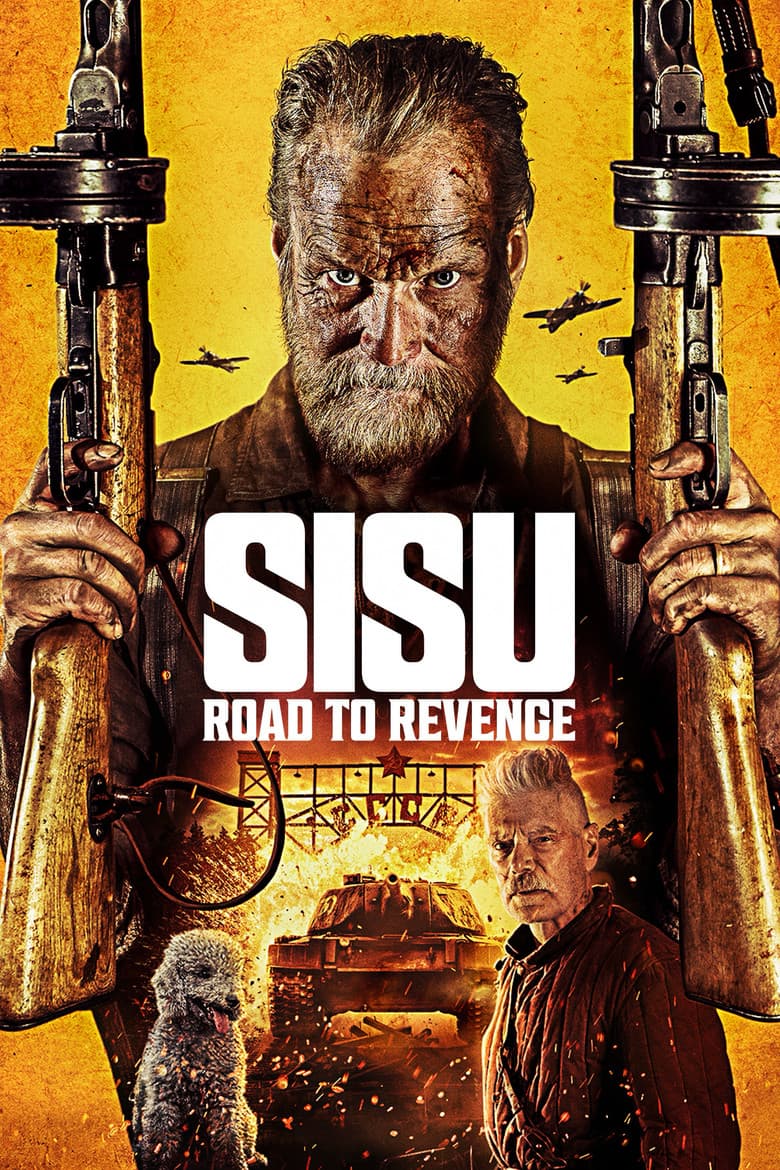
Returning to the house where his family was brutally murdered during the war, "the man who refuses to die" dismantles it, loads it on a truck, and is determined to rebuild it…

Movie · 2017
After being coerced into working for a crime boss, a young getaway driver finds himself taking part in a heist doomed to fail.

Movie · 2018
When an IMF mission ends badly, the world is faced with dire consequences. As Ethan Hunt takes it upon himself to fulfill his original briefing, the CIA begin to question his…

Movie · 2025
A platoon of Navy SEALs embarks on a dangerous mission in Ramadi, Iraq, with the chaos and brotherhood of war retold through their memories of the event.
Movie · 2019
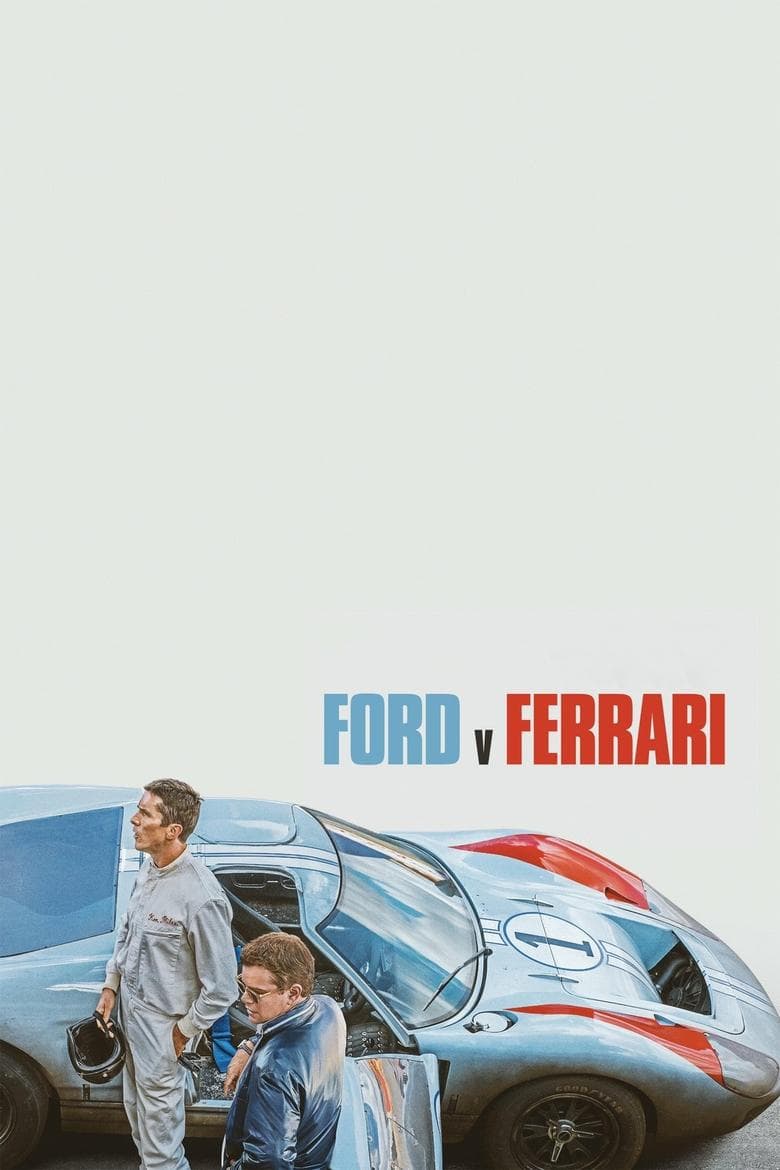
American car designer Carroll Shelby and the British-born driver Ken Miles work together to battle corporate interference, the laws of physics, and their own personal demons to…
Movie · 2021
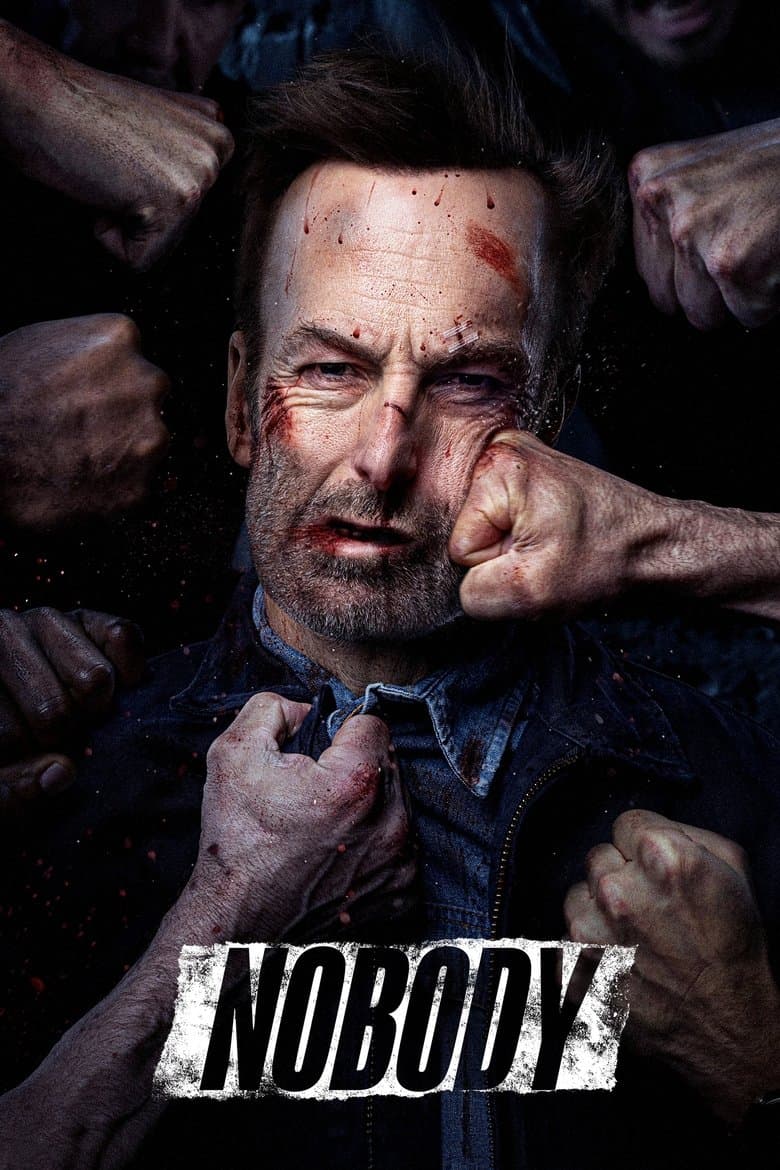
Hutch Mansell, a suburban dad, overlooked husband, nothing neighbor — a "nobody." When two thieves break into his home one night, Hutch's unknown long-simmering rage is ignited…

Movie · 2019
Vietnam War, 1966. Australia and New Zealand send troops to support the United States and South Vietnamese in their fight against the communist North.
