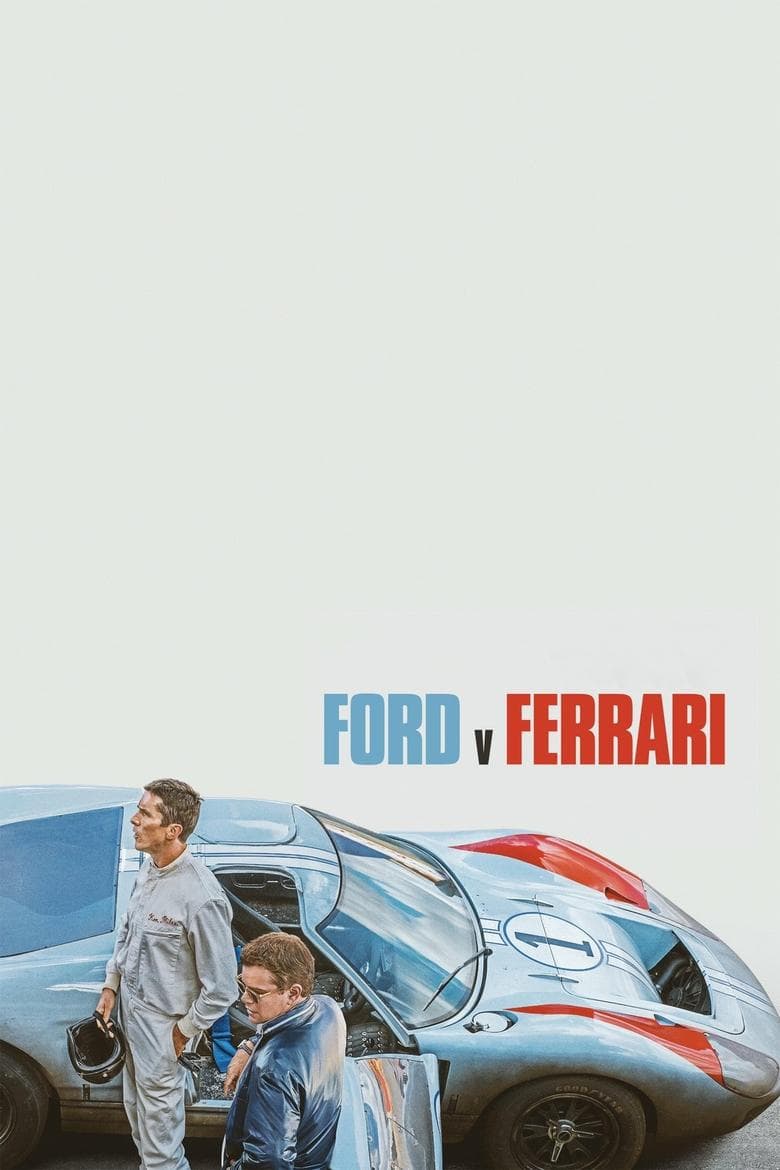
Ford v Ferrari follows American car designer Carroll Shelby and British driver Ken Miles as they build Ford’s GT40 in the 1960s. Ford wants revenge after Ferrari rejects a business deal, so the team must beat Ferrari at the 24 Hours of Le Mans in France. Shelby handles Ford’s demands while Miles tests the car and fights both the track and the company’s office leaders. The film uses loud races, rough humor, family scenes, and a sad ending to tell an old-fashioned story about skill and friendship.
The film’s main message praises hard work, brave driving, engineering skill, loyalty, and the joy of making something great. Ford’s executives often block the racers, but the conflict stays about business control and the danger of racing. Mollie Miles gives Ken a loving home and pushes back when his risks threaten the family. Shelby and Miles form a close friendship that helps both men face pride, grief, and the limits of their bodies.
Community feedback
Was our 5% Woke rating accurate?
Breakdown
These are the editorial factors and ratings behind our score for Ford v Ferrari.
Woke representation / casting
Not present. The movie casts Matt Damon, Christian Bale, and other actors as real racing figures from the 1960s. Mollie Miles is a supporting wife and mother, but the film does not present her or any other casting choice as a diversity or identity statement.
0%
Woke political dialogue
Not present. The dialogue covers race plans, car design, Ford’s sales goals, and personal fights. The film uses no activist language or present-day identity politics. Its arguments about business control stay inside the racing plot.
0%
Identity-driven story themes
Not present. The story follows two men seeking a racing win and dealing with pride, friendship, family, and loss. Mollie Miles and Peter Miles show the family cost of Ken’s dangerous work. The film does not build its plot around race, sex, gender identity, sexuality, or a social campaign.
0%
Western institutional / cultural critique
Not present. Ford’s managers often block the racers, but this is a conflict about control, risk, and winning Le Mans. The movie does not turn that conflict into a modern attack on capitalism, patriarchy, Christianity, or Western culture.
0%
Woke character or canon changes
Not relevant. The movie compresses and dramatizes real events for a clear story. It does not change the real figures’ identities or beliefs to make an identity point.
0%
Anti-woke backlash and complaints
A few fringe posts used the film’s white male leads and male-centered subject in a political argument against newer feminist or DEI films. The posts did not make a sustained claim that Ford v Ferrari itself pushed woke content. Most right-leaning posts praised the movie as non-woke, so the backlash was weak.
5%
Creator track record context
James Mangold has a cached 32/100 score because he publicly opposed Georgia’s voting laws in 2021. The cached notes give the writers and editors low scores and show no activist pattern. This mild creator context is not repeated in the film’s story, dialogue, or marketing.
18%
Production
Movie · 2020
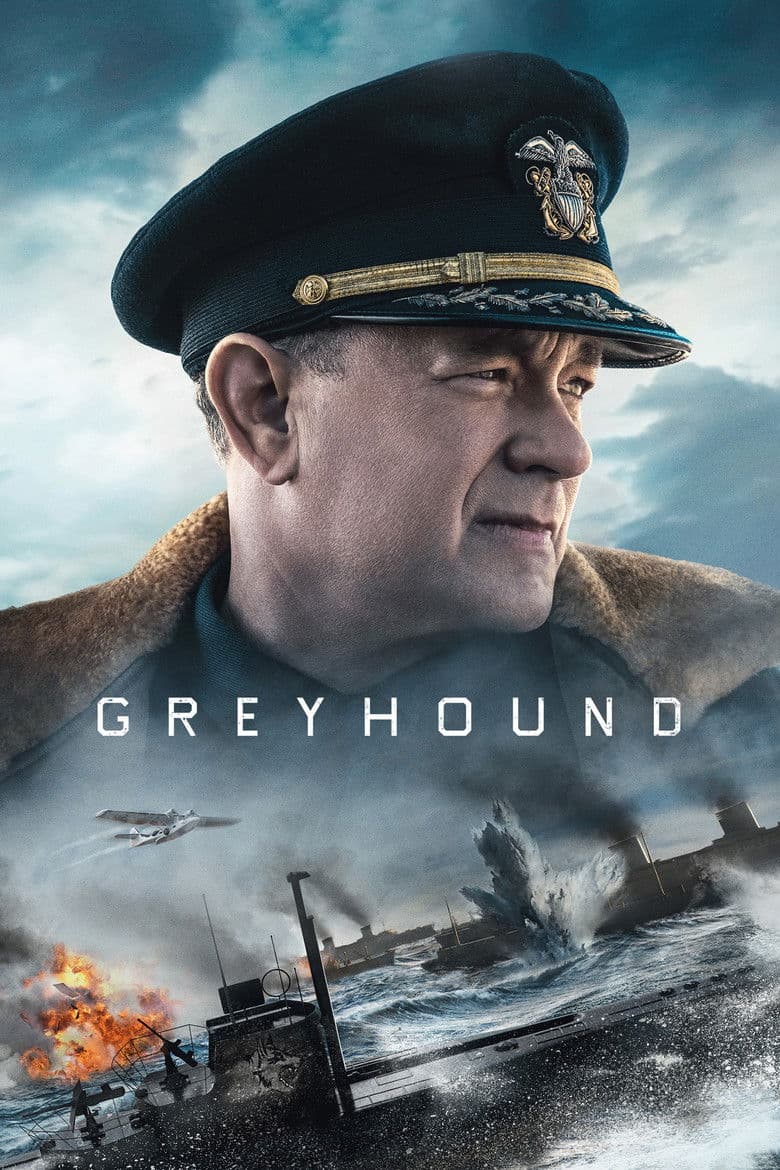
A first-time captain leads a convoy of allied ships carrying thousands of soldiers across the treacherous waters of the "Black Pit" to the front lines of WWII.
Movie · 2017
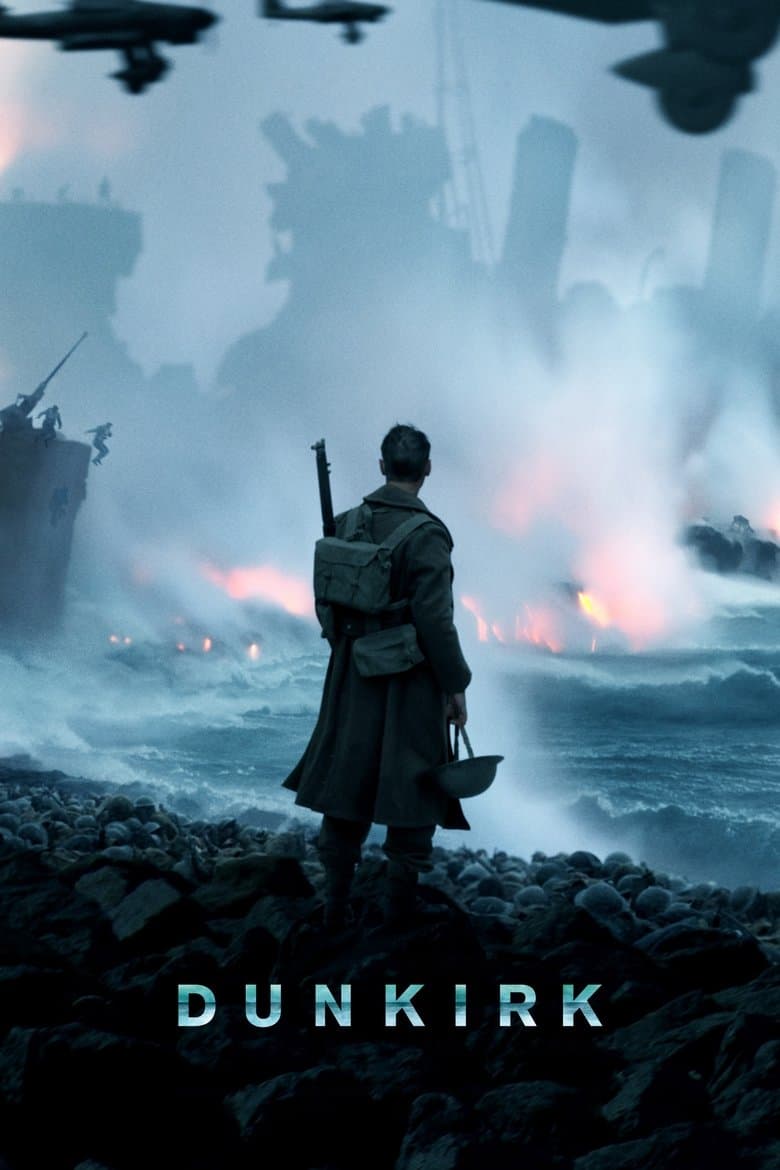
The story of the miraculous evacuation of Allied soldiers from Belgium, Britain, Canada and France, who were cut off and surrounded by the German army from the beaches and harbour…
Movie · 2021
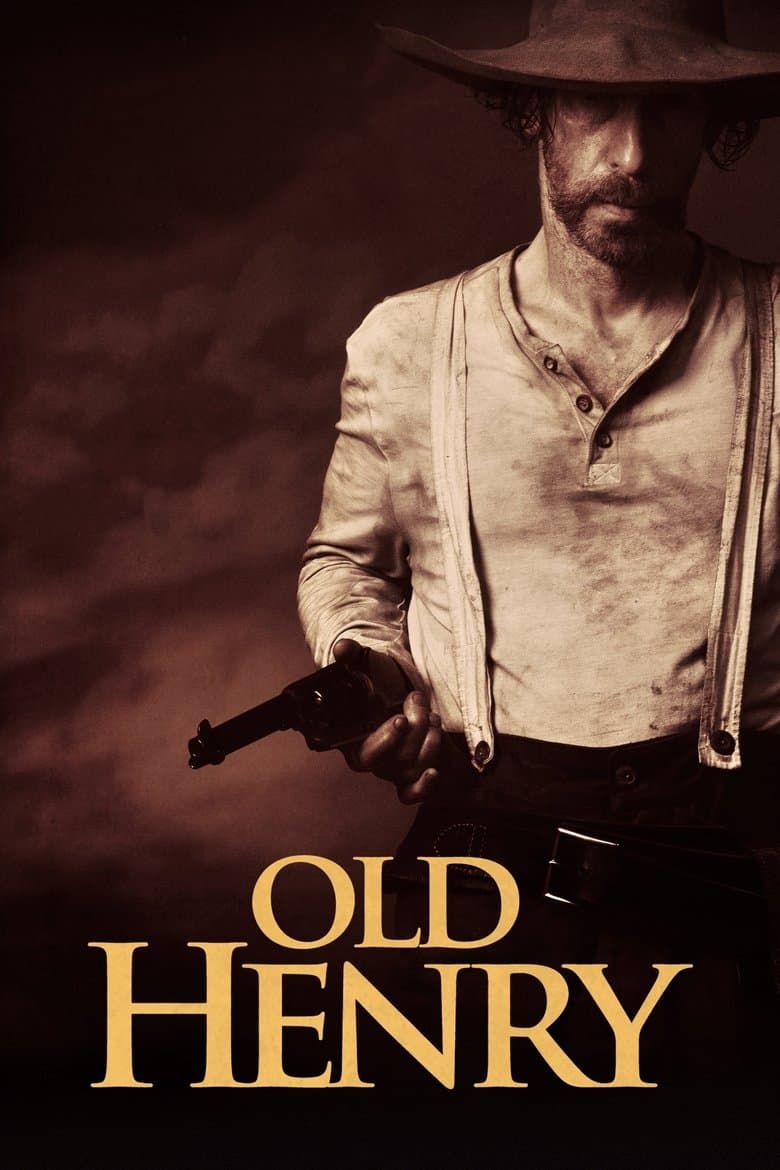
A widowed farmer and his son warily take in a mysterious, injured man with a satchel of cash. When a posse of men claiming to be the law come for the money, the farmer must decide…
Movie · 2023
The story of Tim Ballard, a former US government agent, who quits his job in order to devote his life to rescuing children from global sex traffickers.
Movie · 2018
One year after the events of "Kickboxer: Vengeance", Kurt Sloan has vowed never to return to Thailand. However, while gearing up for a MMA title shot, he finds himself sedated and…
Movie · 2020
A small unit of U.S. soldiers, alone at the remote Combat Outpost Keating, located deep in the valley of three mountains in Afghanistan, battles to defend against an overwhelming…

Movie · 2016
A young man washes ashore, his memory gone - but his past comes back to haunt him after he is nursed back to health and his killing ability is needed when he takes on a powerful…
Movie · 2021
Haunted by his mysterious past, a devoted high school football coach leads a scrawny team of orphans to the state championship during the Great Depression and inspires a broken…
