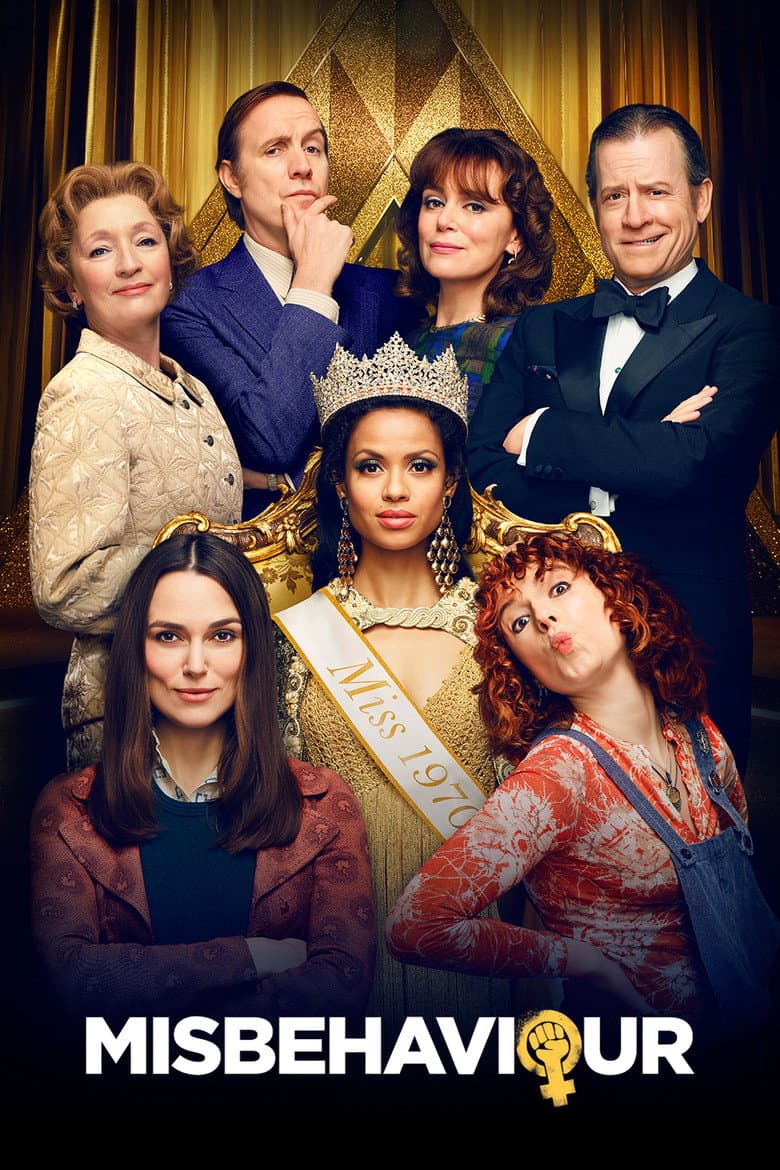
Misbehaviour follows Sally Alexander, a single mother and history student in London in 1970. She joins a new group of women who plan to interrupt the live Miss World contest because they believe it turns women into objects. The story also follows Jennifer Hosten of Grenada, who enters the contest while facing racist treatment and hopes to become the first Black winner. The film moves between protests, university life, family arguments, and the bright pageant stage, using a light comedy-drama tone.
The film makes women's liberation its main idea and repeatedly attacks beauty rules, male control, sexual jokes, and unfair treatment at work and school. It shows women arguing over whether a pageant can harm women while also giving contestants money, travel, status, and a chance to be seen. Jennifer's story adds a clear race and representation thread, especially when she explains why a black win matters to her and why the white protesters do not face the same risks. These themes shape the protest, Sally's growth, and the meeting between Sally and Jennifer, so viewers will notice them throughout the movie.
Community feedback
Was our 57% Woke rating accurate?
Breakdown
These are the editorial factors and ratings behind our score for Misbehaviour.
Woke representation / casting
Not present. The film casts real historical contestants according to their real identities. The story does not show a made-up diversity pattern or present the casting as a diversity-first message beyond the history.
0%
Woke political dialogue
The protesters repeatedly discuss equal pay, child care, education, contraception, and women’s control over their lives. Sally and Jo use direct activist language when they plan the protest and challenge men who dismiss them. The film also connects the pageant to racism and apartheid. The dialogue is tied to a 1970 British protest, so it is more historical feminist politics than a broad present-day political lecture.
43%
Identity-driven story themes
The film makes women’s liberation the central conflict. The activists reject beauty contests as systems that judge women by their bodies, while the contestants fight for opportunity, travel, and recognition. Jennifer Hosten’s win as the first Black Miss World adds a major representation thread. The story shows that white women and black women face different risks.
60%
Western institutional / cultural critique
The film shows male teachers judging Sally by her looks instead of her work. The pageant organizers and Bob Hope treat women as bodies for public entertainment. The story presents traditional family roles and male control as limits that women must resist. The women challenge those rules in university, at home, and on television.
50%
Woke character or canon changes
Not relevant. The film dramatizes real people and a real 1970 event. No clear woke identity change to a real person, source, or event is central to the story.
0%
Anti-woke backlash and complaints
Not present. The supplied X research found no anti-woke reaction or named complaint. Web and audience coverage focused on pacing, tone, and white feminism rather than saying the film was too woke.
0%
Creator track record context
Philippa Lowthorpe often tells stories about women whose lives were ignored or harmed by unfair systems. Gaby Chiappe and Rebecca Frayn have supported gender equality, women’s rights, social justice, or climate causes in their wider work. Nina Gold has spoken about valuing diversity while respecting the source material. This background supports the film’s feminist and representation themes, but it does not show a uniformly activist crew.
38%
Production
Movie · 2016
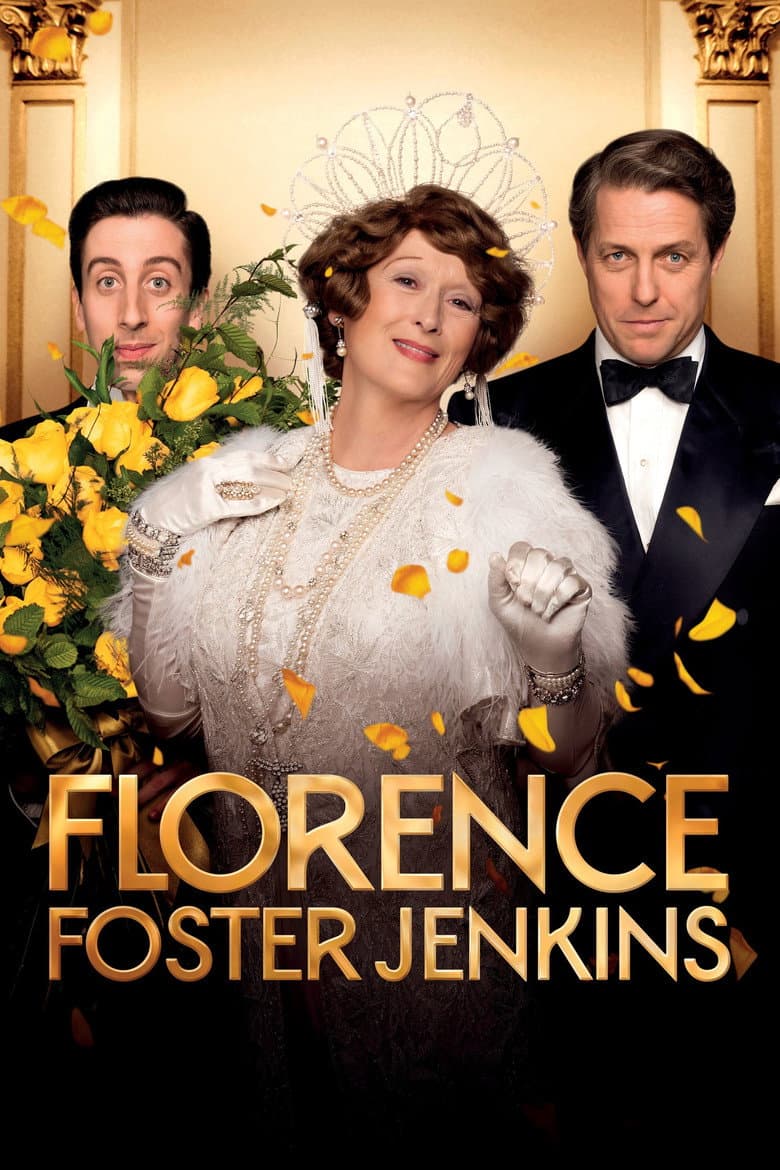
The story of Florence Foster Jenkins, a New York heiress, who dreamed of becoming an opera singer, despite having a terrible singing voice.
Movie · 2018
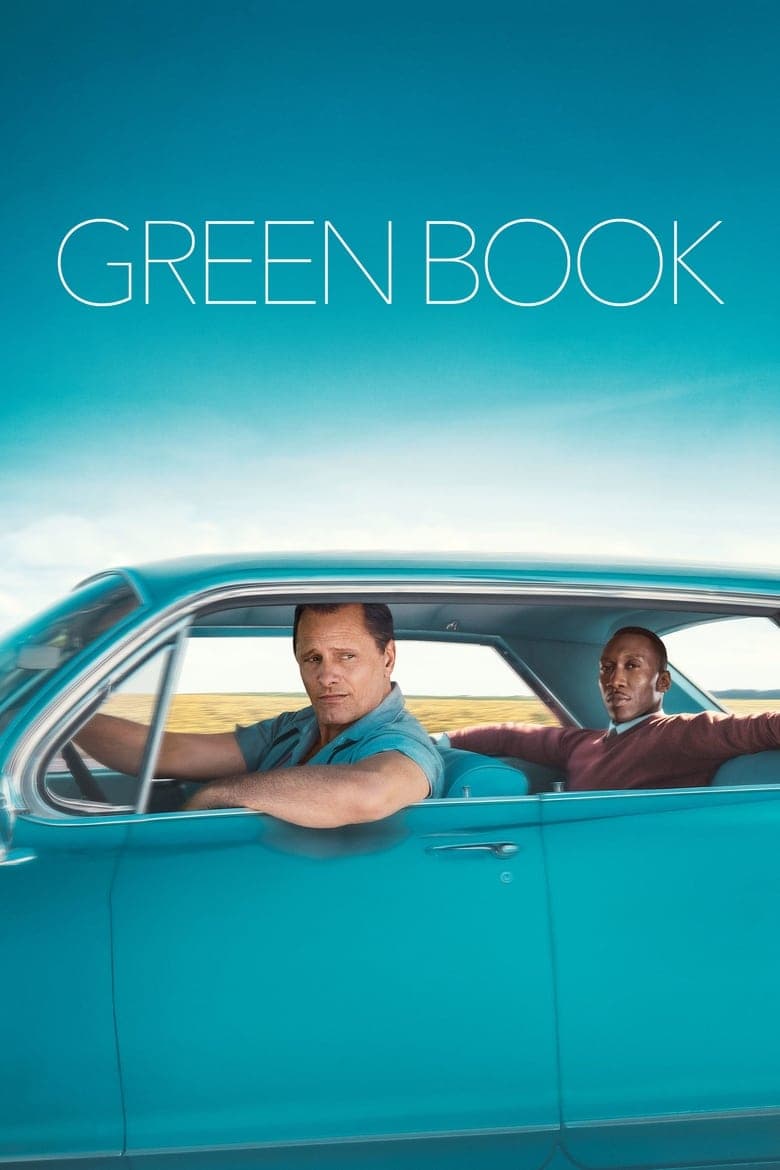
Tony Lip, a bouncer in 1962, is hired to drive pianist Don Shirley on a tour through the Deep South in the days when African Americans, forced to find alternate accommodations and…

Movie · 2019
A young Scottish singer, Rose-Lynn Harlan, dreams of making it as a country artist in Nashville after being released from prison.

Movie · 2021
Veteran comedy writer Charlie Berns, who is slowly but surely losing his grip on reality, befriends a talented young New York street singer Emma Payge.
Movie · 2022
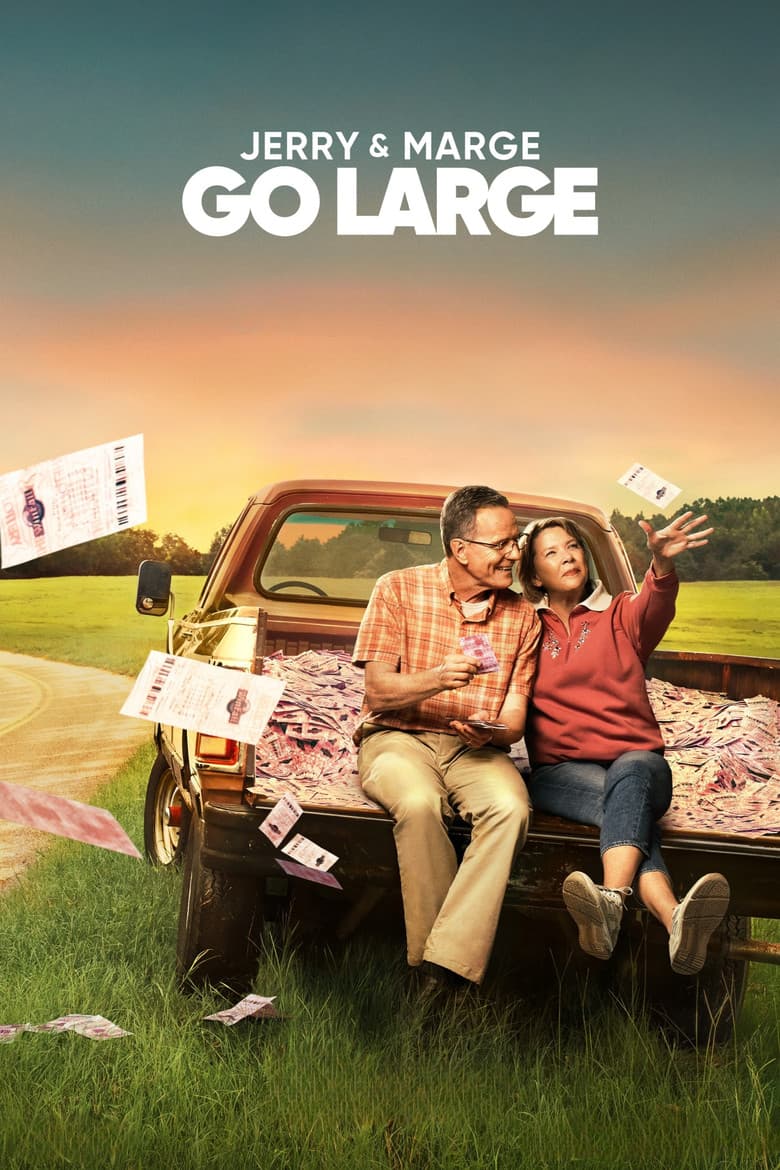
The remarkable true story of how retiree Jerry Selbee discovers a mathematical loophole in the Massachusetts lottery and, with the help of his wife, Marge, wins $27 million…
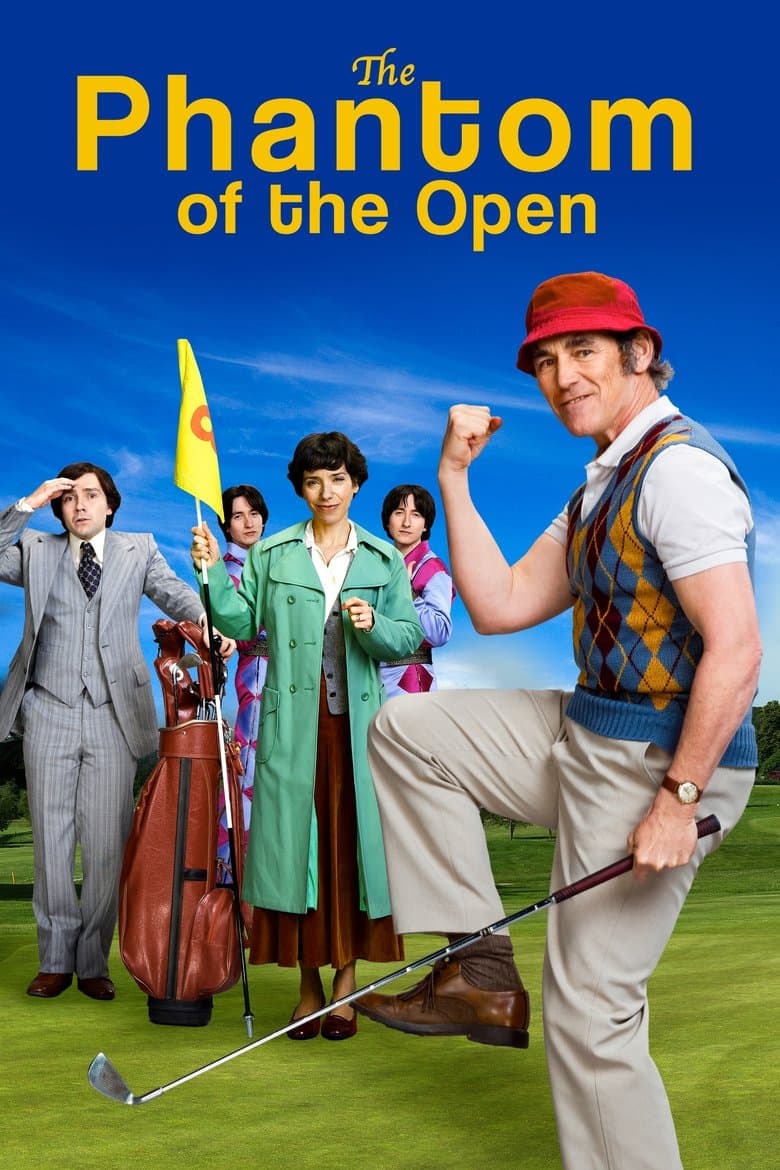
Movie · 2022
Maurice Flitcroft, a dreamer and unrelenting optimist, managed to gain entry to The British Open Golf Championship qualifying in 1976 and subsequently shot the worst round in Open…
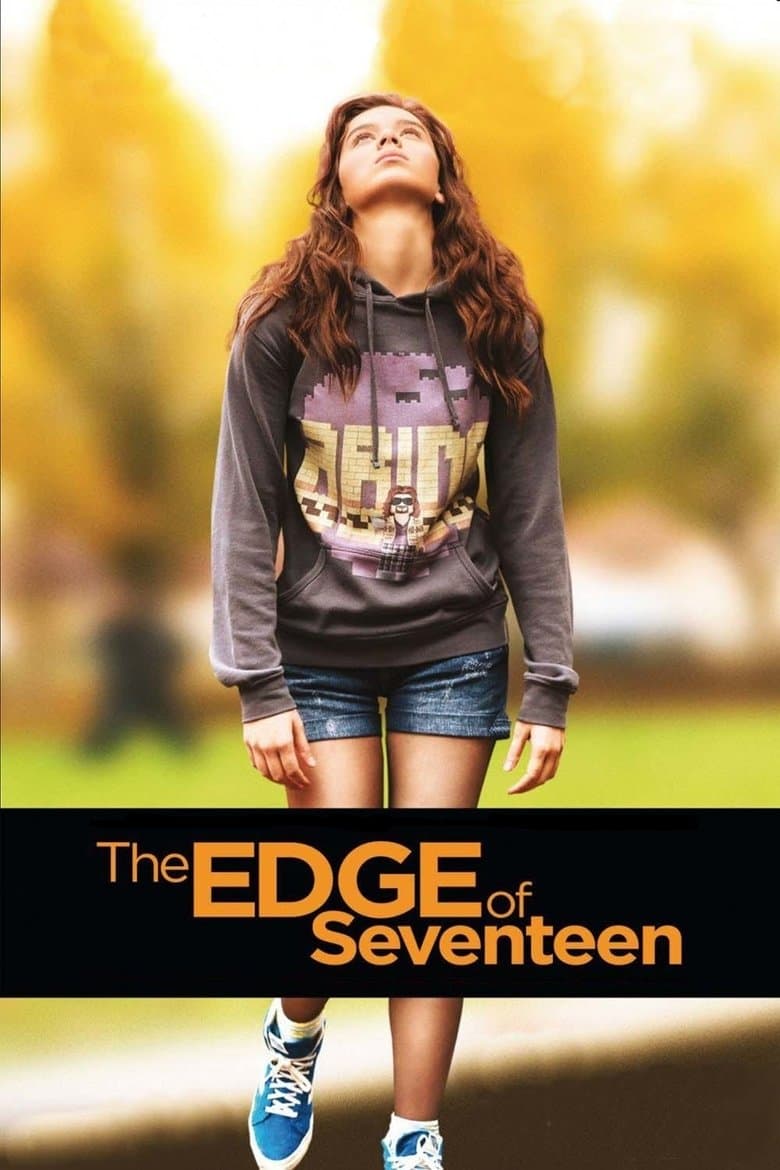
Movie · 2016
Two high school girls are best friends until one dates the other's older brother, who is totally his sister's nemesis.
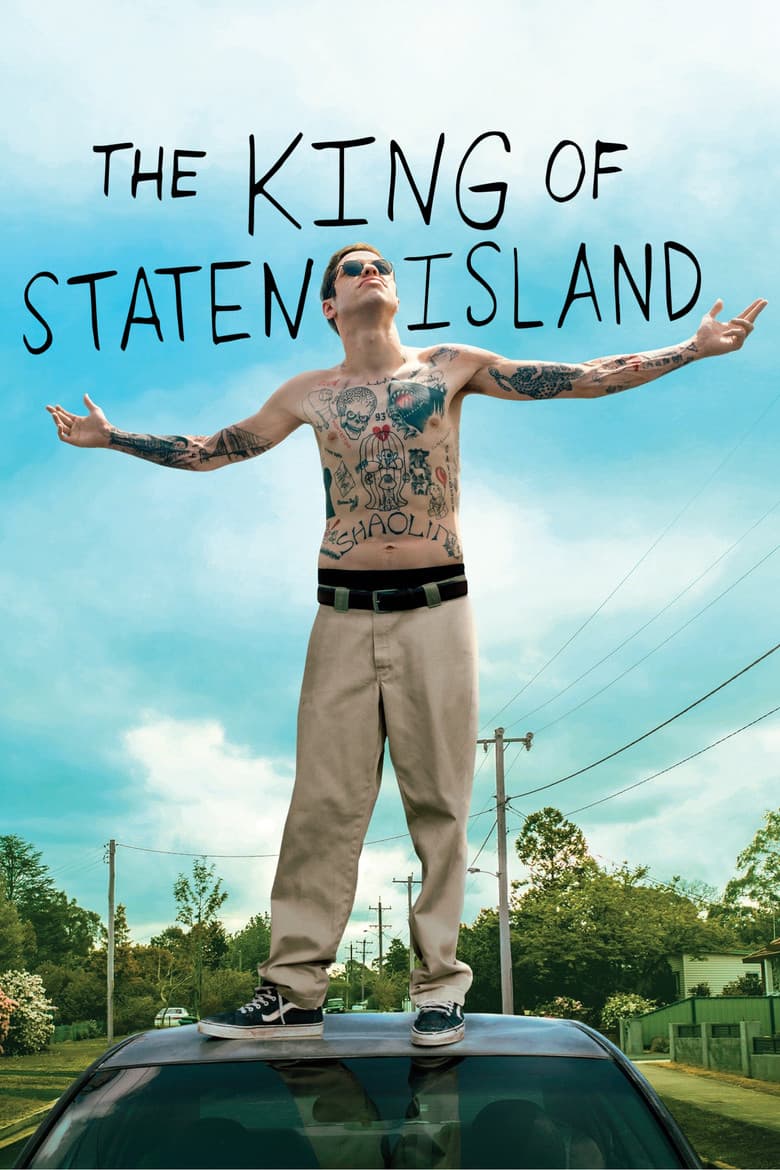
Movie · 2020
Scott has been a case of arrested development ever since his firefighter father died when he was seven. He's now reached his mid-20s having achieved little, chasing a dream of…
