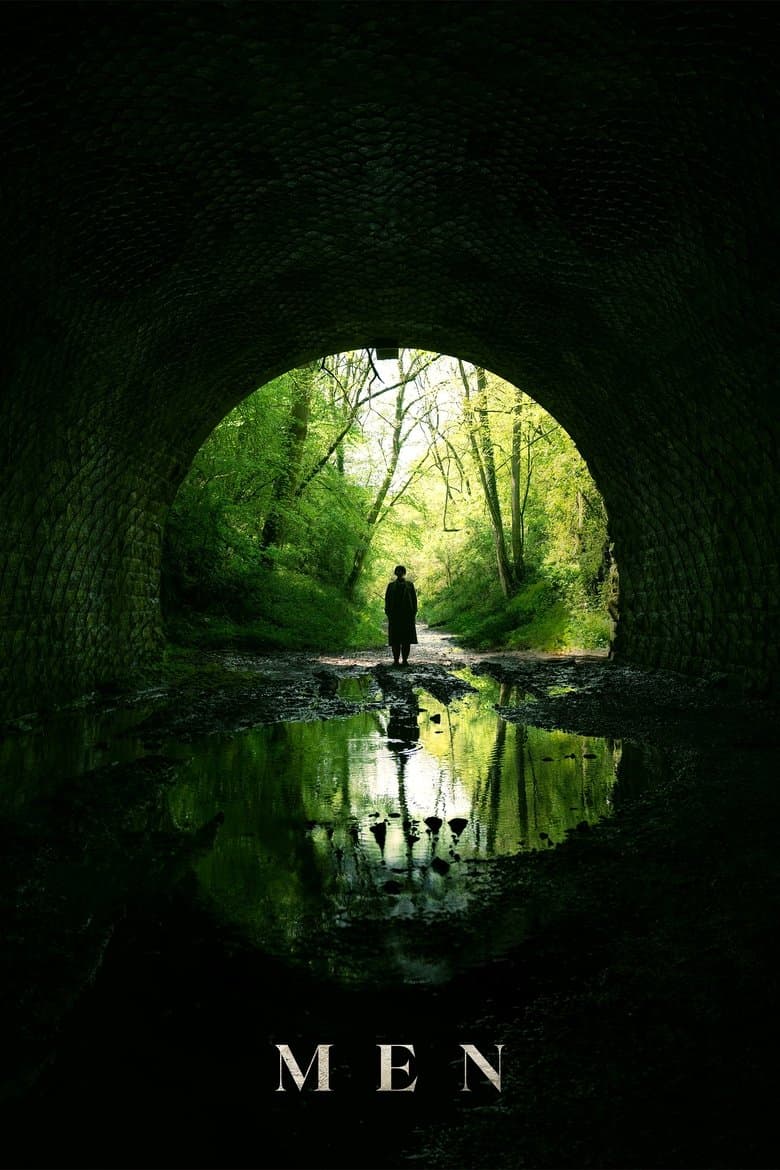
Harper rents a quiet house in the English countryside after her husband James falls to his death from their flat. She feels guilty because she had planned to leave him after he threatened her and hit her. The village grows frightening when a naked stranger, a landlord, a vicar, a child, and police officers begin to seem linked. Rory Kinnear plays almost every man Harper meets, and the film turns her grief into strange folk horror and graphic body horror.
The story makes male control, blame, gaslighting, and fear of men its main social message. The vicar tells Harper that she may have caused James’s death, while other men dismiss her fear or ignore her boundaries. The repeated face suggests that different men can feel like one shared force of entitlement and threat. The final chain of men giving birth to more men turns the film’s gender critique into a direct image of harm repeating itself, although grief, guilt, and personal healing remain important parts of the plot.
Community feedback
Was our 62% Woke rating accurate?
Breakdown
These are the editorial factors and ratings behind our score for Men.
Woke representation / casting
Not present in this title.
0%
Woke political dialogue
The vicar tells Harper that she may have caused James’s death after he struck her. The vicar also says that men sometimes hit women and treats the abuse as something she should have handled better. The police and other men dismiss her fear and question what she saw. The film uses these lines to support its gender critique, but it has few direct political speeches.
18%
Identity-driven story themes
Harper’s main conflict turns male control and fear into a horror story. The husband threatens suicide, hits Harper, and makes her feel responsible for his death. The vicar, landlord, child, police, and intruder repeat blame, pressure, and ignored boundaries. Rory Kinnear’s one-face casting makes the men feel like one shared force. The birth chain shows harm passing from one man to another.
72%
Western institutional / cultural critique
The film presents male authority as unsafe for Harper. The vicar uses church authority to blame her, and the police do not treat the intruder as a serious threat. The husband’s control and the landlord’s false kindness also question older ideas about male power and proper behavior. The story ties these scenes to grief, folklore, and a private nightmare, so its wider institutional critique stays moderate.
48%
Woke character or canon changes
Not relevant. This is an original screenplay with no source material, legacy characters, or historical figures altered for identity or ideological reasons.
0%
Anti-woke backlash and complaints
One prominent right-leaning article called the film woke and man-hating because it treats nearly every male figure as a threat. Other user reviews and small social posts used terms such as misandrist, propaganda, and woke virtue-signaling. X searches found no large reaction, major influencer campaign, review-bombing, or boycott. The complaints were real but limited in spread.
30%
Creator track record context
Alex Garland has a cached creator score of 25/100 and a record of using political ideas with ambiguity. Garland said Men includes #MeToo and gender inequality themes, but he also described it as a ghost story about grief, guilt, and a haunted memory. The cached producer and script supervisor scores are low, while the casting director’s higher score is not reflected in the title’s casting. This context supports a light to moderate signal rather than a strong activist profile.
25%
Production
Movie · 2017
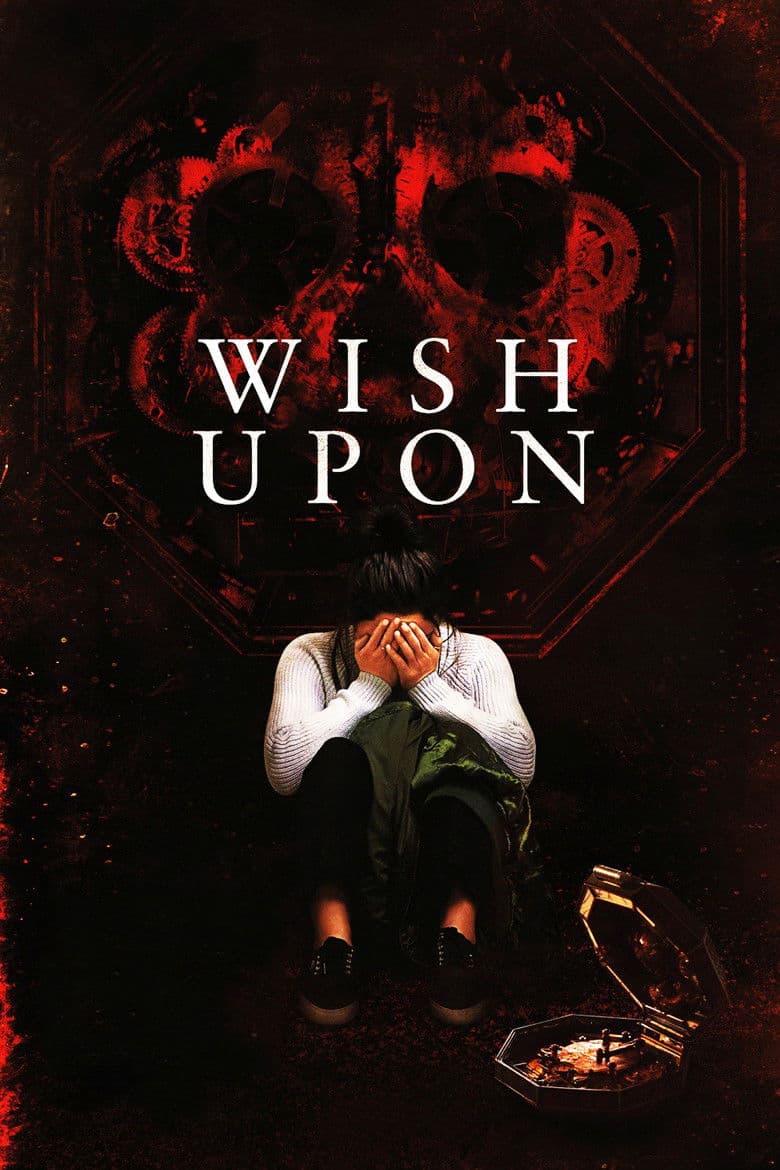
A teenage girl discovers a box with magical powers, but those powers comes with a deadly price.
Movie · 2018
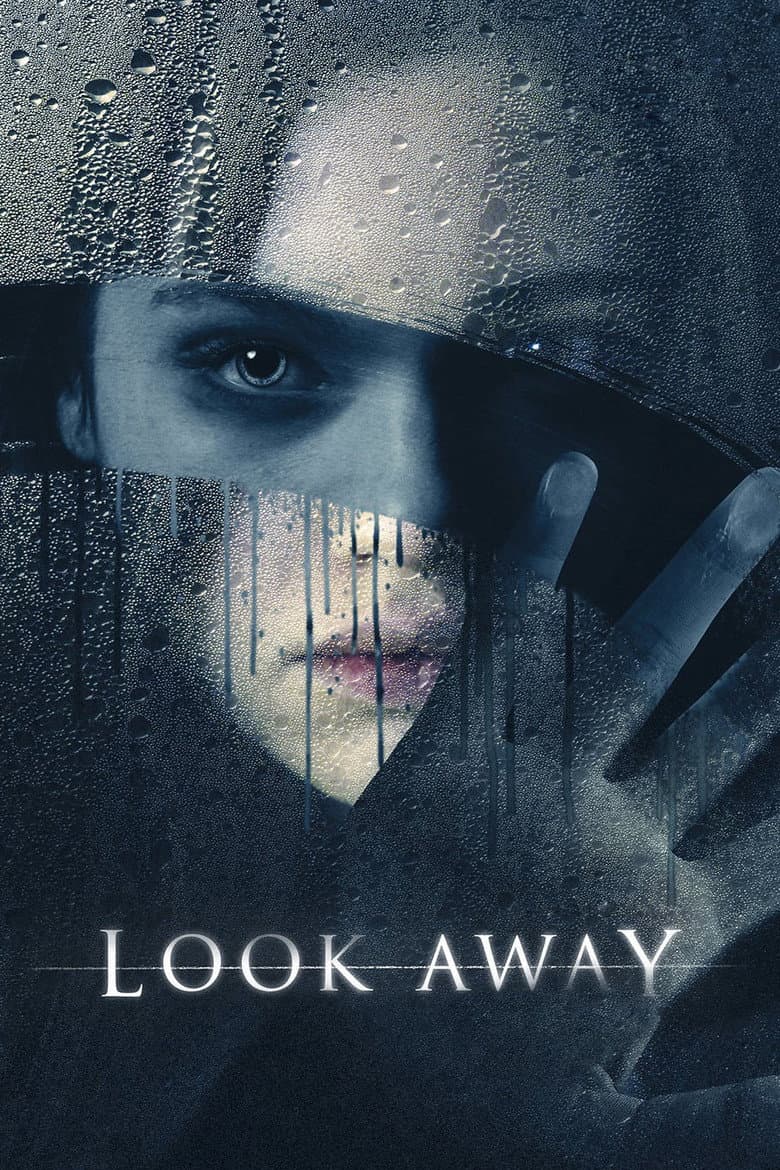
A timid and socially alienated 17-year-old high school student's life is turned upside down when she switches places with her sinister mirror image.
Movie · 2024
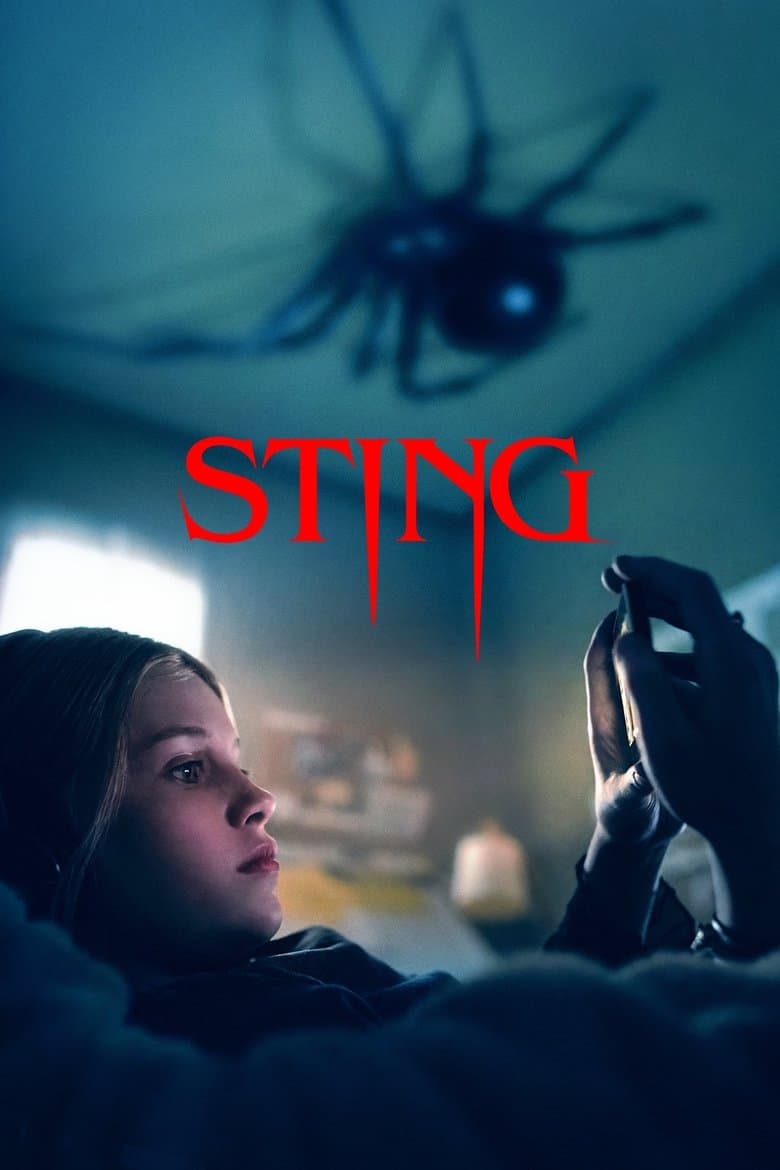
After raising an unnervingly talented spider in secret, 12-year-old Charlotte must face the truth about her pet and fight for her family's survival.

Movie · 2024
Nothing is what it seems when a twisted one-night stand spirals into a serial killer’s vicious murder spree.
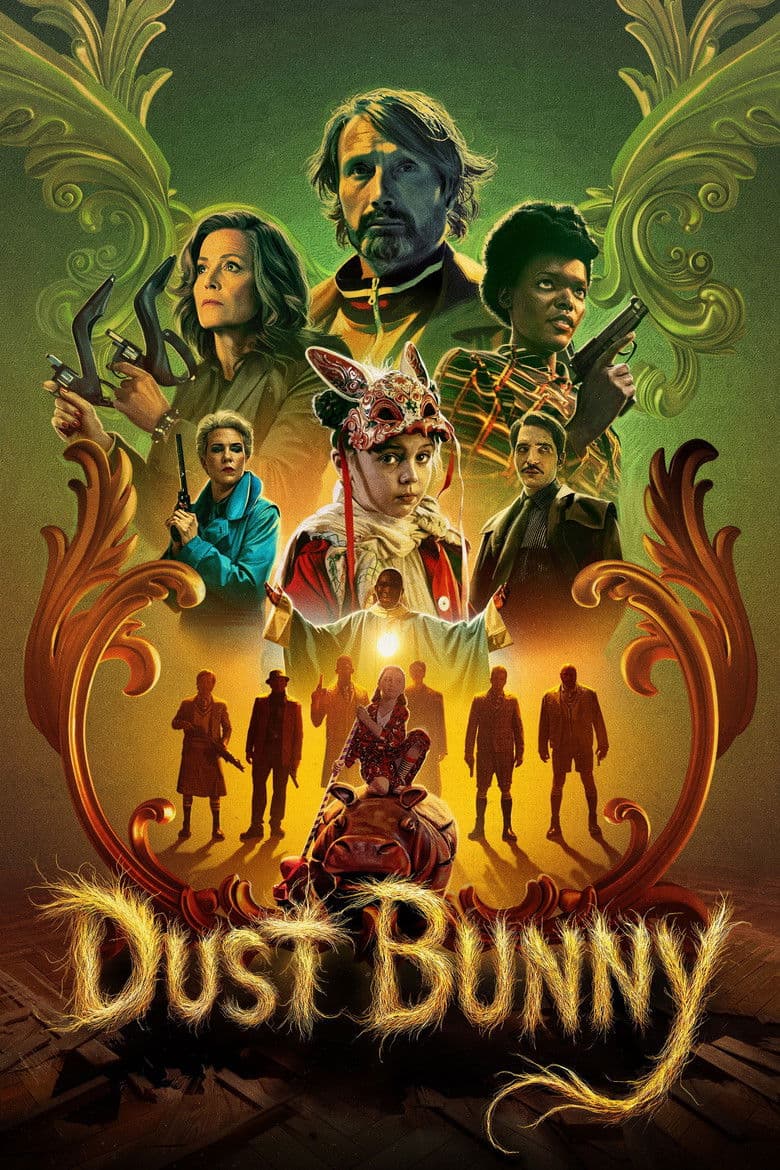
Movie · 2025
Ten-year-old Aurora asks her hitman neighbor to kill the monster under her bed that she claims ate her family.
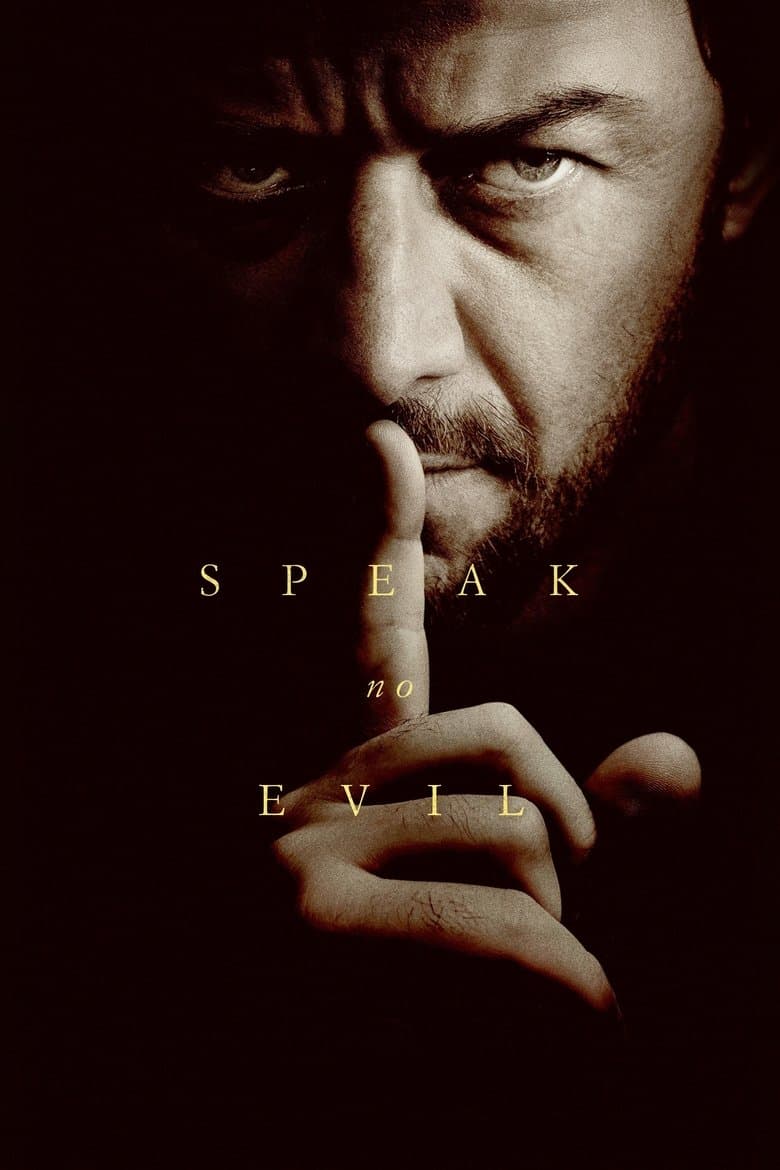
Movie · 2024
When an American family is invited to spend the weekend at the idyllic country estate of a charming British family they befriended on vacation, what begins as a dream holiday soon…
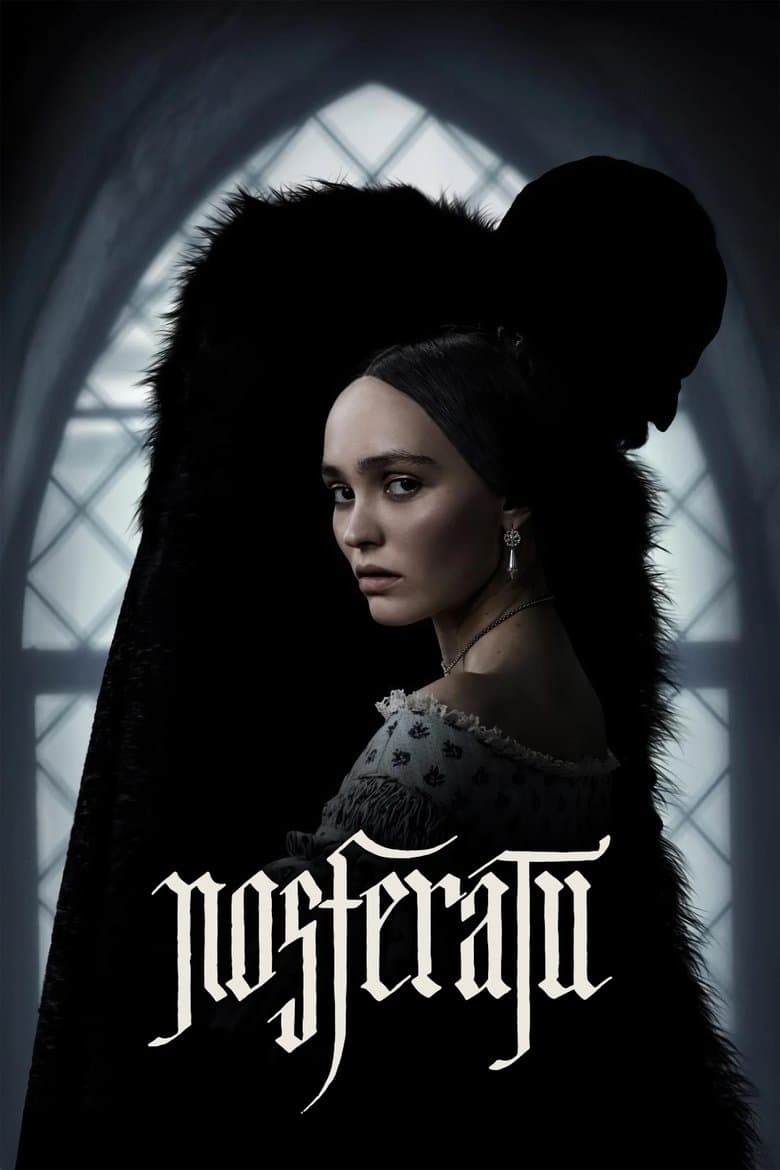
Movie · 2024
A gothic tale of obsession between a haunted young woman and the terrifying vampire infatuated with her, causing untold horror in its wake.
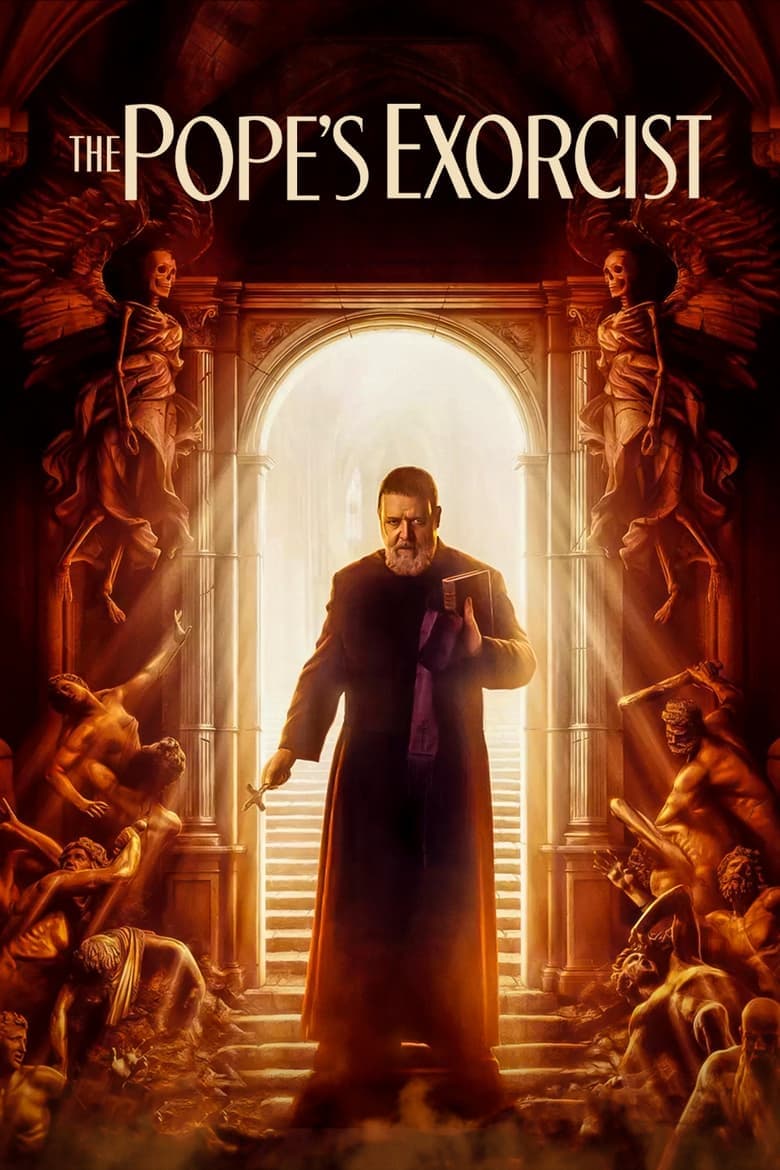
Movie · 2023
Father Gabriele Amorth, Chief Exorcist of the Vatican, investigates a young boy's terrifying possession and ends up uncovering a centuries-old conspiracy the Vatican has…
