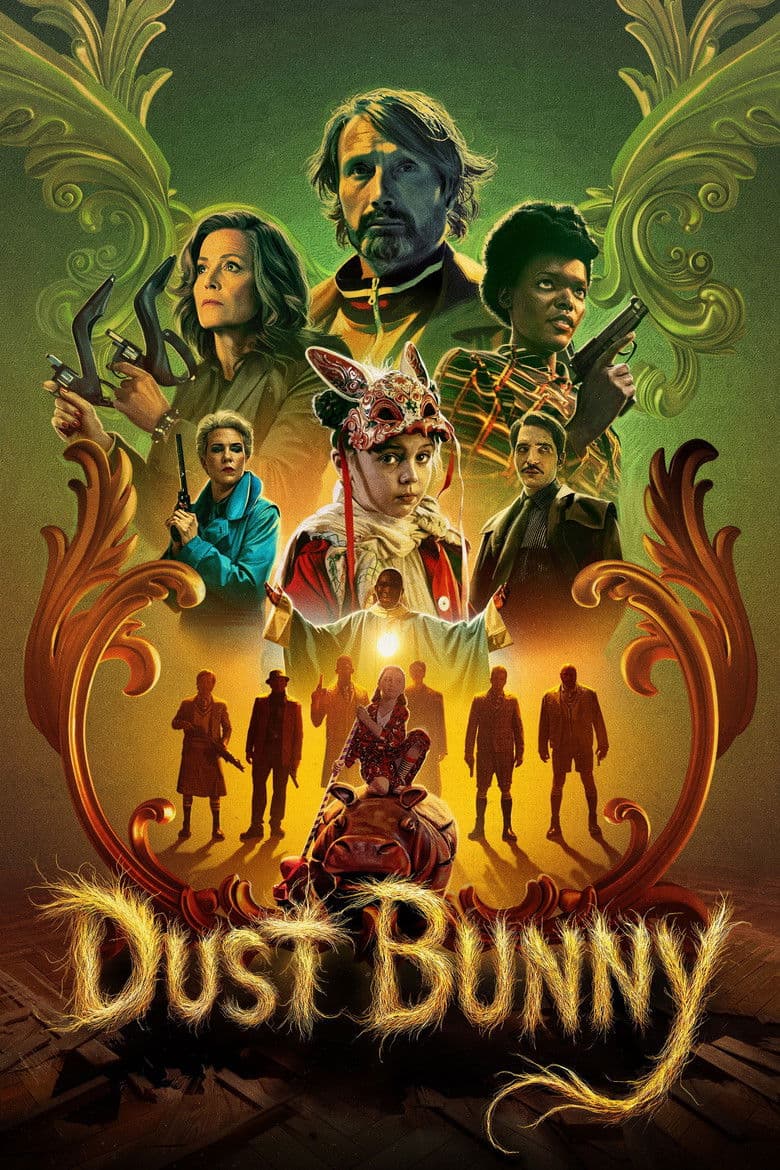
Aurora is an eight-year-old girl living in a strange, storybook city. She believes a huge monster under her bed has eaten her family, so she hires the quiet hitman who lives across the hall. The neighbor must protect her from other killers while he learns that the monster is real. The film mixes dark fairy-tale images, strange humor, colorful sets, and fast action with grief and fear.
Aurora drives the story and acts with unusual courage, but her role grows from the child-centered fairy tale. Sheila Atim plays Brenda, an FBI agent, and Sigourney Weaver plays Laverne, the hitman's boss and mother, so women hold important jobs in the story. The film focuses on a child being ignored, a violent man learning to protect someone, and two lonely people building a new family. Its main message asks adults to believe children and lets Aurora face her fear on her own terms.
Community feedback
Was our 24% Woke rating accurate?
Breakdown
These are the editorial factors and ratings behind our score for Dust Bunny.
Woke representation / casting
Not present. The cast includes a young girl as the lead, a male hitman protector, a female crime boss, and a female FBI agent in a mixed city setting. The film does not frame these choices as a diversity goal or repeat an identity message through its casting.
0%
Woke political dialogue
Not present. Characters talk about monsters, killings, fear, survival, and childhood. The story has no activist speeches or debates about identity, race, gender, or current political causes.
0%
Identity-driven story themes
Aurora is an isolated child who is ignored by adults and builds a new family with the neighbor who protects her. Bryan Fuller said that the deeper story can speak to queer children who feel rejected or misunderstood. He linked the found-family ending to his own experience as a queer person. The movie gives no character a stated LGBTQ identity, so this framing stays indirect.
20%
Western institutional / cultural critique
Not present. A social worker and FBI agents enter the plot as people who watch or chase Aurora, but they function as story obstacles. The film does not present Western institutions, men, family life, religion, or ordinary social rules as a modern political problem.
0%
Woke character or canon changes
Not relevant. Dust Bunny is an original story about Aurora and an unnamed hitman. No established character, source figure, or historical event is changed for identity or political reasons.
0%
Anti-woke backlash and complaints
One small right-leaning X account praised the film as having “Zero DEI or Woke garbage.” A niche anti-woke review account shared the trailer without calling the film woke, and replies showed only mild curiosity. No sustained complaints about DEI, race or gender swaps, girlboss writing, LGBT focus, boycotts, or review-bombing were reported.
8%
Creator track record context
Bryan Fuller wrote and directed the film, and his past work strongly supports LGBTQ visibility and queer storytelling. His interviews connect Aurora's lonely childhood, healing, and found family to his own queer viewpoint. The other listed producers and casting staff have low or limited public activist profiles, so most of this factor comes from Fuller.
62%
Production
Movie · 2018
A decade after a tragic mistake, family man Chas Chandler and occult detective John Constantine set out to cure his daughter Trish from a mysterious supernatural coma.
Movie · 2016
Brothers Mike and Jody join family friend Reggie to battle the Tall Man and his evil minions from another dimension, for the final time.
Movie · 2024
Soulmates Eric and Shelly are brutally murdered when the demons of her dark past catch up with them. Given the chance to save his true love by sacrificing himself, Eric sets out…
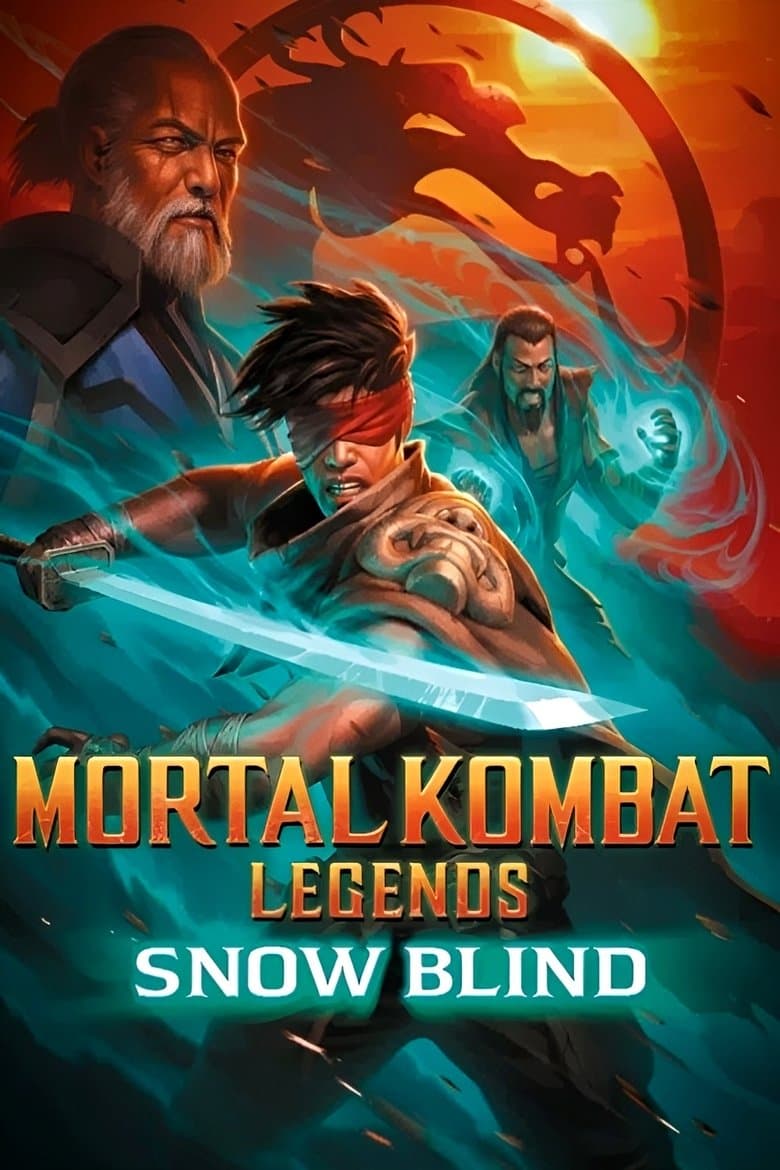
Movie · 2022
The vicious, power-mad Kano is determined to take over Earthrealm, one soul at a time. Assisted by a trio of cold Black Dragon mercenaries, he embarks on a brutal assault from…
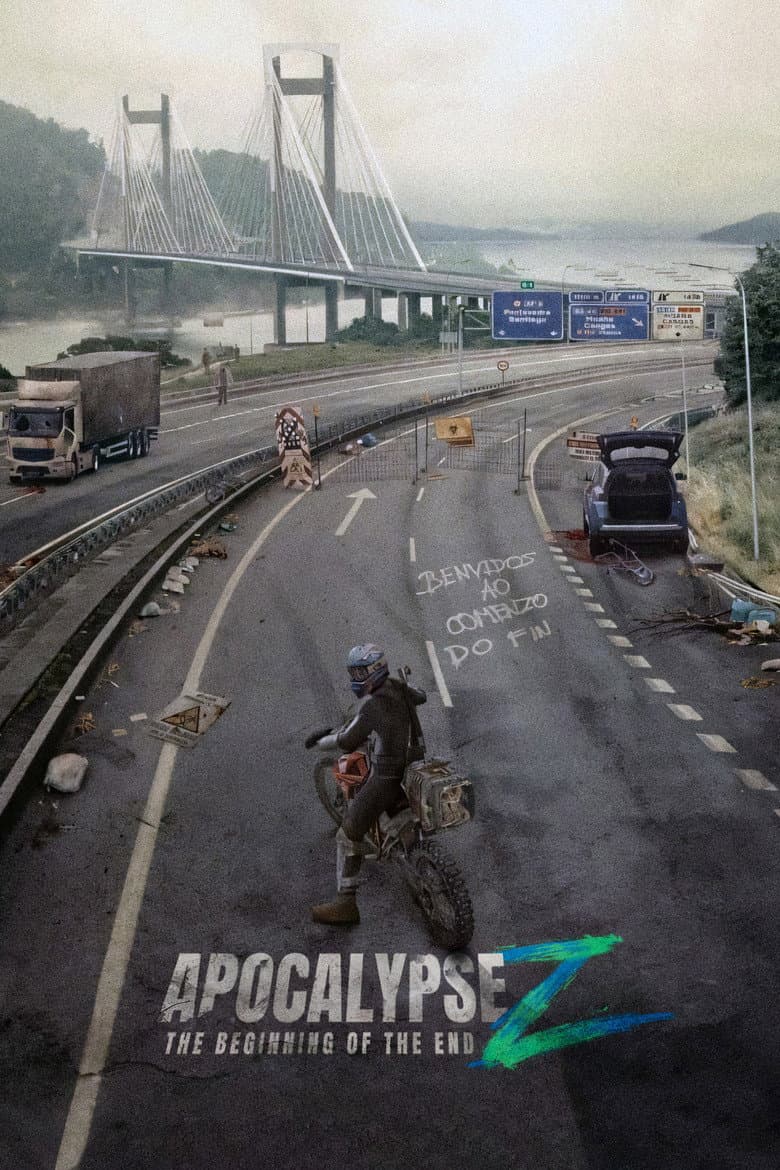
Movie · 2024
When a kind of rabies that transforms people into aggressive creatures spreads across the planet, Manel isolates himself at home with his cat, relying on his wits to survive; but…
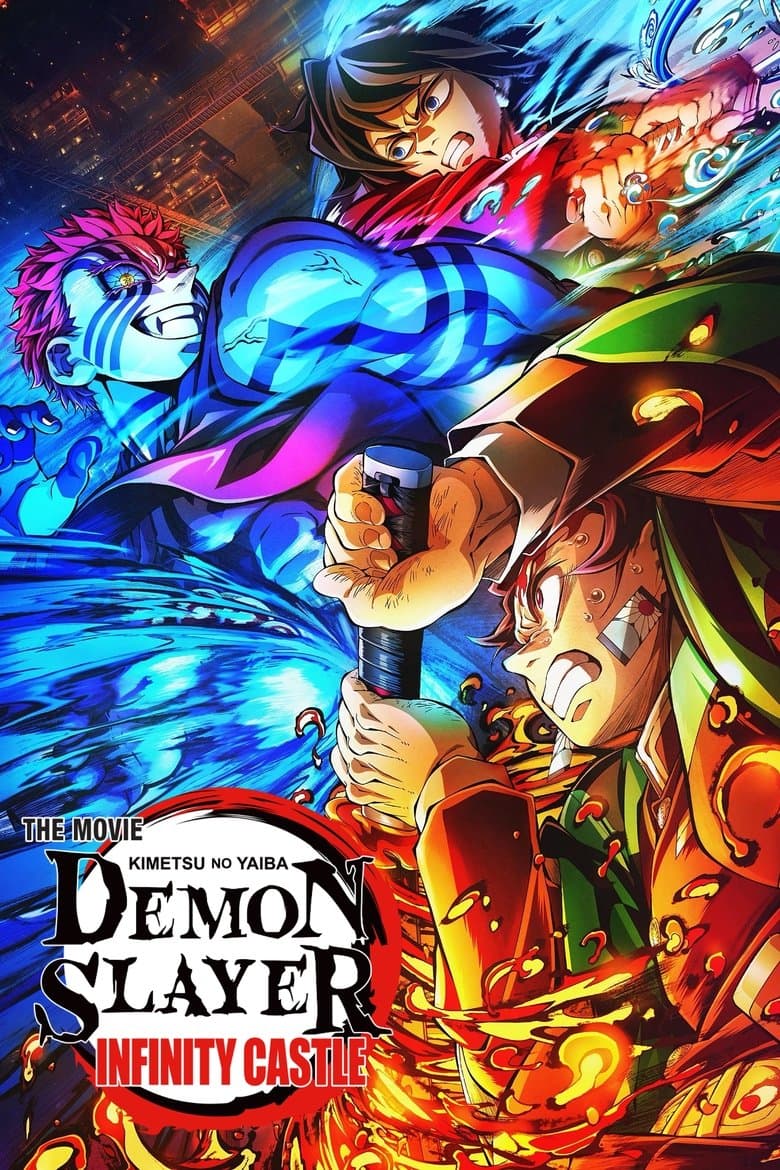
Movie · 2025
The Demon Slayer Corps are drawn into the Infinity Castle, where Tanjiro, Nezuko, and the Hashira face terrifying Upper Rank demons in a desperate fight as the final battle…

Movie · 2019
On the outskirts of a kingdom, a quiet but fierce medieval warrior protects the realm from monsters and the occult.
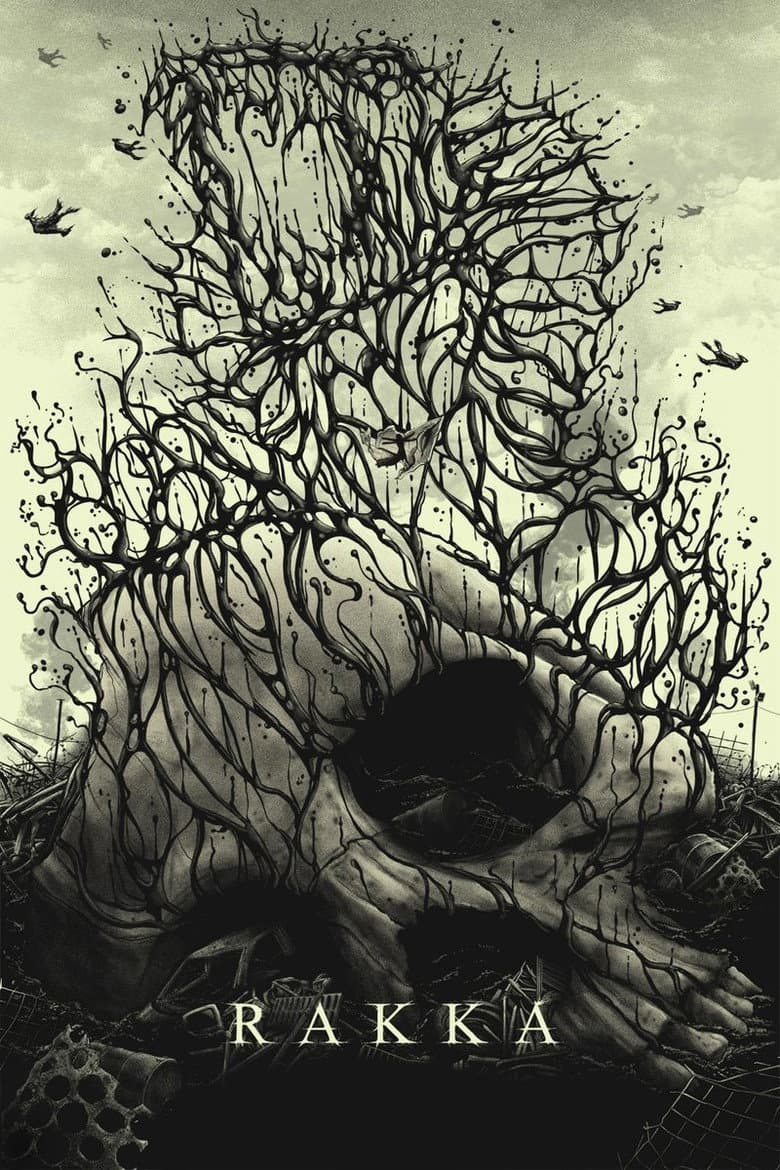
Movie · 2017
A story of broken humanity following the invasion of a technologically superior alien species. Bleak, harrowing, and unrelenting, the humans must find enough courage to go on…
