
Movie review
November 24, 2022 · 92 min · NC-17 · Horror · Fantasy · Comedy · Action · Adventure
Mad Heidi follows an adult Heidi who lives with her grandfather in the Swiss Alps. A cheese tycoon has taken over Switzerland and rules it through a harsh fascist government. After soldiers kill her lover and attack her family, Heidi is sent to a brutal women's prison. She escapes, learns to fight, and leads a bloody revenge campaign against the ruler and his cheese army. The movie mixes gross horror, wild jokes, sex, and action in a bright, silly Swiss parody.
The film gives Heidi a strong female fighter arc that drives nearly every part of the story. Women in the prison and warrior nuns also get major fighting roles, while the male ruler and soldiers are the main targets. The film pairs Heidi with a black boyfriend in a Swiss mountain village, and that romance is visible from the start. These choices make female power and casting diversity easy to see, but the movie uses them inside a loud revenge comedy instead of a serious modern politics story.
Community feedback
Was our 62% Woke rating accurate?
Breakdown
These are the editorial factors and ratings behind our score for Mad Heidi.
Woke representation / casting
The film gives Heidi a white Swiss identity and places her in a small Alpine village. The film casts black actor Kel Matsena as her lover Goat Peter. The film casts Almar G. Sato, an Asian actress, as Klara, a major prison ally, and the production said it wanted a Japanese profile for Japanese fans. The visible pattern goes beyond the old Swiss story, but it is limited to a few roles and is not sold as a large diversity campaign.
44%
Woke political dialogue
Not present. The characters use freedom, revolution, and anti-fascist language, but the film does not clearly use modern identity, DEI, or activist lines.
0%
Identity-driven story themes
Heidi changes from a sheltered mountain girl into the film's main fighter and leader. She defeats male soldiers, a super-soldier, and the male dictator's forces. Female prisoners and warrior nuns also take important action roles around her. The story makes female strength, breaking male control, and female revenge central to the whole plot.
64%
Western institutional / cultural critique
The film puts women under a male-run state and a cruel women's prison where they are abused and used as fighters. Heidi and other women break that order and defeat the men who enforce the dictatorship. The story attacks a cartoon fascist government, not Christianity, family life, or real Western institutions. The gender power message is visible, but it stays secondary to the revenge comedy.
27%
Woke character or canon changes
The film turns Johanna Spyri's child heroine into an adult who becomes a trained killing machine and the leader of a national revolt. The film makes Goat Peter a black man and Heidi's lover, which changes the familiar Swiss character picture. The film also changes Klara from a blonde girl in a wheelchair into an Asian prison friend who needs Heidi's help. These changes are central to the remake, although the movie openly presents itself as a wild parody.
46%
Anti-woke backlash and complaints
A few small X accounts called the film woke or objected to its Black version of Peter. Another small review praised the film for having no hidden woke narrative. No boycott, review-bombing, or organized anti-woke campaign was found. The complaint volume is fringe and does not show broad public backlash.
15%
Creator track record context
The directors and writers have little public record of DEI or identity activism. The producers are mainly linked to independent genre films, fan funding, and broad social or environmental subjects. Casting director Gillian Hawser has publicly supported greater industry diversity. The wider creator record gives limited support for a woke reading, with the casting background as the main exception.
14%
Production

Movie · 2026
The fan favorite champions—now joined by Johnny Cage himself—are pitted against one another in the ultimate, no-holds barred, gory battle to defeat the dark rule of Shao Kahn that…
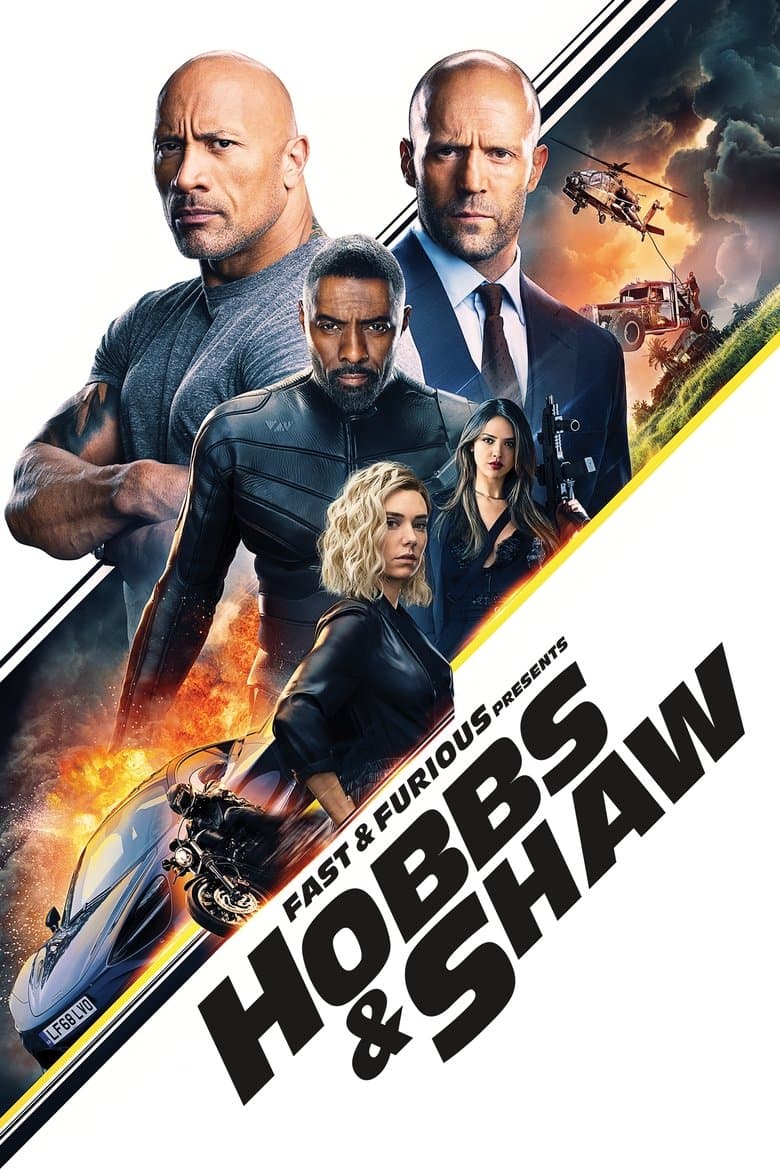
Movie · 2019
Ever since US Diplomatic Security Service Agent Hobbs and lawless outcast Shaw first faced off, they just have traded smack talk and body blows.

Movie · 2022
Prince Amleth is on the verge of becoming a man when his father is brutally murdered by his uncle, who kidnaps the boy's mother.
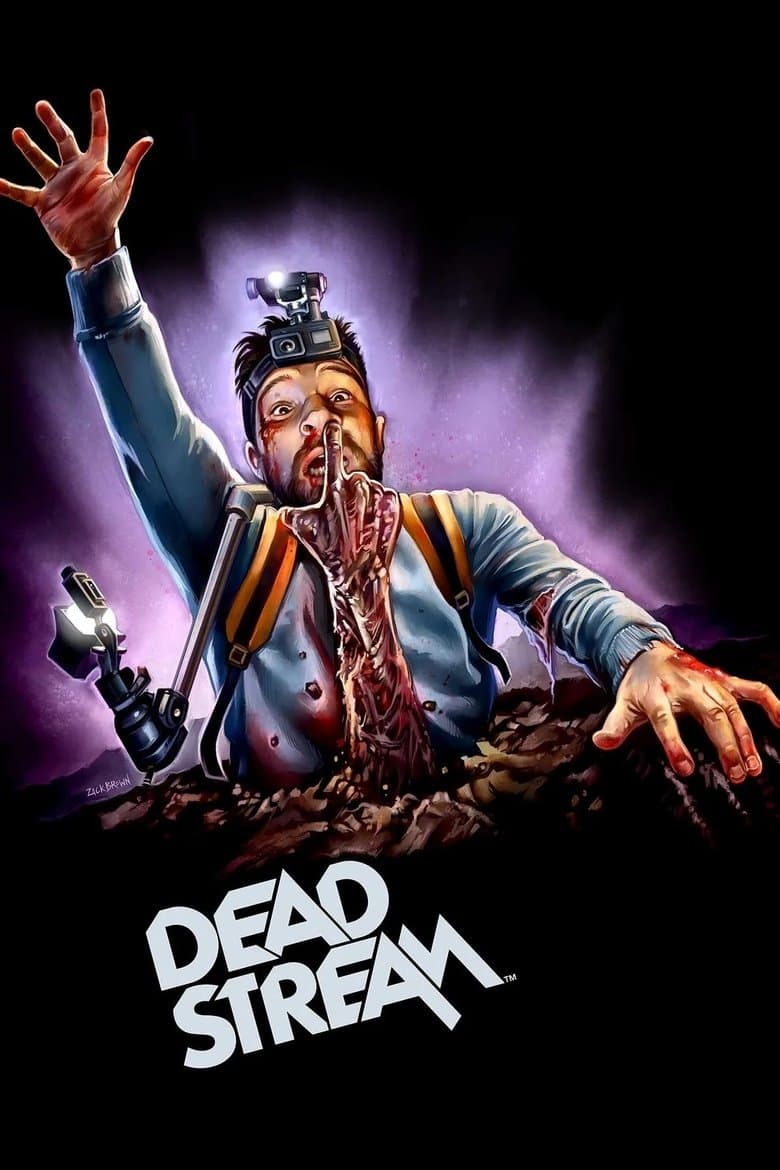
Movie · 2022
A disgraced internet personality attempts to win back his followers by livestreaming one night alone in a haunted house.

Movie · 2016
The origin story of former Special Forces operative turned mercenary Wade Wilson, who, after being subjected to a rogue experiment that leaves him with accelerated healing powers…

Movie · 2025
Ten-year-old Aurora asks her hitman neighbor to kill the monster under her bed that she claims ate her family.

Movie · 2023
When three friends who live together realize that they don't like their life trajectory, they set off to find a gold treasure that is rumored to be buried in the nearby mountain.

Movie · 2024
When 93-year-old Thelma Post gets duped by a phone scammer pretending to be her grandson, she sets out on a treacherous quest across the city to reclaim what was taken from her.
