
93-year-old Thelma lives alone in Los Angeles. A phone scammer tricks her by pretending to be her grandson and takes her money. She decides to find the scammers and get it back herself. She teams up with an old friend and they travel across the city on his scooter to handle the problem. The tone mixes light comedy and action with family moments.
The movie has very little to no woke content that viewers would notice. It tells a simple story about an elderly woman standing up for herself after a scam and the bonds she shares with her grandson and a longtime friend. The plot centers on practical problems like getting around, dealing with family worry, and confronting ordinary criminals. There are no speeches about politics or social causes, no identity-focused storylines, and no marketing that pushes representation or activism. The main drive comes from the director’s real family experience with a similar scam.
Community feedback
Was our 9% Woke rating accurate?
Breakdown
These are the editorial factors and ratings behind our score for Thelma.
Woke representation / casting
Casting centers on age-appropriate actors for an elderly lead and her family and friends. Some supporting roles include actors of different backgrounds in natural, low-key parts, but nothing signals identity priorities, quotas, or mismatches with the story world. The focus stays on age and personal relationships rather than race or gender emphasis.
5%
Woke political dialogue
Dialogue covers the scam, family worries, practical plans, and everyday conversations. There are no activist lines, lectures, or political messaging.
0%
Identity-driven story themes
The story follows one woman’s determination to fix a personal wrong and her connections with family and a friend. Themes involve aging, independence, and living fully. Nothing centers identity politics, gender, race, or social justice.
10%
Western institutional / cultural critique
Police offer little help in a realistic way for scam victims. Scammers are shown as individual greedy people. There is no activist-style attack on systems, capitalism, patriarchy, or institutions.
0%
Woke character or canon changes
Not relevant. This is an original story inspired by real family events, not an adaptation of existing characters or history.
0%
Anti-woke backlash and complaints
There are no notable anti-woke or right-leaning complaints in news or social media calling the film out for woke, DEI, or identity-driven content. Public discussion stayed positive or neutral on the story and performances.
0%
Creator track record context
Cached summaries give the listed assistant directors 0/100 scores. Producer Nicholas Weinstock has a higher score tied to representation work, but the film’s core creative voice comes from a personal, family-based story with no activist framing from the director.
15%
Production
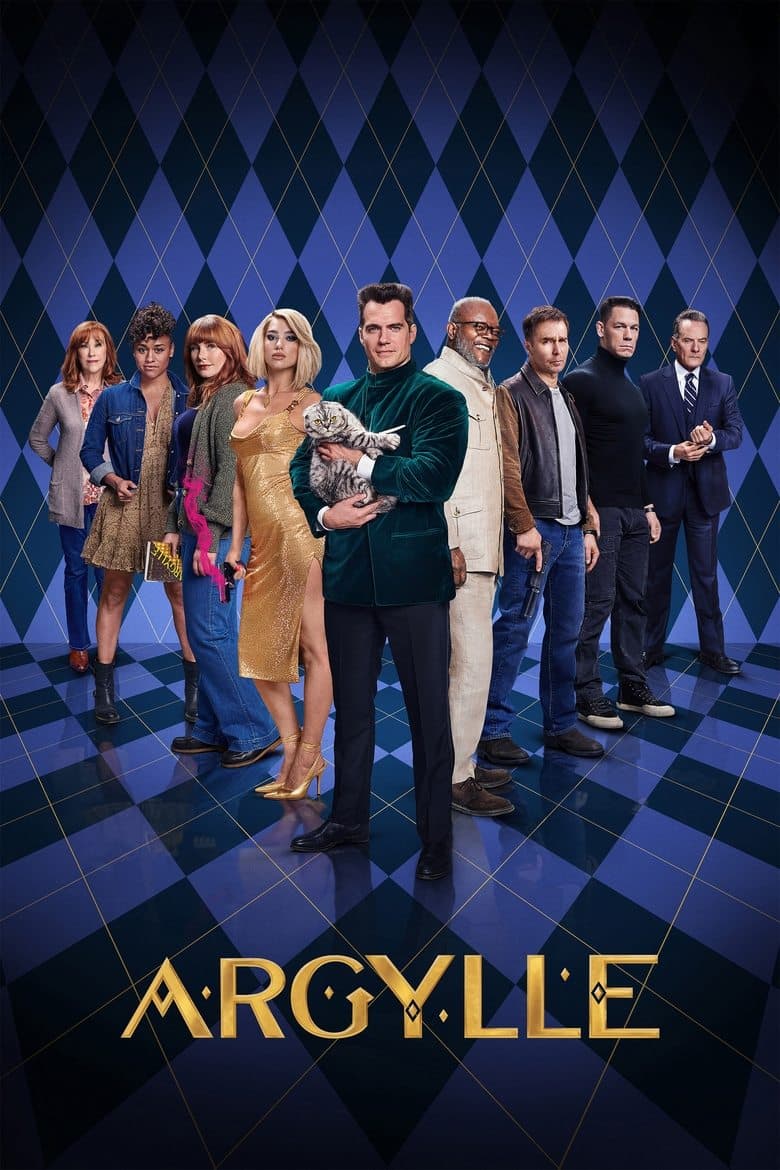
Movie · 2024
When the plots of reclusive author Elly Conway's fictional espionage novels begin to mirror the covert actions of a real-life spy organization, quiet evenings at home become a…
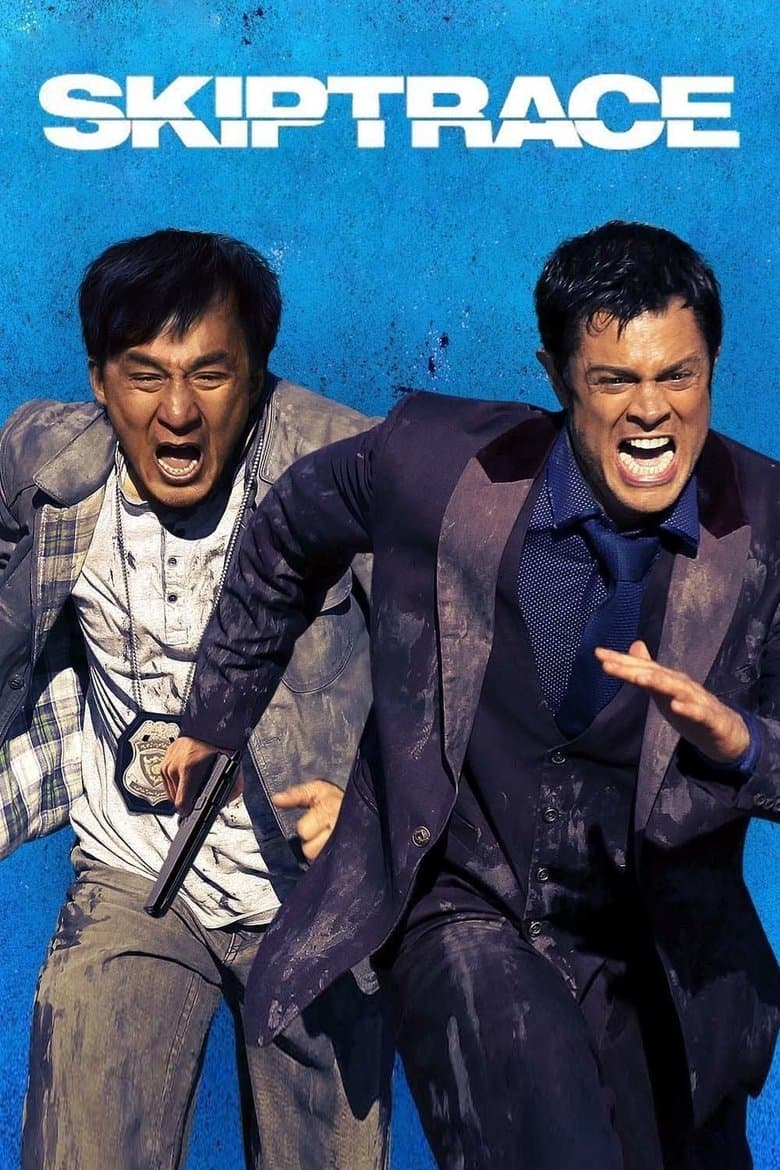
Movie · 2016
A detective from Hong Kong teams up with an American gambler to battle against a notorious Chinese criminal.

Movie · 2026
Two marketing executives go "balls out" and pitch a bold full‑coverage condom sponsorship with the World Cup.
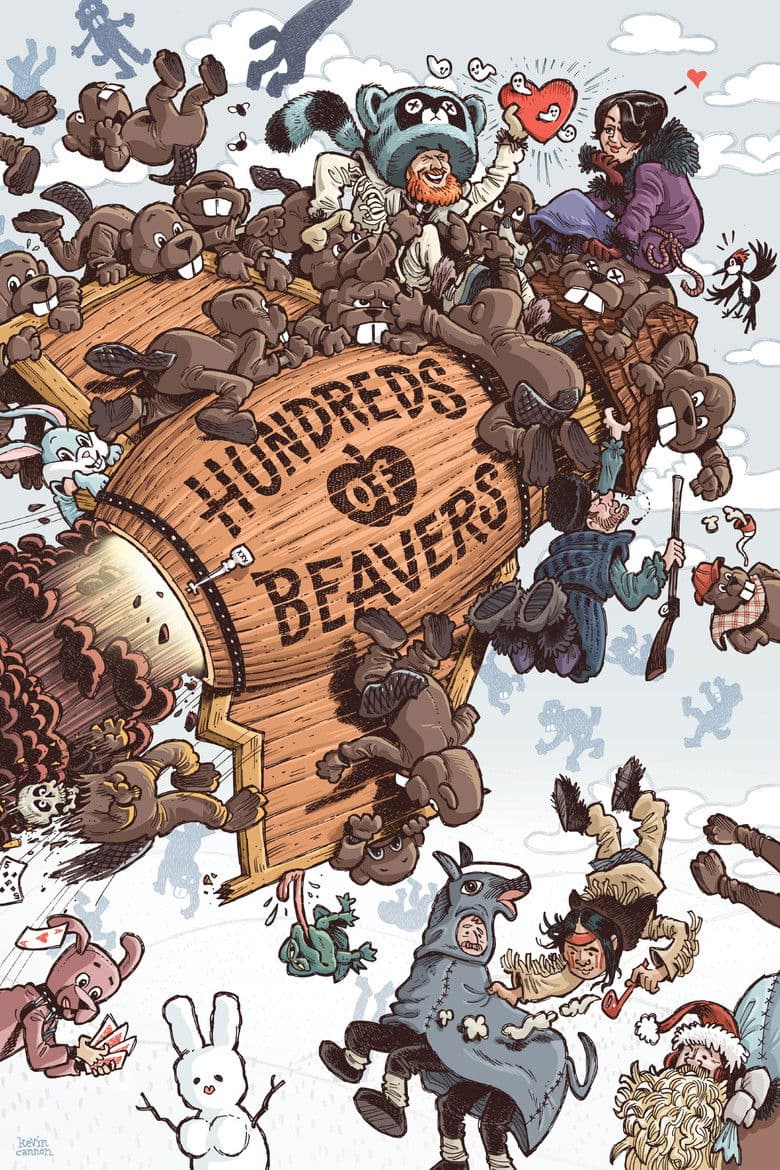
Movie · 2024
In the 19th century, a drunken applejack salesman must go from zero to hero and become North America's greatest fur trapper by defeating hundreds of beavers.

Movie · 2017
Four teenagers in detention discover an old video game console with a game they’ve never heard of. When they decide to play, they are immediately sucked into the jungle world of…

Movie · 2016
The life of a bank manager is turned upside down when a friend from his past manipulates him into faking his own death and taking off on an adventure.

Movie · 2023
When three friends who live together realize that they don't like their life trajectory, they set off to find a gold treasure that is rumored to be buried in the nearby mountain.

Movie · 2016
The origin story of former Special Forces operative turned mercenary Wade Wilson, who, after being subjected to a rogue experiment that leaves him with accelerated healing powers…
