
Deadpool is a dark action-comedy movie set in a gritty modern city. The story follows Wade Wilson, a former special forces soldier who works as a mercenary. Wade falls in love with Vanessa, but their happy life is cut short when he gets terminal cancer. Desperate for a cure, Wade agrees to a shady experimental treatment run by a cruel villain named Francis. The brutal experiment cures his cancer and gives him healing powers, but it also leaves his entire body horribly scarred. Wade adopts the masked identity of Deadpool to hide his face and goes on a wild quest to track down Francis. He teams up with mutants Colossus and Negasonic Teenage Warhead to rescue Vanessa after she is kidnapped. The movie focuses on Wade's loyalty to his friends, his love for Vanessa, and his desire for personal justice. The humor relies on Wade speaking directly to the audience and mocking superhero movie tropes.
Community feedback
Was our 14% Woke rating accurate?
Breakdown
These are the editorial factors and ratings behind our score for Deadpool.
Woke representation / casting
Casting fits the gritty modern setting and matches the comic book characters. While some characters like Blind Al were race-swapped, the choices feel natural to the world of mercenaries and mutants. No roles are used for obvious activist signaling or forced identity agendas.
15%
Woke political dialogue
The script focuses heavily on crude humor, pop culture jokes, and fourth-wall breaks. There are no political speeches, activist dialogue, or social justice lectures. The few references to social holidays or gender are used strictly for adult punchlines.
0%
Identity-driven story themes
The entire narrative is driven by Wade's personal desire to cure his face, seek revenge on his torturer, and reunite with his girlfriend. The themes are strictly individual and do not focus on group identity, systemic struggles, or political movements.
0%
Western institutional / cultural critique
The film features a rogue villain laboratory that abuses mutants, which is a standard comic book trope. The movie mocks standard superhero conventions but does not critique Western culture, traditional families, or social systems. Wade's primary goal is a traditional romantic relationship.
0%
Woke character or canon changes
The creators modified Negasonic Teenage Warhead's powers and modern look from the comics, and cast a black actress as Blind Al. While Wade's pansexuality is a known comic trait, it is kept off-screen as crude humor, keeping his main romance strictly heterosexual.
12%
Anti-woke backlash and complaints
There was almost no anti-woke backlash. Audiences widely praised the film for being politically incorrect and crude, viewing it as a fun alternative to sanitized family movies. Only a tiny minority of viewers disliked the raunchy sexual jokes.
0%
Creator track record context
The creative team consists of professionals who prioritize high-energy action and comedy. While a couple of writers and producers have moderate progressive histories, their collective work on this film avoids any activist signaling.
18%
Production

Movie · 2026
Two marketing executives go "balls out" and pitch a bold full‑coverage condom sponsorship with the World Cup.

Movie · 2024
When the plots of reclusive author Elly Conway's fictional espionage novels begin to mirror the covert actions of a real-life spy organization, quiet evenings at home become a…
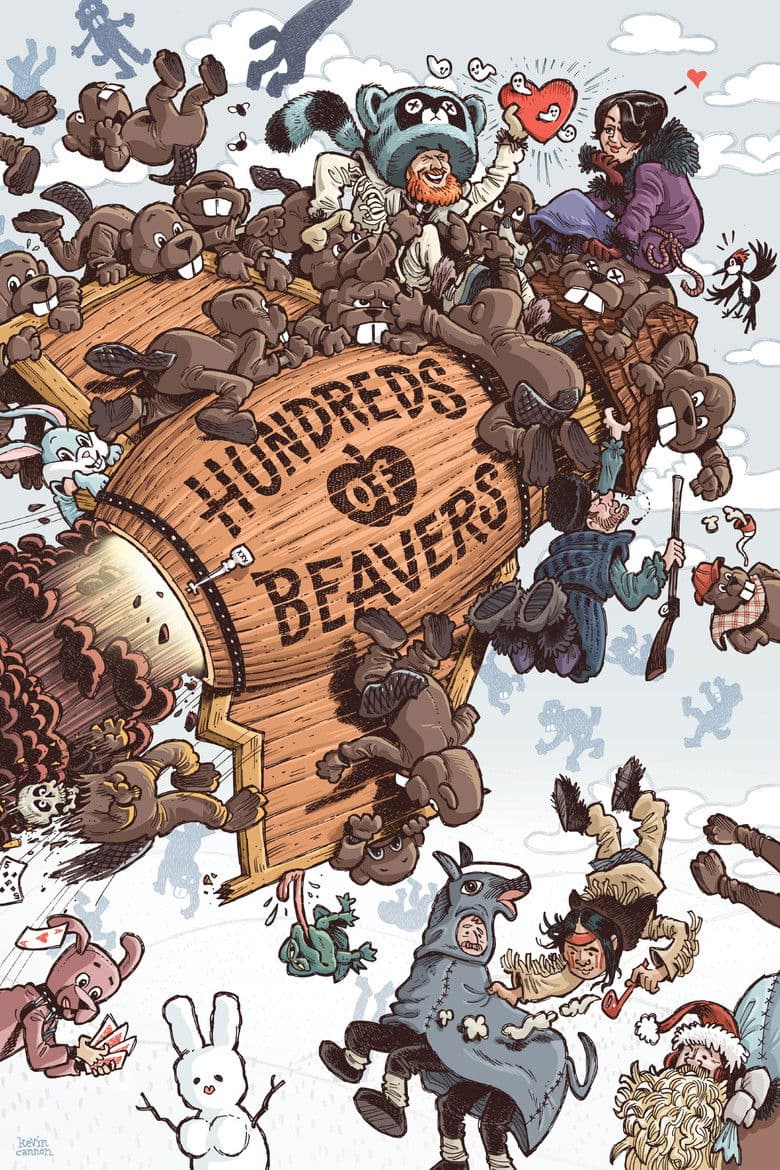
Movie · 2024
In the 19th century, a drunken applejack salesman must go from zero to hero and become North America's greatest fur trapper by defeating hundreds of beavers.

Movie · 2016
The life of a bank manager is turned upside down when a friend from his past manipulates him into faking his own death and taking off on an adventure.
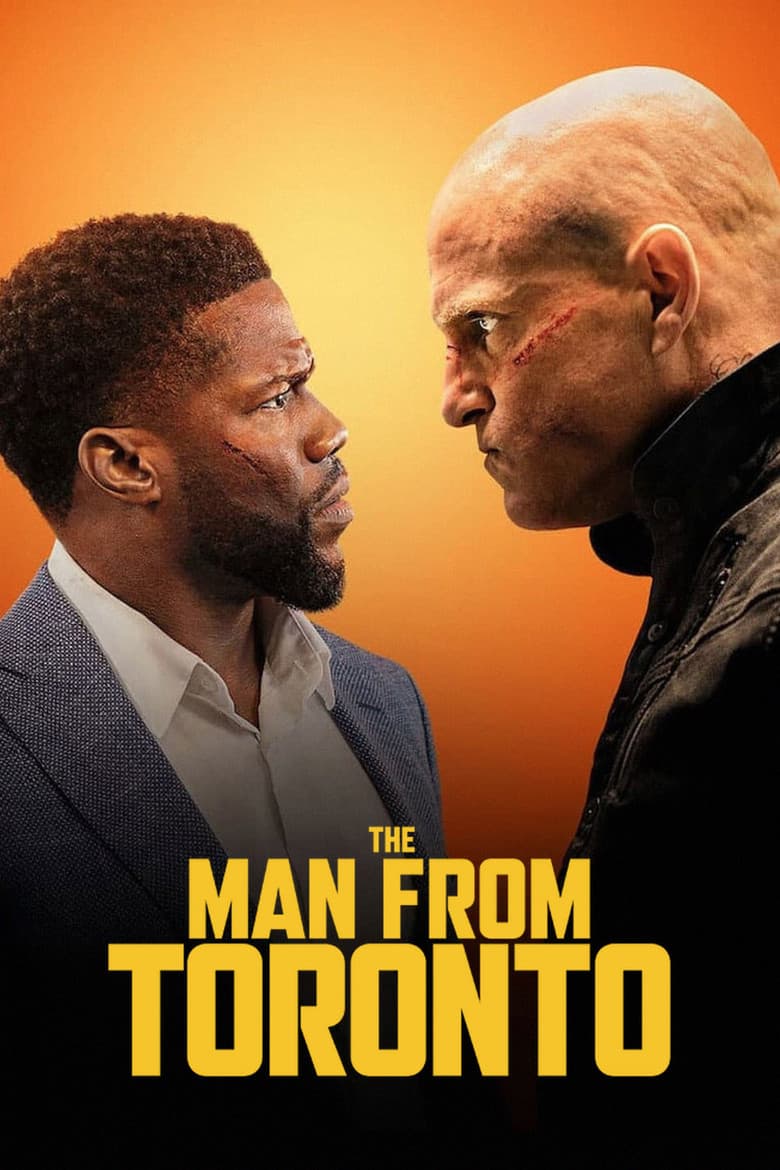
Movie · 2022
A case of mistaken identity forces a bumbling entrepreneur to team up with a notorious assassin known as The Man from Toronto in hopes of staying alive.

Movie · 2024
When 93-year-old Thelma Post gets duped by a phone scammer pretending to be her grandson, she sets out on a treacherous quest across the city to reclaim what was taken from her.
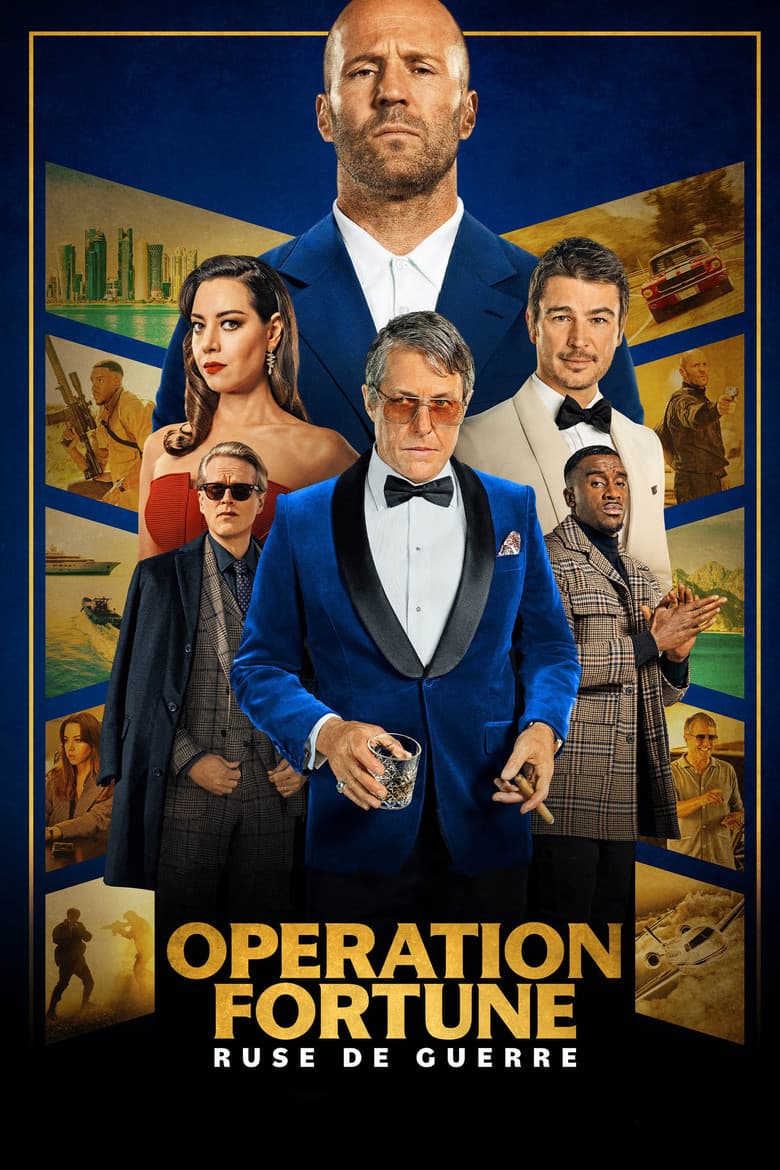
Movie · 2023
Special agent Orson Fortune and his team of operatives recruit one of Hollywood's biggest movie stars to help them on an undercover mission when the sale of a deadly new weapons…

Movie · 2023
When three friends who live together realize that they don't like their life trajectory, they set off to find a gold treasure that is rumored to be buried in the nearby mountain.
