Movie review
March 27, 2016 · 81 min · PG · French · Kids · Fantasy · Animation · Family · Drama
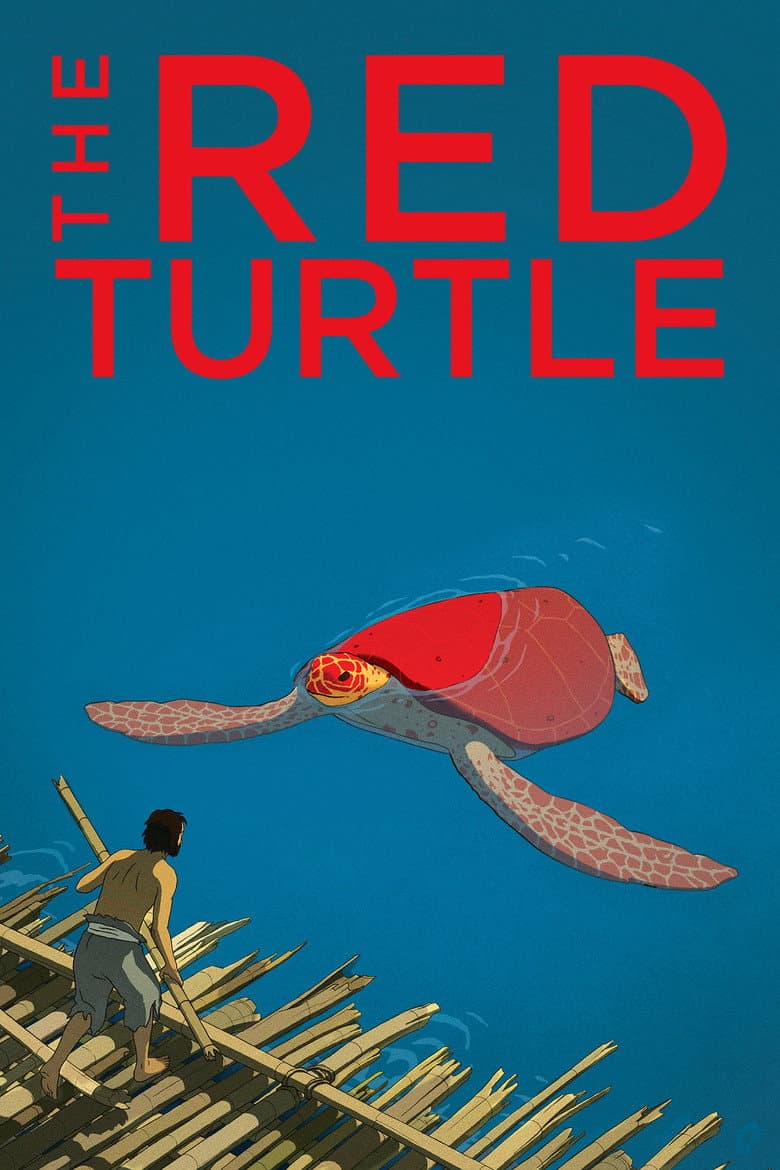
The Red Turtle follows an unnamed man after a storm throws him onto a lonely tropical island. He finds fresh water, fruit, bamboo, and small animals, but he cannot accept that he may never leave. A huge red turtle breaks every raft he builds, and his anger slowly changes into regret and wonder. The quiet, hand-drawn film moves from survival and fear to love, family, old age, and death.
The film has no spoken dialogue, so faces, movement, music, and the island carry the story. Its main change is personal, as the man stops trying to control the island and learns to live with nature. The turtle becomes a woman, and the pair raise a son who later leaves to follow his own path. The story treats birth and death as parts of a natural circle that includes love and grief.
Community feedback
Was our 5% Woke rating accurate?
Breakdown
These are the editorial factors and ratings behind our score for The Red Turtle.
Woke representation / casting
Not present. The human cast shows an unnamed man, an unnamed woman, and their son. The film gives them no modern race, nationality, or diversity identity focus.
0%
Woke political dialogue
Not present. The film has no spoken dialogue, so no character delivers identity, DEI, or activist lines.
0%
Identity-driven story themes
Not present. The story focuses on survival, love, family, nature, and the passage of life. It does not make gender, sexuality, race, or group power a modern political subject.
0%
Western institutional / cultural critique
Not present. The island has no modern institutions, churches, political groups, or social system to attack. The man’s struggle with nature is a personal survival conflict, not a critique of Western culture or traditional family life.
0%
Woke character or canon changes
Not relevant. The Red Turtle is an original fable rather than a remake or a story about known characters. The turtle and the family are created for this film.
0%
Anti-woke backlash and complaints
Not present. Public coverage showed no sustained complaint that the film pushes woke or DEI ideas. The separate X research pass also found no anti-woke complaints.
0%
Creator track record context
Michael Dudok de Wit has a low public record on current identity politics, with a stronger interest in nature, spirituality, and human life. Toshio Suzuki and the other producers also have little public record of DEI or partisan activism. Isao Takahata has a stronger history of anti-war, feminist, and social themes. This gives the creator track record context a mild lift, but it does not make this film an activist work.
27%
Production
Movie · 2025
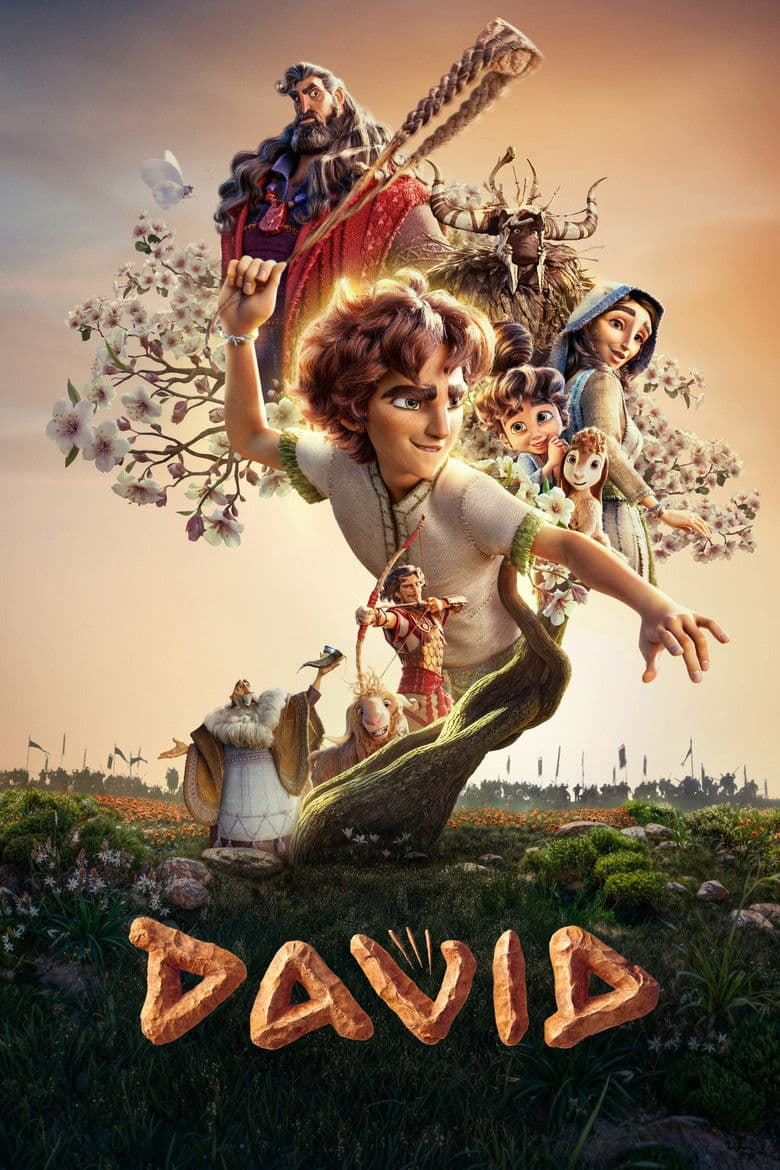
From the songs of his mother’s heart to the whispers of a faithful God, David’s story begins in quiet devotion.
Movie · 2019
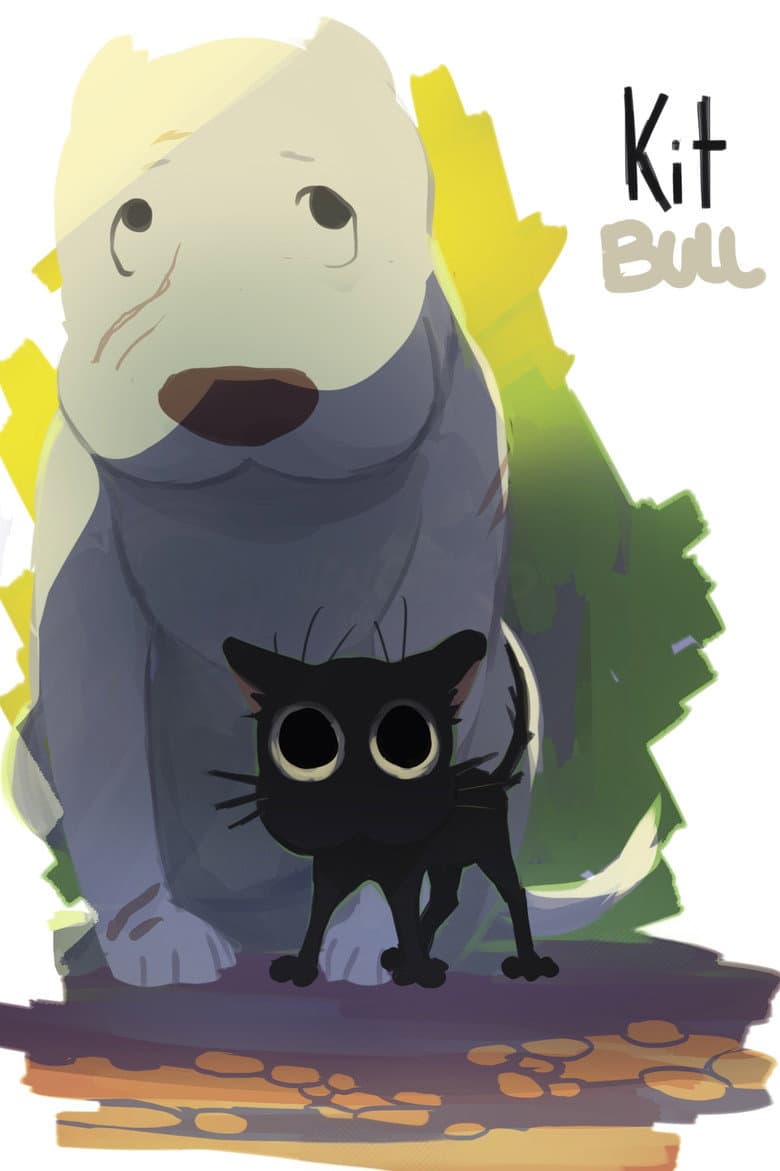
An unlikely connection sparks between two creatures: a fiercely independent stray kitten and a pit bull. Together, they experience friendship for the first time.
Movie · 2025
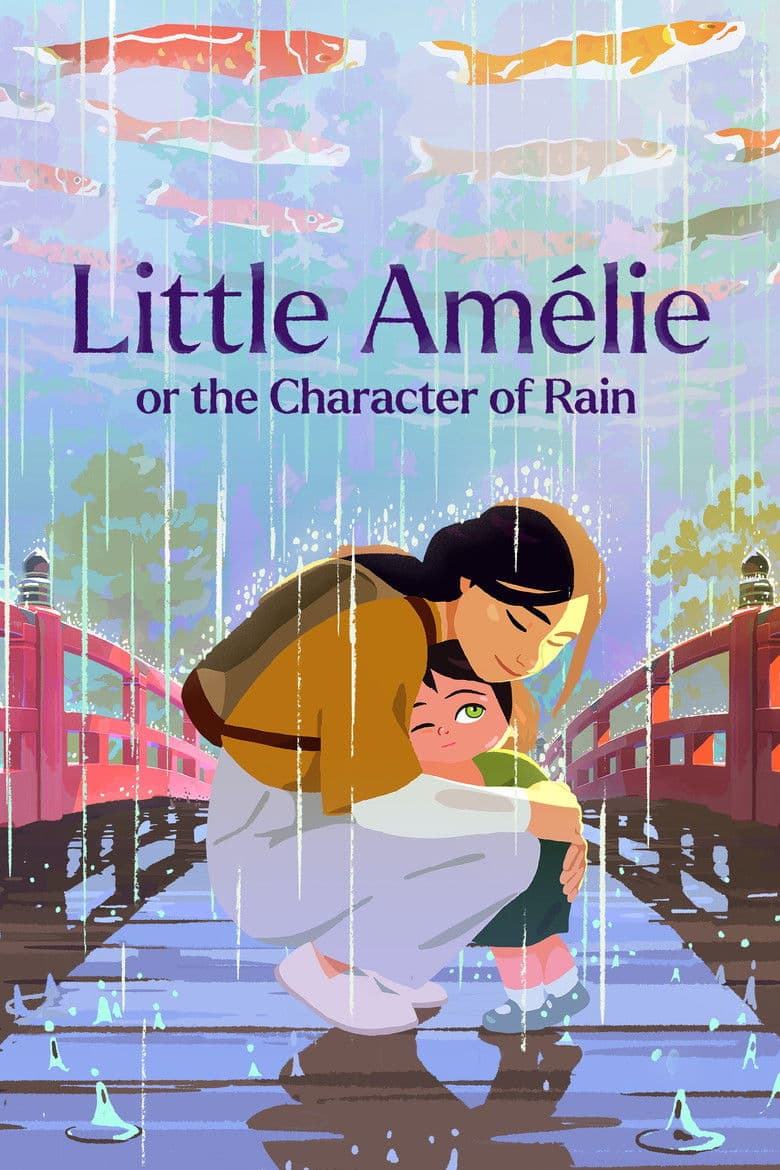
The world is a perplexing, peaceful mystery to Amélie until a miraculous encounter with chocolate ignites her wild sense of curiosity.
Movie · 2018
The Grinch hatches a scheme to ruin Christmas when the residents of Whoville plan their annual holiday celebration.
Movie · 2018
Dracula, Mavis, Johnny and the rest of the Drac Pack take a vacation on a luxury Monster Cruise Ship, where Dracula falls in love with the ship’s captain, Ericka, who’s secretly a…
Movie · 2015
When 11-year-old Riley moves to a new city, her Emotions team up to help her through the transition. Joy, Fear, Anger, Disgust and Sadness work together, but when Joy and Sadness…
Movie · 2019
Simba idolizes his father, King Mufasa, and takes to heart his own royal destiny. But not everyone in the kingdom celebrates the new cub's arrival.
Movie · 2016
A koala named Buster recruits his best friend to help him drum up business for his theater by hosting a singing competition.
