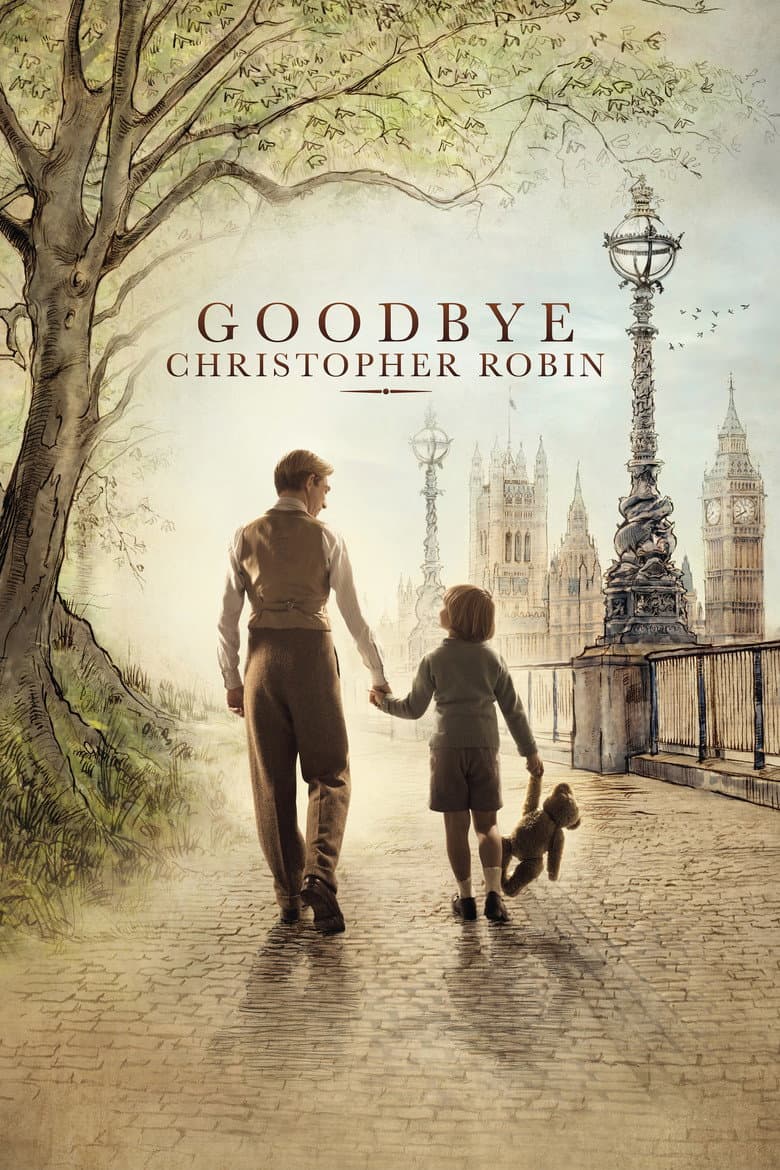
Goodbye Christopher Robin follows English writer A.A. Milne after the First World War. Milne suffers from war trauma and leaves London with his wife Daphne and young son Christopher Robin, whom the family calls Billy Moon. In the Sussex countryside, father and son play with stuffed animals while Milne tries to write again. Their games become the Winnie the Pooh stories, and the film shifts from gentle play in the woods to a sad family drama.
The books bring comfort to a country hurt by war, but their success turns Billy into a public showpiece. His parents and publishers let newspapers, fans, and businesses treat him as the real Christopher Robin. Billy loses privacy, faces bullying at school, and grows angry at the fame built from his childhood. The story follows the damage caused by distant parents, public attention, and war before it moves toward a painful but hopeful meeting between father and son.
Community feedback
Was our 3% Woke rating accurate?
Breakdown
These are the editorial factors and ratings behind our score for Goodbye Christopher Robin.
Woke representation / casting
Not present. The main cast fits the English period setting, and the film does not frame casting as a diversity message. The women in the story are important family figures, but the film does not build a repeated female-dominance pattern.
0%
Woke political dialogue
Not present. The film has anti-war speeches and references to the First World War. Those lines fit Milne’s pacifist views and the period, rather than pushing modern identity, DEI, or activist ideas.
0%
Identity-driven story themes
Not present. The story centers on war trauma, family neglect, childhood fame, and father-son repair. It does not build its main conflict around modern identity or representation issues.
0%
Western institutional / cultural critique
Not present. The film criticizes child publicity, fame, and emotionally distant upper-class parenting. It does not attack Western culture, religion, men, or traditional family life through a modern activist message.
0%
Woke character or canon changes
Not relevant. The movie condenses and dramatizes the Milne family story for a biopic. Those changes serve the family drama, and the established Pooh characters are not given identity-driven rewrites.
0%
Anti-woke backlash and complaints
Not present. No meaningful anti-woke or right-leaning complaint about this film appears in the reviewed coverage. The X research pass found no title-specific posts or complaints.
0%
Creator track record context
Frank Cottrell Boyce has a mild record of work about children, poverty, reading access, migration, and belonging. Damian Jones produced Belle, which deals with race and abolition. These links give some progressive context, but the stored records show no strong identity-activist profile among the key creators. The title-related interviews focus on family, war trauma, and childhood fame.
14%
Production
Movie · 2024
The Herdman kids are undeniably the worst kids in the history of the world. They lie, steal, cheat, bully and overall terrorize their small community.
Movie · 2016
When Christy discovers her 10-year-old daughter Anna has a rare, incurable disease, she becomes a ferocious advocate for her daughter’s healing as she searches for a solution.
Movie · 2025
From the songs of his mother’s heart to the whispers of a faithful God, David’s story begins in quiet devotion.
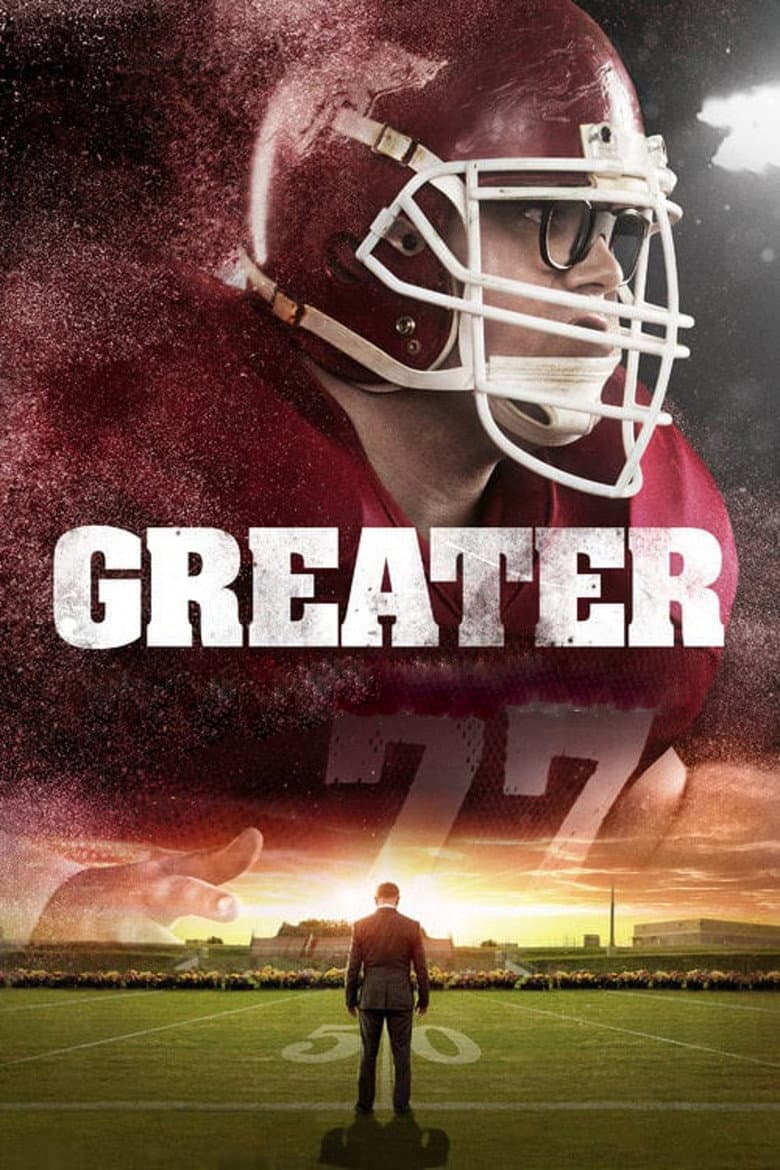
Movie · 2016
The incredible true story of the greatest walk-on in the history of college football.

Movie · 2017
The film follows a man with an unwanted gift for healing who meets a teenager with cancer who helps him to find himself.
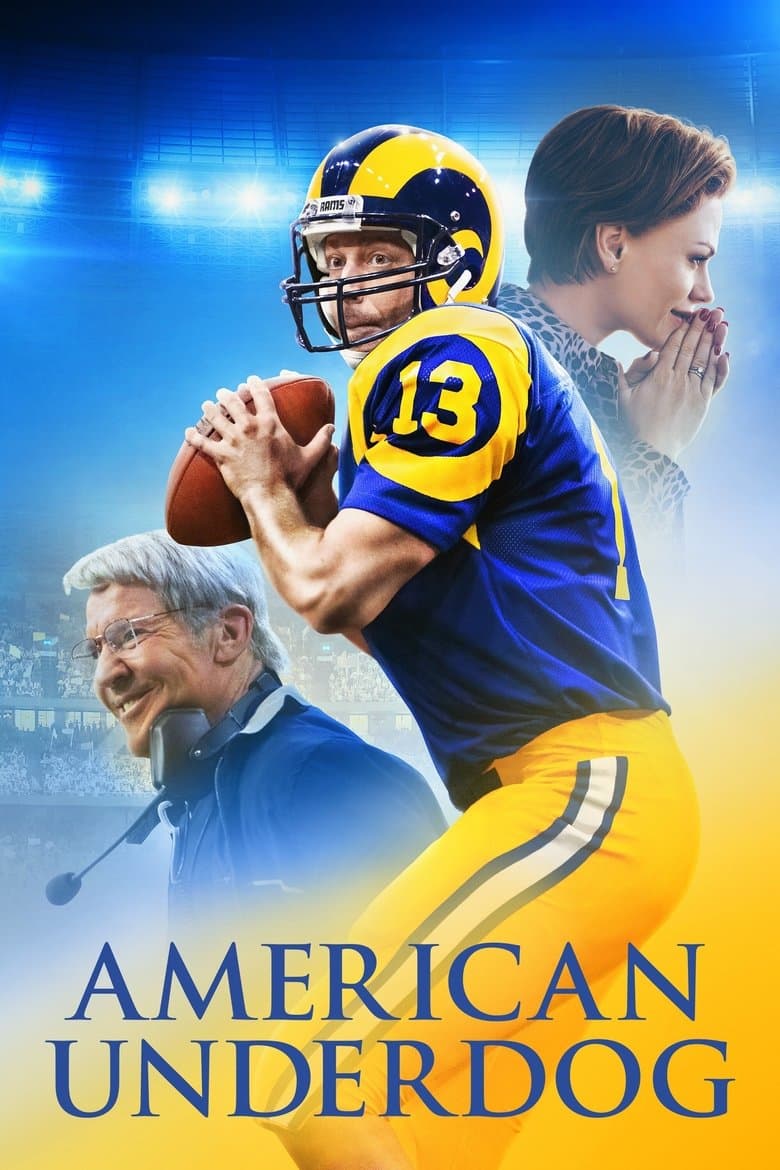
Movie · 2021
The true story of Kurt Warner, who went from a stockboy at a grocery store to a two-time NFL MVP, Super Bowl champion, and Hall of Fame quarterback.
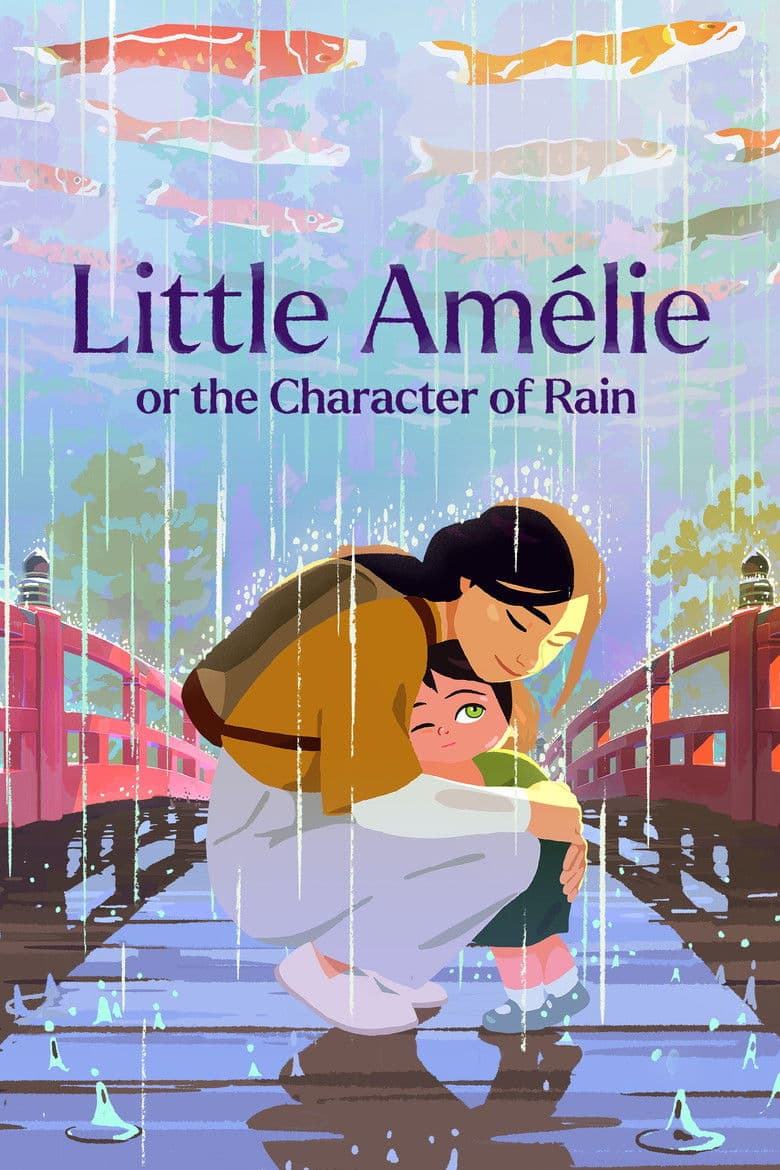
Movie · 2025
The world is a perplexing, peaceful mystery to Amélie until a miraculous encounter with chocolate ignites her wild sense of curiosity.
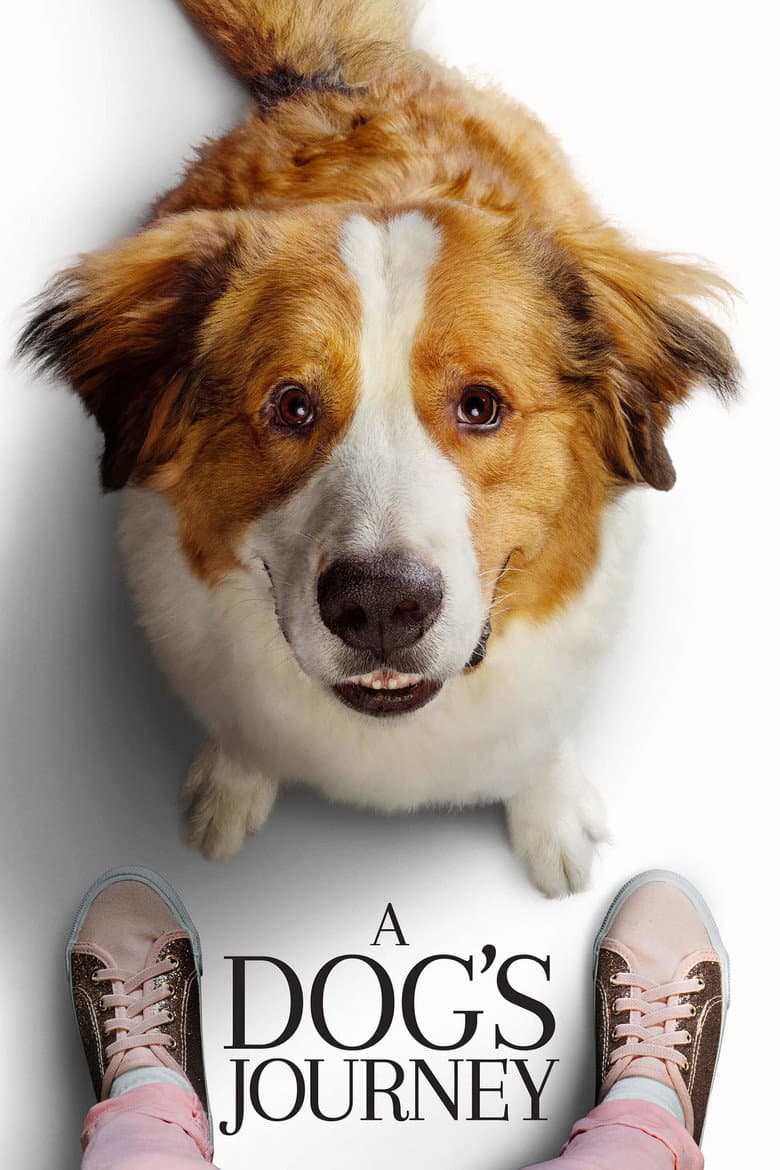
Movie · 2019
A dog finds the meaning of his own existence through the lives of the humans he meets.
