
Landline follows Ali Jacobs, a sharp but angry teenager living with her older sister and parents in Manhattan in 1995. Ali finds love letters that make her think her father, Alan, is cheating on her mother, Pat, so she and Dana begin watching his movements. Dana is also hiding an affair with her old college friend while she questions her future with her fiancé, Ben. The sisters move through parties, drugs, sex, lies, and family fights in a funny but uneasy story about honesty, growing up, and people who do not know how to talk to each other. The film puts three women at the center and gives each one a full sexual and emotional life. Ali, Dana, and Pat make serious mistakes, but the story treats them as flawed people instead of reducing them to bad women. The movie also includes a brief Hillary Clinton women’s-rights speech on television and a short complaint about Rudy Giuliani’s police spending. These ideas support a mild feminist and left-leaning tone, but the main story stays focused on cheating, marriage, sisterhood, and the pressure to change.
Community feedback
Was our 46% Woke rating accurate?
Breakdown
These are the editorial factors and ratings behind our score for Landline.
Woke representation / casting
Not present. The film’s cast fits its 1995 Manhattan family story and does not single out identity as a message.
0%
Woke political dialogue
The film briefly shows Hillary Clinton on television speaking about the contributions women make. The film also has a short exchange that calls Rudy Giuliani a jackass and criticizes his police spending. The speaker calls for a different kind of enforcement. These moments are clear left-leaning signals, but they do not control the family story.
32%
Identity-driven story themes
Three women carry the main story, and the film gives their sex lives, anger, work, and choices most of the attention. Dana cheats on Ben, but the story treats her as a flawed person who can learn instead of making her a bad woman. Ali and Pat also have their own desires and hard choices instead of existing only to support men. The women question marriage, routine, and old ideas about how they should behave. The movie makes room for female sexual choice and self-definition, even though the main plot remains a family story about cheating.
52%
Western institutional / cultural critique
Pat’s workplace scene includes a complaint that Rudy Giuliani is putting money into the police department while others fight for a different kind of enforcement. The line gives the movie a brief institutional-critique signal. The family plot does not attack religion, capitalism, or traditional family life as a whole.
18%
Woke character or canon changes
Not relevant. The film is an original story with no established characters or source material to change.
0%
Anti-woke backlash and complaints
Not present. The separate X pass found no anti-woke complaints, and broader audience posts mostly discussed the film’s pace, humor, and infidelity. No sustained boycott, review-bombing, or news cycle about woke or DEI content was found.
0%
Creator track record context
Robespierre and Holm previously made Obvious Child, which treated a woman’s abortion choice and sexual agency positively. Robespierre said Landline was built around women at different ages and that she did not want female characters punished for mistakes. Slate said Dana’s cheating was wrong but understandable and linked her art to activism. This team gives the film a noticeable feminist background, while Tom Bean and most producers have little public activist history.
45%
Production
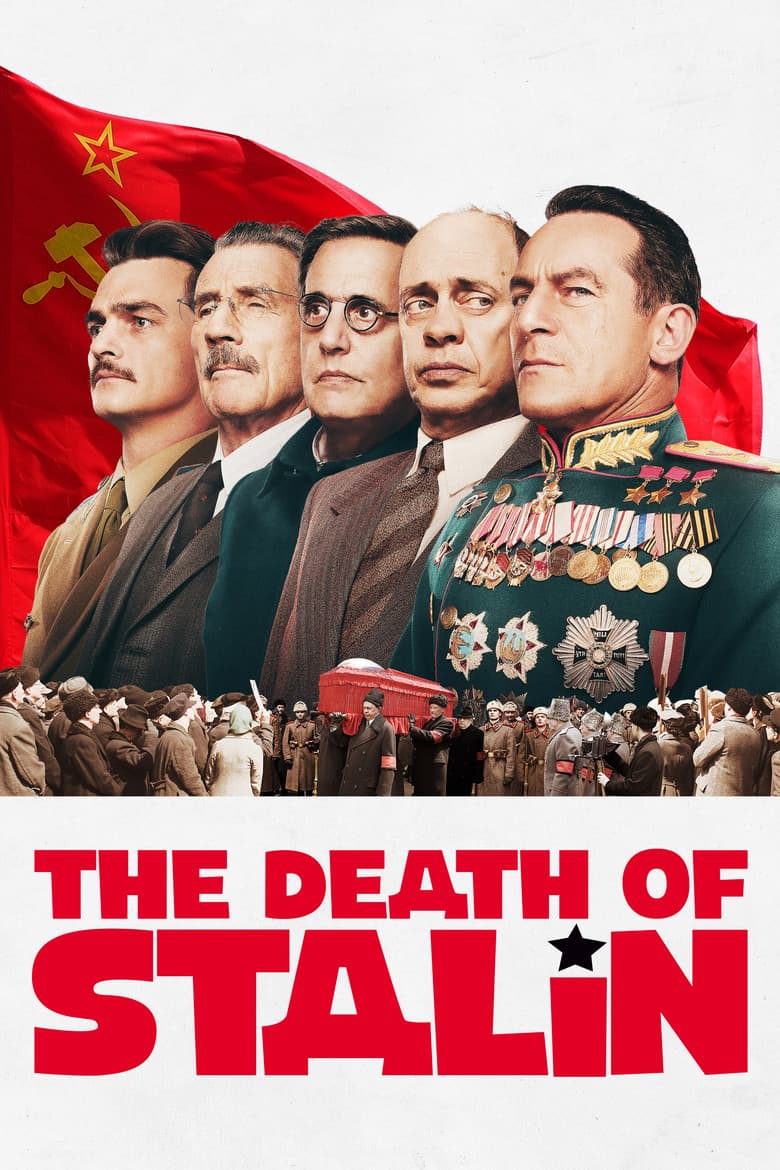
Movie · 2017
When dictator Joseph Stalin dies, his parasitic cronies square off in a frantic power struggle to become the next Soviet leader.

Movie · 2017
Ingrid becomes obsessed with a social network star named Taylor Sloane who seemingly has a perfect life. But when Ingrid decides to drop everything and move west to be Taylor's…

Movie · 2017
An aspiring actor in Hollywood meets an enigmatic stranger by the name of Tommy Wiseau, the meeting leads the actor down a path nobody could have predicted; creating the worst…

Movie · 2025
1984; Michael Larson, an unemployed ice-cream truck driver from Ohio, steps onto the game show "Press Your Luck" harboring a secret: the key to endless amounts of money.

Movie · 2023
Allison's life falls apart following her involvement in a fatal accident. The unlikely relationship she forms with her would-be father-in-law helps her live a life worth living.

Movie · 2023
Single mom Flora is at a loss about what to do with her rebellious teenage son, Max. Her efforts to keep him out of trouble lead to a beat-up acoustic guitar, a washed-up LA…

Movie · 2016
Having suffered a tragedy, Ben becomes a caregiver to earn money. His first client, Trevor, is a hilarious 18-year-old with muscular dystrophy.

Movie · 2017
The true story of pilot Barry Seal, who transported contraband for the CIA and the Medellin cartel in the 1980s.
