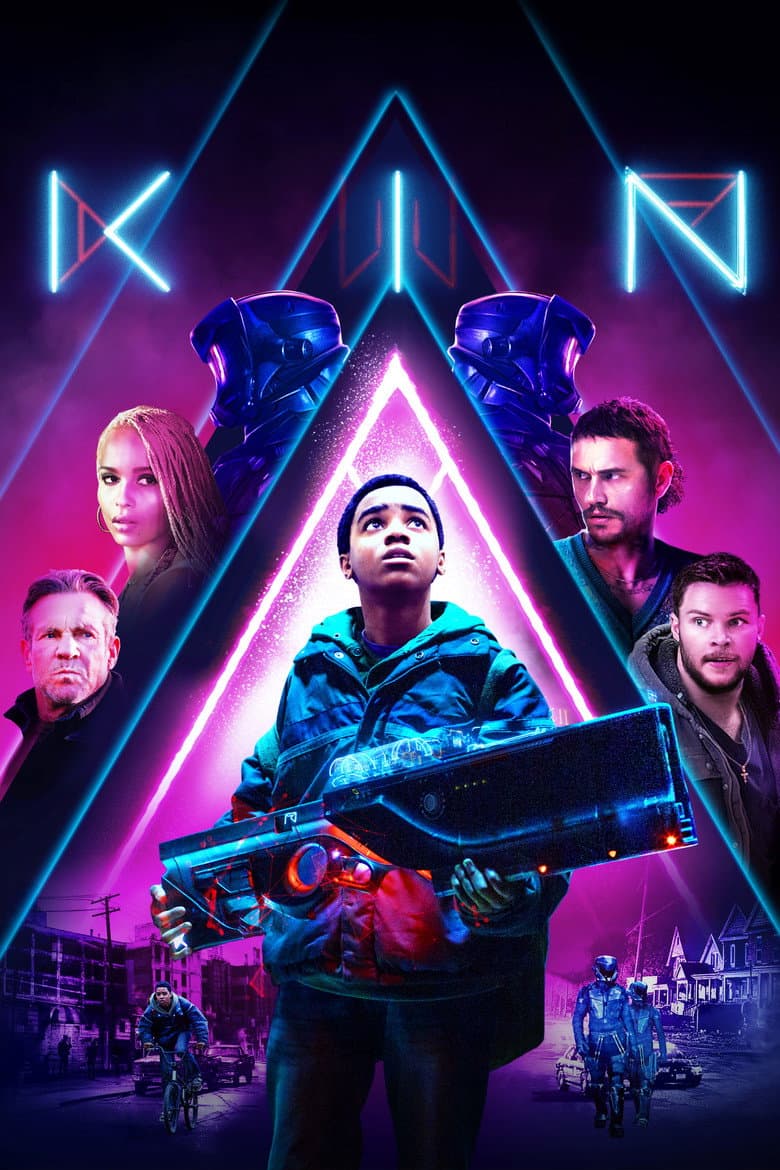
Kin follows Eli Solinski, a quiet fourteen-year-old boy who lives in a poor part of Detroit. He searches abandoned buildings for scrap and finds a powerful weapon from another world. His older adoptive brother Jimmy returns from prison after a robbery goes wrong, and the brothers flee with the weapon while criminals, police, federal agents, and armored strangers chase them. The film moves between a sad family story, a road trip, a crime thriller, and a dark science-fiction adventure.
Kin's main identity signal comes from Eli being a black boy adopted into a white working-class family. His loneliness and adoption support the film's message that family can be formed through care instead of blood. The story presents Eli as the special young hero who can use the weapon, while Milly helps the brothers and has little story of her own. The movie's main focus stays on brotherly loyalty, guilt, courage, and the cost of bad choices.
Community feedback
Was our 24% Woke rating accurate?
Breakdown
These are the editorial factors and ratings behind our score for Kin.
Woke representation / casting
Eli is a black fourteen-year-old who leads a science-fiction story and is adopted into a white family. The Bakers publicly said that a diverse cast and a young African-American lead were important parts of the film. The choice fits a modern Detroit setting, but the public identity framing makes the casting more than a neutral choice. The film does not build a broad representation-first group, so the score stays moderate.
35%
Woke political dialogue
Not present. The dialogue deals with family, crime, honesty, and the weapon. It does not give speeches about race, gender, sexuality, or current politics.
0%
Identity-driven story themes
Not present. Eli's race and adoption are visible parts of his background, but the film uses them for family drama rather than an identity-politics story. The main themes are brotherly loyalty, guilt, courage, and survival.
0%
Western institutional / cultural critique
Not present. Police, federal agents, and criminals chase the brothers because of the plot. The film does not frame Western institutions as racist, patriarchal, capitalist, or broadly oppressive.
0%
Woke character or canon changes
Not relevant. Kin expands the Bakers' short film Bag Man into a feature, but the reported changes add family, crime, and science-fiction material. No woke identity swap or ideological rewrite of established characters is shown.
0%
Anti-woke backlash and complaints
Not present. No qualifying complaints found. Audience complaints focus on weak writing, slow pacing, the child-with-a-gun premise, and the confusing genre mix. The available debate about the young black lead discusses representation, not an accusation that the film pushes woke or DEI politics.
0%
Creator track record context
The Baker brothers publicly stressed diverse casting and a young black lead for this film. Michael B. Jordan, a producer, has a stronger public record of Black Lives Matter and racial inequality advocacy. The other listed writers, casting directors, and producers have little or no documented activist record. The context is present but it does not make the film's main story activist.
29%
Production
Movie · 2018
Framed and on the run, a former FBI agent must save his family from a blazing fire in the world's tallest building.
Movie · 2019
A big-game hunter for zoos books passage on a Greek shipping freighter with a fresh haul of exotic and deadly animals from the Amazon, including a rare white Jaguar – along with a…
Movie · 2019
Shown from the perspective of a young submariner with unusually sensitive hearing and uncannily precise sound recognition.
Movie · 2020
A couple flying on a small plane to attend a tropical island wedding must fight for their lives after their pilot suffers a heart attack.
Movie · 2017
Fuelled by his restored faith in humanity and inspired by Superman's selfless act, Bruce Wayne and Diana Prince assemble a team of metahumans consisting of Barry Allen, Arthur…
Movie · 2023
65 million years ago, the only 2 survivors of a spaceship from Somaris that crash-landed on Earth, must fend off dinosaurs to reach the escape vessel in time before an imminent…
Movie · 2018
As the Avengers and their allies have continued to protect the world from threats too large for any one hero to handle, a new danger has emerged from the cosmic shadows: Thanos.
Movie · 2021
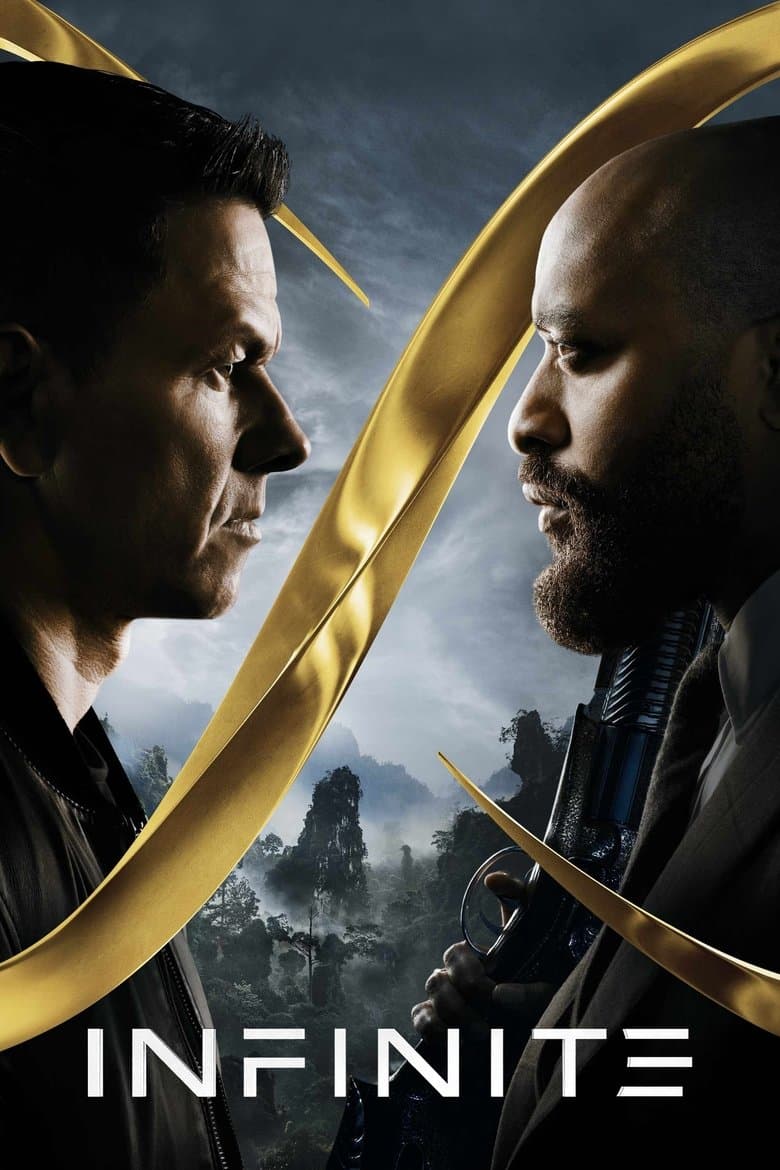
Evan McCauley has skills he never learned and memories of places he has never visited. Self-medicated and on the brink of a mental breakdown, a secret group that call themselves…
