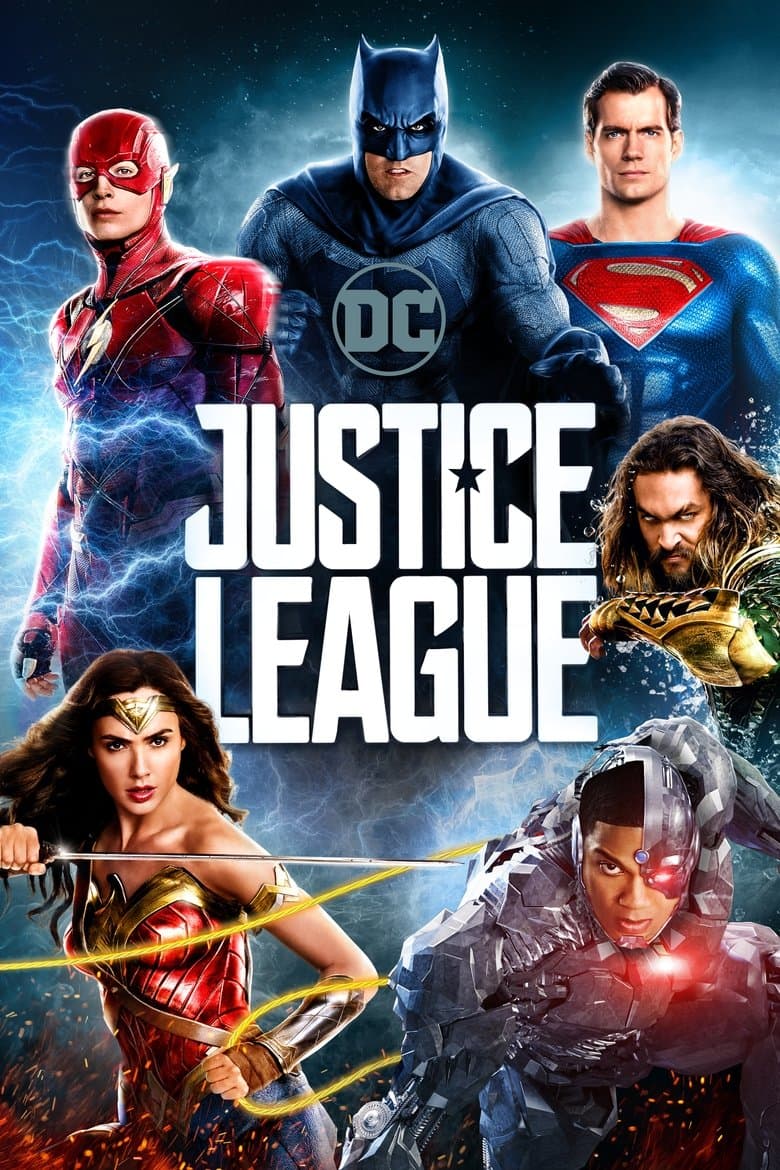
Justice League follows Bruce Wayne, who takes the name Batman, as he tries to bring broken heroes together after Superman dies saving Earth. Diana Prince, known as Wonder Woman, helps him recruit Barry Allen, Arthur Curry, and Victor Stone. The group faces Steppenwolf, an alien warlord who wants three Mother Boxes so he can conquer and reshape the planet. The story moves from modern cities and hidden bases to an island of Amazons and a final battlefield, and it mixes grief and danger with jokes and bright superhero action.
The film gives major heroic jobs to Wonder Woman, black hero Cyborg, and Jason Momoa's Pacific Islander-looking Aquaman, while Batman leads the team and The Flash supplies much of the humor. Wonder Woman often helps guide the nervous men, and Cyborg's struggle centers on losing his old body and learning to use his new powers. These choices make diversity and female strength visible, but the movie does not build its conflict around race, gender, or modern activist ideas. Its main message stays focused on courage, sacrifice, trust, and people joining together to protect the world.
Community feedback
Was our 15% Woke rating accurate?
Breakdown
These are the editorial factors and ratings behind our score for Justice League.
Woke representation / casting
The team gives Wonder Woman and the established black hero Cyborg major heroic roles. Jason Momoa's Aquaman has a Pacific Islander look instead of the classic blond, white comic version, and he is one of the main fighters. The film does not explain this change through plot or frame it as a diversity message. The visible mismatch is real but limited to one major character, so it is a mild casting signal.
19%
Woke political dialogue
Not present. The heroes talk about saving people, grief, fear, and working together. The film has no activist slogans, identity debate, or modern political message in its main dialogue.
0%
Identity-driven story themes
Not present. The story follows heroes who face loss, fear, guilt, and the task of trusting a team. Cyborg's new body is a personal superhero problem, not a story about modern identity politics.
0%
Western institutional / cultural critique
Not present. The film shows heroes protecting cities, families, and civilians from an alien attack. It does not frame men, women, family life, religion, or Western institutions as systems that need activist change.
0%
Woke character or canon changes
Not relevant. The movie changes comic-book details and makes Cyborg a founding team member in this film. It does not present those adaptation choices as a DEI or identity-political rewrite.
0%
Anti-woke backlash and complaints
Not present. The supplied X pass found no anti-woke reaction or specific complaint. Web coverage focused on the rushed cut, Whedon's reshoots, the weak villain, and the Snyder Cut campaign rather than woke or DEI messaging.
0%
Creator track record context
Joss Whedon has the strongest progressive and feminist public image among the listed creators. Zack Snyder has a milder liberal and inclusion-focused record, and Ben Affleck has some inclusion-related history. Most of the other listed creators have little activist history. This background gives the film a moderate context signal, but it does not make the movie's main story activist.
27%
Production
Movie · 2023
Until now, the Justice League has been a loose association of superpowered individuals. But when they are swept away to Warworld, a place of unending brutal gladiatorial combat…
Movie · 2019
When a hulking monster arrives on Earth and begins a mindless rampage, the Justice League is quickly called in to stop it.
Movie · 2020
After an earthquake destroys their underwater station, six researchers must navigate two miles along the dangerous, unknown depths of the ocean floor to make it to safety in a…
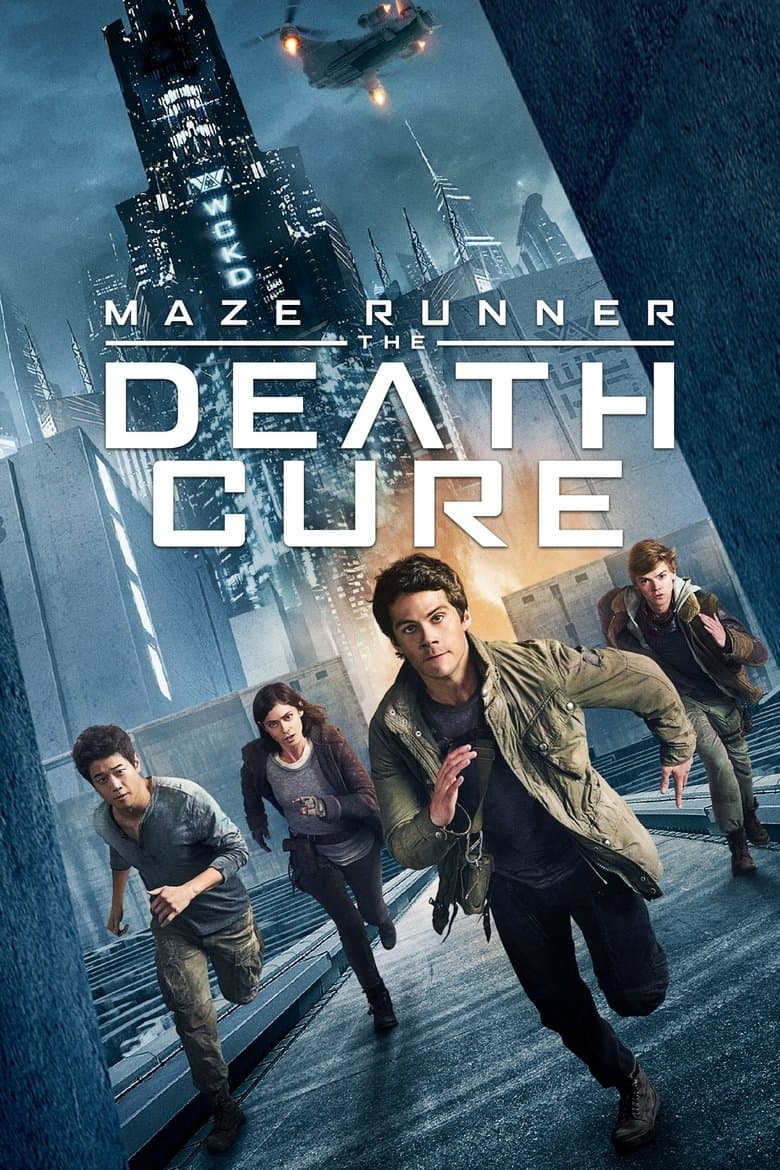
Movie · 2018
Thomas leads his group of escaped Gladers on their final and most dangerous mission yet. To save their friends, they must break into the legendary Last City, a WCKD-controlled…
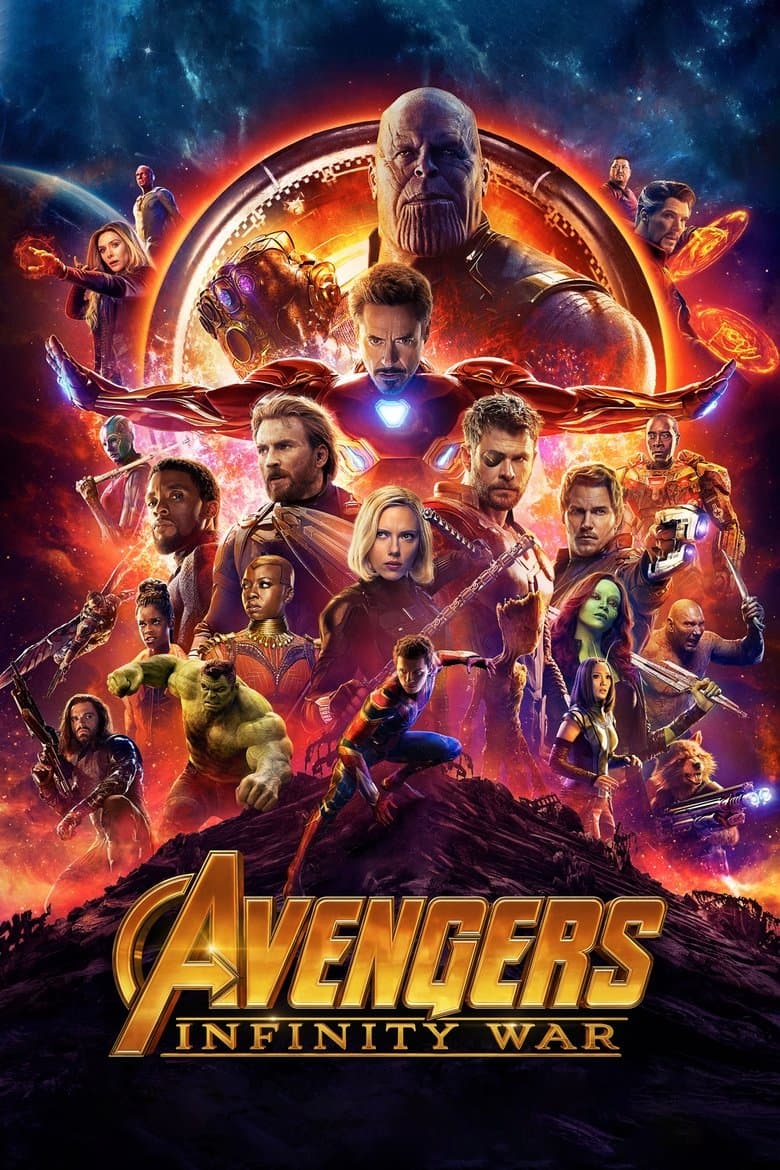
Movie · 2018
As the Avengers and their allies have continued to protect the world from threats too large for any one hero to handle, a new danger has emerged from the cosmic shadows: Thanos.
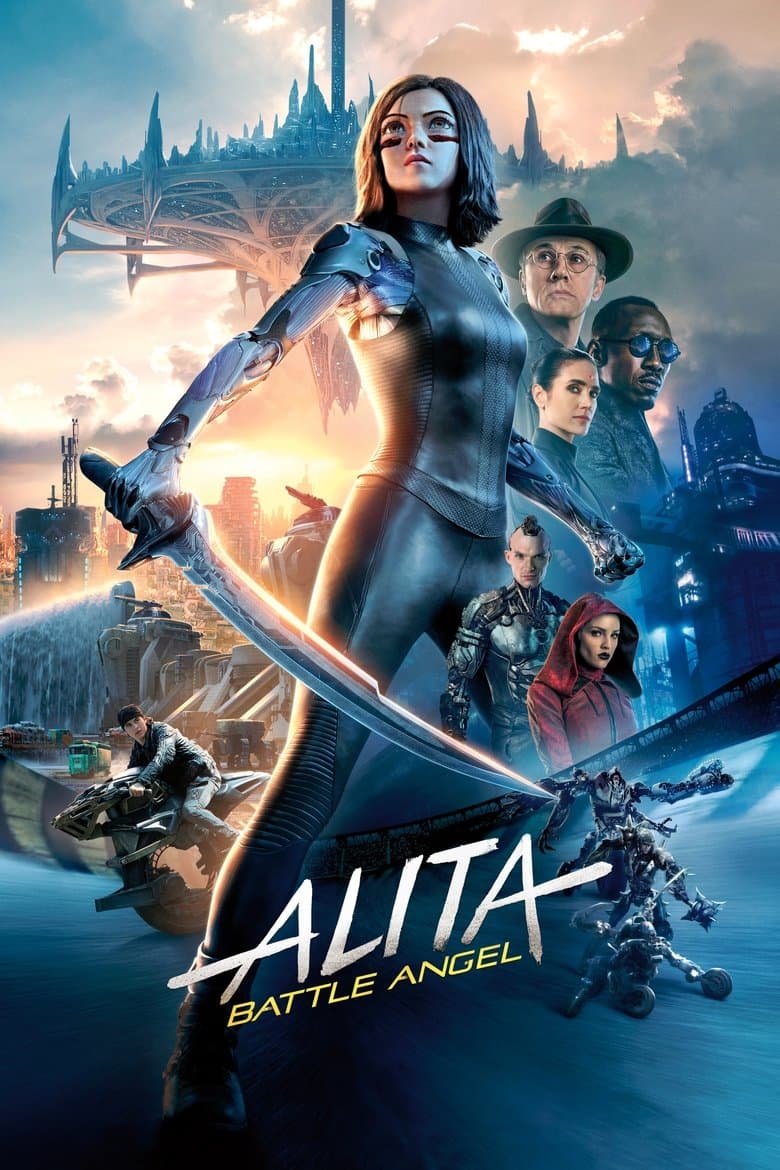
Movie · 2019
When Alita awakens with no memory of who she is in a future world she does not recognize, she is taken in by Ido, a compassionate doctor who realizes that somewhere in this…
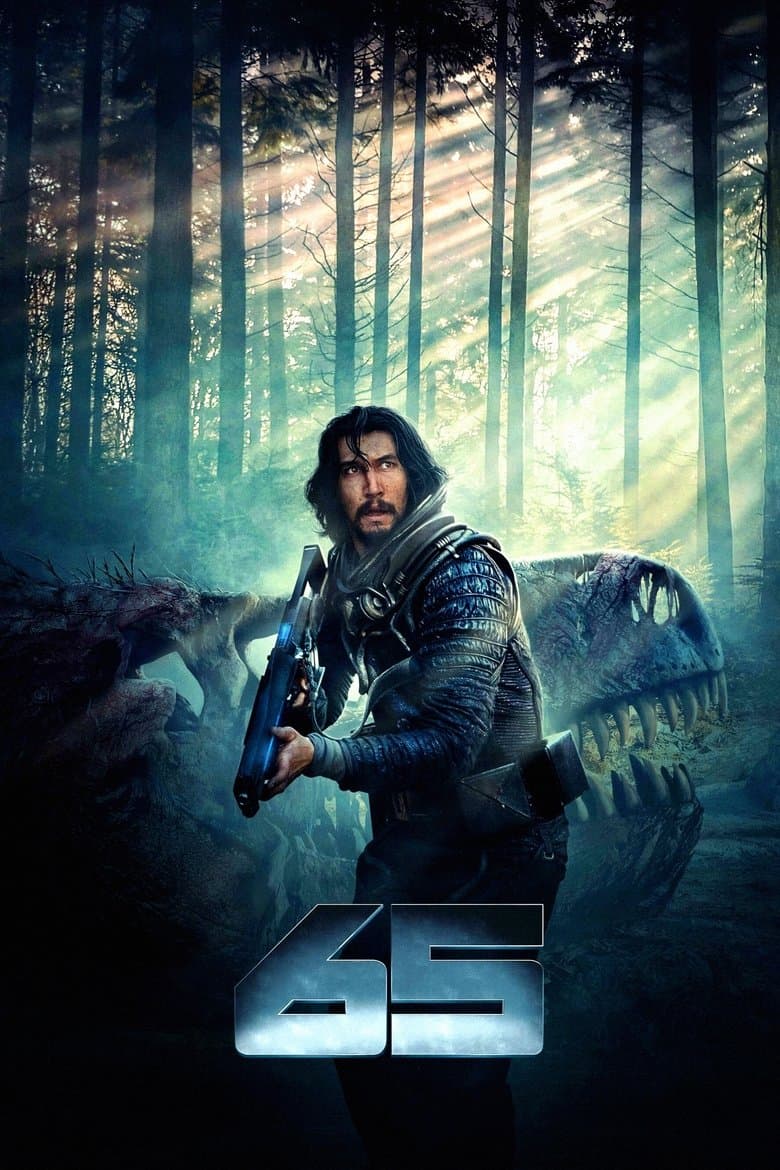
Movie · 2023
65 million years ago, the only 2 survivors of a spaceship from Somaris that crash-landed on Earth, must fend off dinosaurs to reach the escape vessel in time before an imminent…
Movie · 2021
Evan McCauley has skills he never learned and memories of places he has never visited. Self-medicated and on the brink of a mental breakdown, a secret group that call themselves…
