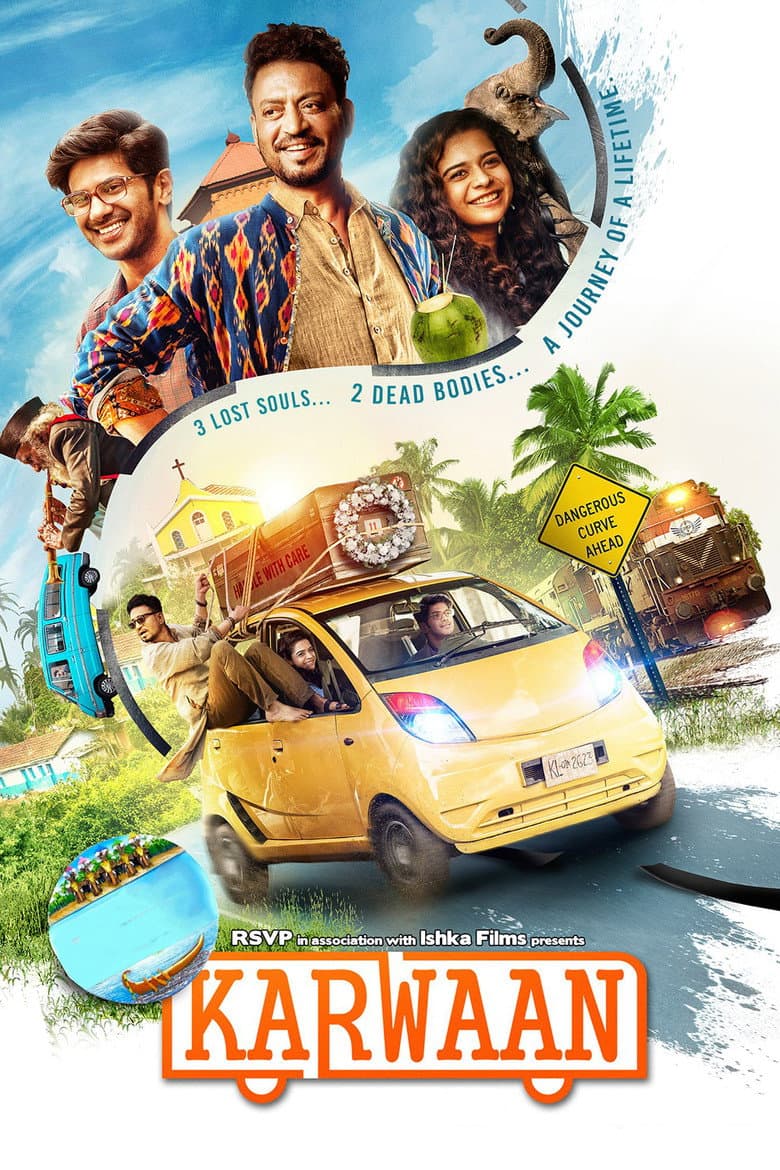
Karwaan follows Avinash, a bored Bengaluru IT worker who wants to become a photographer. His father dies during a bus trip, but a delivery mistake sends Avinash the wrong body. Avinash joins his garage-owner friend Shaukat and travels through Ooty and Kerala to exchange the bodies. The trip uses dry jokes and sad moments as the travelers face death, family anger, and sudden friendship. Tanya, a student and the dead woman’s granddaughter, joins the van and brings a more open view of drinking, sex, and personal choice. Avinash judges her after she buys a pregnancy test, so the film briefly sets older rules against newer ideas about women’s lives. The story also shows Shaukat helping a woman leave a bad marriage and lets Avinash choose photography over the job his father wanted. These ideas appear in a few important scenes, but the main story stays focused on grief, difficult fathers, work, and finding a new path.
Community feedback
Was our 37% Woke rating accurate?
Breakdown
These are the editorial factors and ratings behind our score for Karwaan.
Woke representation / casting
Not present. Avinash, Shaukat, and Tanya are Indian characters in a modern Indian road story. Their regional and religious differences fit the setting and are not made into the film’s message.
0%
Woke political dialogue
Avinash questions Tanya after she buys a pregnancy test. Tanya speaks openly about sex and personal choice. Avinash argues that social values have changed, and the talk also compares cameras with phones. The exchange is noticeable but brief, and the film does not build its main plot around a political speech.
27%
Identity-driven story themes
Tanya resists Avinash’s judgment about her clothes, drinking, sex, and pregnancy. The story gives her room to defend her own choices. Shaukat later helps Tasneem leave an abusive marriage, which supports a woman’s right to leave a bad marriage. The larger story still follows grief, difficult fathers, work, photography, and friendship.
36%
Western institutional / cultural critique
Shaukat and Avinash judge Tanya’s clothes, drinking, and sexual choices. The film makes those old-fashioned views look unfair. The ending rejects a cruel marriage when Shaukat helps Tasneem leave her husband. The movie does not attack Christianity or Western institutions.
25%
Woke character or canon changes
Not relevant. The film’s characters and story were created for this movie. No established character or real historical person is changed.
0%
Anti-woke backlash and complaints
One small X account recommended the film while noting “a few feminism content.” The post had little reach and no reply turned the comment into a wider woke dispute. News coverage and audience posts mostly discussed the cast, road trip, grief, and mixed reviews.
8%
Creator track record context
Akarsh Khurana has a moderate record of making modern social stories and representation-focused theatre. Bejoy Nambiar and Adhir Bhat do not show a strong activist or identity-politics record. Ronnie Screwvala is mainly a commercial producer with charity work. The title reflects Khurana’s interest in changing relationships, but its political content remains limited.
30%
Production

Movie · 2018
Toby, a cynical film director finds himself trapped in the outrageous delusions of an old Spanish shoe-maker who believes himself to be Don Quixote.

Movie · 2023
When Reggie is abandoned on the mean city streets by his lowlife owner, Doug, Reggie is certain that his beloved owner would never leave him on purpose.
Movie · 2019
A down-on-his-luck crab fisherman embarks on a journey to get a young man with Down syndrome to a professional wrestling school in rural North Carolina and away from the…
Movie · 2023
Paul and Sophie, interns at a mysterious London firm, become steadily aware their employers Humphrey and Dennis are anything but conventional – they are disrupting the world of…
Movie · 2026
When their plan to book a show at the Rivoli goes horribly wrong, Matt and Jay accidentally travel back to the year 2008.
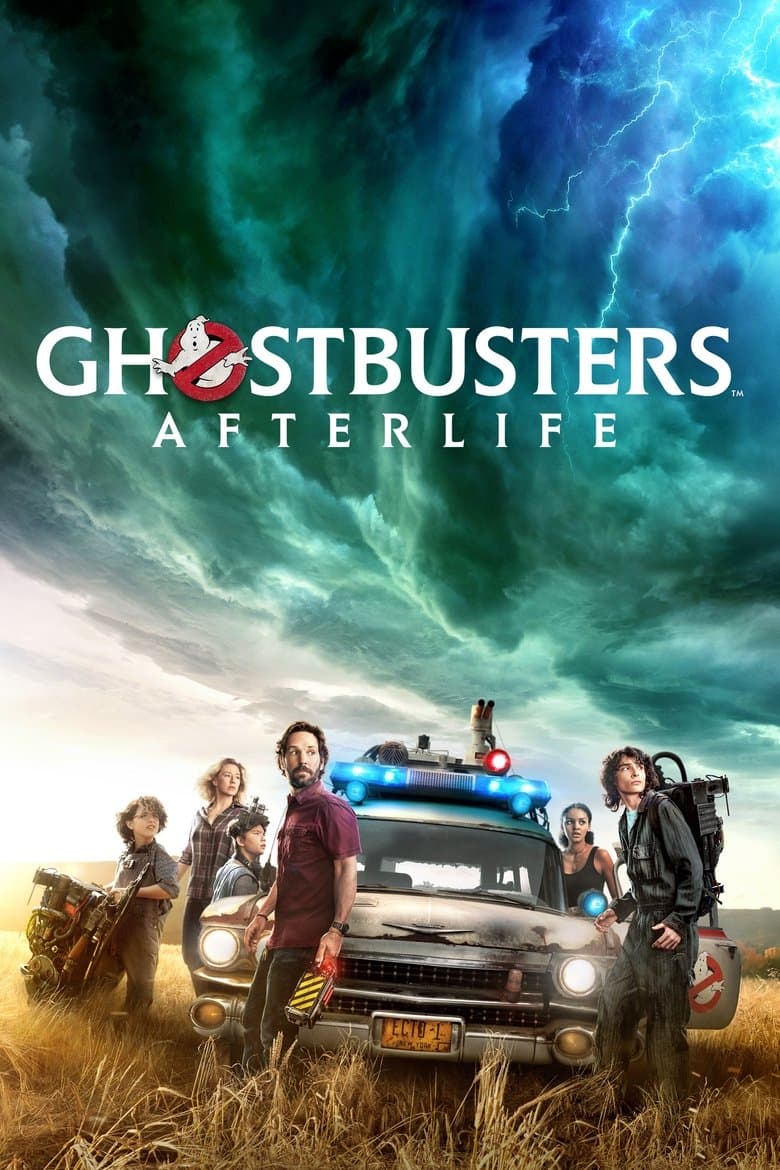
Movie · 2021
When single mom Callie and her two kids Trevor and Phoebe arrive in a small Oklahoma town, they begin to discover their connection to the original Ghostbusters and the secret…

Movie · 2020
In 1968, engineer Giorgio Rosa established the independent state called "The Isle of Roses" off the coast of Rimini, built on a platform outside the territorial waters, with…

Movie · 2026
A group of college students go downstairs to their dorm lobby to get a delivery pizza. There's only one issue: They're insanely high on a homemade drug, turning their simple…
