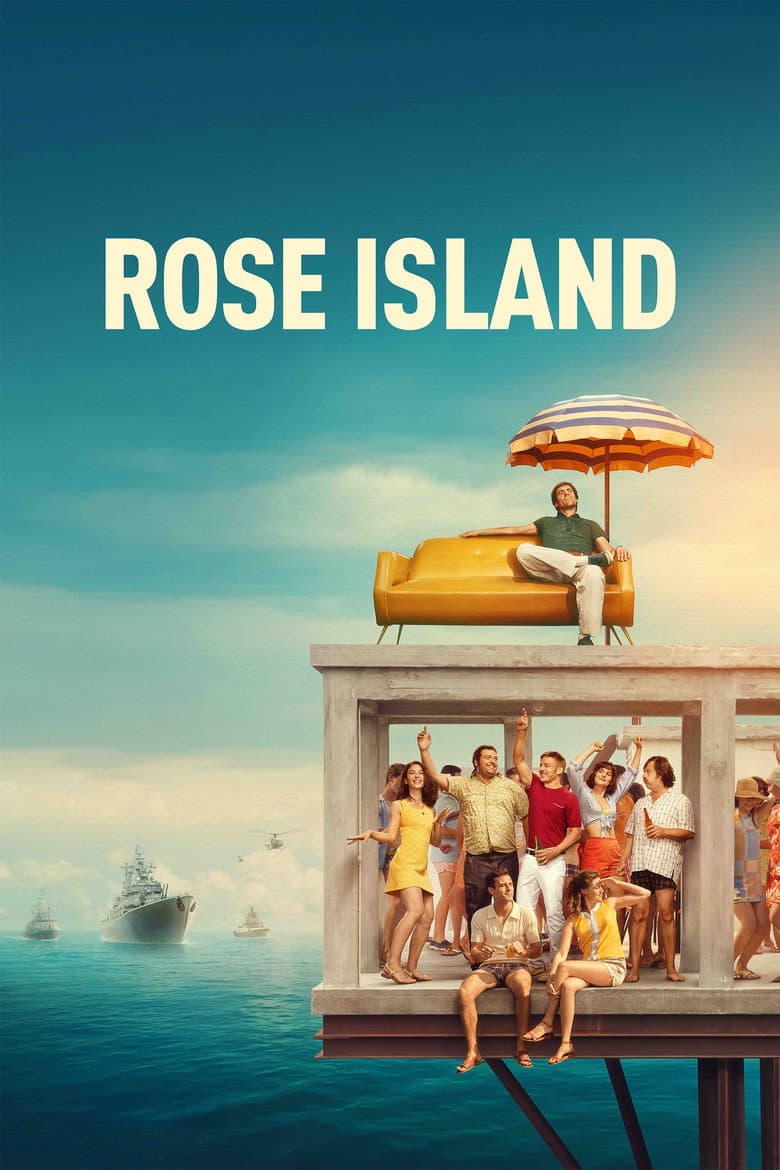
Rose Island follows Giorgio Rosa, a clever but awkward Italian engineer in 1968. After police trouble, a lost job, and a breakup with Gabriella, he decides to build a steel platform in the Adriatic Sea. He declares the platform a new country outside Italy’s waters and brings in friends, a German man without a country, and other outsiders. The island becomes a small party place, and the Italian government treats it as a threat. The film uses a bright, playful tone while telling a story that ends in a military attack.
The film gives the most attention to personal freedom, odd people, and life outside old rules. A pregnant young woman gets work on the island, and a German man without a country finds a place among the founders. Gabriella is trained in law and helps Giorgio face the authorities, while their old romance slowly returns. The story presents the island as a dream built by stubborn friends, then tests that dream against taxes, official power, and military force. Its warm comedy treats individual choice and friendship as more important than fitting in.
Community feedback
Was our 14% Woke rating accurate?
Breakdown
These are the editorial factors and ratings behind our score for Rose Island.
Woke representation / casting
Not present. The main cast fits the Italian and wider European setting of the story. The film does not frame casting as a diversity or identity statement.
0%
Woke political dialogue
Not present. Characters talk about taxes, laws, country status, and freedom. The dialogue does not push modern identity, DEI, or activist ideas.
0%
Identity-driven story themes
The island welcomes social outsiders, including a German man without a country and a young pregnant woman who needs work. The film treats freedom from old rules and social judgment as part of the island's appeal. This message stays secondary to Giorgio's engineering dream, romance, and fight with the state.
16%
Western institutional / cultural critique
Not present. The movie mocks Italian bureaucracy and church fears about the island, but those scenes belong to its 1968 historical story. The movie does not turn them into a modern attack on Western culture, family life, religion, or gender roles.
0%
Woke character or canon changes
Not relevant. The movie is a fictionalized version of a real 1968 event, not a remake of an established fictional canon. It does not make a race, gender, sexuality, or hero-role swap.
0%
Anti-woke backlash and complaints
Not present. The separate X research found no anti-woke complaints. Web reviews and audience posts mostly discussed the film's charm, pacing, dubbing, and loose history, with no sustained DEI or identity-politics campaign.
0%
Creator track record context
Writer Francesca Manieri has a strong work history involving women, gender, and sexuality. Producer Matteo Rovere has a moderate record of backing women-led projects, while director Sydney Sibilia has no strong activist record in the supplied context. Title interviews describe this film as entertainment about one man's freedom dream, so the creator context is a modest signal rather than the film's main message.
28%
Production
Movie · 2023
Paul and Sophie, interns at a mysterious London firm, become steadily aware their employers Humphrey and Dennis are anything but conventional – they are disrupting the world of…
Movie · 2024
In the 19th century, a drunken applejack salesman must go from zero to hero and become North America's greatest fur trapper by defeating hundreds of beavers.
Movie · 2016
The feel-good story of Michael 'Eddie' Edwards, an unlikely but courageous British ski-jumper who never stopped believing in himself—even as an entire nation was counting him out.

Movie · 2026
When their plan to book a show at the Rivoli goes horribly wrong, Matt and Jay accidentally travel back to the year 2008.
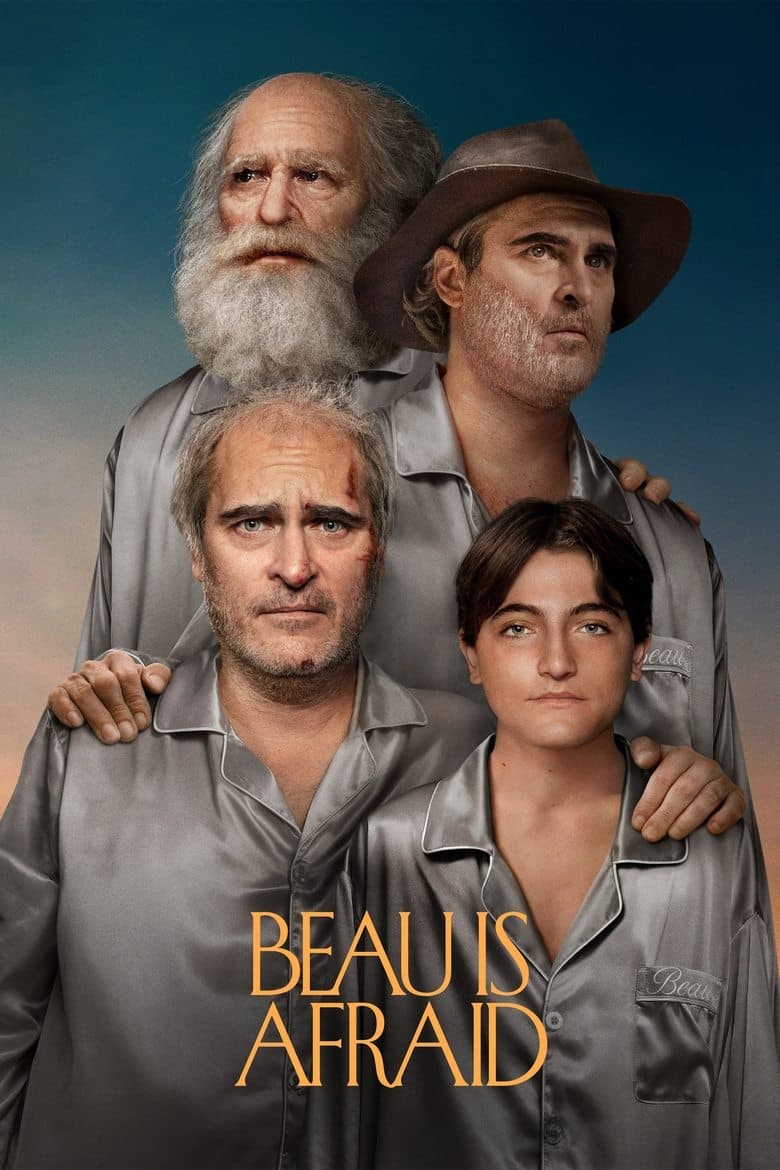
Movie · 2023
Following the sudden death of his mother, a mild-mannered but anxiety-ridden man confronts his darkest fears as he embarks on an epic odyssey back home.
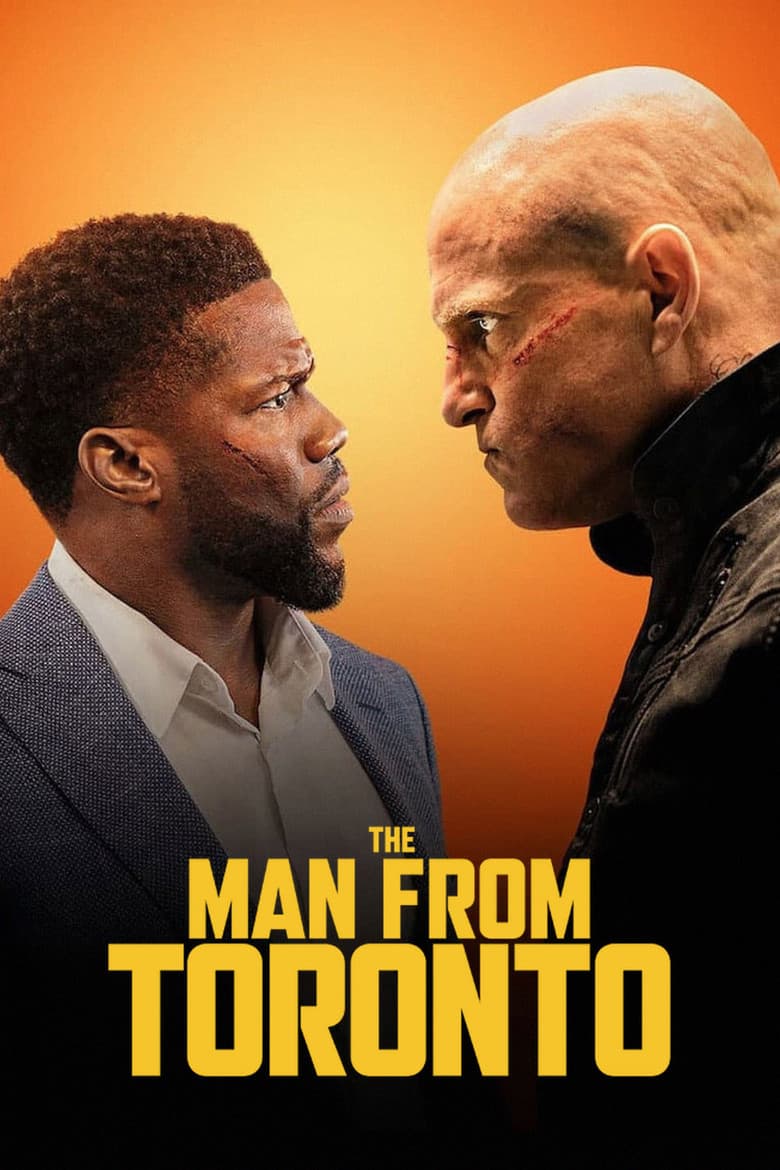
Movie · 2022
A case of mistaken identity forces a bumbling entrepreneur to team up with a notorious assassin known as The Man from Toronto in hopes of staying alive.
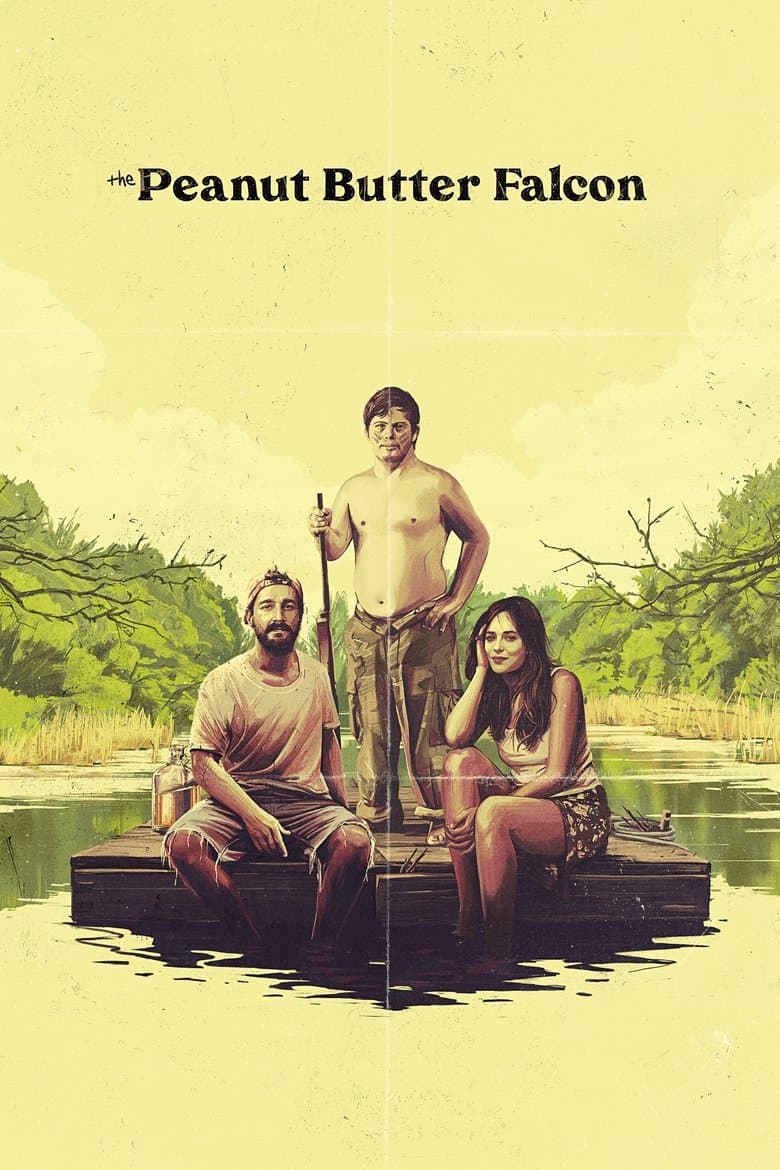
Movie · 2019
A down-on-his-luck crab fisherman embarks on a journey to get a young man with Down syndrome to a professional wrestling school in rural North Carolina and away from the…
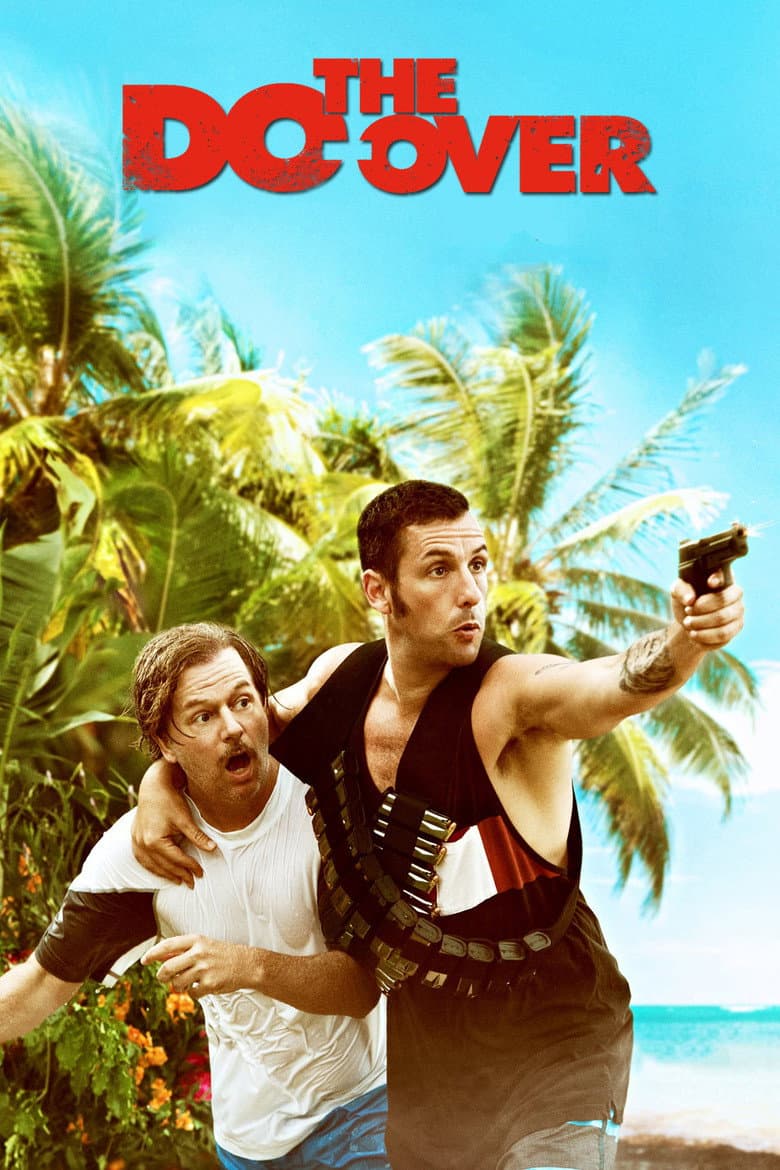
Movie · 2016
The life of a bank manager is turned upside down when a friend from his past manipulates him into faking his own death and taking off on an adventure.
