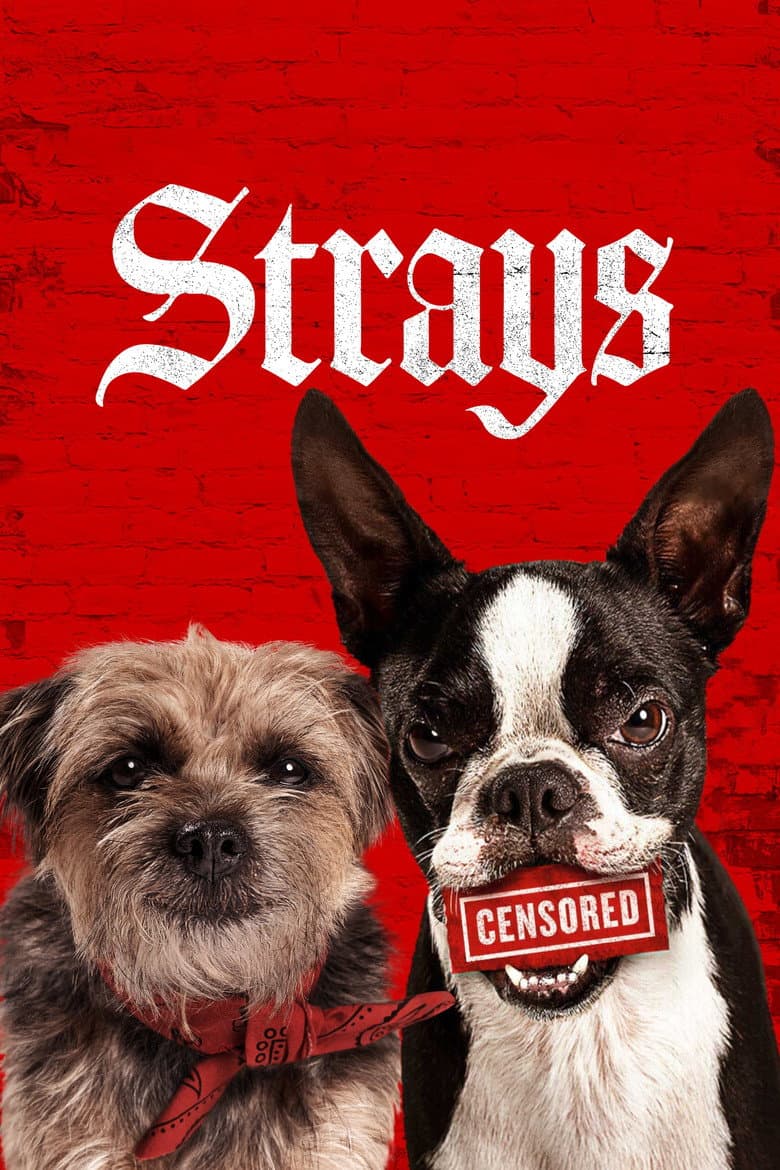
Strays follows Reggie, a cheerful Border Terrier who lives with Doug in a modern American city. Doug treats Reggie badly and abandons him far from home, but Reggie still believes that Doug loves him. Reggie meets Bug, Maggie, and Hunter, three street dogs who teach him how to live without an owner. The movie uses foul language, sex jokes, drug jokes, graphic animal humor, and cartoon violence in a loud R-rated comedy.
The story presents Reggie’s home life as a toxic relationship and makes his search for self-worth part of the main plot. His new friends help him see that Doug is selfish and cruel, so the group becomes a chosen family built on loyalty and support. The film challenges the usual dog-movie idea that a pet must return to its owner, and it lets Reggie remain free at the end. These ideas are personal and emotional, while the movie’s main goal remains crude comedy, friendship, and revenge.
Community feedback
Was our 19% Woke rating accurate?
Breakdown
These are the editorial factors and ratings behind our score for Strays.
Woke representation / casting
Not present. The main characters are dogs, and the movie does not present voice casting as an identity statement. No prominent role is built around race, sexuality, disability, religion, or a diversity message.
0%
Woke political dialogue
Not present. The dialogue has no sustained debate about parties, elections, race, gender politics, or activist causes. The jokes focus on dogs, sex, drugs, bodily functions, and revenge.
0%
Identity-driven story themes
Not present. The main theme is leaving an abusive owner and finding loyal friends. The dogs’ identities come from their breeds and personalities, not from race, sexuality, or identity politics.
0%
Western institutional / cultural critique
Doug treats Reggie as property, ignores him, and believes he can abandon and control him. The film uses this as a toxic relationship metaphor and supports leaving it, finding self-worth, and building a chosen family with friends. The message targets one cruel man and pet owner, so it does not attack men, family, religion, or a Western institution.
17%
Woke character or canon changes
Not relevant. The movie is an original story about new dog and human characters. It does not rework a known character, historical person, or established story around identity or DEI themes.
0%
Anti-woke backlash and complaints
A few small X accounts called the film “woke propaganda” because they objected to its white male villain, foolish police dogs, and careless white female owner. Another small account linked the castration scene to male emasculation and “go woke, go broke.” A conspiracy-style post mentioned Hollywood symbolism in “woke movies.” Fox News used “woke backlash” to describe the wider comedy market, not to present Strays as a major woke target. No clear boycott, review bomb, or coordinated campaign was found.
13%
Creator track record context
Josh Greenbaum has a cached woke score of 75 because he directed Will & Harper, a documentary about Harper Steele’s transgender transition and support from a longtime friend. That history gives this title a clear creator track record signal, even though Strays does not use that identity focus. The other cached key creators have mostly low scores and no strong public activist record.
35%
Production
Movie · 2024
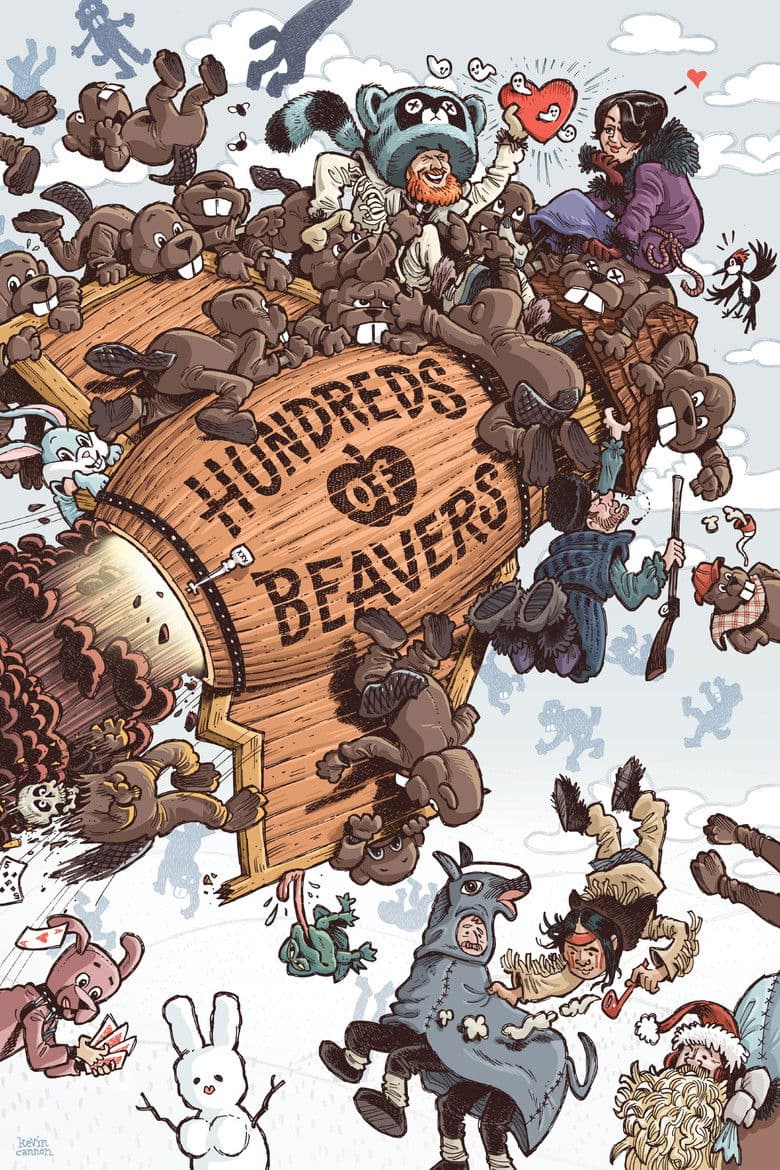
In the 19th century, a drunken applejack salesman must go from zero to hero and become North America's greatest fur trapper by defeating hundreds of beavers.

Movie · 2016
The origin story of former Special Forces operative turned mercenary Wade Wilson, who, after being subjected to a rogue experiment that leaves him with accelerated healing powers…
Movie · 2026
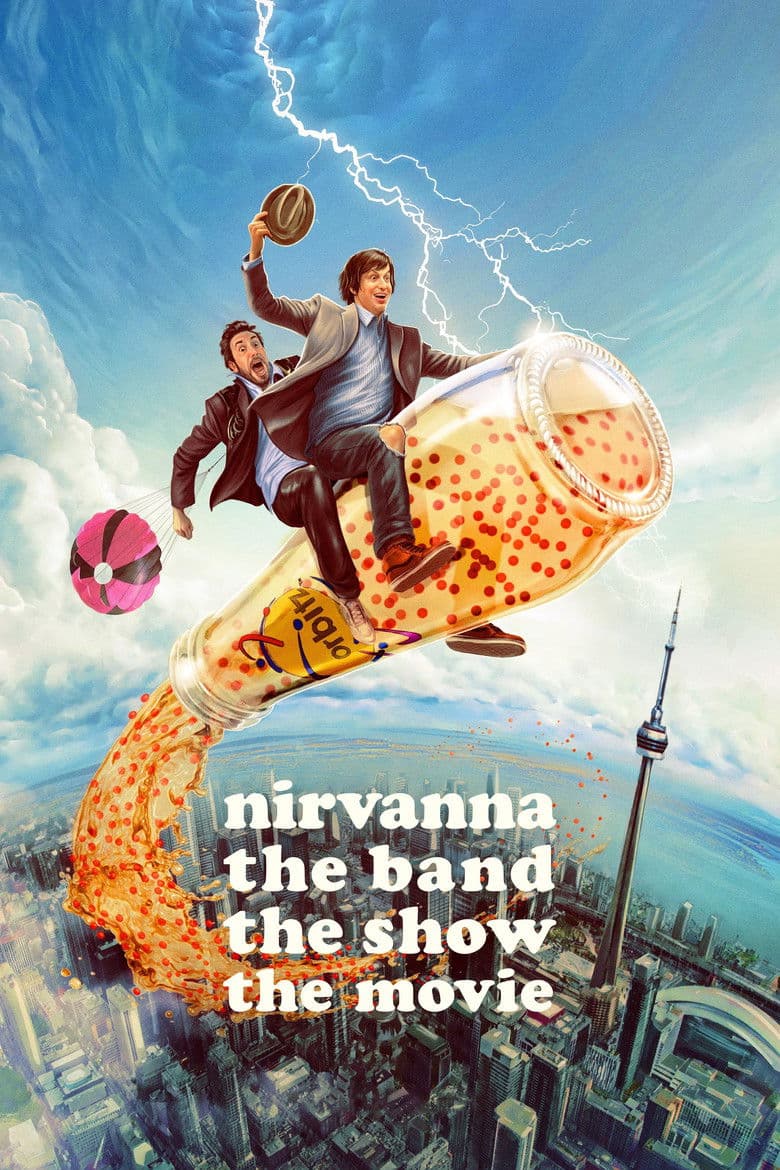
When their plan to book a show at the Rivoli goes horribly wrong, Matt and Jay accidentally travel back to the year 2008.
Movie · 2023
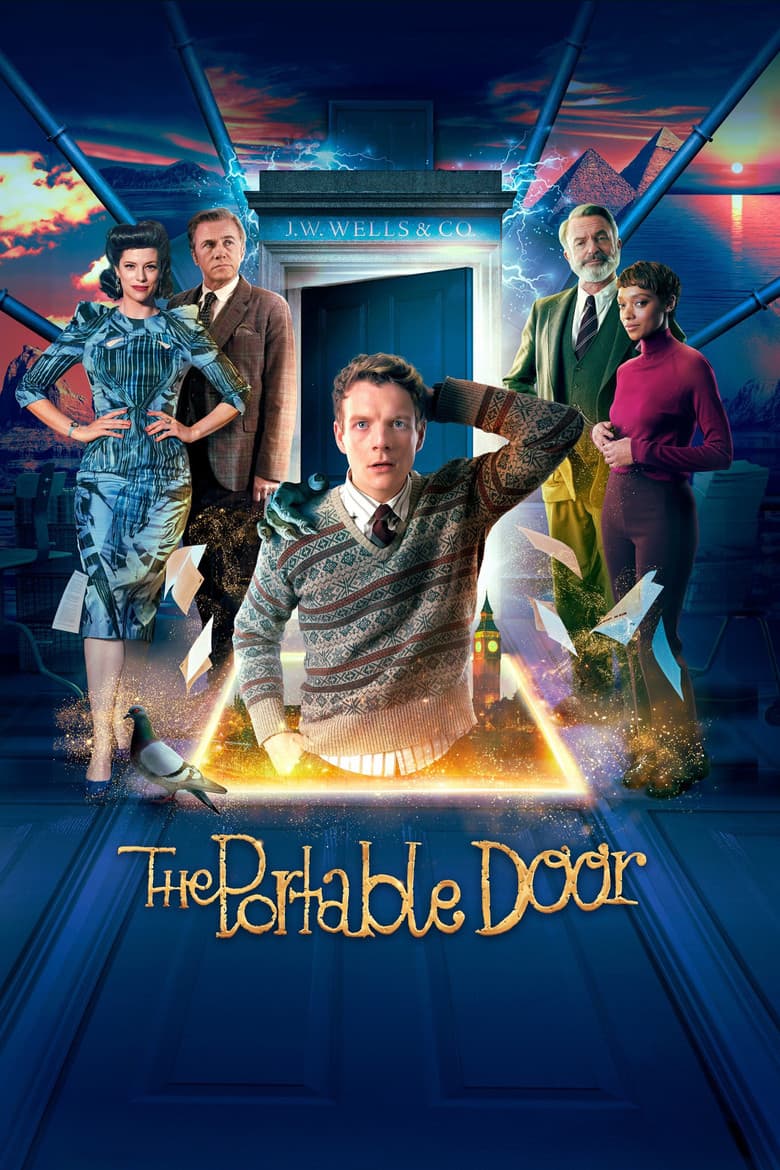
Paul and Sophie, interns at a mysterious London firm, become steadily aware their employers Humphrey and Dennis are anything but conventional – they are disrupting the world of…

Movie · 2019
As the gang return to Jumanji to rescue one of their own, they discover that nothing is as they expect. The players will have to brave parts unknown and unexplored in order to…

Movie · 2016
The life of a bank manager is turned upside down when a friend from his past manipulates him into faking his own death and taking off on an adventure.

Movie · 2026
A group of college students go downstairs to their dorm lobby to get a delivery pizza. There's only one issue: They're insanely high on a homemade drug, turning their simple…
Movie · 2023
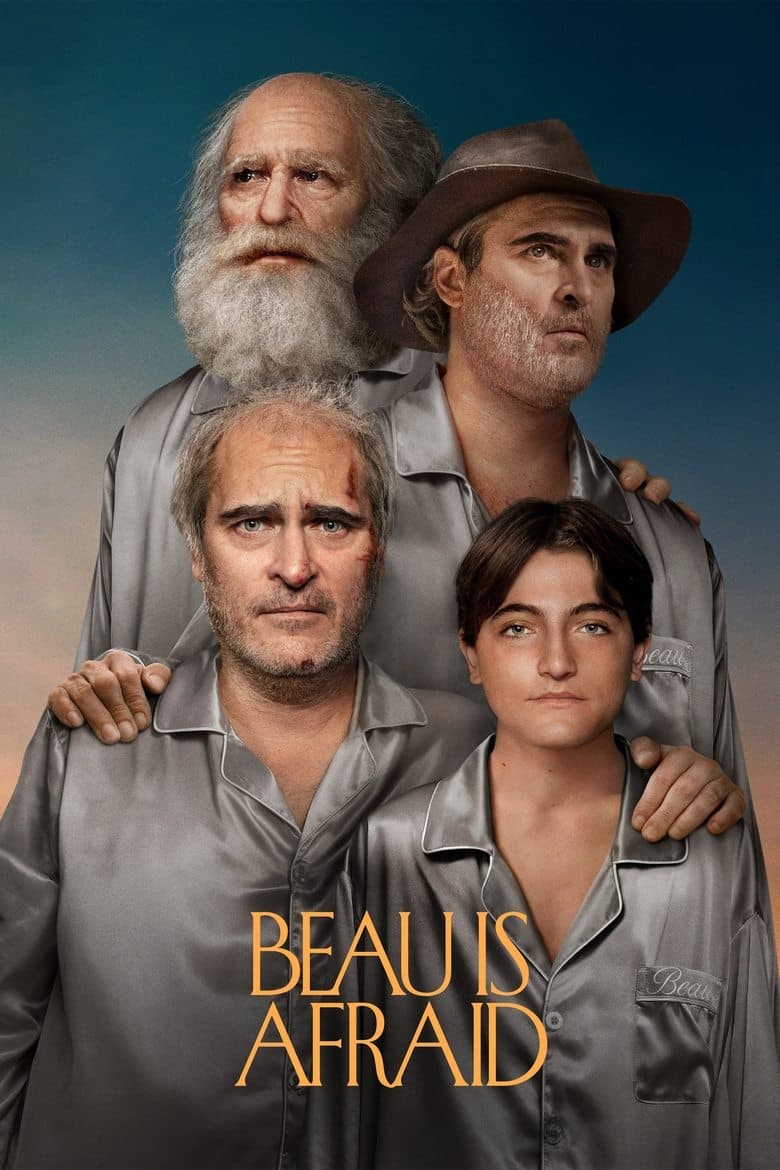
Following the sudden death of his mother, a mild-mannered but anxiety-ridden man confronts his darkest fears as he embarks on an epic odyssey back home.
