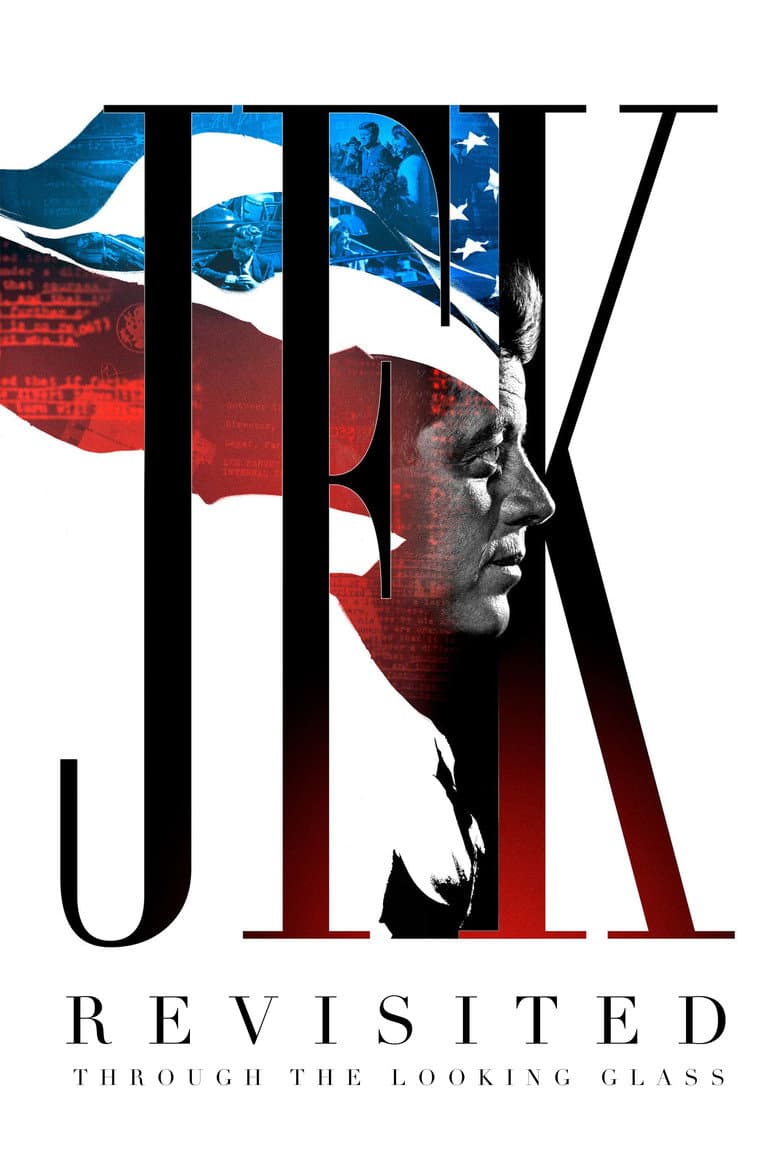
Oliver Stone guides this documentary as it revisits the killing of President John F. Kennedy. The film moves between Dallas in 1963, old news footage, released government files, and interviews with researchers and witnesses. Stone questions the official story that Lee Harvey Oswald acted alone. The tone is serious, urgent, and often certain, even when the evidence remains disputed. The film builds its case around bullets, wounds, autopsy records, Oswald’s movements, and the work of the Warren Commission. It then connects the killing to the CIA, Cuba, Vietnam, and the military-industrial complex. The documentary treats government agencies and major media as groups that may have hidden or changed the truth. Its main message is that powerful groups can shape history and hide the truth from the public.
Community feedback
Was our 20% Woke rating accurate?
Breakdown
These are the editorial factors and ratings behind our score for JFK Revisited: Through the Looking Glass.
Woke representation / casting
Not present. The film uses Whoopi Goldberg and Donald Sutherland as narrators and presents historians, doctors, witnesses, and other experts. The documentary does not frame casting around identity or representation.
0%
Woke political dialogue
Not present. The documentary discusses the Warren Commission, the CIA, Vietnam, Cuba, and the military-industrial complex. Its political claims concern Cold War power and secrecy, not modern identity, gender, or DEI ideas.
0%
Identity-driven story themes
Not present. The film centers on evidence about Kennedy’s killing and an alleged state cover-up. It does not build its story around race, sex, sexuality, or group identity.
0%
Western institutional / cultural critique
The documentary repeatedly attacks the CIA, FBI, Warren Commission, and major media as institutions that hid or shaped the truth. The film links those claims to Vietnam, Cuba, and the military-industrial complex. This anti-establishment view drives the investigation from beginning to end. The focus stays on Cold War power and war policy, so the cultural critique remains mild.
30%
Woke character or canon changes
Not relevant. The film revisits a real historical event and uses new evidence to challenge an older account. It does not change the race, sex, or sexuality of Kennedy, Oswald, or any other historical figure.
0%
Anti-woke backlash and complaints
Not present. Public debate focused on whether Stone’s evidence was convincing or too speculative. No sustained complaint said the film pushed DEI, identity politics, or activist content.
0%
Creator track record context
Oliver Stone has a long record of anti-war and anti-imperial political work. His public comments also reject identity politics and cancel culture. James DiEugenio focuses on JFK research, while the producers have no strong DEI or identity-politics record. This film follows Stone’s older political interests more than modern woke activism.
25%
Production
Movie · 2022
Follows the man who survived an assassination attempt by poisoning with a lethal nerve agent in August 2020. During his months-long recovery, he makes shocking discoveries about…
Movie · 2023
A short kid from a Canadian army base becomes the international pop culture darling of the 1980s—only to find the course of his life altered by a stunning diagnosis.
Movie · 2018
A documentary about World War I with never-before-seen footage to commemorate the centennial of Armistice Day, and the end of the war.
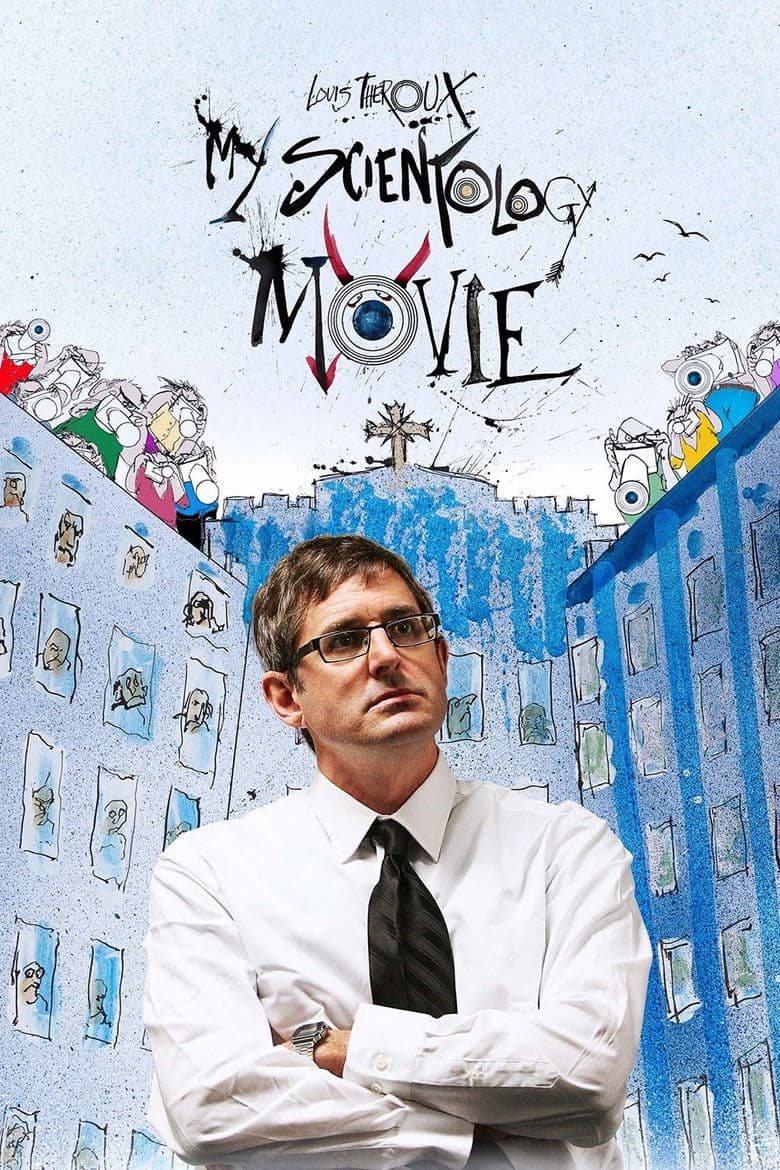
Movie · 2016
After being denied access to the Church of Scientology's headquarters, documentarian Louis Theroux teams up with ex-Scientology official Marty Rathbun to stage re-enactments of…
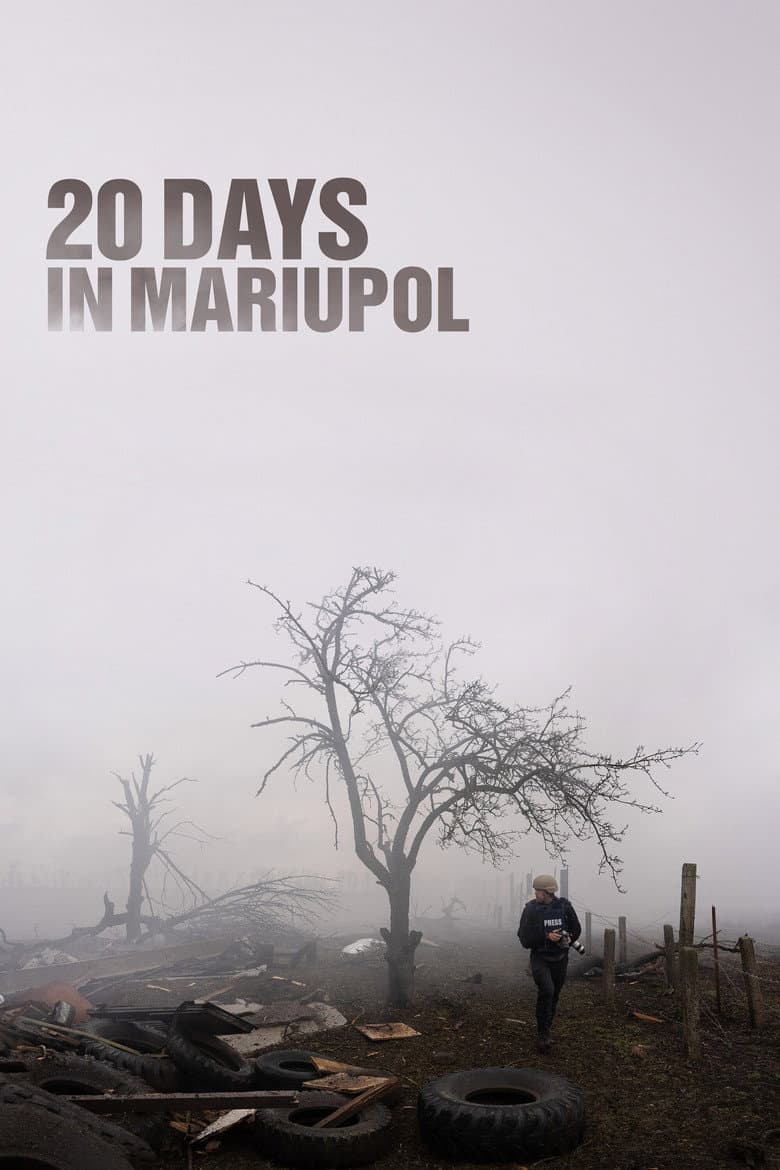
Movie · 2023
As the Russian invasion begins, a team of Ukrainian journalists trapped in the besieged city of Mariupol struggle to continue their work documenting the war's atrocities.
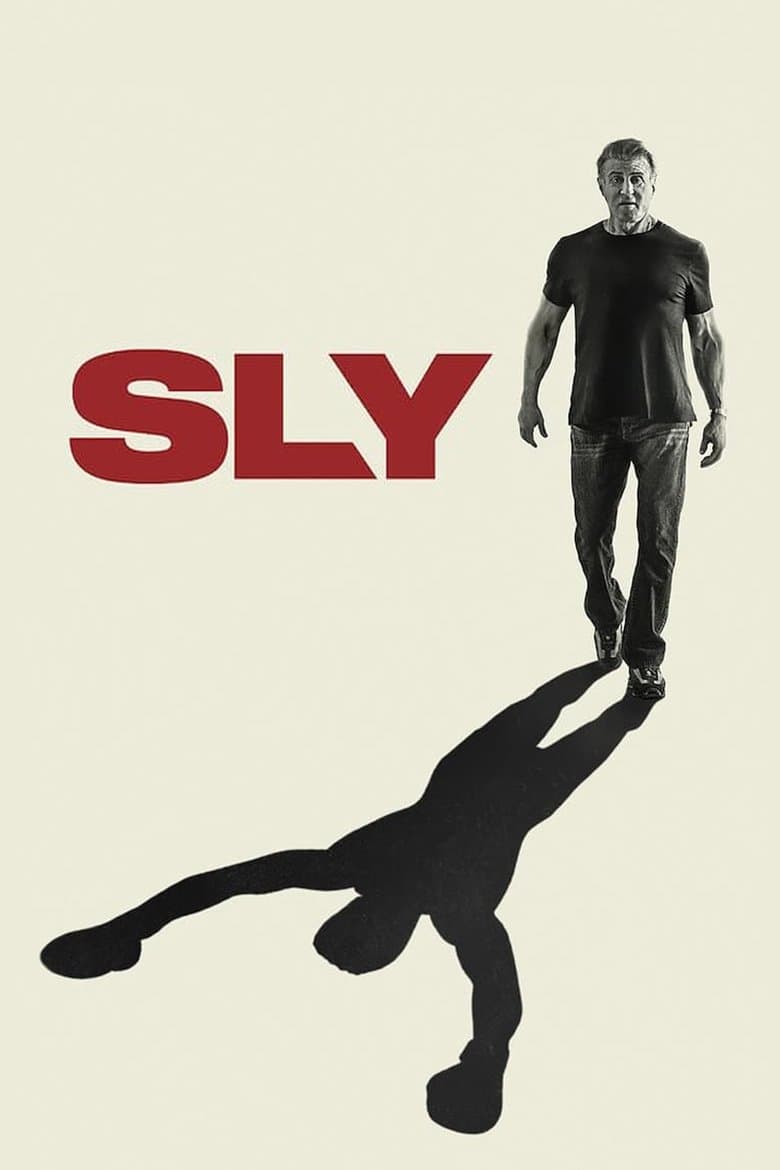
Movie · 2023
His love of film began as an escape from a rocky childhood. From underdog to Hollywood legend, Sylvester Stallone tells his story in this documentary.
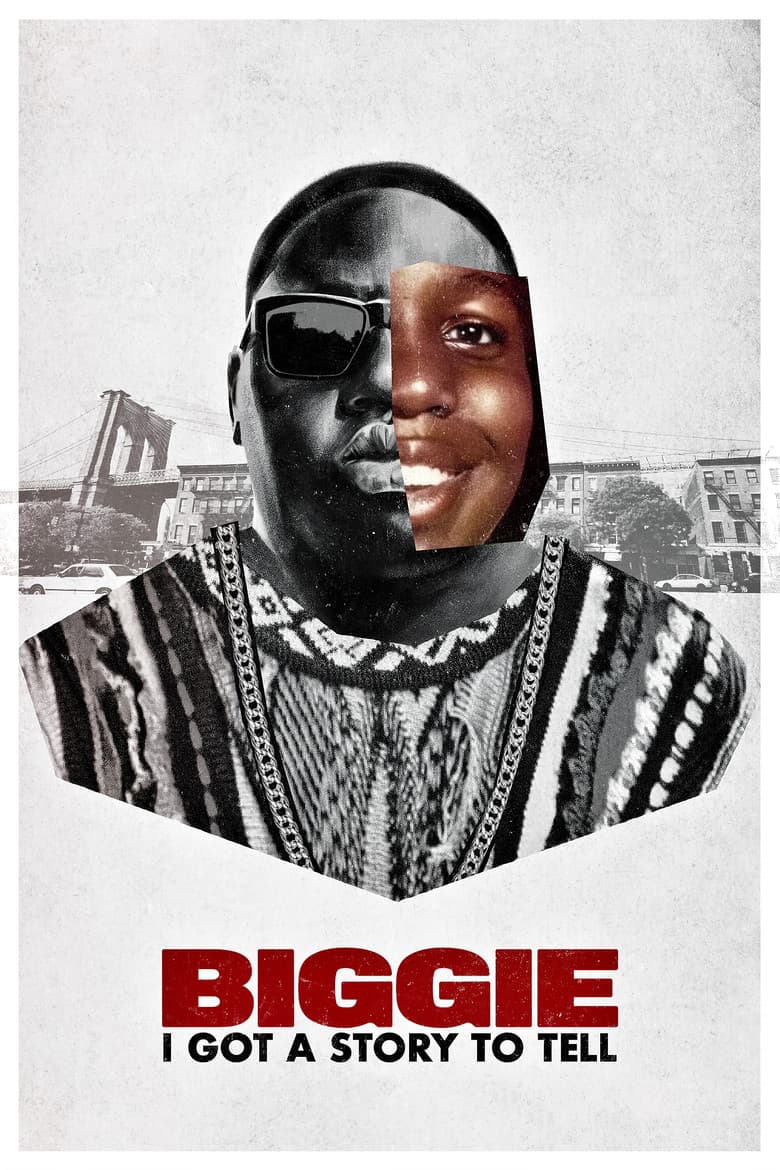
Movie · 2021
Christopher Wallace, AKA The Notorious B.I.G., remains one of Hip-Hop’s icons, renowned for his distinctive flow and autobiographical lyrics.
Movie · 2022
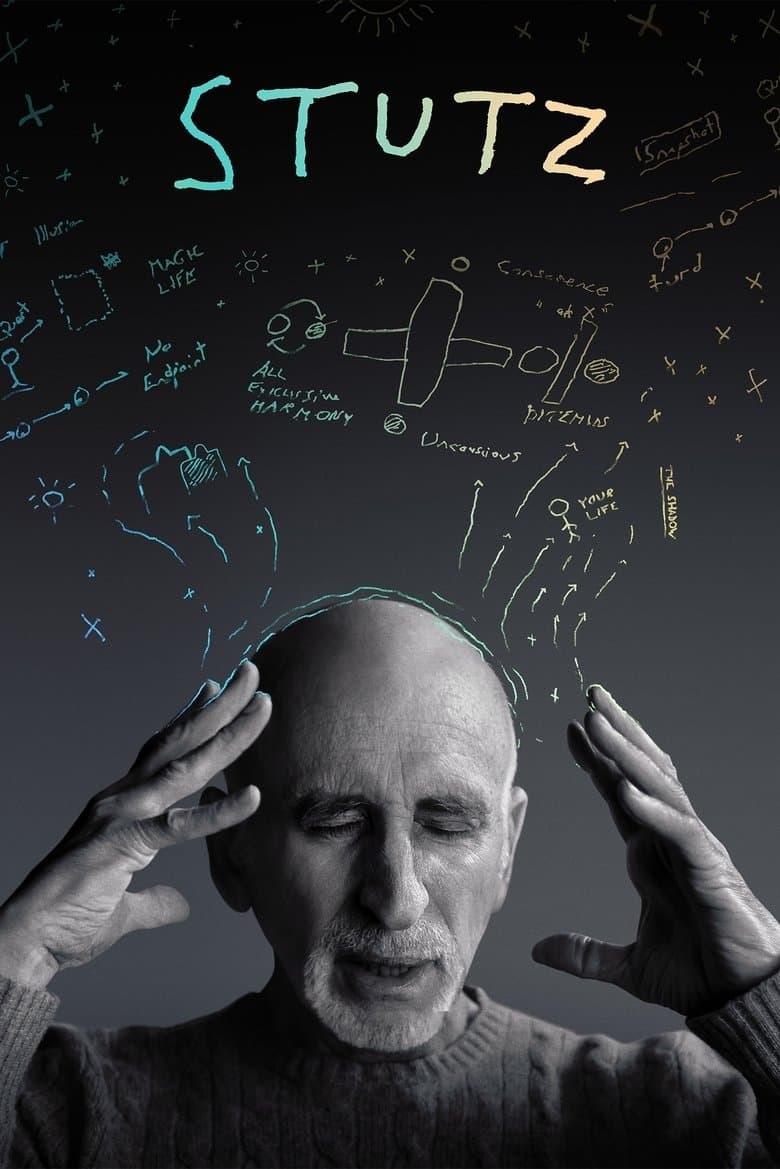
In candid conversations with actor Jonah Hill, leading psychiatrist Phil Stutz explores his early life experiences and unique, visual model of therapy.
