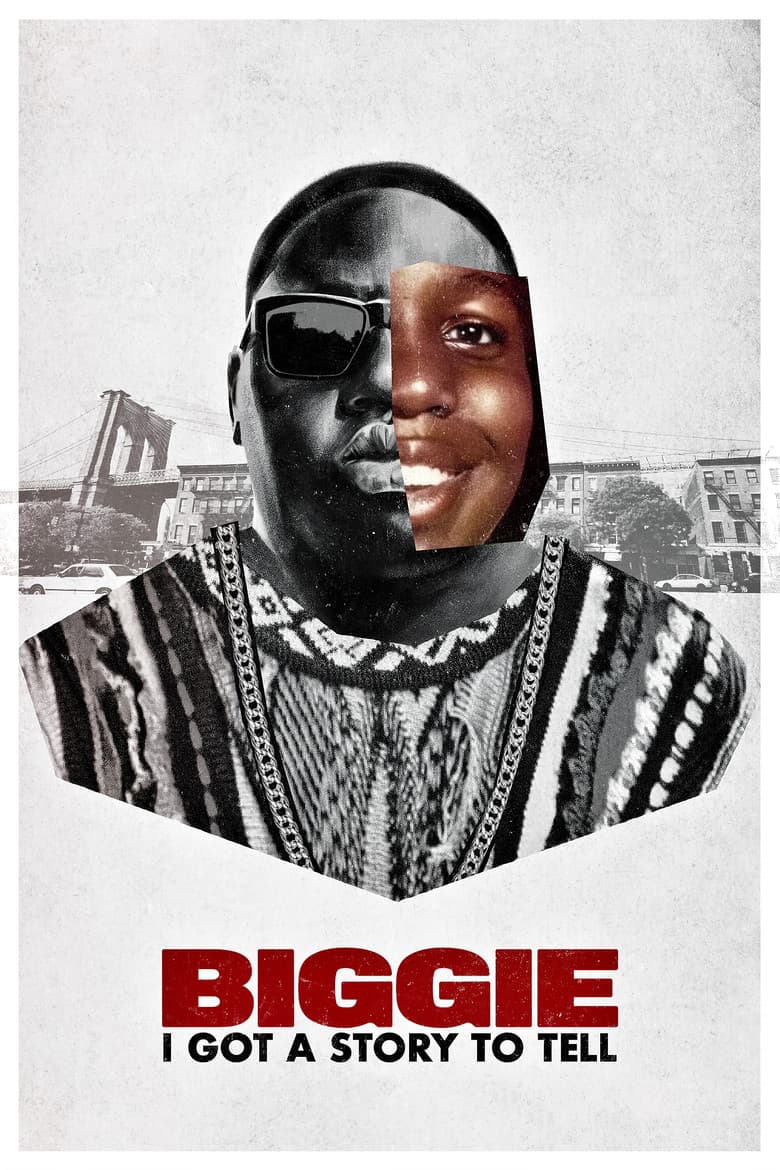
Christopher Wallace, known as The Notorious B.I.G., grows up in Brooklyn as the son of a Jamaican immigrant mother. He loves rap, learns from friends and a jazz musician, and starts selling crack while he is still young. His main conflict is the pull between street money and his chance to build a life through music. The tone is warm and celebratory, but it also shows danger, loss, and the sadness of his death at age 24.
The film gives special weight to Wallace’s family roots, his trips to Jamaica, and the Black Brooklyn community that shaped his voice. It presents music as a way to turn hard life into art and as a path away from crime. Interviews and home videos show a funny, loyal, and gifted young man beside his harder public image. The story stays focused on family, friendship, music, ambition, crime, and grief.
Community feedback
Was our 9% Woke rating accurate?
Breakdown
These are the editorial factors and ratings behind our score for Biggie: I Got a Story to Tell.
Woke representation / casting
Not present. The film uses the real Wallace, his family, friends, and music partners. Their identities fit the real story and do not form an engineered representation pattern.
0%
Woke political dialogue
Not present. The interviews talk about Brooklyn, crime, family, music, and loss. They do not push modern identity, DEI, gender-role, or activist ideas.
0%
Identity-driven story themes
The film repeatedly highlights Wallace’s Jamaican family roots and the Black Brooklyn community that shaped him. The film ties those details to his music and his move away from street crime. The identity focus comes from his real biography and does not become a modern activist message.
12%
Western institutional / cultural critique
Not present. The film shows crime, drugs, violence, and hard streets as parts of Wallace’s past. It does not turn those events into a modern attack on Western institutions, family life, masculinity, religion, or capitalism.
0%
Woke character or canon changes
Not relevant. The documentary changes the focus toward Wallace’s childhood and music, but it does not change his race, gender, sexuality, or life story.
0%
Anti-woke backlash and complaints
Not present. Viewers and reviewers complain about the film’s depth, its limited focus on Tupac and the murder, and Sean Combs’s influence. Those complaints do not say the film pushes woke, DEI, identity politics, or left-wing ideas.
0%
Creator track record context
Emmett Malloy has a low score of 12/100 and no clear DEI activism record. Brendan Malloy, Stanley F. Buchthal, Mark Pitts, and Voletta Wallace also have low scores and mainly work in entertainment, business, or community support. Sean Combs has a higher score of 39/100 because of Black ownership and voter work, but his record is not mainly an identity-politics program. This group adds mild context, while the film stays focused on Biggie’s life.
15%
Production
Movie · 2022
Follows the man who survived an assassination attempt by poisoning with a lethal nerve agent in August 2020. During his months-long recovery, he makes shocking discoveries about…
Movie · 2022
This documentary spotlights one of the most contentious deals in football history and the extraordinary player at the center of the storm: Luís Figo.
Movie · 2022
Matt Walsh's controversial doc challenges radical gender ideology through provocative interviews and humor.
Movie · 2022
In the aftermath of George Floyd’s death, the media concocted a narrative that justified a summer of worldwide riots and helped contribute to the rise of Black Lives Matter who…
Movie · 2025
Those who knew iconic funnyman John Candy best share his story, in their own words, through never-before-seen archival footage, imagery, and interviews.
Movie · 2016
Werner Herzog's exploration of the Internet and the connected world.
Movie · 2018
New York, 1980. Three complete strangers accidentally discover that they're identical triplets, separated at birth.
Movie · 2016
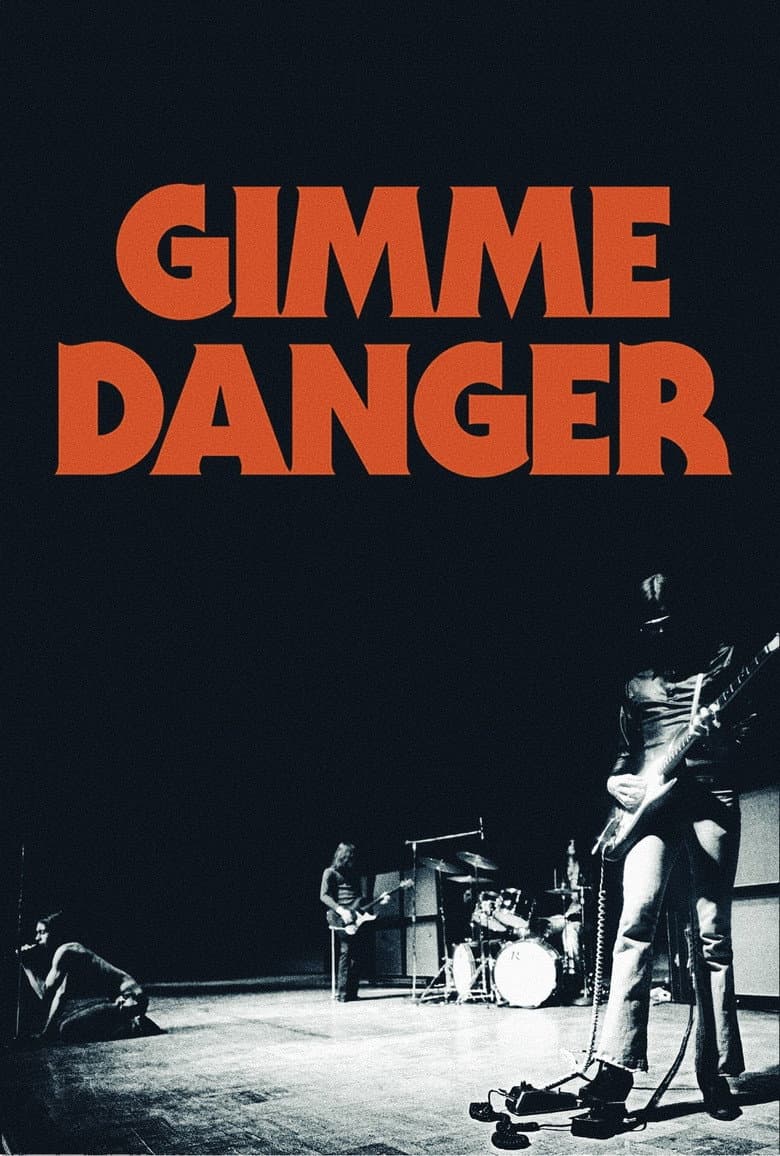
No other band in rock'n'roll history has rivaled The Stooges' combination of heavy primal throb, spiked psychedelia, blues-a-billy grind, complete with succinct angst-ridden…
