
Jab Harry Met Sejal follows Harinder “Harry” Singh Nehra, a lonely Punjabi tour guide who works across Europe. Sejal Zaveri is a lively Gujarati lawyer who stays behind after her family trip when she loses her engagement ring. Harry agrees to retrace the group’s route with her through Amsterdam, Prague, Budapest, Frankfurt, and Portugal. Their comic search becomes a romantic journey as Harry faces his past with women and Sejal questions the marriage her family expects in India. The film gives clear space to a woman choosing her own partner and deciding what she wants before marriage. Sejal openly discusses sex, consent, harassment, and legal protection, and she refuses to act like an engaged woman who must simply return home. She hides the ring because she wants the journey and the feelings between them to continue, then ends her engagement and chooses Harry. These ideas shape the main romance, but the film presents them through jokes, flirting, heartbreak, and a final marriage instead of a wider political campaign.
Community feedback
Was our 43% Woke rating accurate?
Breakdown
These are the editorial factors and ratings behind our score for Jab Harry Met Sejal.
Woke representation / casting
Not present. The cast follows the film’s Indian leads and European travel setting. Sejal’s Gujarati identity and Harry’s Punjabi identity are part of their backstories, not a diversity message. No broader representation focus is visible in the story.
0%
Woke political dialogue
Sejal openly talks about sex and physical contact before she travels with Harry. She uses her job as a lawyer to write a paper about possible legal charges. She later tells Harry that harassment is a legal offence. These scenes make consent, sexual choice, and legal protection visible, but the film presents them as jokes inside a romance rather than as a political speech.
28%
Identity-driven story themes
Sejal stays in Europe after her family leaves and chooses to keep traveling with a man she has just met. She moves from defending her engagement to admitting that she may leave her fiancé for Harry. She cancels the wedding when she decides that the expected match is not right for her. The film treats a woman’s freedom, love, and sexual choice as major parts of the romance, although it ends with marriage.
44%
Western institutional / cultural critique
Harry’s womanizing is shown as a serious personal flaw, and Sejal warns him about legal harassment. Sejal also pushes against the idea that an engaged woman must accept family expectations. The film does not build a wider attack on Western institutions, religion, capitalism, or conservative politics.
12%
Woke character or canon changes
Not relevant. The film is an original romance, not an adaptation with established characters. Its title echoes When Harry Met Sally, but it does not change that film’s characters or story.
0%
Anti-woke backlash and complaints
Not present. No sustained public complaint said the film pushed woke, DEI, or identity-politics ideas. No anti-woke complaints were found on X, and wider reaction focused on weak plot and mixed quality. The dispute over the word “intercourse” concerned certification and sexual language, not an anti-woke campaign.
0%
Creator track record context
Imtiaz Ali is the main creative voice, with a stored creator score of 58/100. His work often gives women strong roles and follows characters seeking freedom from social pressure. Gauri Khan’s stored score is 20/100, while both casting directors are stored at 8/100, so the wider team adds little activist context. Ali’s record is socially liberal but mostly personal and romantic rather than openly partisan.
58%
Production
Movie · 2016
Mia, an aspiring actress, serves lattes to movie stars in between auditions and Sebastian, a jazz musician, scrapes by playing cocktail party gigs in dingy bars, but as success…
Movie · 2023
Mira Ray, dealing with the loss of her fiancé, John, sends a series of romantic texts to his old cell phone number… not realizing the number was reassigned to Rob Burns' new work…

Movie · 2016
The unconventional love story of an aspiring actress, her ambitious driver, and their eccentric boss, the legendary billionaire Howard Hughes.
Movie · 2016
From Jane Austen’s novella, the beautiful and cunning Lady Susan Vernon visits the estate of her in-laws to wait out colorful rumors of her dalliances and to find husbands for…
Movie · 2023
Michelle and Allen, who have reached the point in their relationship where they are considering next steps, decide to invite their parents to finally meet and to offer some…
Movie · 2016
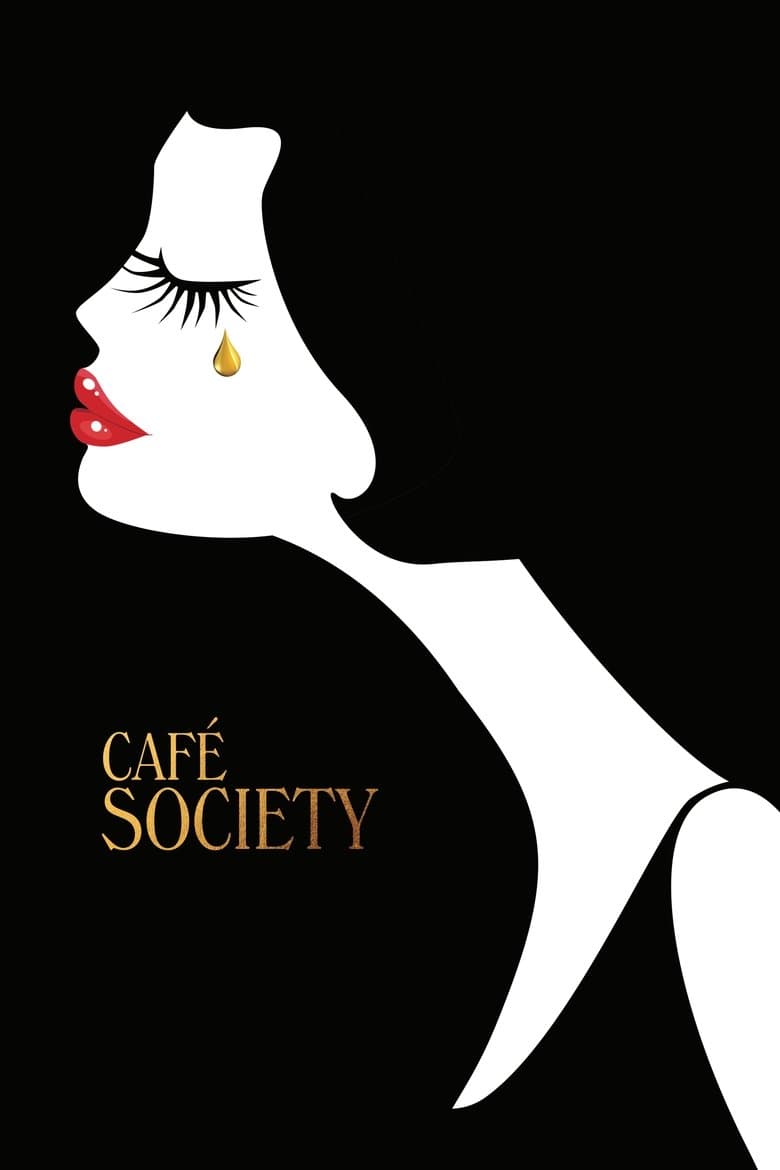
The story of a young man who arrives in Hollywood during the 1930s hoping to work in the film industry, falls in love, and finds himself swept up in the vibrant café society that…

Movie · 2016
A boy growing up in Dublin during the 1980s escapes his strained family life by starting a band to impress the mysterious girl he likes.

Movie · 2017
When a hapless but dedicated talent manager signs his first client who actually has talent, his career finally starts to take off.
