
Sandy Wexler follows a strange but loyal talent manager who works in Los Angeles during the 1990s. Sandy lies about his status and keeps a group of weak performers as clients because he treats them like family. His life changes when he hears Courtney Clarke, a young singer at a theme park, and signs her. Courtney becomes a major star, while Sandy struggles with her success, his poor advice, and his love for her. The movie uses a long, silly comedy style with a warm romance underneath.
The clearest identity element is Courtney's role as a black female singer who becomes the most gifted and successful person in Sandy's circle. The movie also puts Black performers in other visible music and sports roles, and it builds a romance between Courtney and her older white manager. One short music discussion calls her work good for women and strong, but the film does not build a political speech around that idea. The story mainly asks whether Sandy can stop lying, respect Courtney's career, and be honest about his feelings.
Community feedback
Was our 27% Woke rating accurate?
Breakdown
These are the editorial factors and ratings behind our score for Sandy Wexler.
Woke representation / casting
Courtney is a black female singer and the film's clearest star, while Black performers also hold visible rapper and wrestler roles. The central romance pairs Courtney with her older white manager. This gives the movie a clear identity mix in its main cast. The 1990s Los Angeles entertainment world makes the choices believable, and the interviews found do not present them as a diversity campaign, so the score stays low.
26%
Woke political dialogue
The film has one brief gender-positive comment during a discussion of Courtney's album. A character calls the music good for women and strong. The film does not repeat this idea or connect it to a political cause. Most dialogue is about show business, romance, lies, and comedy.
22%
Identity-driven story themes
The main story pairs Sandy, an older white male manager, with Courtney, a black female singer he discovers and guides. Courtney is the film's clearest talent, while Sandy is often foolish and she becomes a star beyond him. Their work relationship and interracial romance stay important through much of the film. The movie treats this as a sentimental show-business story, not as a lesson about race or gender.
31%
Western institutional / cultural critique
Not present. The movie jokes about Hollywood managers, record labels, fame, and rich people. It does not turn those jokes into a modern activist critique of Western institutions, family life, or traditional gender roles.
0%
Woke character or canon changes
Not relevant. The movie is a fictional comedy loosely inspired by Sandler's real manager. It changes his name and story for comedy, but it does not swap his race, sex, or sexuality.
0%
Anti-woke backlash and complaints
Not present. The separate X pass found no anti-woke reaction. News and audience discussion focused on comedy quality and the awkward romance. Race-related reviews called the manager a white savior, but they did not say the film was pushing woke or DEI ideas.
0%
Creator track record context
The director and writers are mainly known for broad comedy and show no clear pattern of identity activism. The film's only wider progressive context comes from Netflix producer Ted Sarandos and the company's diversity debate. No director or writer statement links this movie to DEI, queer, or activist goals.
8%
Production
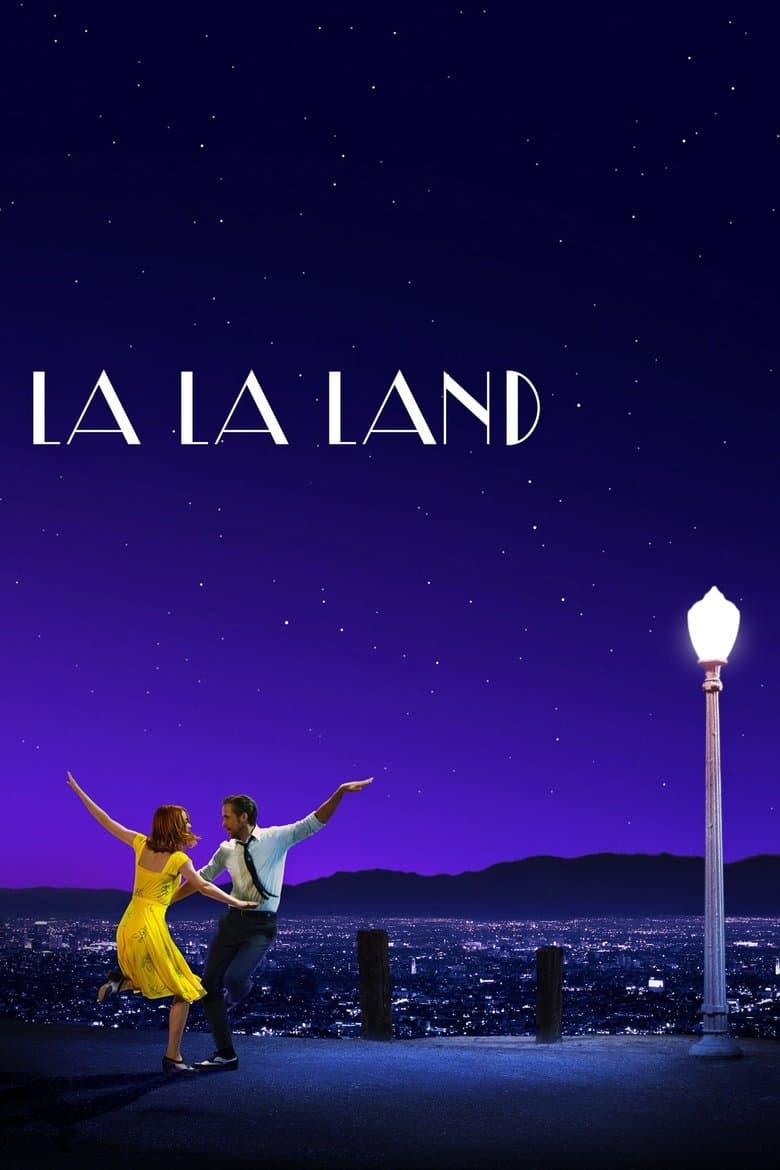
Movie · 2016
Mia, an aspiring actress, serves lattes to movie stars in between auditions and Sebastian, a jazz musician, scrapes by playing cocktail party gigs in dingy bars, but as success…
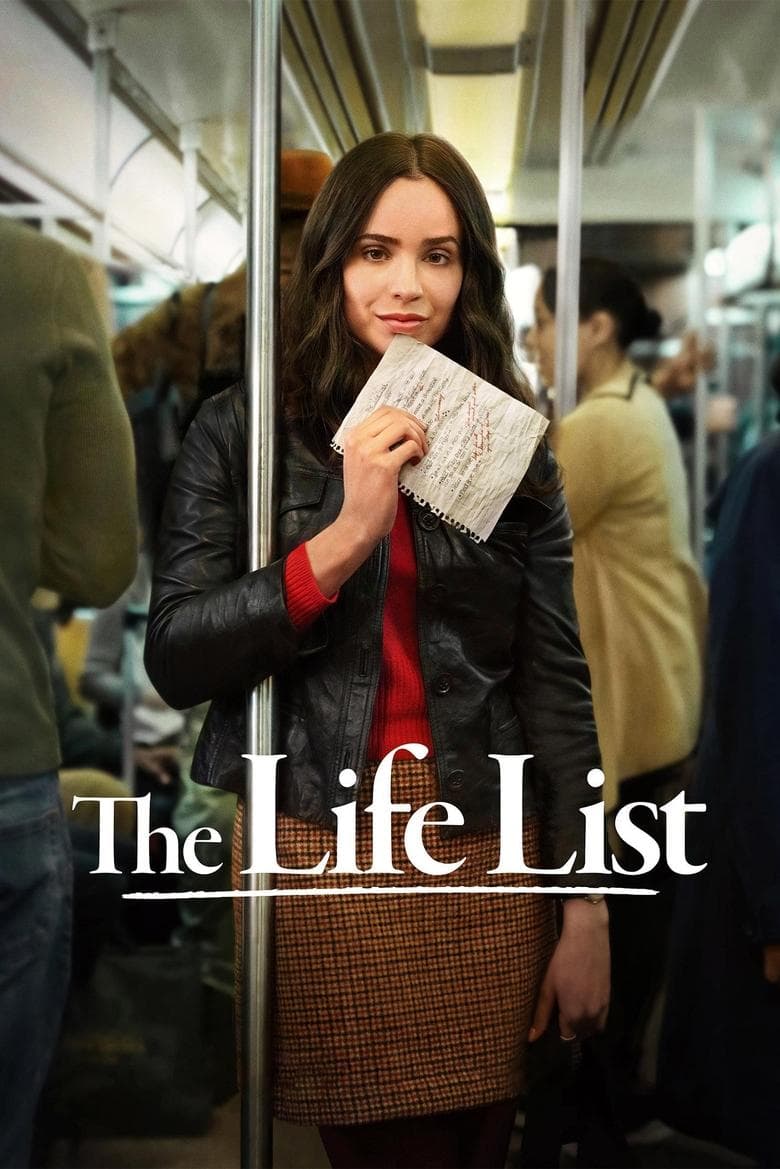
Movie · 2025
When her mother sends her on a quest to complete a teenage bucket list, a young woman uncovers family secrets, finds romance — and rediscovers herself.

Movie · 2016
From Jane Austen’s novella, the beautiful and cunning Lady Susan Vernon visits the estate of her in-laws to wait out colorful rumors of her dalliances and to find husbands for…
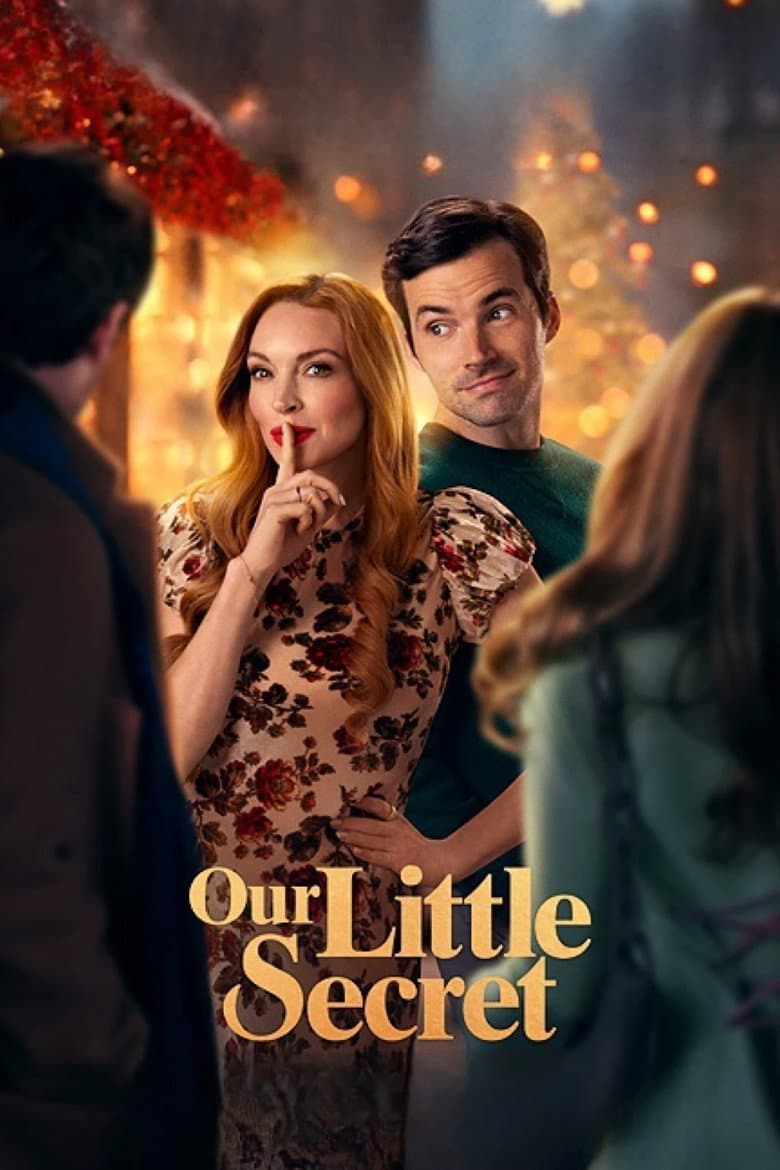
Movie · 2024
After discovering their significant others are siblings, two resentful exes must spend Christmas under one roof — while hiding their romantic history.
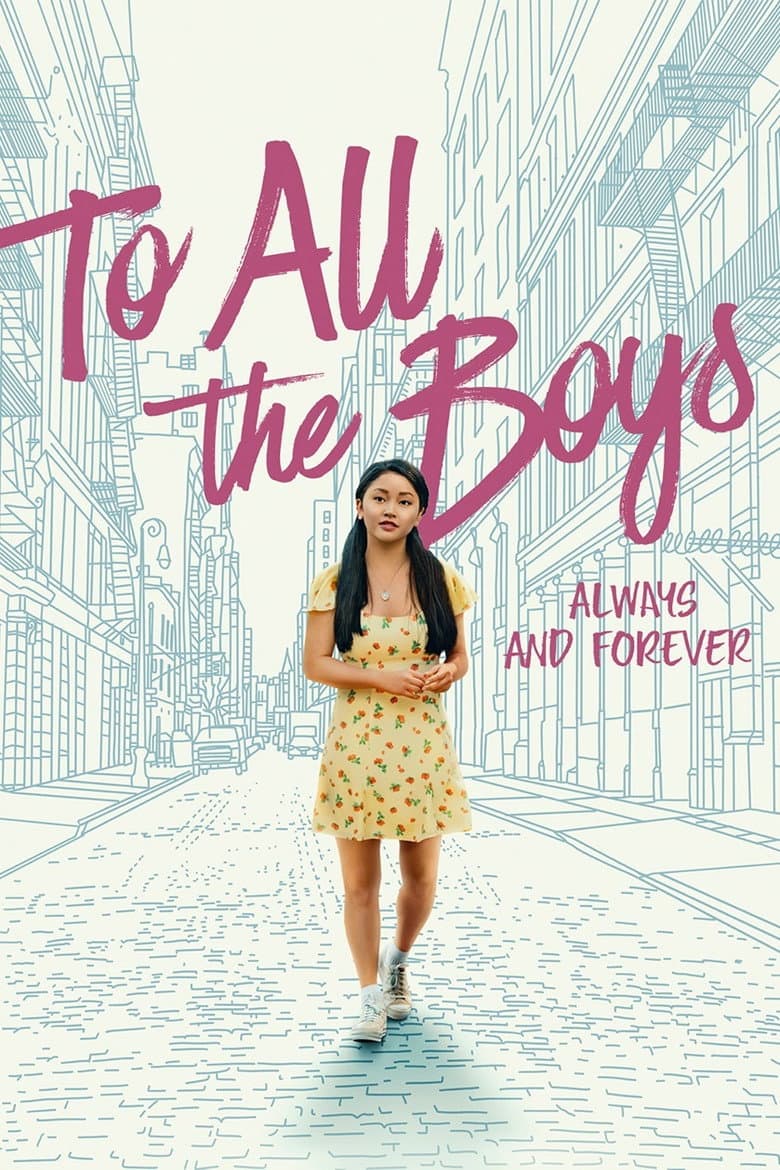
Movie · 2021
Senior year of high school takes center stage as Lara Jean returns from a family trip to Korea and considers her college plans — with and without Peter.
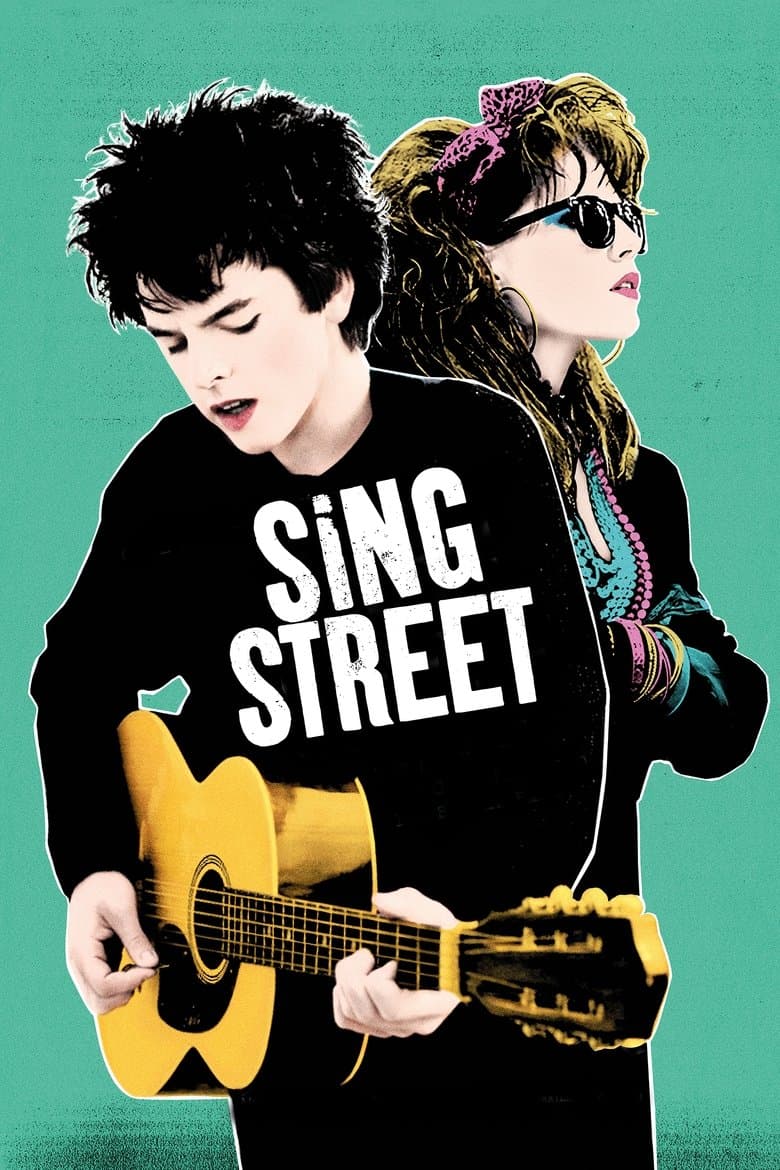
Movie · 2016
A boy growing up in Dublin during the 1980s escapes his strained family life by starting a band to impress the mysterious girl he likes.

Movie · 2016
The unconventional love story of an aspiring actress, her ambitious driver, and their eccentric boss, the legendary billionaire Howard Hughes.

Movie · 2023
Michelle and Allen, who have reached the point in their relationship where they are considering next steps, decide to invite their parents to finally meet and to offer some…
