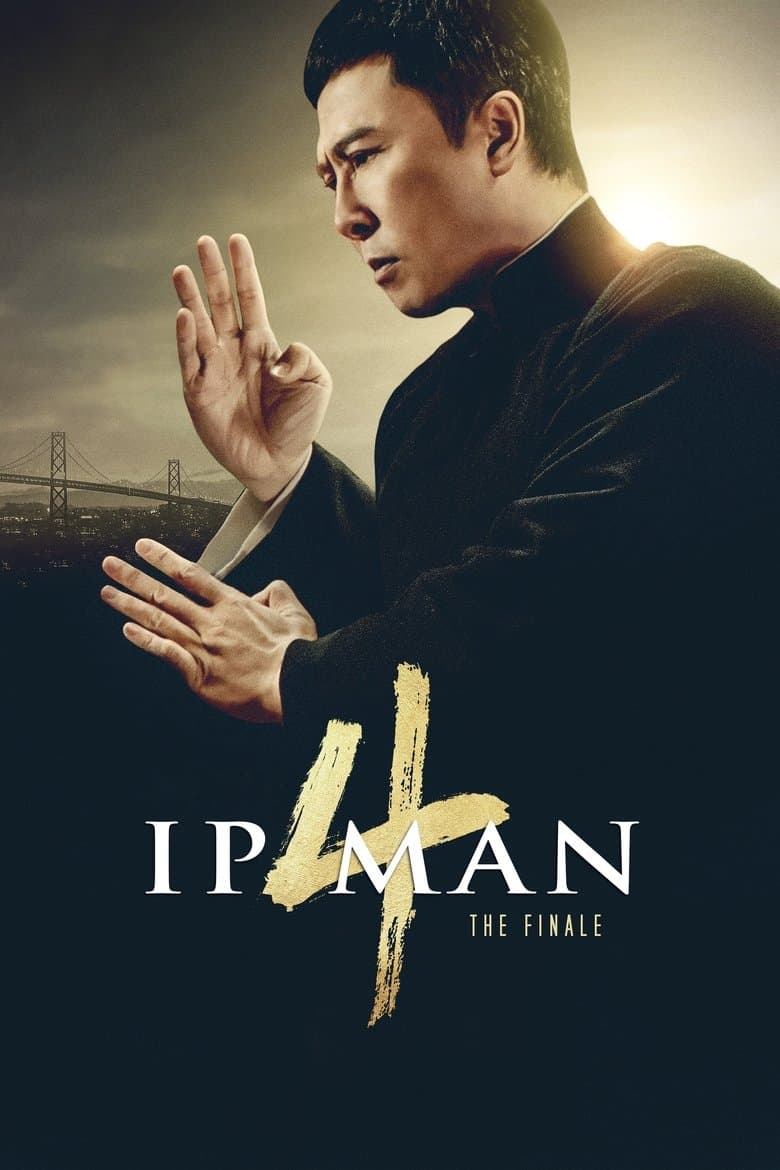
Set in 1964, the film follows Ip Man after his wife dies and he learns that he has throat cancer. He travels from Hong Kong to San Francisco to find a school for his troubled son and to meet his student Bruce Lee. Ip soon gets caught between Chinese kung fu masters, Bruce's open teaching style, and American officials and Marines who treat Chinese people as outsiders. The tone mixes hard martial arts fights with family pain, immigrant struggle, and a final farewell to a famous master.
The film makes racism and Chinese identity a large part of the story. A Chinese schoolgirl faces racist bullying, while the immigration service targets people in Chinatown and a Marine sergeant uses racist insults against Chinese and other non-white soldiers. Ip Man and Bruce Lee support sharing kung fu with non-Chinese students, while the Chinatown leaders first favor keeping the art within their own group. The film presents Chinese unity, cultural pride, and resistance to American prejudice as the moral answer, but Ip Man's cancer and his broken bond with his son remain equally important.
Community feedback
Was our 49% Woke rating accurate?
Breakdown
These are the editorial factors and ratings behind our score for Ip Man 4: The Finale.
Woke representation / casting
Not present. The Chinese leads and Chinatown masters fit the story's setting. The American characters fit the 1960s San Francisco and Marine setting, and the movie does not frame casting as a diversity statement.
0%
Woke political dialogue
The characters repeatedly discuss Chinese immigrants being treated unfairly in San Francisco. The CBA members argue about whether kung fu should be taught to non-Chinese students. The villains use direct racist insults and demand that Chinese residents be sent away. Ip Man says martial arts should help change bias, so the issue receives a clear moral answer.
45%
Identity-driven story themes
The story makes Chinese identity and acceptance a major part of Ip Man's trip to San Francisco. Yonah faces racist bullying, while the CBA tries to protect Chinatown and keep kung fu within the Chinese community. Bruce Lee argues for teaching non-Chinese people, and Ip Man supports him. The final fights turn these identity conflicts into the film's moral test, while Ip Man's illness and his troubled bond with his son remain major parts of the story.
48%
Western institutional / cultural critique
The movie presents the immigration service as a tool used to target Chinese residents in Chinatown. A Marine sergeant uses military power to abuse Asian and other non-white soldiers. White students and parents also treat Chinese people as outsiders. The period story is shaped to echo modern arguments about immigration and American nationalism, but it does not attack every Western institution.
43%
Woke character or canon changes
Not relevant. The film keeps Ip Man and Bruce Lee as Chinese men. The invented American villains and fictional fights add story material without changing an established identity.
0%
Anti-woke backlash and complaints
Two small X accounts called the movie full of woke talking points or complained that it packed in too much racism, but the posts had no reach. Other viewers on Reddit, Letterboxd, and Rotten Tomatoes called it communist or anti-American propaganda because it shows Chinese people facing white racism. The Epoch Times review also said the film promotes racism against white people. The complaints appeared in several places, but they stayed scattered and did not create a large boycott or major news cycle. The Hong Kong boycott targeted the creators' pro-Beijing politics, so it is not counted as anti-woke backlash.
30%
Creator track record context
The cached creator context shows mainly martial arts and commercial Hong Kong film careers. Yuen Woo-Ping has a score of 5, Wilson Yip and the four writers have 0, and Raymond Wong has 10. Raymond Wong's foundation funds film and Chinese medicine scholarships, which is a small social signal. The records show no clear DEI, queer, or activist campaign by the key creators.
5%
Production
Movie · 2021
A widowed farmer and his son warily take in a mysterious, injured man with a satchel of cash. When a posse of men claiming to be the law come for the money, the farmer must decide…
Movie · 2020
A first-time captain leads a convoy of allied ships carrying thousands of soldiers across the treacherous waters of the "Black Pit" to the front lines of WWII.
Movie · 2017
May, 1980. Man-seob is a taxi driver in Seoul who lives from hand to mouth, raising his young daughter alone.
Movie · 2019
Vietnam War, 1966. Australia and New Zealand send troops to support the United States and South Vietnamese in their fight against the communist North.
Movie · 2020
The incredible true story of Vietnam War hero William H. Pitsenbarger, a U.S. Air Force Pararescuemen medic who personally saved over sixty men.
Movie · 2019
American car designer Carroll Shelby and the British-born driver Ken Miles work together to battle corporate interference, the laws of physics, and their own personal demons to…
Movie · 2019
Following the roguish terrorist attacks at Uri Army Base camp in Kashmir, India takes the fight to the enemy, in its most successful covert operation till date with one and only…
Movie · 2018
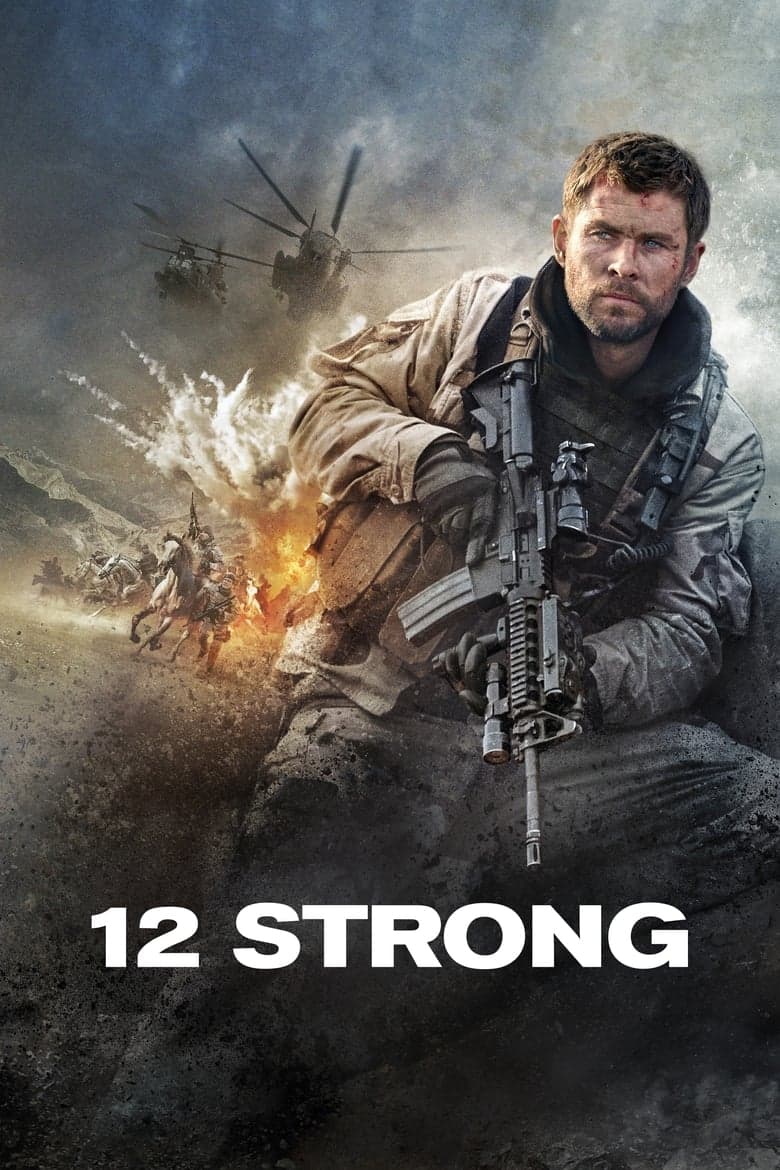
A team of special forces head into Afghanistan in the aftermath of the September 11th attacks in an attempt to dismantle the Taliban.
