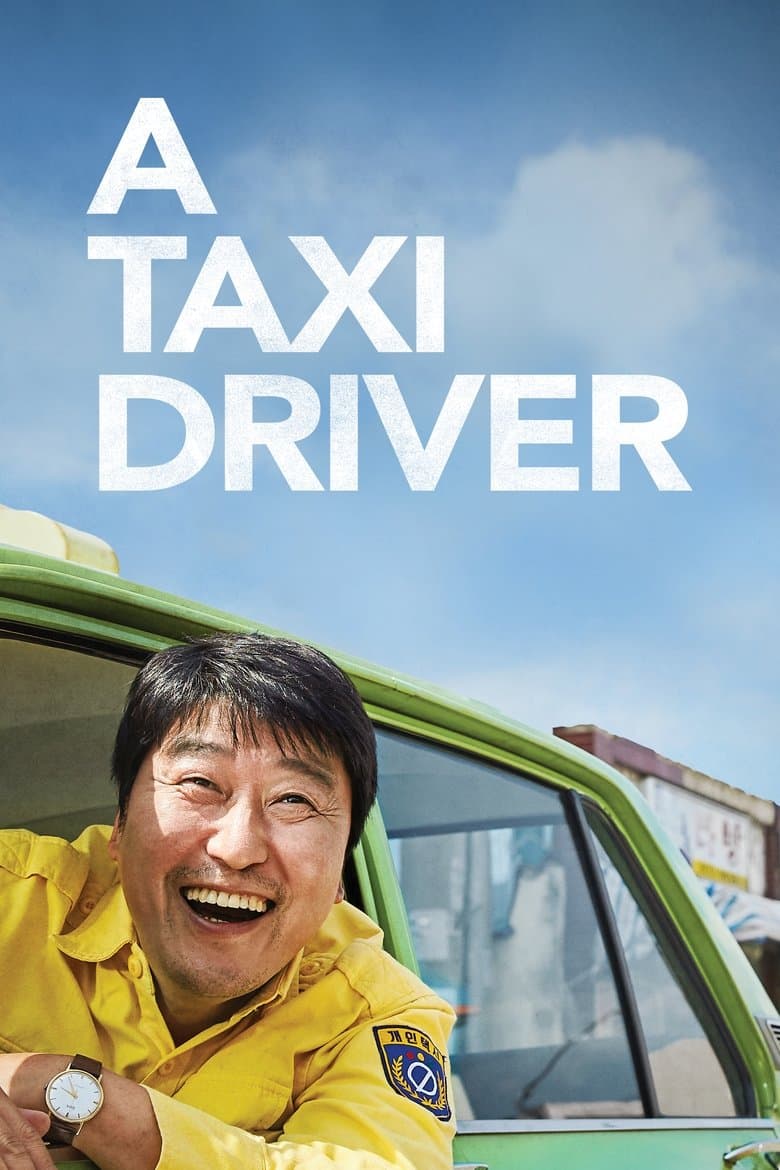
A Taxi Driver follows Kim Man-seob, a widowed Seoul taxi driver who is behind on rent and raising his young daughter. In May 1980, he takes German reporter Jürgen Hinzpeter to Gwangju because the fare can solve his money problems. Soldiers cut the city off, and Man-seob slowly learns that the government is hiding a violent attack on civilians. The film begins with jokes and daily trouble, then turns into a tense and painful escape story.
Man-seob starts as a selfish man who wants to finish the trip and return home, but the suffering he sees changes him. He returns to Gwangju after hearing false news reports and helps Hinzpeter record the killings and get his footage out of the country. The story praises truth, courage, democracy, and ordinary people who protect strangers during a crisis. It also shows students, local taxi drivers, families, and a foreign reporter joining together against soldiers and news control.
Community feedback
Was our 13% Woke rating accurate?
Breakdown
These are the editorial factors and ratings behind our score for A Taxi Driver.
Woke representation / casting
Not present. The Korean roles are played by Korean actors, and the German reporter is played by a German actor. The film does not use a diversity-first cast or identity message.
0%
Woke political dialogue
Not present. The characters discuss the uprising, press freedom, truth, and military violence. Those subjects belong to the 1980 event and do not create modern identity, gender-role, or DEI messaging.
0%
Identity-driven story themes
Not present. The story centers on a working man's moral change, a reporter's duty, and citizens helping one another. The film does not build its message around race, sex, sexuality, or modern identity politics.
0%
Western institutional / cultural critique
Not present. The film condemns a South Korean military government and its control of the news during a historical crisis. It does not attack Western institutions, Christianity, family life, or traditional gender roles through modern activist framing.
0%
Woke character or canon changes
Not relevant. The film invents parts of Man-seob's home life and journey. Those changes concern drama, not a character's race, gender, sexuality, or place in the story.
0%
Anti-woke backlash and complaints
One South Korean political dispute involved a former Chun Doo-hwan aide who called the uprising a riot and threatened legal action over alleged distortion. He had not seen the film, so his claim was untested. A conservative family-review site called the movie humanist, Marxist, and politically correct, and one audience review called it liberal propaganda. These complaints did not become a boycott, review-bombing campaign, or major anti-woke news cycle. X research found no anti-woke complaints.
20%
Creator track record context
Jang Hoon has repeatedly made films about political violence and contested Korean history. Eom Yu-na often writes about ordinary people resisting oppression and protecting cultural identity. Park Un-kyoung has backed similar historical stories, while You Jeong-hun and Bo Rosenmüller have broad commercial records. This gives the project a moderate history and social-justice context, but not a strong modern DEI or activist profile.
44%
Production

Movie · 2021
After a blood- soaked jujitsu match in Dubai, fighting legend Mickey Kelley falls to superstar Blaine. But years later, an online video proves that Blaine cheated, and the world…
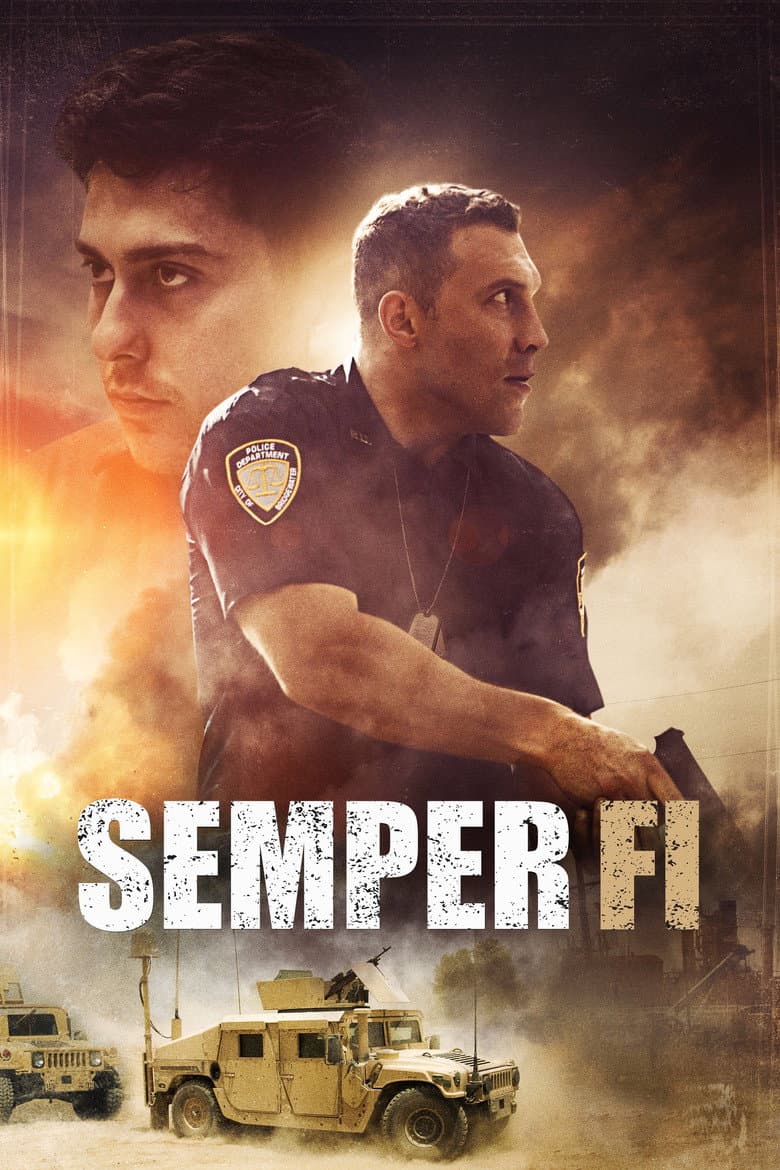
Movie · 2019
Cal is a dedicated cop who also serves as a sergeant in the Marine Corps Reserve. When his reckless half brother lands in jail for accidentally killing a man, Cal and his buddies…

Movie · 2018
One year after the events of "Kickboxer: Vengeance", Kurt Sloan has vowed never to return to Thailand. However, while gearing up for a MMA title shot, he finds himself sedated and…
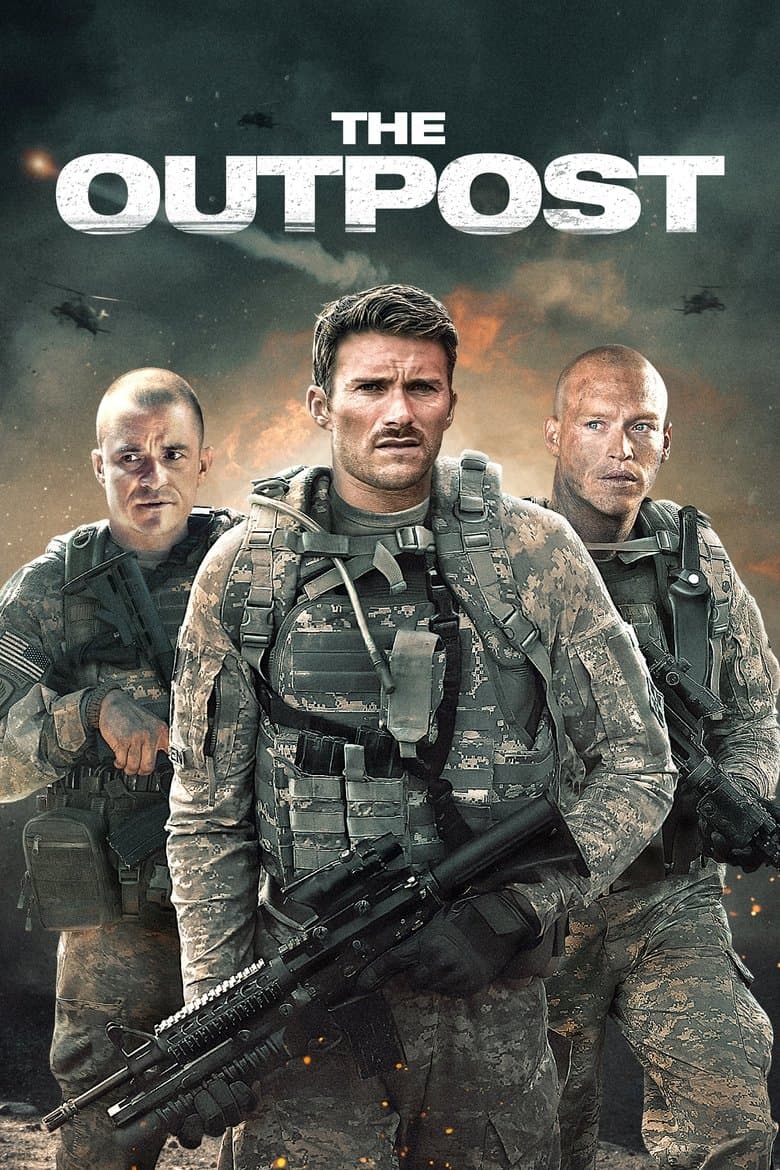
Movie · 2020
A small unit of U.S. soldiers, alone at the remote Combat Outpost Keating, located deep in the valley of three mountains in Afghanistan, battles to defend against an overwhelming…
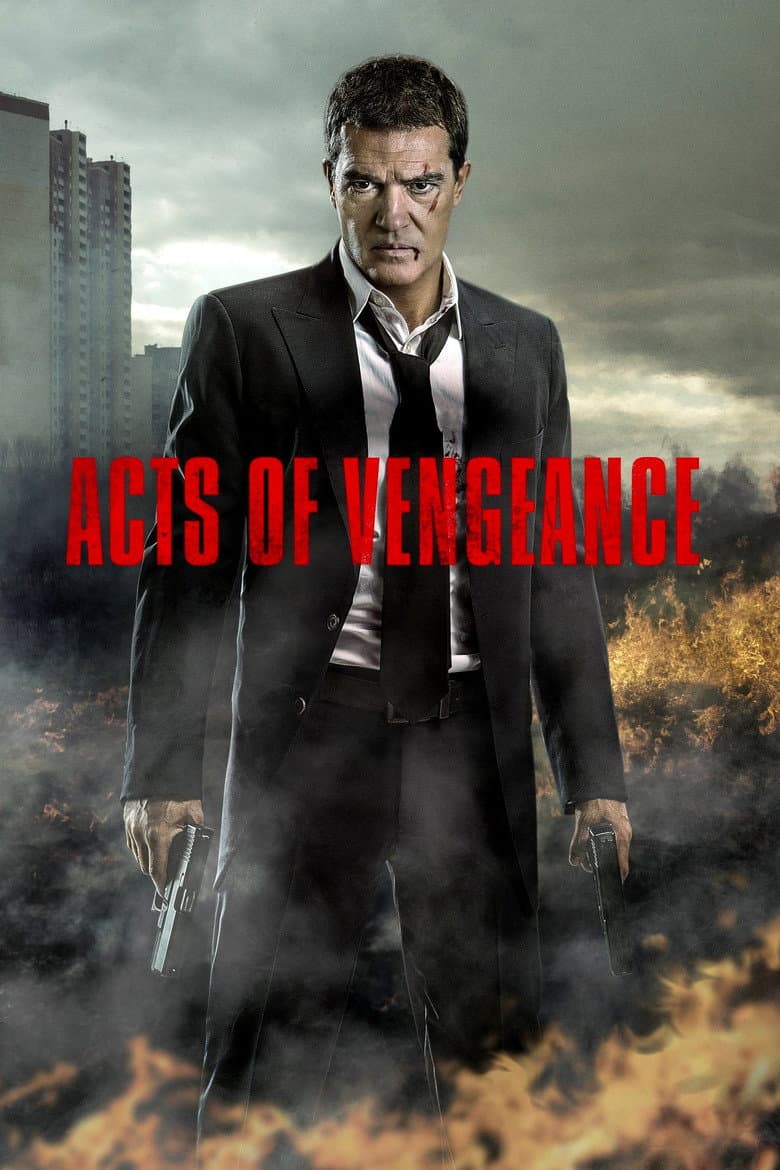
Movie · 2017
A fast-talking lawyer transforms his body and takes a vow of silence, not to be broken until he finds out who killed his wife and daughter and has his revenge.
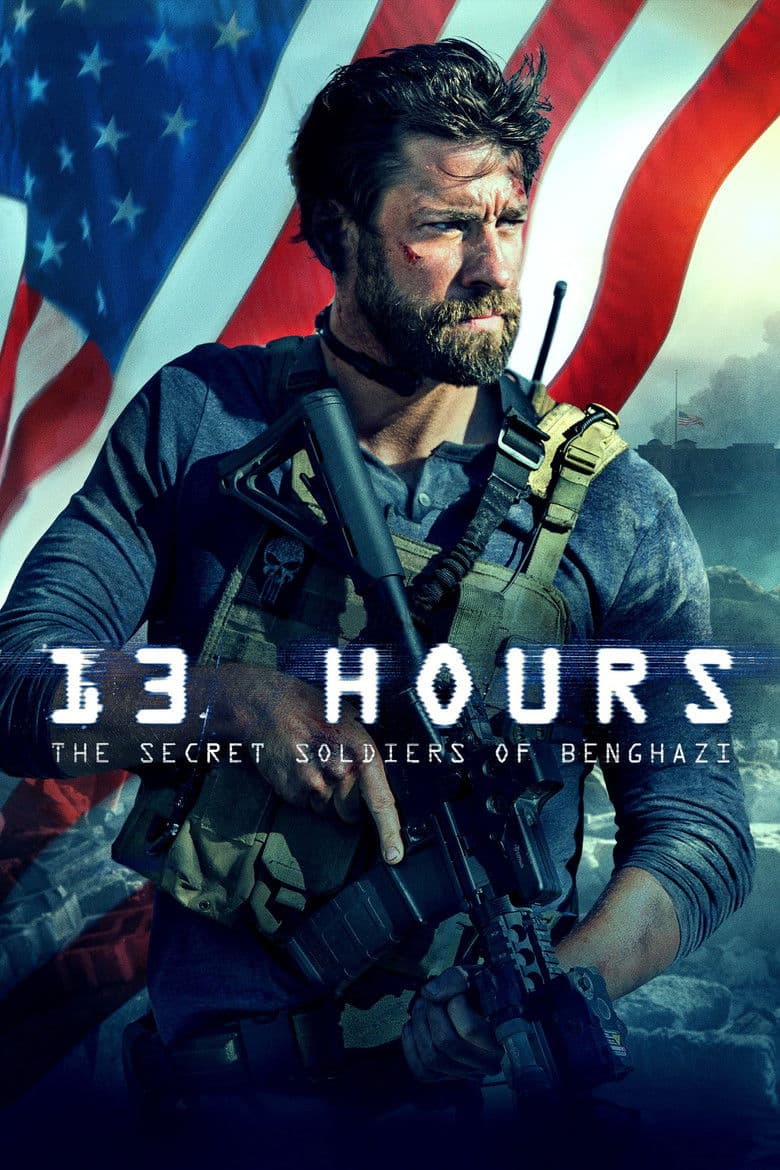
Movie · 2016
An American Ambassador is killed during an attack at a U.S. compound in Libya as a security team struggles to make sense out of the chaos.

Movie · 2017
Set in a dugout in Aisne in 1918, a group of British officers, led by the mentally disintegrating young officer Stanhope, variously await their fate.
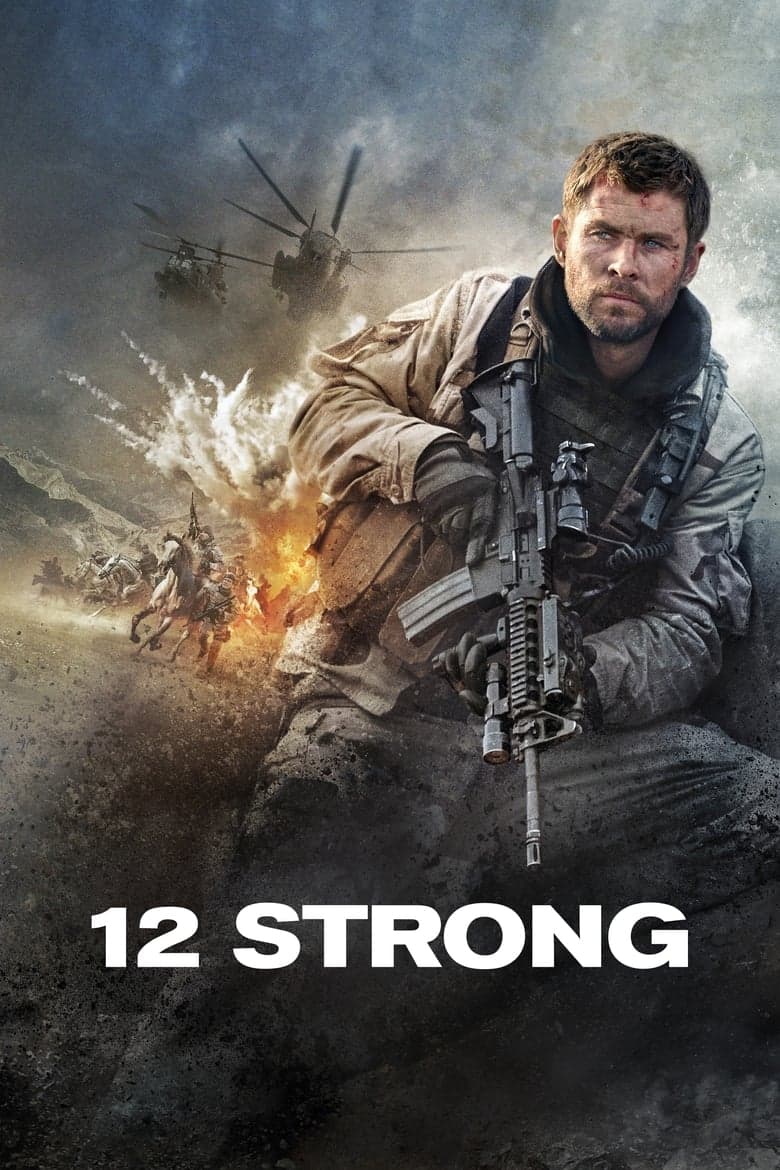
Movie · 2018
A team of special forces head into Afghanistan in the aftermath of the September 11th attacks in an attempt to dismantle the Taliban.
