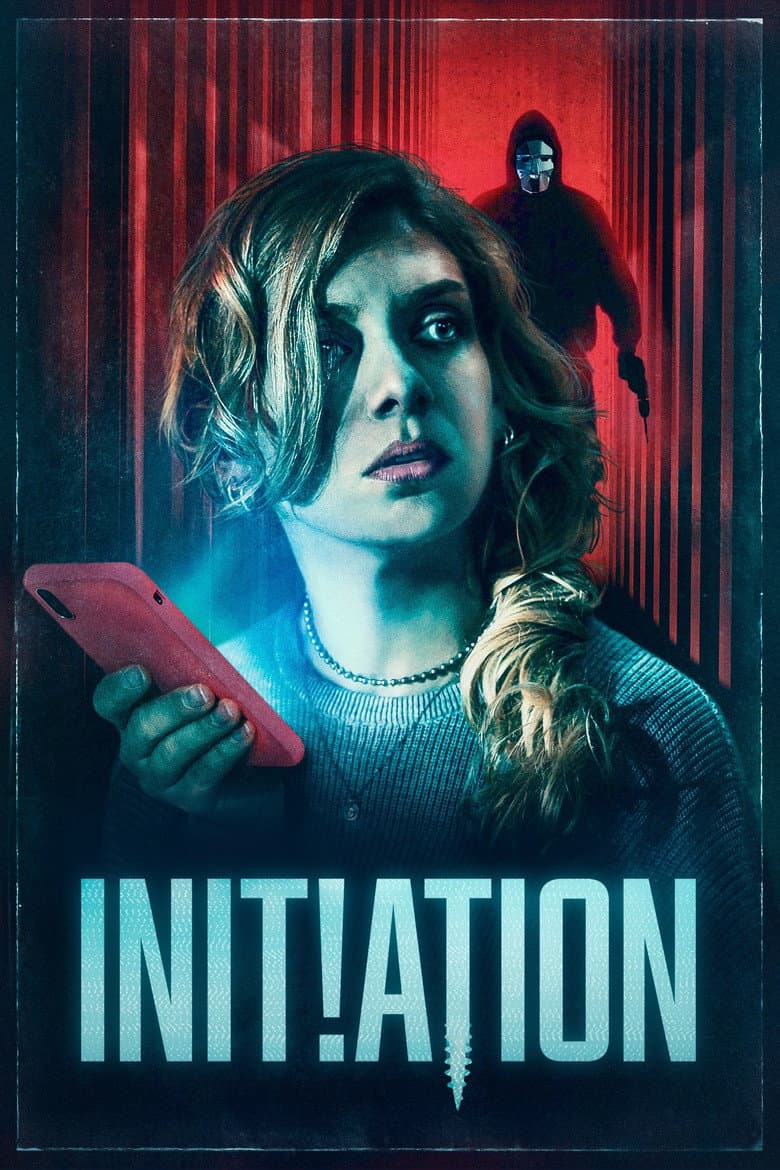
Ellery Scott leads the story as a biology student and senior sorority member at Whiton University. During pledge week, her friend Kylie wakes after a party with little memory of what happened in a fraternity room, while Ellery's brother Wes may be involved. A masked killer then hunts fraternity members and people tied to the school's hidden cover-up. Ellery must work through grief, doubt, and danger as she searches for the truth. The film uses a slow, serious campus mystery before turning into a bloody slasher.
The film makes sexual assault, consent, online shaming, and male status games the heart of its story. Fraternity members use an exclamation mark to label girls after sex, and social media spreads the shame through the school. The university protects a star athlete and its own name instead of facing earlier accusations, so the story presents male entitlement and institutional failure as linked problems. Ellery and other women take the lead in investigating the danger, while many of the men are suspects, abusers, or targets. These ideas drive the mystery, the killings, and the final reveal.
Community feedback
Was our 74% Woke rating accurate?
Breakdown
These are the editorial factors and ratings behind our score for Init!ation.
Woke representation / casting
Ellery and Kylie are central women, and a woman detective has a major role. The film repeatedly places women in the roles of sorority leaders, investigators, and survivors while many men are suspects, abusers, or victims. The director publicly said he wanted dynamic female leads, a female voice, and some gender swapping in the slasher format. The college setting allows a mixed cast, but the repeated female-role pattern is the main audience-visible choice.
35%
Woke political dialogue
The fraternity explains a rule that marks women as sexual conquests and labels them with insulting posts. Characters repeatedly discuss whether Kylie was assaulted, Wes's earlier allegation, and the university's choice to protect its image. The story presents those practices as harmful and treats the women's concerns as serious. The dialogue supports the main mystery without becoming a long political speech.
42%
Identity-driven story themes
The story centers on sexual assault, consent, online shaming, and a fraternity culture that treats women as trophies. Ellery and Kylie investigate while the university protects a star athlete and its reputation. The killer's revenge is tied to earlier rapes and the school's cover-up, so the movie keeps returning to male entitlement and institutional failure. The film also reverses common slasher roles by making women active leads and men the main targets.
70%
Western institutional / cultural critique
Whiton leaders downplay assault claims and protect donor and alumni interests. Fraternity traditions are shown as misogynistic, and male status is tied to shaming women. The story presents the university and its leaders as part of the problem instead of neutral protectors. The critique focuses on campus power and gender rules rather than Christianity or broad anti-capitalist ideas.
61%
Woke character or canon changes
The feature expands the earlier short film Dembanger, which centered on a male teenager stalked because of information posted online. The feature shifts the main focus to female college students and a campus assault story. Berardo also said he wanted to gender-swap slasher roles. The change matters to the film's message, but the property is not a major legacy franchise.
30%
Anti-woke backlash and complaints
Not present. The supplied X pass found no anti-woke reaction. Reddit, news, and review coverage focused on pacing, gore, the twist, and the assault story instead of calling the film woke or political.
0%
Creator track record context
John Berardo has a medium record of social-issue horror and representation-aware work. Lindsay LaVanchy often works with women facing violence, power, and survival. Brian Frager and most producers have little public evidence of identity-driven activism, while Jon Huertas has a mild political record. The film's themes match Berardo and LaVanchy's known work, so the creator context is meaningful but mixed.
42%
Production

Movie · 2017
Law enforcement finds itself chasing the ghost of a man dead for over a decade, embroiled in a diabolical new game that's only just begun.

Movie · 2025
A woman's obsessive search for her missing sister leads her into a terrifying mystery at the hands of an unknown evil.
Movie · 2021
Reeling from the unexpected death of her husband, Beth is left alone in the lakeside home he built for her. Soon she begins to uncover her recently deceased husband's disturbing…

Movie · 2025
Plagued by a violent recurring nightmare, college student Stefanie heads home to track down the one person who might be able to break the cycle and save her family from the grisly…
Movie · 2021
Paranormal investigators Ed and Lorraine Warren encounter what would become one of the most sensational cases from their files.
Movie · 2018
The crew of a horror web series travels to an abandoned asylum for a live broadcast, but they encounter much more than expected as they move deeper inside the nightmarish old…
Movie · 2025
One year after her sister Melanie mysteriously disappeared, Clover and her friends head into the remote valley where she vanished in search of answers.
Movie · 2023
After a Black Friday riot ends in tragedy, a mysterious Thanksgiving-inspired killer terrorizes Plymouth, Massachusetts - the birthplace of the holiday.
