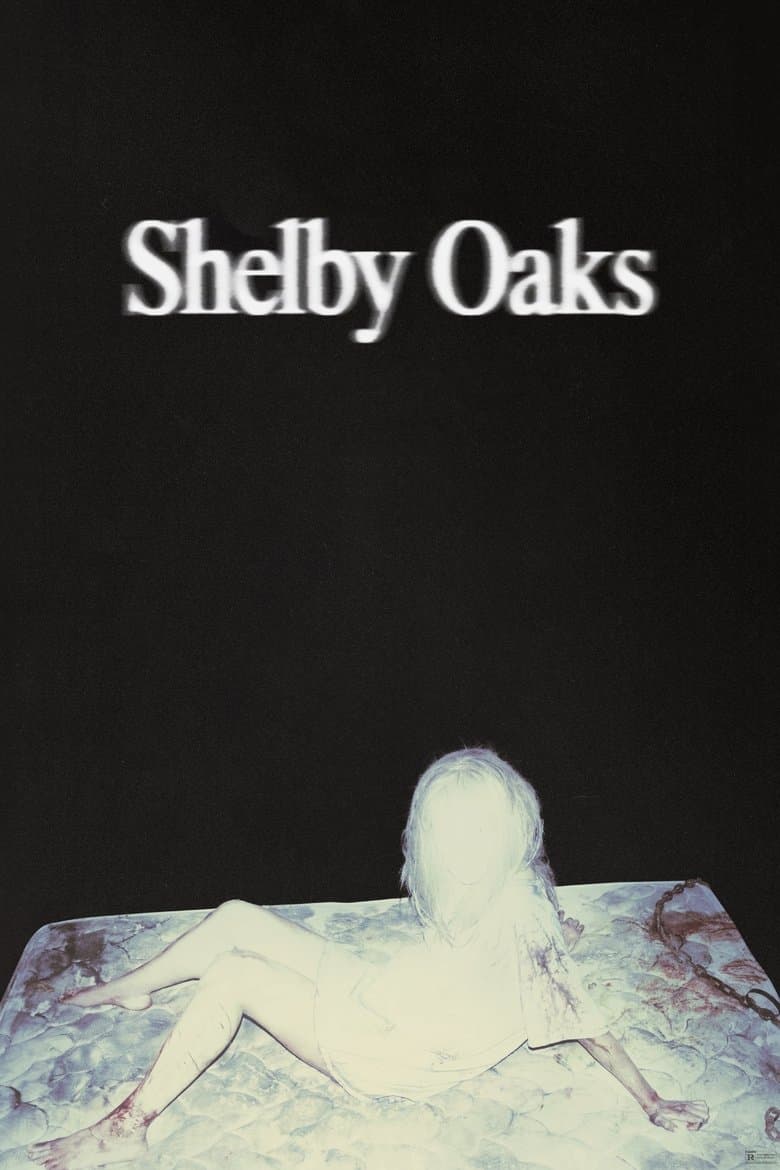
Shelby Oaks follows Mia, a woman who refuses to believe that her younger sister Riley is dead. Riley vanished twelve years earlier with the Paranormal Paranoids, a small YouTube ghost-hunting team that entered the abandoned town of Shelby Oaks in Ohio. Mia studies old tapes, interviews witnesses, and follows clues through a prison, an amusement park, and a lonely house. The movie shifts from found footage, interviews, and news reports to a dark supernatural thriller with bloody violence and a bleak tone.
The story treats family as a place that should feel safe but becomes the source of fear. It links the sisters' childhood nightmares to a demon named Tarion and to a long chain of control. Riley's captivity, forced pregnancy, and fight over her baby create the film's strongest adult fears. The ending turns Mia's rescue mission into another trap, leaving both sisters broken and the evil still in control.
Community feedback
Was our 5% Woke rating accurate?
Breakdown
These are the editorial factors and ratings behind our score for Shelby Oaks.
Woke representation / casting
Not present. Mia and Riley hold the main roles, while black actors play supporting roles such as a detective and a prison warden. The movie does not frame race, sex, or diversity as a message.
0%
Woke political dialogue
Not present. Characters talk about missing people, demons, family, faith, and fear. The movie does not use current political speeches or party issues.
0%
Identity-driven story themes
Not present. Mia's search centers on family loss, childhood trauma, captivity, and a supernatural threat. The movie does not turn these events into a message about race, sex, gender politics, or social groups.
0%
Western institutional / cultural critique
Not present. The police fail to solve Riley's disappearance, and the family suffers from fear and loss. The story treats these as parts of the mystery rather than an attack on men, families, religion, or Western institutions.
0%
Woke character or canon changes
Not relevant. The film is an original horror story that grew out of a fictional online campaign. It does not change a known character, historical figure, or famous story into a different identity.
0%
Anti-woke backlash and complaints
Not present. The separate X search found no anti-woke reaction. Wider posts and reviews discuss scares, quality, pacing, and the format shift instead of DEI or identity politics.
0%
Creator track record context
Chris Stuckmann has mild identity-related creator context through his public personal story. Mike Flanagan has a stronger history of LGBTQ+ characters and institutional criticism in other work. Giles Daoust has supported workplace diversity, while most other listed creators have little documented activist history. Interviews frame this film around family, faith, and childhood trauma.
24%
Production
Movie · 2018
Following the death of the Leigh family matriarch, Annie and her children uncover disturbing secrets about their heritage.
Movie · 2018
The crew of a horror web series travels to an abandoned asylum for a live broadcast, but they encounter much more than expected as they move deeper inside the nightmarish old…
Movie · 2016
Father and son coroners receive a mysterious unidentified corpse with no apparent cause of death. As they attempt to examine the "Jane Doe," they discover increasingly bizarre…
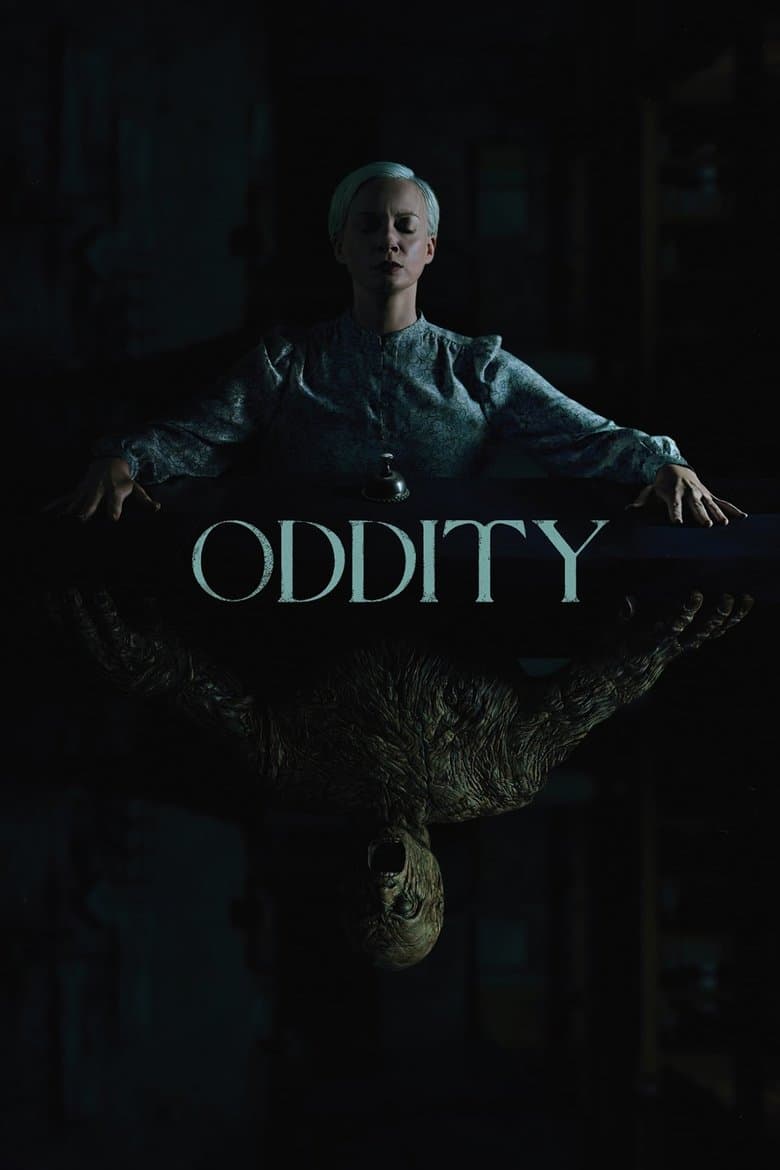
Movie · 2024
After the brutal murder of her twin sister, Darcy goes after those responsible by using haunted items as her tools for revenge.
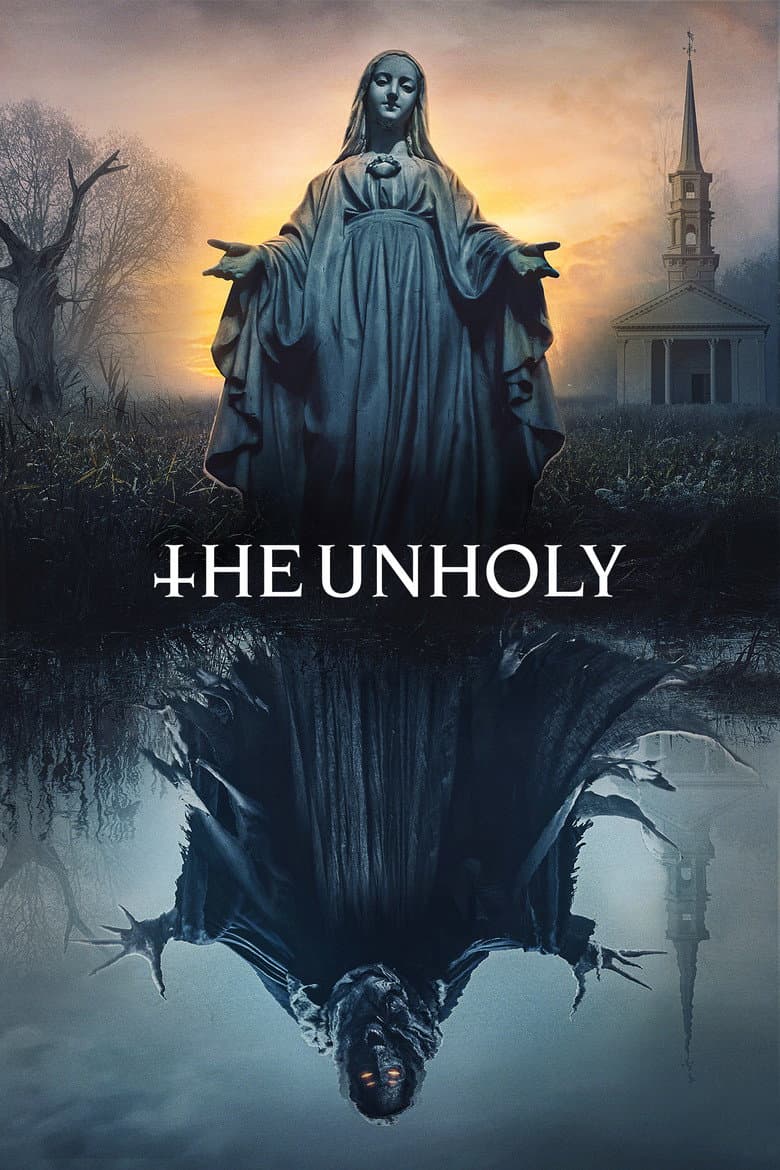
Movie · 2021
Alice is a young hearing-impaired girl who, after a supposed visitation from the Virgin Mary, is inexplicably able to hear, speak and heal the sick.
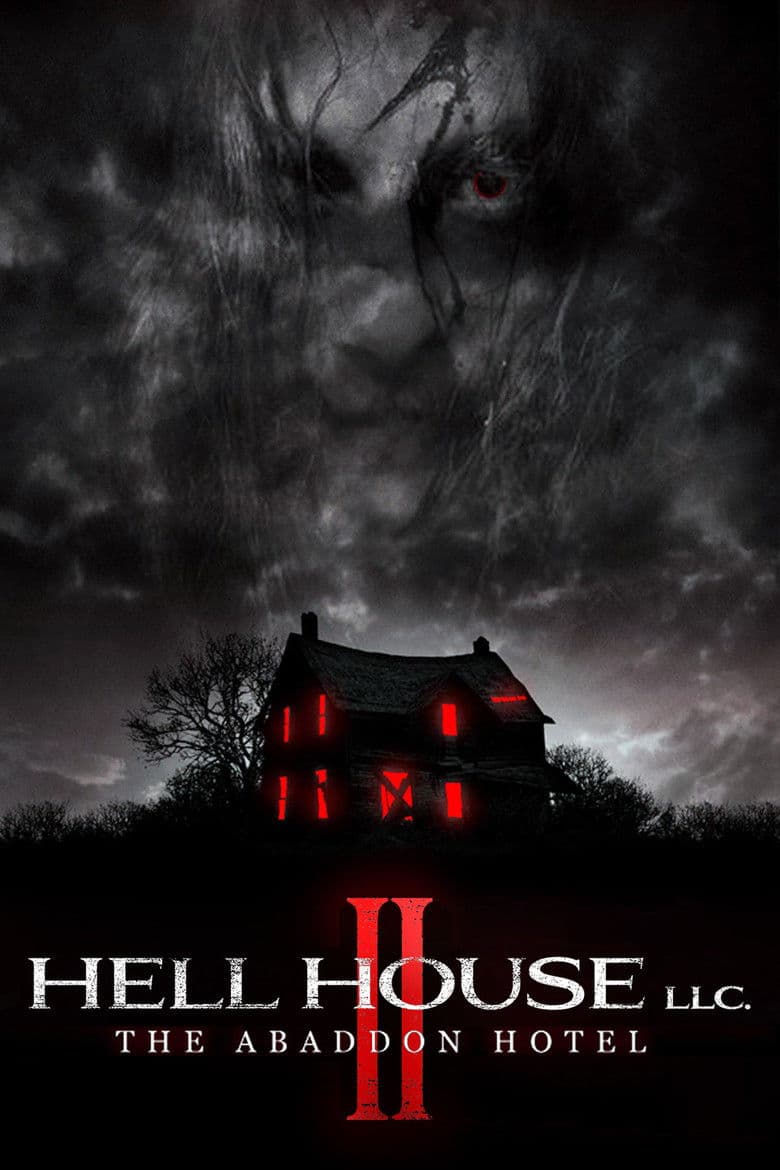
Movie · 2018
Eight years after the opening night tragedy of HELL HOUSE LLC, many unanswered questions remain. Thanks to an anonymous tip, an investigative journalist is convinced that key…
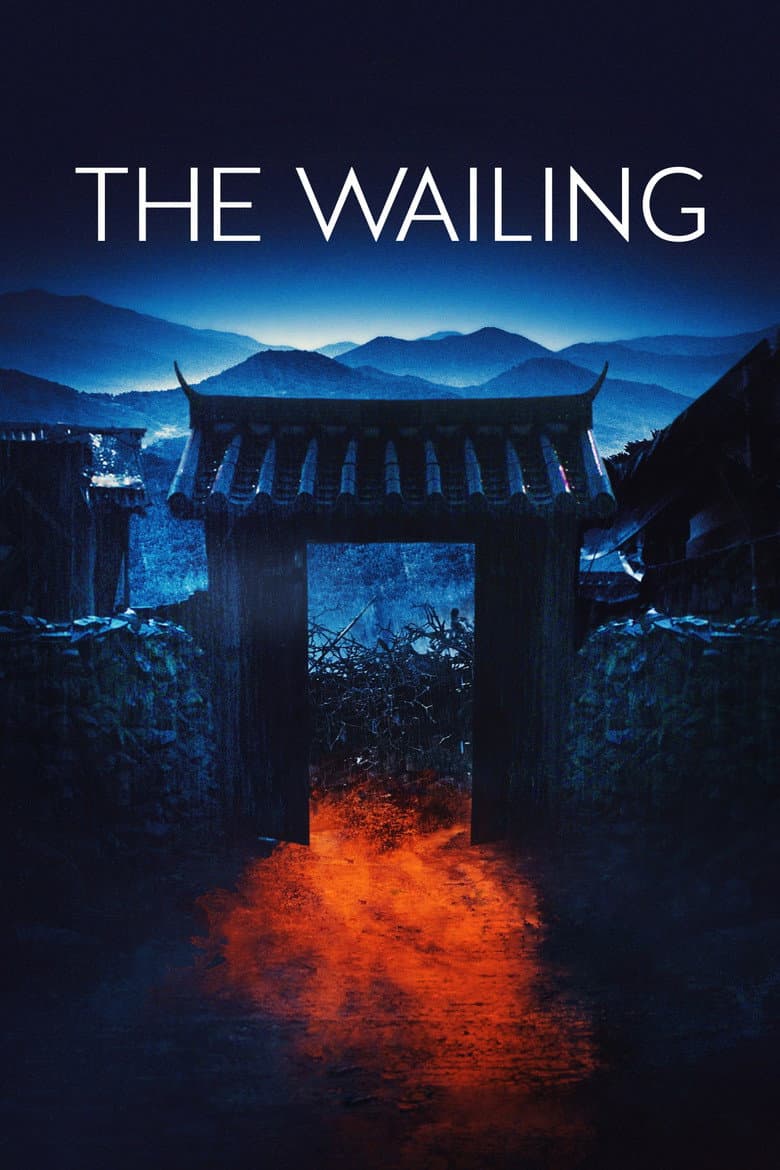
Movie · 2016
A stranger arrives in a little village and soon after a mysterious sickness starts spreading. A policeman is drawn into the incident and is forced to solve the mystery in order to…
Movie · 2022
After witnessing a bizarre, traumatic incident involving a patient, Dr. Rose Cotter starts experiencing frightening occurrences that she can't explain.
