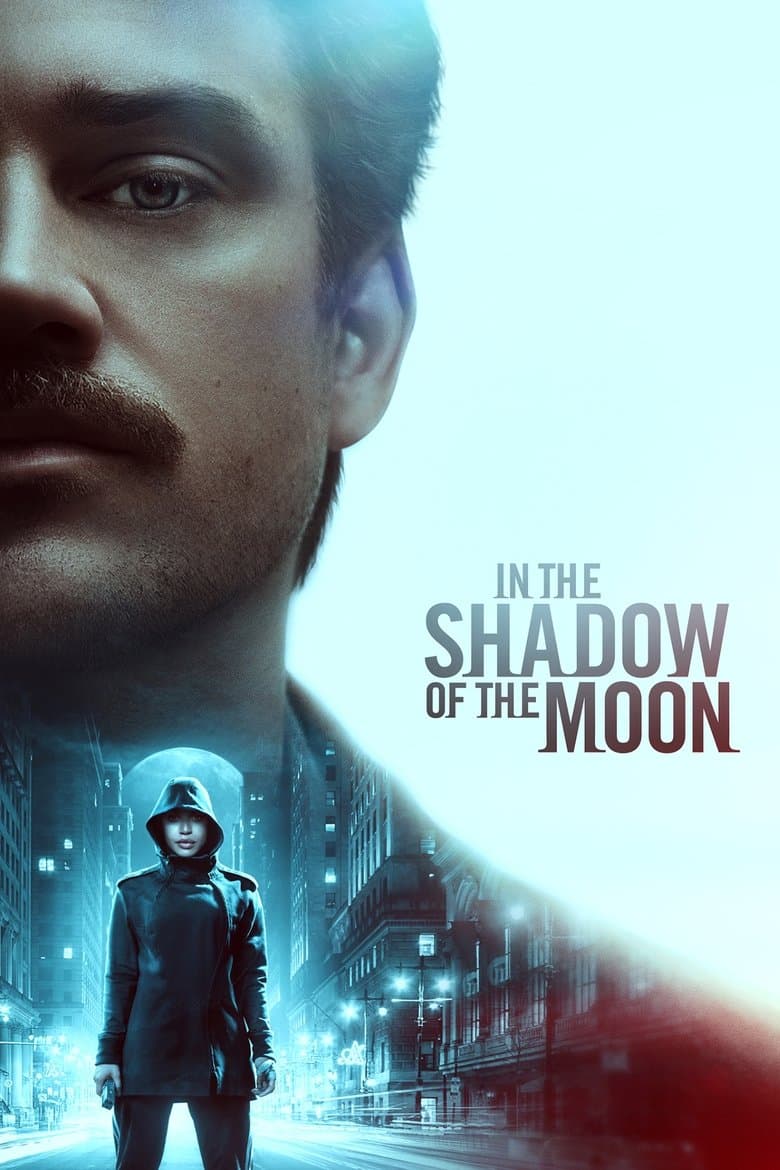
In 1988 Philadelphia, a beat cop obsessed with becoming a detective tracks a serial killer whose bizarre murders defy explanation and appear to involve time travel. The story jumps forward in nine-year increments as the officer’s life unravels, revealing his own past ties to a white nationalist militia and a future civil war sparked by extremist violence. The narrative uses its sci-fi premise to center white nationalism and racial hate as the root cause of societal collapse, framing targeted assassinations of ideological “influencers” across time as a justified moral act to prevent mass death and civil conflict.
Community feedback
Was our 60% Woke rating accurate?
Breakdown
These are the editorial factors and ratings behind our score for In the Shadow of the Moon.
Woke representation / casting
Visible diversity in prominent roles, including a black actress as the central competent time-traveling assassin figure and a South Asian actor as the key scientist inventor; fits a modern diverse city but shows patterns of identity casting in high-agency sci-fi positions.
45%
Woke political dialogue
Protest scenes and dialogue about social anger and unrest appear, integrated into the extremism theme without extended lectures or direct activist monologues.
30%
Identity-driven story themes
Core premise and resolution revolve around white nationalism, racial hate, and ideological extremism as the direct cause of future civil war; time travel exists specifically to erase those identity-based roots through preemptive killings framed as redemptive.
65%
Western institutional / cultural critique
Focus stays on individual police flaws and personal guilt over past extremism; no sustained attack on police institutions, traditional family, Christianity, or broader Western cultural norms.
15%
Woke character or canon changes
Not present in this title.
0%
Anti-woke backlash and complaints
Clear niche criticism from reviewers and viewers calls out the progressive race politics, justification of ideological assassinations, and perceived push against “hate” ideas as overly woke or simplistic.
40%
Creator track record context
Key creatives are primarily genre-focused with no documented history of identity-driven, DEI, or activist work; thematic emphasis appears specific to this script rather than a recurring pattern.
10%
Production
Movie · 2016
Two old friends living in a dystopic future become trapped in a mysterious time loop — one that may have something to do with an ongoing battle between an omnipotent corporation…
Movie · 2022
A prisoner in a state-of-the-art penitentiary begins to question the purpose of the emotion-controlling drugs he's testing for a pharmaceutical genius.
Movie · 2020
2038: George Almore is working on a true human-equivalent AI, and his latest prototype is almost ready. This sensitive phase is also the riskiest as he has a goal that must be…
Movie · 2020
A group of World War II American soldiers encounter a supernatural enemy as they occupy a French castle previously under Nazi control.
Movie · 2017
Jimmy is a committed child psychologist who uses his own playbook, but when he is brought in to work with Ellie, he is completely unprepared for his subject—a 9-year-old…
Movie · 2024
After an experimental drug trial goes awry, the test subjects face a terrifying side effect: if you fall asleep you die.
Movie · 2024
With his wife out sick, a struggling father brings home a lifelike AI, only to have his self-aware new help want everything her new family has to offer...
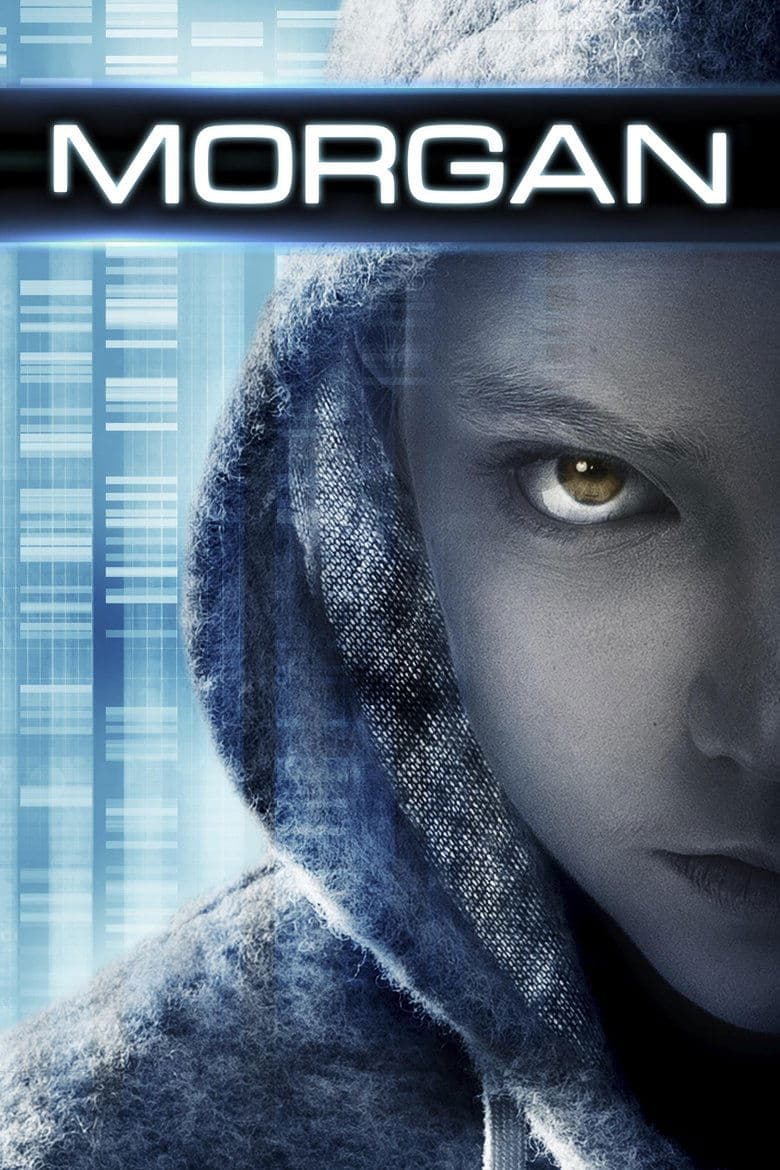
Movie · 2016
A corporate risk-management consultant must determine whether or not to terminate an artificial being's life that was made in a laboratory environment.
